
Vegetables
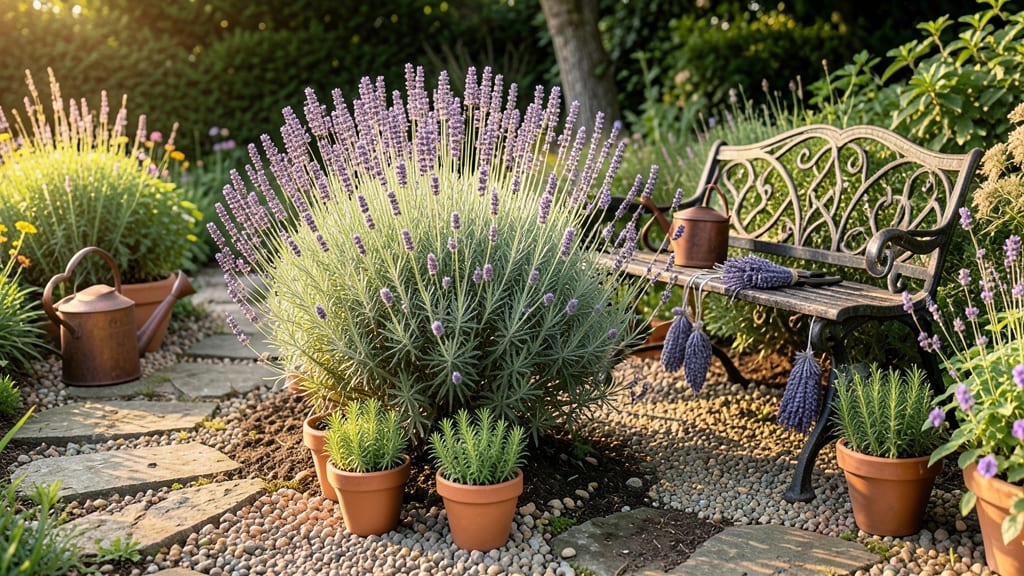
French country gardens bring rustic charm to vegetable plots with their herb beds and edible flowers arranged like a painter’s palette. 🌿 The secret lies in mixing fragrant lavender with tender lettuces, letting climbing roses frame the garden like a lace doily.
I fell for this style after seeing how effortlessly it blends beauty with bounty—no formal rows here, just lush, meandering beds that feel like stepping into a Provençal village.
Start with sunny borders where herbs like thyme and rosemary mingle with edible flowers like nasturtiums and borage. Use gravel pathways to define beds without rigid lines, and add rustic trellises for climbing beans or peas to weave through like vines in a storybook.
The color palette? Soft whites, dusty blues, and sage greens—think of a sunlit farmhouse wall, but alive with growing things.
By midsummer, your garden will burst with fragrant blooms and harvestable greens, all while looking like a postcard. The key is letting plants spill naturally over edges, mixing heights, and keeping the mood relaxed—no manicured perfection allowed.
Even small spaces can pull off this look with raised beds or window-box herbs.
Seasonal upkeep is simple: deadhead spent blooms, prune herbs lightly, and let some flowers self-seed for next year’s charm. For city gardens, container herbs with trailing flowers work just as well. The magic? It’s not about rules—it’s about creating a space that smells like summer and tastes like home.
📚 In This Guide
- What you need
- Instructions
- Tips and common mistakes
- Wrapping up and next steps
What you need
- ● Soil: Well-draining, nutrient-rich soil (amend with compost or aged manure). Aim for at least 6 inches of depth for root vegetables.
- ● Mulch: Straw or wood chips (2–3 inches) to retain moisture and suppress weeds.
- ● Edible plants: Herbs: Thyme, rosemary, lavender, sage, and basil (6–12 plants per variety).
- ● Vegetables: Tomatoes, zucchini, carrots, radishes, and lettuce (quantities vary by space).
- ● Edible flowers: Nasturtiums, calendulas, and borage (mix 3–5 plants per bed).
- ● Trellises/Arbors: Wrought-iron or wooden trellises (2–4 per garden) for climbing plants like peas or beans.
- ● Gravel or Pebbles: Decorative river rocks or pebbles (1–2 bags) for pathways and borders.
- ● Basic Tools: Trowel, pruning shears, garden fork, and hand weeder.
- ○ Optional (but helpful): Wheelbarrow (for hauling soil/mulch).
- ● Hose with adjustable nozzle (for gentle watering).
- ● Knee pads (for comfort during planting!).
- ● Sunlight: At least 6–8 hours of direct sun daily for most edible plants.
- ● Space: A dedicated garden bed (4’x8’ minimum) or containers (12–18 inches deep).
- ● Water Access: A nearby spigot or watering system.
- ● Design Inspiration: Sketch a rough layout—think raised beds, mixed borders, and rustic paths!
How to design rustic herb beds and edible flower gardens
Create a charming French country garden with fragrant herbs and delicate edible blooms—simple yet stunning.
🌱 Step 1: Plan Your Rustic Layout
Sketch a loose, organic design with winding paths and informal groupings. French country gardens thrive on asymmetry, so avoid rigid rows. I like to cluster herbs like thyme, rosemary, and lavender together—their aromatic leaves repel pests naturally while adding fragrance. Edible flowers like nasturtiums and calendula can spill over container edges or border pathways.
Choose a sunny spot with at least 6 hours of direct sun daily. Even partial shade works for shade-tolerant herbs like parsley or chives. Mark your design with sticks and twine, leaving 2-3 feet between clusters for easy access and airflow. The key is to mimic a cottage garden’s relaxed charm—no need for perfect lines.
🪴 Step 2: Prepare the Soil and Planting Areas
Loosen the soil to a depth of 12 inches with a fork or tiller, breaking up compacted layers. Amend with 2-3 inches of compost or well-rotted manure to enrich the soil without overfeeding—French country gardens favor nutrient-rich but not overly fertile soil. Sprinkle a handful of coarse sand or perlite if your soil drains poorly, as herbs despise soggy roots.
For containers, fill with a mix of 50% potting soil and 50% perlite or coconut coir to ensure excellent drainage. I often use old terracotta pots or wooden crates for that authentic rustic look. Arrange containers in clusters of three or five—odd numbers create visual balance in cottage-style gardens.
☀️ Step 3: Plant Herbs and Edible Flowers
Space plants according to their mature size: 12-18 inches apart for rosemary and lavender, 6-12 inches for thyme and oregano, and 10-12 inches for edible flowers. Dig holes just deep enough to cover the roots but not bury the stems—this prevents rot and encourages strong growth. Water each plant deeply before backfilling soil to eliminate air pockets.
Mulch with 2-3 inches of straw or shredded bark to suppress weeds and retain moisture. Avoid dyed mulch—French country gardens rely on natural, earthy tones. For containers, top-dress with a thin layer of gravel or pebbles to mimic the rustic aesthetic while preventing soil splatter on leaves.
💧 Step 4: Maintain with Rustic Care
Water herbs and edible flowers in the morning to allow foliage to dry quickly, reducing disease risk. Aim for 1 inch of water weekly, adjusting for rain—drought-tolerant herbs like rosemary and lavender need less, while tender flowers like nasturtiums appreciate consistent moisture. Let the soil dry slightly between waterings; French country gardens embrace a "dry but not thirsty" approach.
Deadhead spent blooms regularly to encourage continuous flowering and prevent self-seeding where you don’t want it. Prune herbs lightly after harvest—snip just above a set of leaves to promote bushier growth. I also weave in wildflowers like borage or chamomile for pollinators, keeping the garden lively and low-maintenance.
✂️ Step 5: Add Rustic Touches for Charm
Incorporate vintage elements like old stone markers, wooden trellises, or iron garden tools leaning against fences. French country gardens love texture—mix smooth stone with rough bark mulch and weathered wood. Hang herbs like mint or basil in terracotta pots from a pergola or trellis to save space and add vertical interest.
Finally, let some areas go slightly wild. A patch of self-seeded calendula or a clump of creeping thyme adds authenticity. The goal is a garden that feels lived-in and inviting, where every plant has a place but nothing feels forced. Step back often to admire the progress—this is where the real magic happens.
Tips & tricks for perfect French country herb gardens
Creating a French country garden isn't about perfection—it's about charm and natural beauty. Here are my go-to tricks to make your herb beds and edible flowers thrive with that signature rustic elegance.
Plant Placement: In Step 1, when sketching your layout, consider the mature height of your plants. Place taller herbs like rosemary and lavender toward the back of your beds or containers, while shorter thyme and oregano can spill over edges. This creates that layered, romantic look French country gardens are famous for.
Soil Secrets: For Step 2, don't skip the soil test if possible—herbs like rosemary and lavender prefer slightly alkaline soil (pH 6.7-7.3). If your soil is too acidic, mix in a handful of crushed eggshells or wood ash when amending with compost. This small tweak makes a big difference in flavor intensity and growth.
Container Clusters: When arranging containers in Step 2, remember the "rule of three"—group containers in odd numbers for visual balance. I often use a mix of sizes: one large terracotta pot as the centerpiece with two smaller ones flanking it. This creates natural focal points that feel intentional but effortless.
Watering Wisdom: In Step 4, the "dry but not thirsty" approach is key. I use a simple trick: stick your finger about an inch into the soil. If it's dry, water; if it's damp, wait. Morning watering is best, but if you must water in the evening, avoid wetting the leaves to prevent fungal diseases—especially important for edible flowers like nasturtiums.
Pro Tips for French Country Gardens
- Creating a French country garden isn't about perfection—it's about charm and natural beauty.
- Plant Placement: In Step 1, when sketching your layout, consider the mature height of your plants.
- Soil Secrets: For Step 2, don't skip the soil test if possible—herbs like rosemary and lavender prefer slightly alkaline soil (pH 6.7-7.3).
Frequently asked questions
What are the easiest vegetables to grow in a French country garden style?
Aim for classic potager favorites like herbs (thyme, rosemary, lavender), leafy greens (lettuce, Swiss chard), and edible flowers (nasturtiums, calendula). These thrive in well-drained soil, partial shade, and require minimal fuss—perfect for the relaxed vibe of a French garden!
How long does it take to see results in a French country garden?
Fast-growing herbs like basil or chives may sprout in 2-4 weeks, while perennials (lavender, rosemary) take 1-2 seasons to fully establish. Edible flowers often bloom within 6-8 weeks. Patience is key—rustic charm builds over time!
Are French country gardens expensive to maintain?
Not necessarily! Start with affordable staples: recycled containers, heirloom seeds, and mulch (straw or grass clippings). Focus on low-maintenance perennials and upcycle materials (old terracotta pots, wooden crates). A little creativity goes a long way!
How do I protect my French country garden from pests naturally?
Embrace companion planting (marigolds repel pests, basil deters flies) and use neem oil or garlic spray for organic defense. French gardens often rely on diverse plantings and handpicking pests—no harsh chemicals needed!
Can I create a French country garden in a small space, like a balcony?
Use vertical planters, hanging baskets, or tiered shelves for herbs and edible flowers. Even a windowsill herb garden can mimic the charm. Opt for dwarf varieties (like thyme ‘Elfin’) to keep it compact and cozy!
Wrapping up and next steps
French country gardens are a celebration of rustic charm and edible beauty—where every herb bed and blooming flower isn’t just decorative but delicious. From lavender-scented thyme to vibrant nasturtiums, these spaces prove that gardening can be both practical and poetic. 🌿✨
Ready to bring this timeless elegance to your own backyard? Start small—plant a few herbs or a single edible flower patch—and let your garden tell its own story. Bon jardinage!