
Vegetables
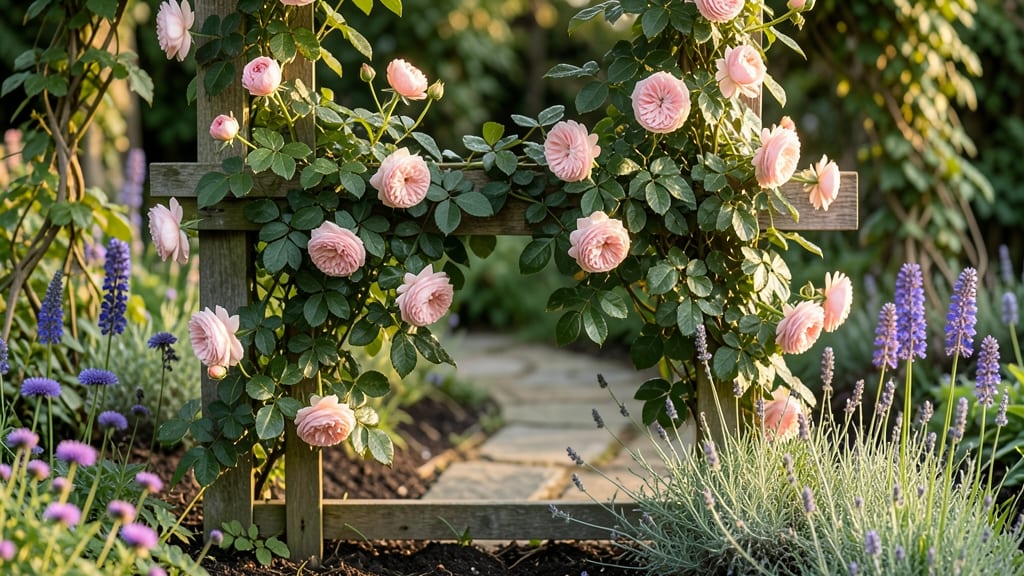
French cottage garden vegetables turn edible beauty into a living postcard. 🌸 The secret lies in mixing fragrant herbs with bold blooms—think rosemary tangled with peonies, or purple basil beside scarlet runner beans—creating a border that's as pretty as it is productive.
This style thrives on informal layers: tall delphiniums behind bush beans, lavender spilling over trellises, and dwarf tomatoes nestled in front. The key is mixed heights and textures—velvety lamb's ear beside crisp lettuce, or feathery fennel framing a rose arch.
Even small spaces can work with vertical planting and container combinations.
You'll end up with a garden that smells like a Provençal summer—citrusy thyme, sweet peas, and the occasional whiff of ripe tomatoes hidden among the flowers. The best part? Every harvest feels like a treasure hunt through a storybook scene.
Works in any climate by swapping heat-lovers (like hollyhocks) for cooler-season perennials (such as hellebores) where needed. The magic is in the romantic chaos—no rigid rows here, just plants that love each other and you.
📚 In This Guide
- What you need
- Instructions
- Tips and common mistakes
- Wrapping up and next steps
What you need
- ● Vegetable Seeds or Seedlings: 10+ varieties of heirloom veggies (e.g., tomatoes, zucchini, carrots, lettuce, radishes, beans, peas, herbs like basil, thyme, and rosemary)
- ● 3-5 edible flowers like nasturtiums, pansies, or calendula (for pollinators + flavor!)
- ● Perennials & Flowers: 5-10 climbing roses (for arches and fragrant accents)
- ● 15-20 lavender, hollyhocks, or delphiniums (tall, romantic blooms)
- ● Ground cover plants like creeping thyme or ajuga (to soften paths)
- ● Basic Gardening Tools: 1 garden fork (for turning soil)
- ● 1 hand trowel (for precision planting)
- ● 1 pruners (sharp, for trimming)
- ● 1 wheelbarrow (for hauling soil/compost)
- ○ Optional (But Helpful!): 1 garden hose with spray nozzle (for watering)
- ● 1 raised bed kit (if starting small or improving drainage)
- ● 1 trellis or arch kit (for climbing plants like beans or roses)
- ● Space: At least 10x10 feet of garden bed (or more for larger plots!)
- ● Sunlight: 6+ hours of direct sun daily (veggies + flowers thrive here!)
- ● Soil: Well-draining, loamy soil (amend with compost if needed)
- ● Water Source: Easy access to water (garden hose or drip irrigation)
- ● Time: 1-2 hours weekly for maintenance (weeding, pruning, harvesting!)
How to design a French cottage garden vegetable layout
This is where the magic happens—layering vegetables with flowers for that signature French charm.
🌱 Step 1: Plan Your Garden Layout in Concentric Layers
French cottage gardens thrive on three-dimensional planting. Start with your tallest vegetables—like pole beans or trellised peas—at the back or center. These act as your vertical anchors, creating a natural focal point. I like to place them 12-18 inches apart so they don’t compete for sunlight but still provide structure.
Next, add your mid-height vegetables—think zucchini, bush beans, or tall herbs like rosemary—in the middle layer. These should be spaced 18-24 inches apart to allow air circulation and easy harvesting. The key here is to avoid planting anything taller than your back row, or you’ll lose that cozy, layered effect.
🌿 Step 2: Weave in Edible Flowers and Fillers
This is where the French cottage magic happens. Slip edible flowers like nasturtiums, calendula, or borage between your vegetables—they’ll self-seed, bloom continuously, and even deter pests. I tuck them into the front layer, where they spill over edges and create that effortless, wild beauty. Space them 6-12 inches apart so they don’t overwhelm your veggies.
For gaps or bare spots, add low-growing herbs like thyme, oregano, or chives. These not only fill space but also repel insects naturally. The trick is to let them trail slightly—this softens the edges and makes the garden feel more organic. Avoid neat rows; instead, plant in loose clusters of 3-5.
☀️ Step 3: Create Shady Nooks with Leafy Greens
Underneath your taller plants, nestle leafy greens like lettuce, spinach, or Swiss chard. These thrive in partial shade and add lush texture to your layers. I plant them 8-12 inches apart in the dappled shade cast by taller veggies, which keeps them tender and sweet. This also mimics the natural understory of a cottage garden.
For extra drama, interplant fruiting vegetables like strawberries or radishes near the front. Their bright colors pop against the greenery, and their quick growth keeps the garden feeling dynamic. The goal is to have something blooming, fruiting, or harvesting at all times—just like a true French cottage garden.
✂️ Step 4: Maintain with Strategic Pruning and Deadheading
Once your garden is planted, the upkeep is simple but intentional. Deadhead spent blooms on flowers like nasturtiums to encourage more flowers, and prune leggy herbs to keep them compact. I also snip back overgrown veggies like zucchini or cucumbers to redirect energy into fruit production.
Here’s the thing—French cottage gardens are never perfectly neat. Let a few flowers self-seed, and don’t stress if a plant flops over. The charm lies in the imperfection. Water deeply once a week (more in extreme heat) and mulch with straw to retain moisture and suppress weeds. The result? A garden that feels alive, abundant, and utterly inviting.
Tips & tricks for perfect French cottage garden vegetables
Creating this dreamy garden layout takes a little finesse—here's how to elevate your design beyond the basics.
Vertical Space Matters: When placing your 12-18 inch spaced pole beans or trellised peas in Step 1, consider adding lightweight trellises for climbing varieties like morning glories or sweet peas. This creates even more visual interest while keeping your vertical anchors functional. The key is to position trellises where they won't cast too much shade on your mid-height plants below—aim for the north side of taller vegetables if possible.
Color Theory for French Charm: In Step 2, when selecting your edible flowers like nasturtiums or calendula, choose colors that complement your vegetable palette. Deep red nasturtiums pair beautifully with green leafy vegetables, while yellow calendula brightens up purple eggplants. I always group 3-5 flowers of similar colors together in loose clusters to create natural "paint strokes" of color that feel intentional rather than random.
Understory Secrets: For your 8-12 inch spaced leafy greens in Step 3, consider interplanting with microgreens like arugula or radish sprouts. These fast-growing greens fill gaps quickly and provide continuous harvests. The trick is to sow them after your main greens are established—this prevents competition while creating that lush, layered look characteristic of French cottage gardens.
Maintenance Shortcuts: In Step 4, when deadheading, I use a pair of clean kitchen scissors instead of my pruners for delicate flowers like nasturtiums. This prevents crushing stems and gives you more precision. For herbs, I snip just above a leaf node at a 45-degree angle—this encourages bushier growth while keeping your plants compact and tidy.
Pro Tips for French Cottage Gardens
- Creating this dreamy garden layout takes a little finesse—here's how to elevate your design beyond the basics.
- Vertical Space Matters: When placing your 12-18 inch spaced pole beans or trellised peas in Step 1, consider adding lightweight trellises for climbing varieties like morning glories or sweet peas.
- Color Theory for French Charm: In Step 2, when selecting your edible flowers like nasturtiums or calendula, choose colors that complement your vegetable palette.
Frequently asked questions
What are the easiest vegetables to grow in a French cottage garden?
A French cottage garden thrives on low-maintenance, hardy veggies like lettuce, radishes, and green beans. Herbs such as basil, thyme, and rosemary also blend beautifully with flowers while being easy to grow. Opt for heirloom varieties for that classic cottage charm!
How long does it take to establish a French cottage garden?
With proper planning, you can see results in as little as 3–6 months. Start with fast-growing annuals like pansies or nasturtiums for quick color, while perennials (like lavender or thyme) may take a full season to fill out. Patience pays off—layering plants ensures year-round beauty!
Are French cottage gardens expensive to maintain?
Not necessarily! Many cottage garden staples (like marigolds, zinnias, or edible flowers) are budget-friendly. Focus on mulching to retain moisture, use seed swaps with neighbors, and prioritize perennials over annuals to cut costs long-term. Thrift stores often have charming vintage pots too!
Can I grow a French cottage garden in containers or small spaces?
Window boxes, hanging baskets, and even raised beds work perfectly. Choose compact veggies like bush beans, cherry tomatoes, or dwarf peppers, and mix in trailing flowers (e.g., petunias) for that signature overflow. Vertical gardening with trellises adds height without space!
How do I keep pests away without chemicals in a French cottage garden?
Embrace natural deterrents: Plant marigolds (they repel nematodes), basil (keeps flies away), or nasturtiums (diverts aphids). Encourage beneficial insects like ladybugs with dill or fennel, and use neem oil or garlic spray for targeted treatment. A healthy, diverse garden is its own best defense!
Wrapping up and next steps
French cottage gardens are more than just a feast for the eyes—they’re a celebration of edible charm, where every leaf, flower, and vegetable tells a story. From fragrant herbs to vibrant heirloom veggies, these gardens prove that beauty and bounty go hand in hand.
Whether you’re a seasoned gardener or just starting, embracing these whimsical layers will transform your space into a thriving, delicious paradise.
Ready to dive in? Start small—pick one or two vegetables or herbs to plant this season, and let your garden grow into something magical. Bon jardinage! 🌿