
Vegetables
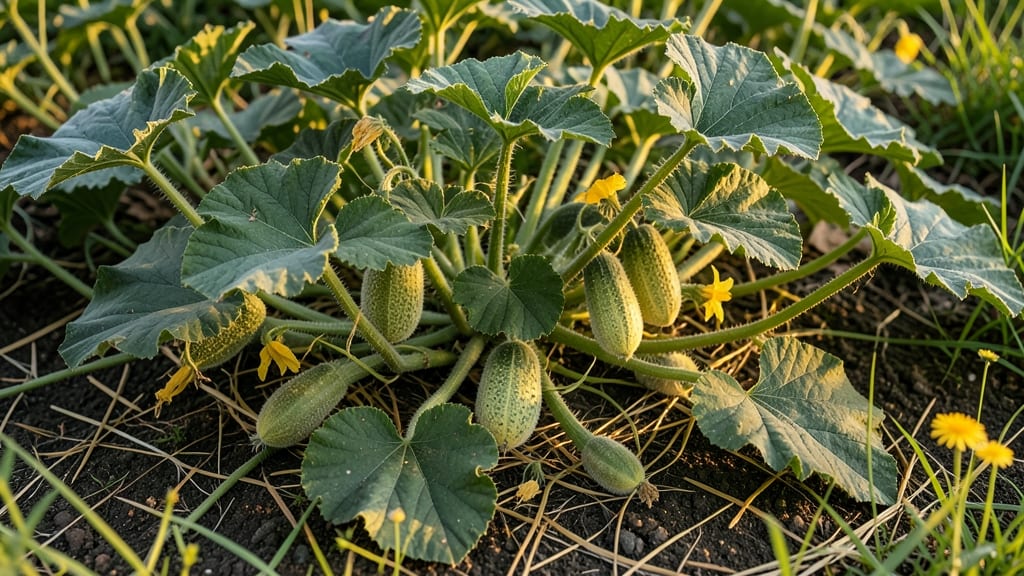
Growing fuzzy round cucumbers means harvesting bold, striped, regrowing produce that tastes like sunshine. 🌱 These aren't your typical cucumbers—they're perennials with fuzzy skins that keep coming back, year after year, if you give them the right conditions.
My first batch shocked me: instead of the usual smooth-skinned varieties, these had a velvety texture and a sweet, crunchy bite that lasted well beyond the usual harvest window.
They thrive in well-draining soil with a pH between 6.0 and 6.8, and they love full sun—at least 6-8 hours daily. The real secret? Trellising. Without support, the vines sprawl, and the cucumbers develop odd shapes.
I use a 5-foot tall trellis, and the results are cucumbers that stay clean, grow straighter, and produce longer into the season. Water consistently at the base—never overhead—to keep those fuzzy skins happy and pest-free.
Harvest starts when the cucumbers reach 3-4 inches in diameter, and the fun part? They regrow from the same plant if you leave a few behind. Store them in the fridge for up to 2 weeks, or pickle them for a tangy, crunchy snack.
The first time I tasted one fresh off the vine, still warm from the sun, I knew I'd never go back to smooth cucumbers again.
They're disease-resistant but watch for cucumber beetles—use row covers early in the season. And here's a pro tip: these cucumbers love companion planting with nasturtiums, which repel pests naturally. Once you try them, you'll wonder why you didn't start growing fuzzy rounds years ago.
📚 In This Guide
- What you need
- Instructions
- Tips and common mistakes
- Wrapping up and next steps
What you need
- ● Seeds: 3–5 African horned cucumber seeds (start indoors 4–6 weeks before last frost or direct-sow after soil warms to 70°F+).
- ● Growing Space: Outdoor: Full sun (6+ hours daily), well-draining soil (pH 6.0–6.8).
- ● Containers: 5-gallon pots or larger (trellis or cage required—vines grow 10–15 ft!).
- ● Trellis/Cage: 6–8 ft tall (bamboo, metal, or sturdy stakes). These cucumbers love to climb!
- ● Compost/Organic Matter: 2–3 cups per planting hole (boosts nutrient-rich soil).
- ● Watering Can/Hose: Drip irrigation or soaker hose preferred (keep soil consistently moist).
- ○ Garden Gloves (optional but handy for handling prickly vines).
- ● Pruning Shears (to trim excess growth or dead leaves).
- ● Mulch (straw or shredded leaves to retain moisture and suppress weeds).
- ● Balanced Fertilizer (5-5-5 or compost tea, applied every 4–6 weeks).
- ● Row Cover/Frost Cloth (if planting early in cool climates).
- ● Patience! Fuzzy round cucumbers take 90–120 days to mature.
- ● Warmth: They hate frost—wait until nighttime temps stay above 55°F.
- ● Space: These vines spread aggressively; give them room or contain them.
Step-by-step instructions for cultivating fuzzy round cucumbers
Here’s how to grow these striking, heirloom cucumbers—perennial varieties that reward patience with bold stripes and vigorous regrowth.
🌱 Step 1: Select the Right Location and Prepare the Soil
Fuzzy round cucumbers thrive in full sun—at least 6-8 hours of direct light daily—and need well-draining, nutrient-rich soil with a pH between 6.0 and 6.8. I always test my soil first, because these cucumbers are sensitive to compacted or overly acidic conditions. Amend the bed with 2-3 inches of compost mixed into the top 12 inches of soil to encourage strong root development.
If your soil drains poorly, raise the plants in mounds or containers filled with a mix of 50% garden soil, 30% compost, and 20% perlite. The fuzzy varieties are particularly prone to root rot, so excess moisture is their enemy. Work in a handful of gravel or coarse sand if your native soil feels heavy when squeezed.
☀️ Step 2: Plant Seeds or Transplants at the Right Time
Start seeds indoors 4-6 weeks before your last frost date in biodegradable pots to avoid disturbing roots later. Sow ½ inch deep, spacing seeds 2 inches apart in rows 3 feet apart—these cucumbers sprawl widely. Keep the soil consistently moist (not soggy) at 70-75°F until germination, which typically takes 7-10 days.
For direct sowing, wait until soil temperatures reach 60°F and all frost risk has passed. Transplants should go in after the last frost, but never when nighttime temps dip below 55°F. Harden off seedlings gradually by moving them outdoors for 1-2 hours daily over 7-10 days before full transplant. Watch for yellowing leaves—a sign of shock—and adjust their position if they wilt.
💧 Step 3: Provide Support and Consistent Watering
Fuzzy round cucumbers need strong vertical support—either trellises, cages, or sturdy stakes—to keep their heavy fruits off the ground and improve air circulation. Install supports as soon as seedlings show 2-3 true leaves to avoid damaging roots later. I use 5-foot tall bamboo stakes for smaller varieties and wire trellises for sprawling types, securing vines with soft garden twine to prevent stem abrasion.
Water deeply 2-3 times per week, aiming for 1-1.5 inches of moisture per week. Drip irrigation is ideal—it delivers water at the base without wetting foliage, which reduces fungal risks like powdery mildew. Always water in the early morning so leaves dry quickly. You’ll know you’re on track when the top 2 inches of soil feel dry to the touch between waterings.
✂️ Step 4: Prune and Train for Maximum Yield
Pinch off the first 3-4 flowers that appear to encourage stronger vine development. After that, let the plant flower freely—but watch for male blossoms (they have a small stem at the base) and remove them to redirect energy to female flowers (they’ll have a tiny cucumber at the base). Female flowers produce fruit, so preserving them boosts your harvest.
Prune aggressively by trimming back any leggy or overcrowded vines to improve airflow. Focus on keeping 3-5 main stems per plant, cutting back side shoots that grow between the main stem and leaves. This technique prevents disease and ensures the plant’s energy goes into bold, striped fruit rather than excessive foliage. Harvest when cucumbers reach 4-6 inches in diameter—they won’t get sweeter once ripe.
🌿 Step 5: Extend the Season and Encourage Regrowth
Fuzzy round cucumbers are perennial in USDA zones 9-11, but even in colder climates, they’ll regrow if you protect them. In fall, cut back vines to 6 inches tall and mulch heavily with straw or leaves to insulate roots. In spring, new growth will emerge from the base—just remove any dead foliage and resume care as usual.
To boost regrowth, side-dress with compost in early spring and fertilize lightly with a balanced 10-10-10 formula every 4-6 weeks. Avoid over-fertilizing—too much nitrogen leads to leafy growth at the expense of fruit. You’ll see regrowth within 2-3 weeks of warming temperatures, and with proper care, these cucumbers can produce for years in the right climate.
Tips & tricks for cultivating fuzzy round cucumbers
These heirloom cucumbers demand attention to detail—but the payoff is worth it. Here's how to avoid common pitfalls and maximize your harvest.
Soil Preparation: Don't skip the soil test! Fuzzy round cucumbers are particularly sensitive to pH imbalances. Aim for that 6.0-6.8 range—any lower and your plants will struggle to absorb nutrients, even with the recommended 2-3 inches of compost. I've seen firsthand how plants in slightly acidic soil produce smaller, less vibrant fruit. If your soil tests below 6.0, add crushed limestone to raise the pH gradually over time.
Germination Conditions: The 70-75°F soil temperature range for germination is non-negotiable. If your soil feels cooler than that, use a seedling heat mat underneath your biodegradable pots. I learned this the hard way after waiting two weeks for germination in cooler spring soil—turns out those fuzzy varieties are even more temperature-sensitive than regular cucumbers. Once seeds sprout, maintain that consistent moisture without letting it get soggy; these plants hate wet feet.
Support System: Install your trellises or stakes as soon as you see 2-3 true leaves—this prevents root disturbance later. I recommend using soft garden twine rather than wire to secure vines, as the fuzzy varieties have delicate stems that can bruise easily. The goal is to create a gentle support system that guides the vines upward without restricting growth. Think of it like training a dancer rather than forcing a contortionist pose.
Pruning Strategy: When pruning to maintain 3-5 main stems, focus on removing side shoots that grow between the main stem and leaves. These "suckers" compete for nutrients with your developing fruit. I've found that the 4-6 inch harvest window is crucial—once these cucumbers exceed 6 inches, their texture becomes mealy and the stripes fade. Harvest in the morning when the cucumbers are crispest and most vibrant.
Pro Tips for Fuzzy Round Cucumber
- These heirloom cucumbers demand attention to detail—but the payoff is worth it.
- Soil Preparation: Don't skip the soil test!
- Germination Conditions: The 70-75°F soil temperature range for germination is non-negotiable.
Frequently asked questions
Got questions about growing fuzzy round cucumbers?
You’re not alone! These bold, striped beauties are unique, but they do come with a few quirks. Here’s what you need to know to keep your plants thriving—and your harvests bountiful.
What’s the best way to start growing fuzzy round cucumbers from seed?
Fuzzy round cucumbers (like Cucumis melo varieties) thrive from seeds planted directly in warm soil after the last frost. Sow seeds 1 inch deep, 12 inches apart, in full sun (6+ hours daily). For faster germination, pre-soak seeds in warm water for 4–6 hours. Pro tip: Use black plastic mulch to warm the soil and speed up growth!
How long does it take for fuzzy round cucumbers to mature?
Expect a slow but rewarding process! From seed to harvest, these cucumbers typically take 70–90 days in ideal conditions (warm soil, consistent moisture). If grown in cooler climates, extend the season with row covers or start seeds indoors 4–6 weeks before the last frost. Patience is key—these beauties aren’t in a hurry!
Can I eat fuzzy round cucumbers raw, or do they need cooking?
Fuzzy round cucumbers are best enjoyed fresh and raw—their crisp texture and mild, slightly sweet flavor shine in salads, sandwiches, or as a snack. Never eat the skin (it’s tough and fuzzy), but peel it first. For extra flavor, chill them before slicing. Bonus: They’re also great pickled or lightly sautéed!
Why aren’t my fuzzy round cucumbers producing fruit?
No fruit? Don’t panic—it’s often a pollination or environmental issue. Hand-pollinate flowers with a small brush or gently shake plants to transfer pollen. Ensure they get full sun, consistent water (1–2 inches/week), and warm temps (70–90°F). Stress factors like drought or extreme heat can also halt production. Try again next season with these adjustments!
Are there alternatives to fuzzy round cucumbers for regrowing?
If fuzzy round cucumbers seem tricky, try these regrowing-friendly alternatives:
- Bush cucumbers (easier to manage, fewer vines).
- Siberian gherkins (compact, cold-tolerant, and prolific).
- Luffa gourds (perennial in warm climates, dual-purpose for fruit and sponges!).
Wrapping up and next steps
Growing fuzzy round cucumbers is a rewarding adventure that blends creativity with sustainability—these bold, striped beauties thrive with minimal effort while gifting you endless harvests! 🌱 Whether you’re drawn to their unique texture, vibrant stripes, or regrowth magic, this guide has given you the tools to succeed.
Now, roll up your sleeves, embrace the process, and watch your garden transform into a fluffy, edible art gallery.
Ready to take the next step? Start small:
- 🌱 Plant a single seed this week and track its progress.
- 📸 Share your fuzzy cucumber journey with fellow gardeners—inspiration spreads!
- 🌿 Experiment with flavors in your kitchen and let us know your favorite recipe!