
Vegetables
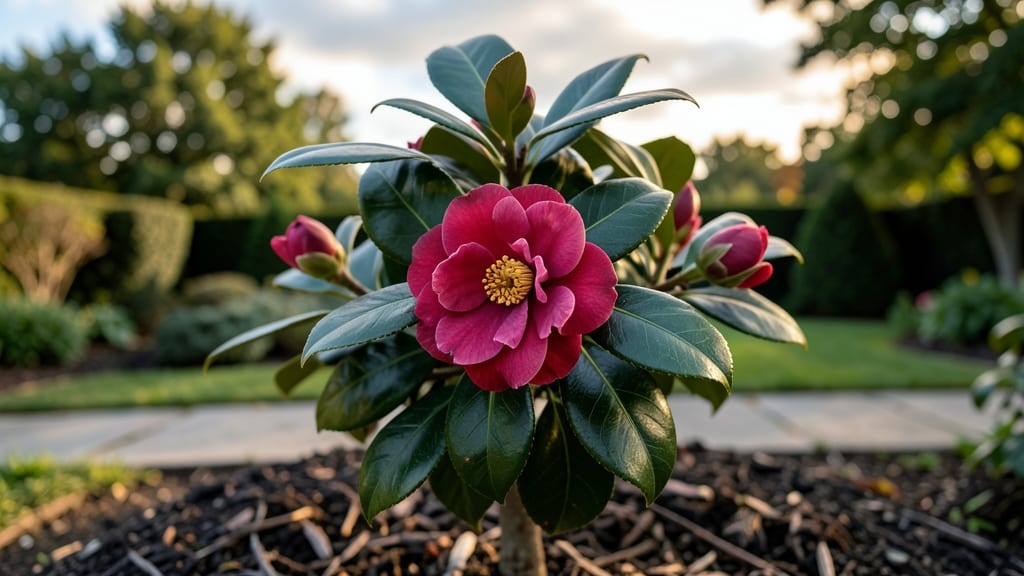
Gainesville gardens burst with color even when temperatures dip—thanks to cold-hardy perennials that thrive through Florida’s mild winters. 🌿 I’ve spent years perfecting my own low-maintenance beds, and the secret lies in choosing plants that love our climate’s extremes: the relentless summer sun and the occasional chilly snap.
The right perennials turn your yard into a four-season show, with blooms from January’s frost-kissed mornings through December’s golden afternoons.
Start with Kanapaha Botanical Gardens as your inspiration—it’s a local treasure showcasing native plants that handle Gainesville’s heat and humidity like pros. My go-to plants include salvia, coreopsis, and black-eyed Susans, which all bounce back after freezes and keep flowering until frost.
These perennials need minimal fuss: just well-draining soil, occasional watering, and a spot with at least 6 hours of sun to really shine.
By mid-spring, your garden will be a riot of vibrant blooms that attract butterflies and hummingbirds—no dead patches in sight. The best part? These plants multiply over time, reducing your workload while increasing your curb appeal.
I’ve seen neighbors pause to ask about my secret, and it’s really just about working with nature’s rhythm, not against it.
For extra inspiration, visit Paynes Prairie Preserve to see how native ecosystems handle our climate. Then bring those lessons home: mix in some muhly grass for texture or firebush for late-season color. Gainesville’s gardens don’t have to be complicated—they just need the right plants in the right places.
📚 In This Guide
- What you need
- Instructions
- Tips and common mistakes
- Wrapping up and next steps
What you need
- ● Cold-Hardy Perennial Plants: 5–10 Heuchera (Coral Bells) – Choose varieties like ‘Palace Purple’ or ‘Lime Rickey’ for bold foliage.
- ● 3–5 Sedum (Stonecrop) – Opt for Sedum ‘Autumn Joy’ for late-season blooms.
- ● 2–3 Salvia (Perennial Sage) – ‘May Night’ or ‘Indigo Spires’ thrive in Gainesville’s climate.
- ● 1–2 Russian Sage (Perovskia atriplicifolia) – Drought-tolerant and fragrant!
- ● 3 Black-Eyed Susans (Rudbeckia hirta) – A Gainesville favorite for golden cheer.
- ● Soil & Amendments: 50 lbs compost or well-rotted manure to enrich garden beds.
- ● 1–2 bags peat moss or coconut coir (for containers or poor soil).
- ● Balanced fertilizer (10-10-10) – Use sparingly (2–3 tbsp per plant).
- ● Tools: Trowel or hand shovel for precise planting.
- ● Garden gloves (to protect from prickly plants like Sedum).
- ● Watering can or hose with a gentle spray nozzle.
- ● Pruners (for shaping and deadheading).
- ○ Optional: Mulch (2–3 inches of pine straw or shredded bark to retain moisture).
- ● Prerequisites: Sunlight assessment: Most perennials need 6+ hours of sun/day (check your garden’s microclimates!).
- ● Well-draining soil (Gainesville’s clay soil? Amend with compost!).
- ● Water source nearby (perennials need 1–1.5 inches/week, including rainfall).
Instructions for designing a year-round Gainesville perennial garden
Here’s how to create a vibrant, low-maintenance garden that thrives through Gainesville’s mild winters and hot summers.
🌱 Step 1: Select Cold-Hardy Perennials for Gainesville’s Climate
Gainesville’s USDA Zone 8b climate allows for a mix of perennials that bloom in every season. Start with evergreen shrubs like dwarf yaupon holly (Ilex vomitoria) for winter structure, black-eyed Susan (Rudbeckia hirta) for summer color, and salvia (Salvia coccinea) for spring and fall blooms. These plants handle Gainesville’s 20-30°F dips without extra protection.
For year-round interest, layer in ornamental grasses like muhly grass (Muhlenbergia capillaris), which turns golden in winter, and purple coneflower (Echinacea purpurea), which blooms from late spring to fall. Avoid tender tropicals—they’ll die back in cold snaps. I always check the UF/IFAS Extension database to confirm hardiness before planting.
☀️ Step 2: Plan for Sun Exposure and Seasonal Shifts
Gainesville’s strong summer sun (up to 90°F+) demands shade-tolerant plants in afternoon-light areas. Place heuchera (Heuchera spp.) and foamflower (Tiarella cordifolia) in morning sun with afternoon shade—they’ll thrive where many perennials wilt. For full sun spots, opt for blanket flower (Gaillardia pulchella) and coreopsis (Coreopsis spp.), which handle the heat.
Use mulch (at least 3 inches deep) to regulate soil temperature. In summer, it keeps roots cool; in winter, it insulates against frost. I apply pine straw in spring, letting it break down naturally over time. Avoid heavy mulch piles against stems—this can suffocate roots and invite pests.
💧 Step 3: Water Deeply but Infrequently
Gainesville’s humid subtropical climate means perennials need deep, infrequent watering—about 1 inch per week during dry spells. Water early morning (before 9 AM) to reduce evaporation and fungal risks. Use drip irrigation or soaker hoses to deliver moisture directly to roots, avoiding leaf wetness that encourages powdery mildew.
Once established (after 1-2 years), most cold-hardy perennials tolerate drought. You’ll know they’re thirsty when leaves curl slightly or wilting occurs midday. At that point, a deep soak (watering until it runs out the bottom of the pot or 6 inches into the soil) revives them quickly.
✂️ Step 4: Prune Strategically for Seasonal Renewal
Timing matters—never prune in fall for Gainesville’s perennials. Instead, cut back dead foliage in early spring (February-March) before new growth appears. For grasses like muhly, I shear them back to 4-6 inches in late winter to encourage fresh shoots. For salvia and black-eyed Susan, trim spent blooms to just above the lowest set of leaves to promote bushier growth.
Divide clumps every 3-4 years in early spring (March) when shoots emerge but before leaves unfurl. Dig up the entire plant, split it into 3-inch sections, and replant immediately. This prevents overcrowding and rejuvenates blooms. I always water deeply after dividing to reduce transplant shock.
🌿 Step 5: Fertilize Lightly for Long-Term Health
Gainesville’s sandy, well-draining soil often lacks nutrients, so I top-dress with compost in early spring (March) and fall (October). Use a balanced, slow-release fertilizer (like 10-10-10) at half-strength to avoid burning roots. Over-fertilizing leads to lush foliage but fewer blooms—a common mistake in Gainesville’s heat.
For evergreens like yaupon holly, a low-nitrogen, high-phosphorus fertilizer (like 5-10-5) in late winter encourages flowering. Water thoroughly after applying fertilizer to help it penetrate the soil. Avoid synthetic fertilizers in summer—they stress plants in the heat.
Tips & tricks for perfect year-round Gainesville perennials
Between us, these small details make the difference between a garden that thrives and one that just survives. Gainesville's unique climate demands thoughtful adjustments you won't find in generic gardening advice.
Climate-Specific Plant Pairing: The key to year-round color lies in strategic layering. Pair black-eyed Susan with salvia for continuous blooms from spring through fall, then add muhly grass for winter interest. I've found that combining plants with staggered bloom times creates a seamless transition between seasons - something generic planting guides often miss about Gainesville's specific microclimates.
Soil Temperature Management: Gainesville's sandy soil heats up quickly in summer, which can stress roots. The 3-inch mulch layer mentioned in Step 2 isn't just decorative - it's essential. I recommend using pine straw because it allows moisture to penetrate while insulating roots from both summer heat and winter cold. For extra protection in extreme heat, consider adding a thin layer of straw mulch on top of your existing mulch during peak summer months.
Watering Technique: The 1-inch weekly watering guideline works perfectly, but timing matters more than most realize. I've learned that watering at 6-7 AM gives plants the moisture they need before the sun intensifies. Also, focus water directly at the base rather than overhead - this prevents fungal issues that are common in Gainesville's humid climate. For newly planted perennials, water every other day for the first two weeks to help establish roots.
Pruning Precision: When dividing clumps every 3-4 years in Step 4, aim for 3-inch sections with at least 3 healthy shoots per section. I've found that larger sections establish more quickly in Gainesville's climate. For muhly grass, use clean, sharp shears to avoid tearing - this prevents disease entry points that can become problematic in our warm winters. Always water deeply after dividing to help plants recover from transplant shock.
Pro Tips for Gardens In Gainesville
- Between us, these small details make the difference between a garden that thrives and one that just survives.
- Climate-Specific Plant Pairing: The key to year-round color lies in strategic layering.
- Soil Temperature Management: Gainesville's sandy soil heats up quickly in summer, which can stress roots.
Frequently asked questions
Got questions about creating stunning year-round gardens in Gainesville’s climate? Here are some of the most common ones—and their answers!
What are the best cold-hardy perennials for Gainesville’s Zone 8b climate?
Gainesville’s mild winters make it ideal for perennials like Lantana (evergreen), Salvia (drought-tolerant), Black-Eyed Susan (sun-loving), and Russian Sage (fragrant and heat-resistant). For edibles, try Rosemary, Thyme, and Swiss Chard—they thrive year-round with minimal fuss!
When is the best time to plant perennials in Gainesville?
Fall (September–November) is the sweet spot—cooler temps reduce stress, and plants establish roots before summer heat. Spring (February–March) works too, but water consistently until roots settle. Avoid planting in peak summer (June–August) unless you’re using shade-loving varieties.
How often should I water my perennial garden in Gainesville?
Newly planted perennials need 1–1.5 inches of water weekly (deep soaks, not frequent light sprinkles). Once established, most perennials thrive on rainfall alone—Gainesville’s humid climate helps! Mulch (2–3 inches) retains moisture and cuts down on weeds. Pro tip: Water early morning to prevent fungal issues.
What pests should I watch for in Gainesville gardens, and how do I prevent them?
Common culprits include aphids (suck sap), whiteflies (love heat), and slugs (nighttime raiders). Prevention: Encourage ladybugs (natural predators), use neem oil for soft-bodied pests, and handpick slugs with beer traps (bury a cup of beer near plants). Diatomaceous earth works for crawling insects too!
Can I grow vegetables as perennials in Gainesville, or should I stick to flowers?
Gainesville’s climate is perfect for perennial veggies like asparagus (3–4 years to harvest), rhubarb (low-maintenance), artichokes (drought-tolerant), and herbs (rosemary, oregano). Start with young plants—seeds may take too long to establish. Bonus: They reduce annual replanting work!
How do I protect perennials during rare Gainesville freezes?
Most cold-hardy perennials handle Gainesville’s occasional dips to 25°F, but tender plants (like Lantana) may need lightweight row covers or mulch blankets. Water roots before a freeze to insulate them. If temps drop below 20°F, group pots together and move them to a sheltered spot (like a garage with ventilation).
Wrapping up and next steps
Gainesville’s mild winters and rich soil make it a perfect playground for cold-hardy perennials, offering year-round color and low-maintenance beauty.
Whether you’re a seasoned gardener or just starting, these resilient plants bring vibrancy to your landscape while saving you time and effort. Why wait? Grab your gloves, pick a sunny spot, and let your garden bloom—one season at a time!
🌱 Next Steps:
- Plan your layout—sketch a simple design or use free apps to visualize your garden.
- Start small—choose 3-5 perennials to test before expanding.
- Join local groups—check out UF/IFAS Extension Gainesville or Facebook gardening communities for tips and plant swaps!