
Vegetables
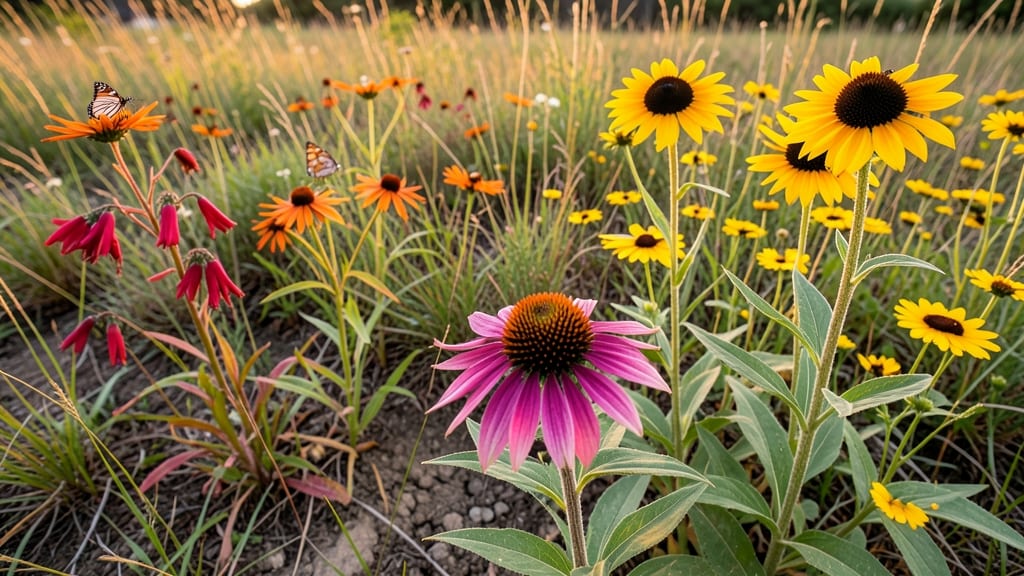
Tennessee gardens thrive when you pick plants that love the humidity, heat, and occasional frost of this sunshine-soaked state. 🌿 I’ve grown everything from Appalachian heirlooms to Piedmont pollinator favorites—and the right varieties make all the difference between a struggle and a lush, productive garden.
The secret? Matching plants to your microclimate, whether you’re in the rolling hills of East Tennessee or the flatlands of Middle Tennessee.
Native plants like passionflower and black-eyed Susan handle Tennessee’s soil and weather like pros, while heat-tolerant veggies like Okra and Sweet Potatoes produce all season long. Even in winter, kale, carrots, and spinach keep growing if you mulch right.
The key is layering plants that thrive in different seasons—no wasted space or wilted disappointment.
You’ll end up with a garden that’s not just beautiful but productive year-round, from early spring greens to late-fall squash. Imagine fresh tomatoes in July and crisp lettuce in November—all while supporting local pollinators.
The best part? Tennessee’s gardening community is full of resources, from the Tennessee Native Plant Society to local nurseries like Richters that know the land.
Whether you’re designing a pollinator paradise, a cottage-style veggie patch, or a low-maintenance edible landscape, these varieties and tips will turn your Tennessee soil into a green goldmine. Let’s get growing!
📚 In This Guide
- What you need
- Instructions
- Tips and common mistakes
- Wrapping up and next steps
What you need
- ● Soil: Native Tennessee topsoil (2–3 cubic yards for a 10’x10’ bed) or a mix of 60% topsoil, 30% compost, and 10% perlite/sand for better drainage.
- ● Organic compost (1–2 bags per 10 sq. ft.) to enrich nutrients.
- ● Plants: Cold-hardy varieties: Kale, Swiss chard, collard greens, and spinach (seed packets or 6–12 transplants per bed).
- ● Heat-loving varieties: Okra, Southern peas, and sweet potatoes (seeds or starter plants, 3–5 per variety).
- ● Herbs: Rosemary, thyme, and oregano (3–6 plants for culinary use).
- ● Tools: Garden fork or tiller (for breaking up clay-heavy soil).
- ● Hand trowel, pruners, and gloves (for planting and maintenance).
- ● Watering can or hose with adjustable nozzle (for gentle watering).
- ○ Row covers or frost cloth (optional, for early/late season protection).
- ● Location: Choose a spot with 6–8 hours of sunlight daily (adjust for shade-loving greens like lettuce). Test soil pH (aim for 6.0–7.0; Tennessee’s clay soil often needs amendments).
- ○ Irrigation: Drip irrigation system (optional but ideal) to conserve water and maintain moisture.
- ● Mulch: Straw or wood chips (2–3 inches) to retain soil moisture and suppress weeds.
- ● Fencing: Chicken wire or deer-proof netting (highly recommended if rabbits or deer are a threat!).
Step-by-step guide to designing a Tennessee-resilient garden
Tennessee’s diverse climate—from humid summers to crisp winters—demands smart plant choices and strategic layouts.
🌱 Step 1: Plan for Microclimates and Seasonal Shifts
Tennessee’s elevation and topography create distinct growing zones. Start by mapping your yard into sun exposure areas: full sun (6+ hours), part shade (3-6 hours), and full shade (under 3 hours). I always sketch my space, noting where afternoon shade creeps in or where winter winds funnel through valleys. This helps me place heat-loving veggies like okra and peppers in the sunniest spots while reserving shadier areas for greens like collards or kale.
Consider your last frost date—typically late March to early April in most of the state—and plan to sow cool-season crops like broccoli or spinach 4-6 weeks before that date. For warm-season plants, wait until soil temperatures hit 60°F consistently. I use a soil thermometer to track this because rushing warm-season crops too early often leads to poor germination.
☀️ Step 2: Select Tennessee-Proven Varieties
Not all plants thrive equally in Tennessee’s humidity and heat. Opt for varieties bred for Southern climates, like 'Southern Exposure' butterbeans, 'Georgia Southern' collards, or 'Cherokee Purple' tomatoes. These varieties handle Tennessee’s summer heat and occasional humidity better than northern-bred plants. I always check the University of Tennessee Extension’s recommended varieties for my specific region—it’s saved me from wasted effort with finicky plants.
For year-round harvests, layer your planting schedule. Start with cool-season crops in early spring, transition to warm-season crops in late spring, and then replant cool-season crops in late summer for fall harvests. Succession planting is key—when you harvest a batch of lettuce, replace it with another seedling so you’re never without fresh greens.
💧 Step 3: Optimize Soil and Water for Tennessee Conditions
Tennessee’s clay-heavy soils can be challenging, but amending them with 2-3 inches of compost improves drainage and fertility. I test my soil every few years—UT Extension offers affordable testing kits—and adjust pH as needed. Most vegetables prefer a slightly acidic to neutral pH (6.0-7.0). If your soil is too acidic, add lime; if it’s alkaline, mix in sulfur.
Watering is critical in Tennessee’s heat and humidity. Mulch with 2-3 inches of straw or wood chips to retain moisture and suppress weeds. Water deeply 1-2 times per week, aiming for 1 inch of water per week, but adjust based on rainfall. I use drip irrigation or soaker hoses to deliver water directly to the roots, reducing evaporation and fungal diseases that thrive in Tennessee’s damp air.
✂️ Step 4: Implement Seasonal Maintenance
Spring is for cleaning up winter debris, adding fresh mulch, and prepping beds for planting. I always remove old plant debris to prevent disease buildup—especially important in Tennessee’s humid climate. Summer means regular pruning to encourage airflow and reduce heat stress. For example, I prune tomato suckers weekly to keep plants productive and healthy.
Fall is the time to harvest remaining crops, plant cover crops like clover or winter rye to protect soil, and divide perennials like asparagus or rhubarb. I also take notes on what worked and what didn’t—like which varieties thrived in the heat or which spots needed more shade. This helps me refine my approach for the next season.
🪴 Step 5: Protect Plants from Tennessee-Specific Pests
Tennessee’s pests are no joke—Japanese beetles, squash vine borers, and tomato hornworms are common culprits. I use row covers for early-season planting to deter beetles and handpick hornworms before they devour my tomatoes. For squash vine borers, I wrap the base of plants with aluminum foil—it confuses the borers and deters them from laying eggs.
Fungal diseases like powdery mildew and black spot thrive in Tennessee’s humidity. To prevent these, I ensure plants have good airflow by spacing them properly and avoiding overhead watering. If mildew appears, I treat it with a baking soda spray (1 teaspoon baking soda + 1 quart water + a few drops of dish soap). This natural remedy works well and is safe for edible plants.
Tips & tricks for Tennessee-resilient gardens
Creating a thriving Tennessee garden isn't just about planting—it's about working with the land's quirks. Here's how to maximize your success with these climate-smart strategies.
Microclimate Mapping: Go beyond sun exposure—note how afternoon shade shifts through the seasons. I mark my garden with stakes showing where shade falls at 2 PM in summer versus 4 PM in winter. This helps me place heat-sensitive plants like basil in spots that get morning sun but afternoon shade during peak summer. The 3-6 hour part shade range is especially tricky; I test it first with a temporary crop like lettuce before committing to perennials.
Soil Science Matters: Tennessee's clay soils need more than just compost—they need structural improvement. Mix in 2-3 inches of compost at planting, but also incorporate 1 part sand to 3 parts soil in heavy clay areas to improve drainage. I test my soil pH every spring and adjust—last year, my tomato beds needed lime to reach that 6.0-7.0 sweet spot for optimal nutrient uptake. Don't skimp on this step; poor soil is the #1 reason Tennessee gardens underperform.
Pest Prevention Strategy: The aluminum foil trick for squash vine borers works, but I've found even better results by combining it with reflective mulch. Wrap the base of plants with foil AND use silver-colored mulch around the stems. This confuses both beetles and borers while reflecting heat away from roots during our intense summer afternoons. For fungal diseases, I've switched to a 1 tablespoon baking soda + 1 quart water spray (double the original recipe) applied every 10 days during humid periods—it's prevented powdery mildew completely on my collards.
Seasonal Transition Hack: When switching from cool to warm season crops, I use the "staggered succession" method: plant warm-season crops 2 weeks before the last frost date in shaded areas where cool-season crops have already finished. This extends my growing season by 3-4 weeks without risking frost damage. For example, I'll plant okra in the north end of my garden while still harvesting spinach from the south end.
Pro Tips for Gardens In Tennessee
- Creating a thriving Tennessee garden isn't just about planting—it's about working with the land's quirks.
- Microclimate Mapping: Go beyond sun exposure—note how afternoon shade shifts through the seasons.
- Soil Science Matters: Tennessee's clay soils need more than just compost—they need structural improvement.
Frequently asked questions
Got questions about growing Tennessee-friendly greens?
Here are answers to the most common queries—from soil prep to pest problems—so you can keep your garden thriving year-round!
What’s the best time to plant greens in Tennessee’s climate?
Tennessee’s frost-free windows (typically late March to early November) work in your favor! For cool-season greens like spinach or kale, sow seeds 4–6 weeks before your last frost (check local frost dates). Warm-season options like collards thrive when planted in early spring or late summer for fall harvests.
How do I prepare Tennessee soil for greens?
Greens love well-draining, nutrient-rich soil with a pH of 6.0–7.0. Amend heavy clay (common in TN) with compost or aged manure, and mix in a 2–3 inch layer of organic matter before planting. Pro tip: Test your soil via UT Extension’s free kit—it’s a game-changer!
What pests should I watch for in Tennessee gardens?
Common culprits include cabbage worms (on brassicas like kale), aphids (on spinach), and slugs (in damp areas). Preventative fixes: Use row covers, handpick pests early, or spray neem oil. For slugs, set out beer traps (yes, really!) or diatomaceous earth around plants.
Can I grow greens year-round in Tennessee?
With seasonal planning, you can! Use row covers or cold frames to extend harvests into winter (try Tennessee’s hardy Swiss chard or arugula). For summer, opt for shade-tolerant greens like malabar spinach or grow them under dappled tree cover to beat the heat.
What’s the easiest green to grow for Tennessee beginners?
Start with collard greens—they’re drought-tolerant, pest-resistant, and thrive in TN’s heat. Or try microgreens (like broccoli sprouts) for a fast, low-maintenance harvest in just 1–2 weeks! Both are forgiving and delicious.
| Quick Fixes | For... |
|---|---|
| Add compost tea | Yellowing leaves (nutrient deficiency) |
| Thin seedlings | Overcrowded plants (reduces disease risk) |
| Mulch with straw | Weed competition + moisture retention |
Wrapping up and next steps
Tennessee’s diverse climate and rich soil make it a gardener’s paradise—perfect for growing hardy, sun-loving greens year-round! From nutrient-packed kale to tender spinach, these varieties thrive in the Volunteer State’s sunshine, offering fresh, homegrown harvests even in cooler months.
Whether you’re a seasoned green thumb or just starting, your garden can be a vibrant, edible oasis with the right planning and care.
Ready to dive in? Start small—pick one or two varieties to test this season, then expand your plot as you gain confidence. Grab your gloves, grab some seeds, and let Tennessee’s sunshine fuel your harvest! 🌱