
Vegetables
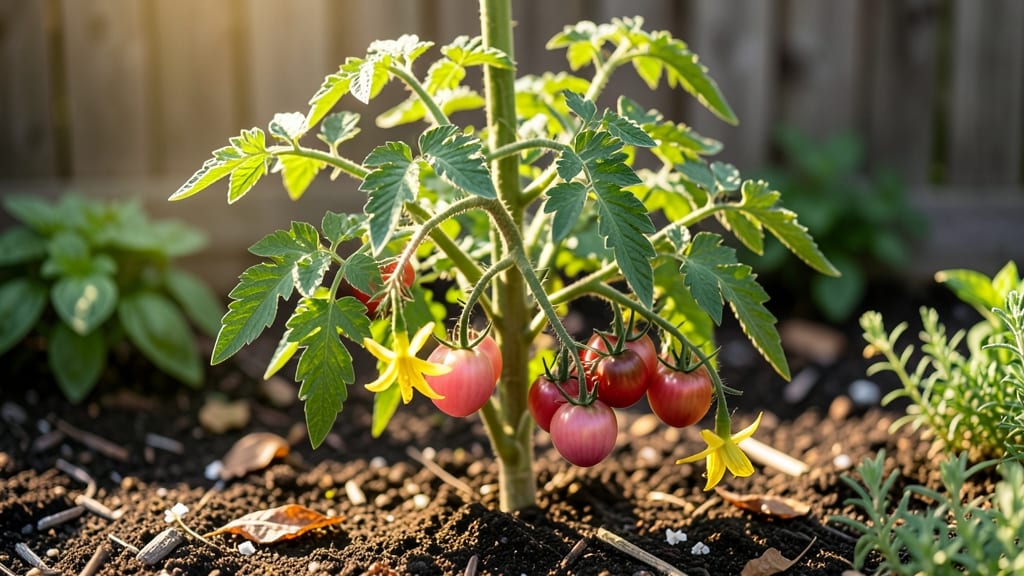
German Pink tomatoes are the striped superstars of your container garden—sweet, meaty, and impossible to resist. 🌱 I grew mine in a 15-gallon pot last summer, and by August, we were eating fresh tomatoes daily straight from the patio.
The secret lies in their love for warmth, their compact growth habit, and the right balance of sun and water.
These heirlooms thrive in full sun (6-8 hours daily) and well-draining soil with a pH between 6.0 and 6.8. Start seeds indoors 8-10 weeks before your last frost, or buy sturdy transplants from a reputable grower.
German Pinks stay under 4 feet tall, making them perfect for containers, trellises, or even balcony gardens. Just ensure your pot has drainage holes—root rot is their only weakness.
Harvest begins around 70-80 days after transplanting, and the flavor? Rich, tangy, and slightly smoky with just a hint of spice. Prune suckers regularly to focus energy on fruit production, and watch for common tomato pests like hornworms or aphids.
A simple neem oil spray keeps them at bay without harsh chemicals.
Whether you're in USDA zones 4-10, these tomatoes adapt beautifully. In cooler climates, extend the season with row covers or grow them in black pots to absorb more heat. By late summer, you'll have a steady supply of striped beauties that outshine store-bought tomatoes in every way.
📚 In This Guide
- What you need
- Instructions
- Tips and common mistakes
- Wrapping up and next steps
What you need
- ● German Pink tomato seeds – 3–5 seeds per container (or 1–2 per cell in seed trays). Look for Solanum lycopersicum varieties labeled "German Pink" or "Striped Pink."
- ● Growing containers – 5-gallon pots or larger (minimum 12" diameter) with drainage holes. Fabric grow bags (7+ gallons) work great too!
- ● High-quality potting mix – A sterile, well-draining blend (e.g., 60% peat/coir + 30% perlite + 10% compost). Avoid garden soil—it compacts and holds too much moisture.
- ● Tomato cages or stakes – 6–8 ft tall (German Pinks can grow 5–7 ft!). Opt for galvanized metal stakes or heavy-duty cages (5–6 ft diameter).
- ● Balanced fertilizer – 10-10-10 or 5-10-10 (organic options like fish emulsion or worm castings work too). Start with 1 tbsp per plant at transplanting.
- ● Mulch – Straw or shredded leaves (2–3 inches thick) to retain moisture and suppress weeds.
- ● Hand trowel or small shovel – For transplanting seedlings.
- ● Watering can or hose with gentle spray nozzle – German Pinks hate soggy roots, so water deeply but infrequently.
- ● Pruning shears – To pinch suckers (side shoots) and shape the plant.
- ● pH test kit – Aim for 6.0–6.8. Tomatoes thrive in slightly acidic soil.
- ● Sunlight access – 6+ hours of direct sun daily. A south-facing window or grow lights work for indoors.
- ○ Optional but helpful: 🌡️ Heat mat – Speeds up germination if starting indoors in cool climates.
- ● 💡 Grow lights – 12–16 hours/day for seedlings (LED or fluorescent).
- ● 🐝 Pollination aid – A small paintbrush or hand-held fan (if bees are scarce).
- ● 🧴 Compost tea or mycorrhizal fungi – Boosts root health and disease resistance.
Step-by-step instructions for growing German Pink tomatoes in containers
Here's my foolproof method for growing these stunning striped beauties—packed with flavor and perfect for small spaces.
🌱 Step 1: Choose the Right Container and Soil Mix
German Pink tomatoes need a 5-gallon container minimum—they're vigorous and need room for roots. I use fabric grow bags because they breathe and prevent root circling. Fill the bottom third with high-quality potting mix (never garden soil—it compacts and causes rot). The top two-thirds should be a blend of 50% potting mix and 50% compost for nutrients.
This mix ensures drainage while holding moisture—critical for tomatoes. Tap the container gently after filling to settle the soil without compacting it. The surface should feel firm but still crumbly when squeezed. Here's the thing: if your mix feels like wet sand, you've packed it too much. Tomatoes hate soggy roots.
☀️ Step 2: Plant and Provide Immediate Support
Plant your German Pink seedling deeper than the root ball—up to the first set of true leaves. This encourages stronger root growth. I always install a 6-foot tomato cage at planting time (yes, it looks big, but trust me). Bury the bottom 6 inches of the cage in the soil to anchor it.
Water deeply right after planting to settle the soil around roots. The cage prevents leaning as the plant grows heavy with fruit. German Pinks develop long vines, so this support is non-negotiable. You'll see the first flowers appear in 6-8 weeks—that's your signal the plant is established.
💧 Step 3: Water and Fertilize for Maximum Production
Water when the top 2 inches of soil feel dry—this prevents blossom-end rot. I use a drip irrigation system or water at the base early in the morning. German Pinks need 1-2 inches of water weekly, but adjust for heat waves. The key is consistency: let the soil dry slightly between waterings.
Feed every 2-3 weeks with a balanced tomato fertilizer (10-10-10 or 5-5-5). I mix it into the top inch of soil rather than liquid feeding—this prevents leaf burn. You'll notice darker green leaves and more flowers within two weeks of starting fertilizer. Real talk: skipping this step means fewer striped beauties on your plate.
✂️ Step 4: Prune and Train for Bigger Fruit
Remove suckers (the small shoots between main stems and branches) weekly. German Pinks benefit from open-pruning—this directs energy to fruit rather than foliage. Pinch off any flowers that appear before the plant has 5-6 leaves to encourage stronger growth first.
Train vines along the cage by gently tying them with soft plant ties every 2-3 weeks. The goal is to keep the plant vertical—this prevents disease and makes harvesting easier. You'll see the first striped fruits appear around 70-80 days after planting. Here's where it gets fun: the more you prune, the larger each tomato grows.
🌿 Step 5: Harvest and Extend the Season
Pick tomatoes when they're fully colored with pink stripes—they won't ripen further off the vine. Use pruning shears to avoid damaging the stem. German Pinks taste best when harvested in the morning after the dew has dried. Store them at room temperature for 3-5 days or refrigerate for up to 2 weeks.
To extend the season, I cover plants with frost blankets when nights dip below 50°F. You can also replant seeds indoors 8 weeks before last frost for a second crop. The striped pattern deepens as they ripen—wait for that full color before eating. Trust me, the flavor is worth the wait.
Tips & tricks for perfect German Pink tomato growth in containers
These simple strategies will help you coax the most vibrant stripes and juiciest fruits from your container-grown German Pinks.
Container Size Matters: That 5-gallon minimum isn't just a suggestion—it's a must for these vigorous plants. I've learned the hard way that smaller containers lead to stunted growth and fewer fruits. If you're using fabric grow bags, make sure they're at least 12 inches deep to accommodate root development. The extra space prevents root competition and gives your plant room to thrive.
Soil Texture is Everything: The 50-50 potting mix to compost blend is your secret weapon for drainage and moisture retention. To test your mix, grab a handful—it should crumble easily between your fingers without turning to dust. If it feels too dense, add more compost; if it feels like sand, mix in more potting soil. This balance prevents both waterlogging and drought stress, both of which can ruin your harvest.
Early Support Prevents Disasters: Don't wait until your plant is top-heavy to install that 6-foot cage. Burying 6 inches of it at planting time creates instant stability. I've seen German Pinks topple over when supported too late—once they're leaning, they rarely recover. The cage also prevents the vines from sprawling, which keeps fruits cleaner and makes harvesting easier. Think of it as insurance for your investment.
Pruning Pays Off: Those weekly sucker removals might seem tedious, but they're what transforms a bushy plant into a fruit-producing machine. Focus on removing suckers that appear in the leaf axils (where stems meet leaves). When you pinch off early flowers, you're telling the plant to focus on building strong stems first. The payoff comes when you're harvesting 12-ounce striped beauties instead of a dozen tiny tomatoes.
Pro Tips for German Pink Tomato
- These simple strategies will help you coax the most vibrant stripes and juiciest fruits from your container-grown German Pinks.
- Container Size Matters: That 5-gallon minimum isn't just a suggestion—it's a must for these vigorous plants.
- Soil Texture is Everything: The 50-50 potting mix to compost blend is your secret weapon for drainage and moisture retention.
Frequently asked questions
Got questions about growing or enjoying German Pink tomatoes? You’re not alone—these striped beauties spark curiosity! Here are answers to the most common queries to help you cultivate and savor them with confidence.
How long does it take for German Pink tomatoes to produce fruit?
German Pink tomatoes typically take 70–85 days from transplant to harvest, depending on your climate. In warm regions, expect ripe fruit by mid-summer, while cooler areas may need a longer season. Pro tip: Use black plastic mulch or row covers to speed up ripening!
Can I grow German Pink tomatoes in containers?
These tomatoes thrive in 5-gallon containers or larger with proper drainage. Ensure the pot has at least 12–18 inches of depth and use a lightweight potting mix. Bonus: Stake or cage them early to prevent sprawling.
What’s the best way to store harvested German Pink tomatoes?
Store them at room temperature (60–70°F) away from direct sunlight. Avoid refrigeration—they soften and lose flavor! For longer storage, freeze them whole or slice and blanch before freezing for sauces.
What can I do if my German Pink tomatoes crack?
Cracking often happens due to inconsistent watering or rapid growth. Keep soil evenly moist (not soggy) and mulch to retain moisture. Prune excess foliage to improve airflow, and harvest overripe tomatoes promptly.
Are German Pink tomatoes good for cooking?
Yes! Their sweet-tart flavor makes them perfect for salads, sauces, and even roasting. Their thick skin holds up well to heat, so they’re great for salsa or grilling. Try them in a caprese skewer for a showstopper dish!
Wrapping up and next steps
Growing German Pink tomatoes is a rewarding journey that brings vibrant color and delicious flavor to your garden—even in containers! 🌱 Their striking stripes and sweet-tart taste make them a standout for both beginners and seasoned gardeners.
Whether you’re drawn to their beauty or their bounty, these tomatoes prove that stunning and delicious can go hand in hand.
Ready to take the next step? Start small with a single plant this season, experiment with companion plants, and soon you’ll be sharing your striped harvest with friends—or even expanding your container garden! 🍅✨