
Vegetables
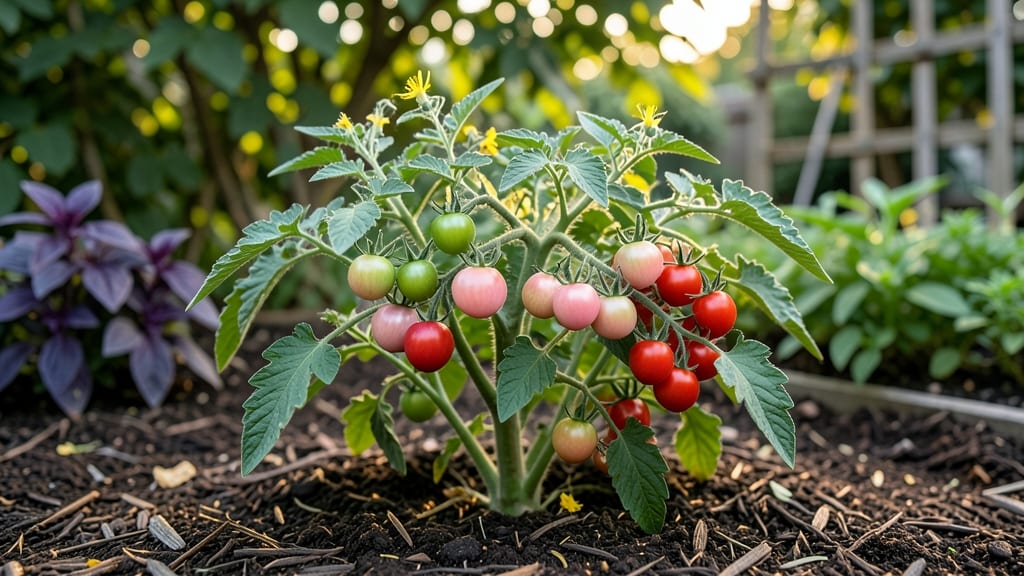
Growing pinky cherry tomatoes in pots means you'll have a vine full of stunning striped fruit by midsummer. 🌱 These little beauties are the perfect project for small spaces—they thrive in containers and produce more than you'd expect from such delicate-looking plants.
My first batch last year yielded enough for salads all season, and I didn't even have a yard to work with.
Start with a 5-gallon pot or larger, filled with well-draining potting mix that's rich in compost. Pinky cherries love warmth and need at least 6-8 hours of sunlight daily, so place your container where it gets plenty of sun.
The key to success is keeping the soil consistently moist but not soggy—these tomatoes hate wet feet. A simple drip irrigation system or watering can with a narrow spout works perfectly.
As the plants grow, they'll need support—use a cage or trellis to keep them upright and make harvesting easier. Prune regularly to encourage more fruit production, and feed with a balanced fertilizer every 2-3 weeks once flowers appear.
The first harvest will arrive in about 60 days, and you'll be rewarded with clusters of sweet, striped tomatoes that taste like summer in every bite.
Even if you've struggled with tomatoes before, Pinky cherries are beginner-friendly—they're disease-resistant and produce well in containers. The only real trick is keeping up with the watering and giving them enough light. Once you master these, you'll be growing bushels of these striped beauties every season.
📚 In This Guide
- What you need
- Instructions
- Tips and common mistakes
- Wrapping up and next steps
What you need
- ● Container: A 5-gallon pot or larger (at least 12" deep) with drainage holes. Terracotta or fabric pots work best.
- ● Pinky Cherry Tomato Seeds or Seedlings: 2-3 plants per pot (choose disease-resistant varieties like 'Pinky' or 'Sweet 100').
- ● Potting Mix: A high-quality, well-draining mix (avoid garden soil—opt for a blend with perlite or coconut coir).
- ● Fertilizer: A balanced, slow-release fertilizer (10-10-10 or organic options like compost or worm castings).
- ● Support: A small tomato cage or stakes (3-4 ft tall) to keep plants upright as they grow.
- ● Mulch: Straw or shredded leaves to retain moisture and regulate soil temperature.
- ● Hand Trowel or Spade: For planting and soil prep.
- ● Watering Can or Hose: With a gentle spray nozzle to avoid disturbing soil.
- ● Pruning Shears: To trim suckers and encourage bushier growth.
- ○ pH Test Kit: (Optional) To ensure soil pH is 6.0-6.8 (ideal for tomatoes).
- ○ Shade Cloth: (Optional) For hot climates to protect young plants from scorching.
Step-by-step instructions for growing pinky cherry tomatoes in pots
Here's how I grow these sweet, striped beauties—packed with flavor and perfect for containers.
🌱 Step 1: Choose the Right Containers and Soil Mix
Pinky cherry tomatoes need 5-gallon containers minimum—they're vigorous and need room for roots. I use fabric grow bags with drainage holes because they prevent root circling and let excess water escape. Fill each pot with a mix of 60% potting soil, 30% compost, and 10% perlite for drainage. Avoid garden soil—it compacts and suffocates roots.
Moisten the mix before planting by adding water until it feels like a damp sponge. Press down lightly to remove air pockets, but don't compact it. The soil should crumble easily when you squeeze it—this ensures roots can push through without resistance. Here's the thing: if your mix feels gritty, add a handful of worm castings for extra nutrients these hungry plants will devour.
🌱 Step 2: Plant Seedlings at the Right Depth and Support
Plant your Pinky cherry tomato seedlings 1 inch deeper than their current pot level. This encourages strong root development. I bury the stem up to the first set of true leaves—it might look drastic, but you'll get a stockier plant that won't flop. Insert a 6-foot tomato cage or sturdy bamboo stake into the pot immediately after planting to prevent root disturbance later.
Space plants 18-24 inches apart in larger containers if growing multiple. Water deeply right after planting to settle the soil around roots. You'll know it's right when water runs out the drainage holes—this ensures no air pockets remain. Don't skip this step; dry pockets around roots = stunted growth.
☀️ Step 3: Provide Consistent Light and Water
Pinky cherry tomatoes need 6-8 hours of direct sun daily. A south-facing window works for one plant, but anything more needs a grow light positioned 6-12 inches away. I use a full-spectrum LED that stays on 14-16 hours daily—these plants are heavy feeders and need all the energy they can get.
Water when the top 1-2 inches of soil feel dry. Stick your finger in—if it comes out clean, it's time. I water at the base in the morning so leaves dry quickly, preventing fungal diseases. Real talk: overwatering is the #1 killer of container tomatoes. Let the topsoil dry slightly between waterings, even if it means wilting leaves—roots need air too.
🌿 Step 4: Prune and Train for Maximum Fruit
Once your plant reaches 12 inches tall, start pruning suckers—the little shoots that form in the leaf axils. Pinch these off with your fingers or clean shears. You want to keep just the main stem and strong branches. This might seem cruel, but it directs energy to fruit production instead of leaf growth.
When the plant hits the top of your cage, pinch off the growing tip. This stops vertical growth and encourages bushier development with more fruiting sites. Here's where it gets fun: watch how the plant responds. Within a week, you'll see new side shoots forming—these will produce your striped cherry tomatoes. I also tie main stems to the cage every 6 inches to prevent wind damage.
✂️ Step 5: Harvest and Extend the Season
Pinky cherry tomatoes are ready when they're 1-1.5 inches long and develop their signature pink stripes. They're sweetest when picked in the morning. I harvest every 2-3 days to encourage more production—these plants keep going until frost if cared for properly.
To extend the season, bring pots indoors or to a garage before the first frost. They'll keep producing under grow lights for weeks. When all danger of frost has passed, you can move them back outside. Just remember: these tomatoes are heat-lovers. If temps drop below 50°F, growth slows dramatically—so keep them warm if you want a long harvest window.
Tips & tricks for perfect pinky cherry tomato growth in pots
These container-growing secrets will help you coax the most flavor and productivity from your striped cherry tomatoes.
Container Size Matters: The 5-gallon minimum isn't just a suggestion—it's non-negotiable for these vigorous plants. I've seen Pinky cherry tomatoes struggle in 3-gallon pots, producing half the fruit with stunted growth. If you're growing multiple plants, opt for larger containers (7+ gallons) and space them 18-24 inches apart. This prevents root competition and gives each plant room to develop its strong root system.
Soil Science: That 60-30-10 mix (potting soil/compost/perlite) is your foundation, but here's the secret: pre-moisten it until it feels like a damp sponge before planting. This eliminates air pockets that can strangle roots. Pro tip: Add a handful of worm castings to your mix—these tomato-loving plants will devour the extra nutrients as they grow. The castings also improve soil structure, helping roots spread more efficiently.
Lighting Strategy: Those 6-8 hours of direct sun are essential, but here's what nobody tells you—consistency matters more than duration. If your plants get 6 hours of sun but it's inconsistent (like cloudy days), supplement with a grow light for 14-16 hours daily. I position mine 6-12 inches away and keep it running during the plant's natural daylight hours. This mimics summer conditions and prevents leggy growth. For best results, rotate your plants quarter-turn daily to ensure even light exposure.
Pruning Payoff: When you reach the 12-inch mark and start pruning suckers, you're not just tidying up—you're redirecting the plant's energy. Those little shoots in the leaf axils are energy vampires that steal resources from fruit production. Here's my trick: Use clean shears or your fingers to pinch them off at the base. Watch how the plant responds within a week—you'll see new side shoots forming that will produce your striped cherry tomatoes. This technique can double your yield if done consistently.
Pro Tips for Pinky Cherry Tomato
- These container-growing secrets will help you coax the most flavor and productivity from your striped cherry tomatoes.
- Container Size Matters: The 5-gallon minimum isn't just a suggestion—it's non-negotiable for these vigorous plants.
- Soil Science: That 60-30-10 mix (potting soil/compost/perlite) is your foundation, but here's the secret: pre-moisten it until it feels like a damp sponge before planting.
Frequently asked questions
Got questions about growing or enjoying pinky cherry tomatoes? You’re not alone! Here are some of the most common queries—plus quick answers to help you grow (and snack on) these striped gems with confidence.
How long does it take for pinky cherry tomatoes to grow from seed?
Pinky cherry tomatoes typically take 60–70 days to mature from seed, depending on your climate and growing conditions. Start seeds indoors 6–8 weeks before the last frost, then transplant seedlings outside after the soil warms. Patience pays off—these sweet little tomatoes are worth the wait!
Can I grow pinky cherry tomatoes in containers, or do they need a garden bed?
These compact plants thrive in containers as small as 5-gallon pots or hanging baskets. Just ensure the pot has drainage holes and use a high-quality potting mix. With proper sunlight (6–8 hours daily) and support (like a small cage or trellis), you’ll get a bountiful harvest—even on a balcony!
Why aren’t my pinky cherry tomatoes ripening, even though the fruit is growing?
If your tomatoes stay green or fail to ripen, it’s often due to cool temperatures, lack of sunlight, or overcrowding. Try moving pots to a sunnier spot, using a row cover for extra warmth, or pruning excess foliage to improve airflow. If frost is coming, harvest green tomatoes and ripen them indoors with a banana or apple nearby!
What’s the best way to eat pinky cherry tomatoes—raw, cooked, or something else?
These bite-sized beauties shine raw as a snack, skewered with mozzarella and basil, or tossed into salads. They also hold up well when lightly roasted (tossed in olive oil and salt) or blended into sauces for a sweet-tart twist. Pro tip: Their thin skins make them perfect for tomato water (yes, it’s a thing—blend, strain, and sip! ).
Are pinky cherry tomatoes more disease-prone than regular tomatoes?
Pinky cherry tomatoes are generally resistant to common diseases like early blight, but they can still suffer from fungal issues if overwatered or crowded. Space plants 18–24 inches apart, water at the base (not leaves), and avoid wetting foliage. Crop rotation and neem oil sprays can also help keep pests at bay.
Wrapping up and next steps
Growing pinky cherry tomatoes in pots isn’t just rewarding—it’s a burst of flavor and color that proves you don’t need a sprawling garden to enjoy fresh, homegrown produce. 🌱 From their striking striped appearance to their sweet, juicy taste, these little gems are perfect for balconies, patios, or even sunny windowsills.
With the right care, you’ll be harvesting pinky cherry tomato goodness in no time!
Ready to dive in? Start by gathering your supplies, then follow the steps to give your plants the love they deserve. Before you know it, you’ll be savoring the fruits of your labor—literally! Happy growing! 🍅✨