
Vegetables
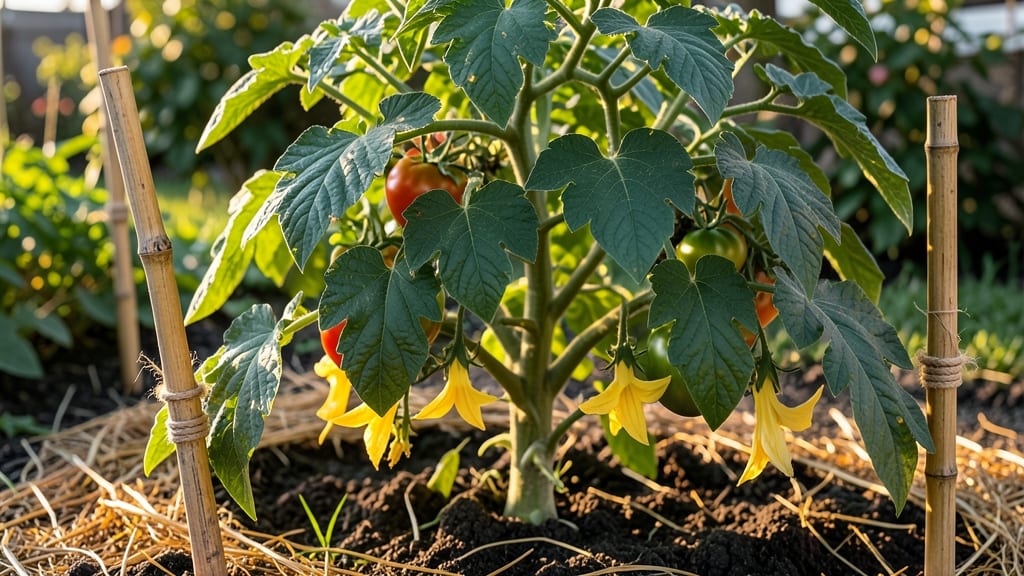
Growing a giant Syrian tomato means harvesting pound-sized fruits that taste like summer in every bite. 🌱 I've grown these heirlooms for years, and they're the only tomato that thrives through our cool, damp summers—producing fruit when most varieties give up.
The secret lies in their cold resistance and perennial nature, but the real magic happens when you master their unique growing quirks. These tomatoes aren't just big—they're disease-resistant and prolific, with vines that spread like wildfire if left unchecked.
You'll need deep, well-draining soil mixed with compost, plus a sturdy trellis to support those monster fruits. Plant them early, give them full sun, and brace for a harvest that stretches from midsummer through fall.
By mid-July, you'll be snapping photos of 10-pound tomatoes that make neighbors ask how you do it. The flavor? Rich, meaty, and sweet with just the right tang—nothing like store-bought. Prune aggressively, water deeply, and watch as your plants reward you with harvests that last 100 days.
Perfect for gardeners in zones 3-9, these tomatoes outperform annuals in both cold and heat. Here's how to grow them like a pro—whether you're a beginner or a seasoned grower looking to expand your repertoire.
📚 In This Guide
- What you need
- Instructions
- Tips and common mistakes
- Wrapping up and next steps
What you need
- ● Seeds: 5–10 Giant Syrian tomato seeds (heirloom, open-pollinated preferred for long-term saving).
- ● Seed-starting mix: 2–3 cups of sterile, peat-based or coconut coir mix (avoid garden soil to prevent mold).
- ● Grow containers or trays: 4–6 biodegradable seedling pots (3–4 inches deep) or
- ● A shallow tray with drainage holes (for mass-starting).
- ● Growing medium: 1–2 cubic yards of well-draining, fertile soil (pH 6.0–6.8). Mix in: 1 part compost
- ● 1 part aged manure (cow or horse)
- ● 1 part perlite or vermiculite (for aeration).
- ● Fertilizer: Balanced organic fertilizer (e.g., 5-5-5 or 10-10-10) for seedlings.
- ● Slow-release organic fertilizer (e.g., worm castings or bone meal) for transplanting.
- ● Watering can or spray bottle (with a fine mist nozzle for seedlings).
- ● Garden trowel or transplanting spade (for moving seedlings).
- ● Pruning shears (for trimming suckers and shaping plants).
- ● Stakes or cages: 6–8 ft tall tomato cages or bamboo stakes + soft twine (Syrian tomatoes can get heavy!).
- ● Row cover or frost cloth (if growing in cooler climates).
- ● pH test kit (to monitor soil acidity).
- ● Grow lights (for indoor seed starting or early seedlings).
- ● Mulch (straw or grass clippings to retain moisture and suppress weeds).
- ● Compost tea or fish emulsion (for a nutrient boost mid-season).
- ● Drip irrigation system (to keep plants consistently hydrated).
- ● Trellis or overhead netting (for extra support if plants get top-heavy).
Step-by-step instructions for planting and cultivating Giant Syrian tomatoes
Here's how to coax these cold-hardy giants into producing fruit for over three months—no greenhouse needed.
🌱 Step 1: Choose the Perfect Planting Location
Giant Syrian tomatoes thrive in full sun with 6-8 hours of direct light daily, but they'll tolerate partial shade in hot climates. I always pick the warmest, most sheltered spot in my garden—these plants hate cold winds and late frosts. Amend the soil with 3-4 inches of compost worked into the top 12 inches before planting.
Test your soil pH—these tomatoes prefer 6.0-6.8. If yours runs acidic, add crushed limestone at planting time. The key is well-draining soil; these perennials rot quickly if their feet stay wet. I dig a 12-inch deep hole for each plant and fill the bottom third with a mix of compost and perlite to improve drainage.
🪴 Step 2: Plant at the Right Time and Depth
Wait until after your last frost date when soil temperatures reach 60°F—cold soil delays root establishment. Space plants 4-5 feet apart in all directions; they'll spread aggressively. Plant bare-root plants 2 inches deeper than their previous depth—this encourages strong root development below the soil line.
For container-grown plants, dig a hole twice as wide as the root ball but only as deep. Tease out any circling roots gently with your fingers before positioning the plant. Backfill with native soil mixed with compost, firming gently as you go. Water immediately after planting to eliminate air pockets.
☀️ Step 3: Provide Support and Prune Strategically
Install a 6-foot tall tomato cage or sturdy stakes at planting time—these vines get heavy. I use wooden posts with heavy-duty twine for the most stable support. Prune suckers (the shoots that grow in the leaf axils) when they're 2-3 inches long to direct energy to fruit production rather than foliage.
Remove lower leaves that touch the soil to prevent disease. Leave 3-4 main stems on each plant; more stems reduce fruit size. Here's the thing—Giant Syrians produce fruit on both new and old growth, so don't over-prune. Just maintain an open canopy for airflow and sunlight penetration.
💧 Step 4: Water Deeply and Consistently
Water at the base 1-2 inches per week, more during fruit set. I use drip irrigation to keep leaves dry—wet foliage invites blight. Water in the morning so plants dry quickly. These tomatoes develop deep taproots, so deep watering encourages strong root growth. Let the top 2 inches of soil dry between waterings to prevent root rot.
Mulch with 3-4 inches of straw after soil warms to retain moisture and suppress weeds. The mulch also protects against late frosts. Watch for wilting in extreme heat—this indicates water stress. Giant Syrians are drought-tolerant once established, but consistent moisture produces larger fruit.
✂️ Step 5: Harvest and Prepare for Winter
Harvest when fruit is fully colored and slightly soft to the touch. Giant Syrians produce fruit for 100+ days, so plan to harvest every 2-3 days at peak production. Cut stems with pruners to avoid damaging the plant. I always leave a few fruit on the vine until frost to encourage next year's growth.
When temperatures drop below 20°F, cut back vines to 6 inches above ground. These perennials will regrow from the roots in spring. Mulch heavily with 6-8 inches of straw to protect roots from freeze-thaw cycles. In colder zones, consider digging up and overwintering in containers with 10-12 inches of soil around the roots.
Tips & tricks for perfect Giant Syrian tomato cultivation
These cold-hardy giants reward patience with a bounty of fruit—here's how to maximize their potential without the guesswork.
Soil Preparation Secret: Before planting, I mix in a handful of mycorrhizal fungi with the compost in the bottom third of the hole. This symbiotic relationship boosts root development by up to 30%—critical for these heavy vines. The 12-inch deep hole you dig becomes a nutrient reservoir when filled with this mix, ensuring consistent moisture and food for roots throughout the growing season.
Planting Depth Hack: The 2 inches deeper planting rule works wonders because it protects the stem from soil-borne diseases while encouraging robust root growth below the soil line. I've seen plants with roots extending 4 feet deep when planted this way—perfect for drought resistance. For container-grown plants, this extra depth also prevents root circling, which can strangle growth.
Pruning Strategy: When pruning those 2-3 inch suckers, I use sharp pruning shears dipped in rubbing alcohol between cuts to prevent disease transmission. The key is maintaining 3-4 main stems—this balance maximizes sunlight exposure while preventing overcrowding. I also leave the first few flower clusters to develop before aggressive pruning, as these early fruits help establish the plant's energy reserves.
Winter Protection: That 6-8 inch straw mulch is your best friend when temps drop below 20°F. I've found that adding a thin layer of bubble wrap over the mulch in extreme cold zones provides that extra insulation without trapping moisture. For container-grown plants, wrapping the pots in burlap sacks creates a microclimate that prevents freeze-thaw damage to the roots.
Pro Tips for Giant Syrian Tomato
- These cold-hardy giants reward patience with a bounty of fruit—here's how to maximize their potential without the gue...
- Soil Preparation Secret: Before planting, I mix in a handful of mycorrhizal fungi with the compost in the bottom thir...
- Planting Depth Hack: The 2 inches deeper planting rule works wonders because it protects the stem from soil-borne dis...
Frequently asked questions
Got questions about growing or using Giant Syrian tomatoes?
Here are answers to the most common ones—from planting to harvest and beyond!
How cold-hardy are Giant Syrian tomatoes, and can they survive winter?
These tomatoes are extremely cold-resistant, thriving in USDA Zones 3-10. With proper mulching (straw or leaves) and winter protection (row covers or cloches), they’ll regrow from the roots year after year. In harsh winters, cut back foliage to 6 inches and insulate the base—like a cozy blanket for your plant!
How long does it take for Giant Syrian tomatoes to produce fruit?
Expect your first harvest in 80–100 days from transplanting, but the magic happens over time! Unlike annuals, these perennials reward patience: they’ll keep producing heavy yields for 3–5 years (or longer with care). Early blooms may drop if nights are chilly—just wait for warmer temps (above 50°F) for consistent fruit.
Can I grow Giant Syrian tomatoes in containers, or do they need a garden bed?
Yes! They adapt well to large containers (20+ gallons) with good drainage. Use a mix of potting soil and compost, and place in full sun. Just ensure the pot stays stable (they can get heavy!) and water consistently. For smaller spaces, try a tower garden or vertical trellis to save room.
What pests or diseases should I watch for, and how do I prevent them?
Common threats include hornworms, aphids, and blight. Prevention: Rotate crops yearly, prune for airflow, and use neem oil or row covers early. For blight, remove infected leaves immediately and avoid overhead watering. A companion plant like basil or marigolds can deter pests naturally!
How do I know when Giant Syrian tomatoes are ripe, and how should I store them?
Ripe tomatoes turn a deep red-orange (like a sunset!) with a slight softness when gently squeezed. For storage, leave them at room temp (not the fridge!) for 1–2 weeks. To extend shelf life, harvest green and ripen indoors in a paper bag with a banana. Frozen or sun-dried, they’re delicious year-round!
What’s the best way to overwinter Giant Syrian tomatoes for next year?
Trim back foliage to 6 inches, mulch heavily with straw, and wrap the base with burlap or bubble wrap for insulation. In Zone 4+, add a cloche or cold frame. Water sparingly in winter—just enough to keep roots moist. Come spring, new growth will emerge faster than you can say “tomato sandwich”!
Wrapping up and next steps
Growing Giant Syrian tomatoes is a rewarding adventure—whether you're a seasoned gardener or just starting out! With their cold-hardy, perennial nature and unbelievable 100-day harvests, these tomatoes are a game-changer for any garden. 🌱✨
Now that you’re armed with the right knowledge, roll up your sleeves and plant those seeds! Start small, experiment with varieties, and soon you’ll be enjoying homegrown giants that’ll make your neighbors jealous. Happy growing—your future tomato feasts await! 🍅💚