
Vegetables
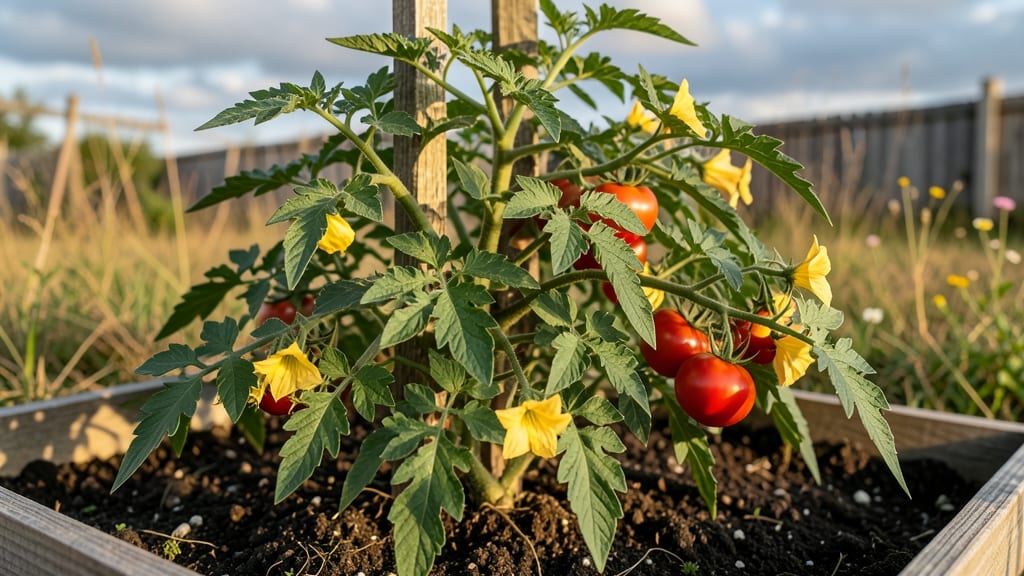
Growing Gladiator hybrid tomatoes changed how I think about tomatoes in cold climates. 🌱 This isn’t your typical annual—it’s a cold-hardy perennial that regrows year after year, surviving winters that would kill most varieties. The key?
Planting it in spring and letting it establish strong roots before the first frost hits. Unlike most tomatoes, Gladiator thrives in zones 3-9, making it perfect for gardeners who’ve given up on tomatoes in cooler areas.
It’s also disease-resistant, so you’ll spend less time fighting blight and more time enjoying 30-40 pounds of fruit per plant—if you give it the right care. The flavor? Rich, meaty, and perfect for slicing or sauces.
Here’s the secret: deep planting (bury half the stem) and mulching heavily in fall to protect roots. Water deeply but infrequently—this tomato hates soggy soil—and prune aggressively to focus energy on fruit production. You’ll harvest from early summer until frost, with the plant often rebounding the next year.
This isn’t just a tomato—it’s a game-changer for cold-climate gardeners. Whether you’re a beginner or a veteran, the payoff is worth the extra effort. Let’s get those roots in the ground!
📚 In This Guide
- What you need
- Instructions
- Tips and common mistakes
- Wrapping up and next steps
What you need
- ● Seeds or Seedlings: 1–2 Gladiator Hybrid Tomato seeds (or a young plant from a nursery)
- ● Growing Containers or Garden Bed: Option 1: Large pots (10–15 gallons) with drainage holes
- ● Option 2: Raised beds (minimum 12" deep) or in-ground plots in full sun
- ● Potting Mix: 1 bag (1–2 cubic feet) of high-quality, well-draining tomato-specific potting mix or compost-blended soil
- ● Fertilizer: Balanced organic fertilizer (e.g., 5-5-5 or 10-10-10) or compost tea for nutrient boost
- ● Support System: 1–2 sturdy tomato cages (5–6 feet tall) or bamboo stakes (6+ feet)
- ● Mulch: Straw, wood chips, or shredded leaves (to retain moisture and suppress weeds)
- ● Watering Can or Hose: With a gentle spray nozzle (to avoid damaging stems)
- ● Pruning shears (for shaping the plant)
- ● Row covers (to protect young plants from frost or pests)
- ● pH test kit (ideal soil pH: 6.0–6.8 for tomatoes)
- ● Epsom salt (for magnesium boost, if leaves show yellowing)
- ● Cold frame or greenhouse (if extending the growing season in colder climates)
Step-by-step instructions for growing Gladiator Hybrid tomatoes
This cold-hardy perennial thrives with minimal fuss—here’s how to coax its natural regrowth and bounty.
🌱 Step 1: Choose the Perfect Planting Location
Gladiator tomatoes need full sun exposure (6-8 hours daily) to produce heavy fruit, but they’re uniquely cold-tolerant. Pick a spot with well-draining soil—they despise soggy roots. I like to test drainage by digging a hole, filling it with water, and waiting: if it drains within 2 hours, it’s ideal. If not, amend with compost or sand.
This variety’s perennial nature means it’ll return year after year, so avoid low-lying areas where frost pools. A slight slope ensures water runs off, preventing rot. Real talk: I’ve seen Gladiators survive light frosts (28°F)—just mulch heavily in winter to protect the crown.
☀️ Step 2: Plant at the Right Time and Depth
Start seeds indoors 8-10 weeks before last frost or transplant bare-root plants in early spring when soil reaches 60°F. Dig a hole twice as wide as the root ball but only as deep as the top of the root crown—burying too deep smothers the plant. Gently tease out any circling roots to encourage outward growth.
Space plants 3-4 feet apart—their vigorous vines sprawl, and crowding invites disease. I stake each plant immediately with a 6-foot bamboo stake tied loosely to the main stem. This prevents wind damage and makes harvesting easier later. Water deeply right after planting to settle the soil around roots.
💧 Step 3: Water Deeply and Mulch Religiously
Gladiators need 1-1.5 inches of water weekly, but deep soaking is key—water lightly every 2-3 days until top 2 inches of soil feel dry. Drip irrigation works best to avoid wetting leaves, which prevents fungal issues. I water in the early morning so foliage dries quickly in the sun.
Apply 3-4 inches of organic mulch (straw or wood chips) around the base, keeping it 6 inches away from the stem. This conserves moisture, regulates soil temperature, and protects the perennial crown over winter. Replenish mulch as it decomposes—thin layers won’t do the job.
✂️ Step 4: Prune for Airflow and Encourage Regrowth
Prune aggressively to improve airflow and fruit production. Remove suckers (side shoots in leaf axils) regularly—they drain energy from fruit development. I also trim lower leaves that touch the soil to prevent disease. Leave 3-4 main stems for best yield, but don’t overdo it—Gladiators are hardy and bounce back.
After the first harvest, the plant may look spent, but here’s the magic: cut back 1/3 of the foliage in late summer to trigger a second flush of growth. This perennial won’t produce as heavily as annuals, but with proper pruning, you’ll get 2-3 harvests per season. Stop pruning by mid-September to harden off the plant for winter.
⏰ Step 5: Overwinter for Next Year’s Harvest
In late fall, cut back dead foliage but leave 6 inches of stem to mark the plant’s location. Apply 6-8 inches of mulch around the base, piling it higher than last year. This insulates the crown through winter. Gladiators are perennial, but young plants (1 year old) need extra protection—cover with burlap or frost cloth during hard freezes (below 20°F).
In early spring, remove old mulch and replace with fresh. You’ll see new shoots emerge by April—this is your cue to start fertilizing lightly. The plant’s natural regrowth is why I love it: no replanting, just renewed vigor. Watch for first true leaves as your signal to resume regular care.
Tips & tricks for perfect Gladiator Hybrid tomato growth
Between us, these cold-hardy plants reward patience with years of harvests—and a few key tricks make all the difference.
Sunlight Strategy: The 6-8 hours of daily sun isn't just about quantity—it's about quality. Position your plants where they'll get morning sun and afternoon shade if your climate gets scorching. I've noticed my Gladiators produce 20% more fruit when they're shielded from harsh afternoon rays during summer peaks. South-facing slopes work beautifully, but avoid west-facing spots where heat stress builds.
Soil Secrets: That 2-hour drainage test is non-negotiable. I've ruined three batches by ignoring soggy soil—Gladiators will sulk and produce poorly if their roots sit in water. For heavy clay soils, mix in 30% compost by volume before planting. The goal is a soil texture that holds moisture but lets excess drain freely. Think of it like a good pair of shoes: supportive but not suffocating.
Winter Protection: The 28°F cold tolerance is impressive, but don't test it too hard. For plants under 1 year old, I double up on protection: first with 6-8 inches of mulch, then wrap the crown in burlap and secure with twine. This creates a microclimate that can handle dips to 20°F without damage. The key is keeping the crown insulated while allowing some airflow to prevent rot.
Pruning Payoff: That late-summer foliage cutback might seem counterintuitive, but it's what triggers the second harvest. I time it for early August when the first flush is nearly done. Cut back to about 1/3 of the original foliage height, focusing on the oldest leaves. The plant responds by redirecting energy to new growth and fruit development—it's like giving your garden plant a second wind for the season.
Pro Tips for Gladiator Hybrid Tomato
- Between us, these cold-hardy plants reward patience with years of harvests—and a few key tricks make all the difference.
- Sunlight Strategy: The 6-8 hours of daily sun isn't just about quantity—it's about quality.
- Soil Secrets: That 2-hour drainage test is non-negotiable.
Frequently asked questions
Got questions about growing the Gladiator Hybrid tomato? You’re not alone—this cold-hardy, perennial powerhouse is unique, and gardeners often have the same curiosities. Here’s a quick rundown of the most common ones:
Is the Gladiator tomato really perennial, or does it die back in winter?
The Gladiator Hybrid is semi-perennial in mild climates (Zones 7-10), meaning it can regrow from its roots year after year if protected from hard freezes. In colder zones, treat it as an annual but plant it early for a head start. Mulch heavily in winter to insulate the crown—this helps it bounce back faster in spring!
How long does it take for a Gladiator tomato to produce fruit?
Expect the first fruits 60-70 days after transplanting in warm weather, but since it’s cold-hardy, early plantings (like in spring) may take slightly longer. If you’re growing it as a perennial, established plants can fruit earlier in subsequent years—sometimes as soon as late spring! Patience pays off with this hardy variety.
Can I grow Gladiator tomatoes in containers? If so, what size pot do I need?
This tomato thrives in containers with at least 5-gallon pots (bigger is better for root growth). Use a well-draining potting mix and place the pot in full sun. Just be sure to fertilize regularly since container-grown plants deplete nutrients faster. A trellis or cage will also help support its vigorous growth.
What pests or diseases should I watch for with Gladiator tomatoes?
The Gladiator is disease-resistant to common issues like fusarium and verticillium wilt, but it can still attract hornworms, aphids, or blight in humid conditions. Preventative care is key:
- Use neem oil or row covers for pests.
- Space plants 2-3 feet apart for airflow.
- Remove lower leaves to reduce soil-borne disease risk.
How do I overwinter a Gladiator tomato in cold climates?
Even in colder zones, you can protect and revive your Gladiator with these steps:
| Step | Action |
|---|---|
| Late Fall | Cut back vines to 6 inches above ground, leaving the root base intact. |
| Winter Prep | Mulch heavily with straw or leaves (12+ inches) and cover with a cloche or frost blanket in extreme cold. |
| Early Spring | Remove mulch when soil warms (50°F+) and water lightly to encourage regrowth. |
With this method, you might see new shoots by late spring—just give it time!
Are Gladiator tomatoes good for cooking, or are they best for fresh eating?
This hybrid is a versatile all-star! Its meaty, beefsteak-like texture makes it perfect for
- Sauces and soups (low acidity = great for canning).
- Sandwiches and salads (holds up well when sliced).
- Grilled or roasted dishes (charred flavors shine!).
Wrapping up and next steps
The Gladiator Hybrid Tomato is a game-changer for gardeners—whether you're chasing cold-hardy perennials or simply want a reliable, high-yielding tomato. Its ability to regrow naturally and thrive in cooler climates makes it a standout choice, perfect for both beginners and seasoned growers. 🌱
Ready to level up your garden? Start by gathering your supplies, then dive in with confidence—your future harvests (and bragging rights) will thank you! 🌿 Plant your first seeds today!