
Vegetables
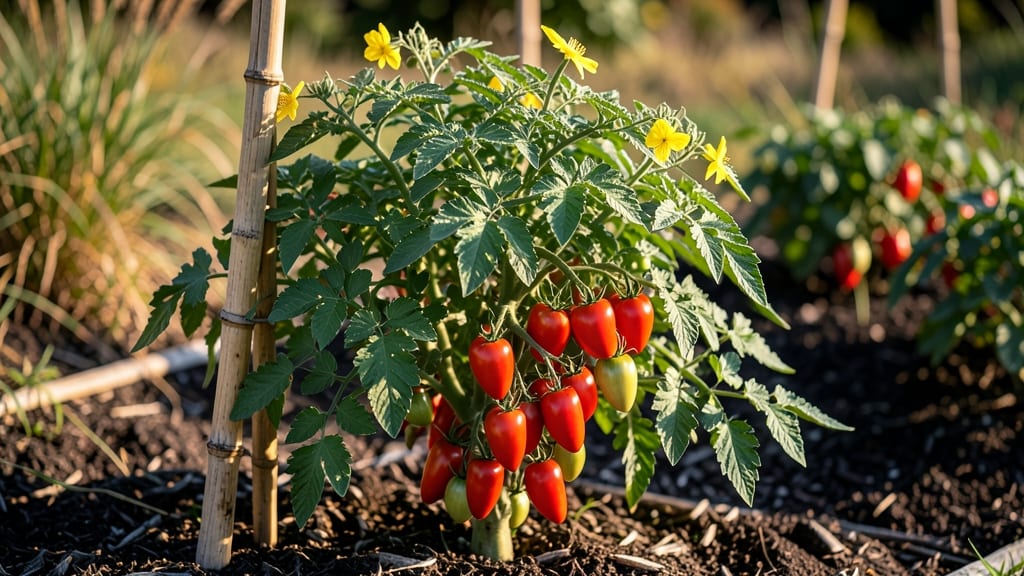
Growing Roman candle tomatoes means never saying goodbye to your plants—these cold-hardy perennials bounce back every spring. 🌱 I learned the hard way that their secret lies in the right balance of winter protection and spring warmth, and once you master it, you’ll have a tomato plant that keeps producing for years.
The key starts with well-draining soil rich in organic matter—think compost mixed into the top 12 inches. They thrive in full sun (6+ hours daily) but tolerate partial shade better than most tomatoes.
Water deeply once a week, letting the soil dry slightly between sessions to prevent root rot, which is their Achilles’ heel. By mid-summer, you’ll be harvesting clusters of small, sweet tomatoes that keep coming back.
The plants handle light frosts surprisingly well, and with proper pruning (removing suckers early), they stay compact and productive. Even in Zone 5, I’ve seen them regrow from the roots after winter.
For best results, mulch heavily in fall to protect roots, and avoid over-fertilizing with nitrogen—it encourages leafy growth over fruit. The payoff? A tomato plant that outlasts annuals and rewards patience with years of harvests.
📚 In This Guide
- What you need
- Instructions
- Tips and common mistakes
- Wrapping up and next steps
What you need
- ● Roman candle tomato seeds or plants: Choose a cold-hardy variety like Solanum lycopersicum var. 'Roman candle' (or heirloom seeds labeled for perennial growth). 1-2 plants per gardener is ideal for beginners.
- ● Well-draining potting mix: A blend of 60% peat moss/compost, 30% perlite or vermiculite, and 10% sand (or a pre-mixed "tomato mix" with added mycorrhizal fungi). 10-15 lbs per container.
- ● Containers or garden beds: Containers: 5-gallon fabric pots (or larger) with drainage holes. 1-2 per plant.
- ● Garden beds: Full sun (6+ hours/day) with loamy, slightly acidic soil (pH 6.0-6.8). Amend with compost if needed.
- ● Slow-release fertilizer: 10-10-10 or 5-5-5 organic fertilizer (e.g., fish emulsion, bone meal). 1 cup per plant mixed into soil at planting.
- ● Mulch: Straw or shredded leaves (2-3 inches thick) to retain moisture and regulate soil temp.
- ● Support system: Cage or trellis (4-5 ft tall) to train vines. 1 per plant.
- ● Hand trowel or transplanting spade for planting.
- ● Watering can or hose with gentle spray nozzle (avoid soaking leaves).
- ● Pruning shears (sterilized with rubbing alcohol) for trimming suckers.
- ○ Thermometer (optional) to monitor soil temps (ideal: 70-80°F).
- ○ Cold frame or row cover (optional) for overwintering in Zone 7+.
How to grow Roman Candle tomatoes as cold-hardy perennials
These hardy tomatoes thrive year after year—here's how to plant, protect, and harvest them for seasons to come.
🌱 Step 1: Choose the Right Location and Soil
Roman Candle tomatoes love full sun and well-draining soil. Pick a spot that gets at least 6-8 hours of sunlight daily, preferably with afternoon shade in hot climates. These plants are surprisingly cold-hardy, tolerating temperatures down to 20°F once established.
Amend your soil with 2-3 inches of compost before planting to improve drainage and fertility. Roman Candle tomatoes prefer slightly acidic soil with a pH between 6.0-6.8. If your soil is heavy clay, mix in sand or perlite to prevent waterlogging, which can cause root rot.
🌿 Step 2: Plant in Early Spring or Fall
Plant your Roman Candle tomatoes in early spring, about 2-3 weeks before your last frost date, or in late summer/fall for a second harvest. Dig a hole twice as wide as the root ball but only as deep as the container it came in. This prevents burying the stem too deeply, which can lead to disease.
Space plants 3-4 feet apart to allow for air circulation and room to grow. You'll see new growth emerge within 2-3 weeks if planted correctly. Water deeply right after planting to help roots establish quickly—aim for 1-2 inches of water per week, adjusting for rainfall.
☀️ Step 3: Provide Support and Prune for Productivity
Roman Candle tomatoes grow tall and bushy, often reaching 5-6 feet. Install a sturdy 5-foot tomato cage or trellis at planting time to support the vines. Gently tie stems to the support as they grow to prevent breakage from wind or fruit weight.
Prune regularly to encourage bushier growth and better air circulation. Remove suckers (the small shoots that form in the leaf axils) when they're about 2-3 inches long. This redirects energy to fruit production instead of excessive foliage. Watch for yellowing leaves—a sign of overwatering or disease—and trim affected areas immediately.
💧 Step 4: Water and Fertilize for Continuous Growth
Water at the base of the plant in the morning to keep foliage dry and reduce disease risk. Let the top 1-2 inches of soil dry out between waterings—overwatering is the fastest way to kill these hardy plants. Mulch with 2-3 inches of straw or wood chips to retain moisture and suppress weeds.
Fertilize lightly every 4-6 weeks with a balanced 10-10-10 or 5-5-5 formula. Too much nitrogen leads to leafy growth at the expense of fruit. You'll know you're doing it right when you see steady vine growth and abundant flowers throughout the season.
⏰ Step 5: Harvest and Overwinter for Next Year
Harvest tomatoes when they're fully colored and slightly soft to the touch—usually 60-70 days after flowering. Pick regularly to encourage more production. These tomatoes are prolific, so check plants every 2-3 days during peak season.
In fall, cut back the plant to 6-8 inches tall and mulch heavily with straw or leaves to protect roots from freezing. Roman Candle tomatoes are perennials, so they'll regrow from the same roots next spring. You'll see new shoots emerge in 3-4 weeks after the last frost, ready for another productive season.
Tips & tricks for growing cold-hardy Roman Candle tomatoes
These simple strategies will help your Roman Candle tomatoes thrive for years to come.
Sunlight Strategy: While 6-8 hours of sunlight is ideal, these tomatoes are surprisingly adaptable. If you notice leaves turning pale or stems stretching excessively, your plants might need more light. In hot climates, afternoon shade becomes crucial—without it, the plants can become stressed and produce fewer fruits. I've seen them handle partial shade surprisingly well, but fruit quality improves with that full sun exposure.
Soil Prep Secret: The 2-3 inches of compost recommendation is non-negotiable for these perennials. I learned this the hard way—skipping compost led to poor drainage and stunted growth. For heavy clay soil, mix in equal parts sand or perlite to create that perfect loose, well-draining texture. You'll notice healthier roots and better fruit production once you get this right.
Pruning Precision: When removing those 2-3 inch suckers, be surgical about it. Use clean pruners and make cuts at a 45-degree angle just above a leaf node. This prevents disease entry points while encouraging bushier growth. I've found that pruning every 2-3 weeks keeps the plants productive and prevents overcrowding that can lead to disease.
Winter Survival Tip: That 6-8 inch winter pruning is your secret weapon for next year's growth. Don't be tempted to cut back more—you need enough foliage to protect the crown from freezing. I've seen plants that were cut back too aggressively struggle to regrow in spring. The heavy mulching with straw or leaves is equally important—it acts like a blanket, insulating roots down to 20°F.
Pro Tips for Roman Candle Tomato
- These simple strategies will help your Roman Candle tomatoes thrive for years to come.
- Sunlight Strategy: While 6-8 hours of sunlight is ideal, these tomatoes are surprisingly adaptable.
- Soil Prep Secret: The 2-3 inches of compost recommendation is non-negotiable for these perennials.
Frequently asked questions
Got questions about growing Roman Candle tomatoes?
You’re not alone! Here are answers to the most common queries—from planting tips to troubleshooting—so you can grow these cold-hardy, regrowing beauties with confidence.
How cold can Roman Candle tomatoes tolerate?
These tomatoes are seriously cold-hardy! They can survive light frosts down to 15–20°F (-9 to -7°C) and often regrow from the roots after winter. In mild climates (Zones 7–10), they may even grow year-round. Just mulch heavily in winter to protect the crown.
When is the best time to plant Roman Candle tomatoes?
For spring planting, wait until soil temps hit 60°F (15°C)—they hate cold, wet soil. In warm climates, you can plant year-round, but avoid extreme heat (above 90°F/32°C). Pro tip: If growing as a perennial, plant in early spring to establish roots before summer heat.
Do Roman Candle tomatoes need pruning?
Unlike determinate tomatoes, these don’t need heavy pruning—they’re bushy and productive as-is! Lightly trim suckers (side shoots) to improve airflow and fruit size, but avoid over-pruning. Focus on removing yellow leaves or diseased foliage.
What’s the difference between Roman Candle and other heirloom tomatoes?
Roman Candles are perennial (regrow yearly), cold-hardy, and disease-resistant—unlike most annual heirlooms. Their long, slender fruits (3–6 inches) are sweeter and more flavorful, with a romantic vine habit. Plus, they’re self-pollinating, so no hand-pollinating needed!
Why aren’t my Roman Candle tomatoes fruiting?
Common culprits: too much shade, overwatering (root rot), or nutrient deficiencies (especially phosphorus). Ensure full sun (6+ hours), well-draining soil, and a balanced fertilizer (like 5-10-10). Check for pests too—aphids or whiteflies can stress plants. If young, they may need time to mature (up to 2 years for full production).
Wrapping up and next steps
Growing Roman candle tomatoes is a rewarding journey that blends resilience with delicious results—perfect for gardeners eager to try something unique! 🌱 These cold-hardy perennials thrive with minimal fuss, offering fresh, tangy tomatoes season after season.
Whether you're a beginner or a seasoned gardener, their natural regrowth and adaptability make them a standout choice for any plot.
Ready to dive in? Start by gathering your supplies and choosing the perfect spot in your garden. Plant your first seeds or seedlings this spring and enjoy the satisfaction of harvesting homegrown tomatoes that keep coming back—year after year!