
Vegetables
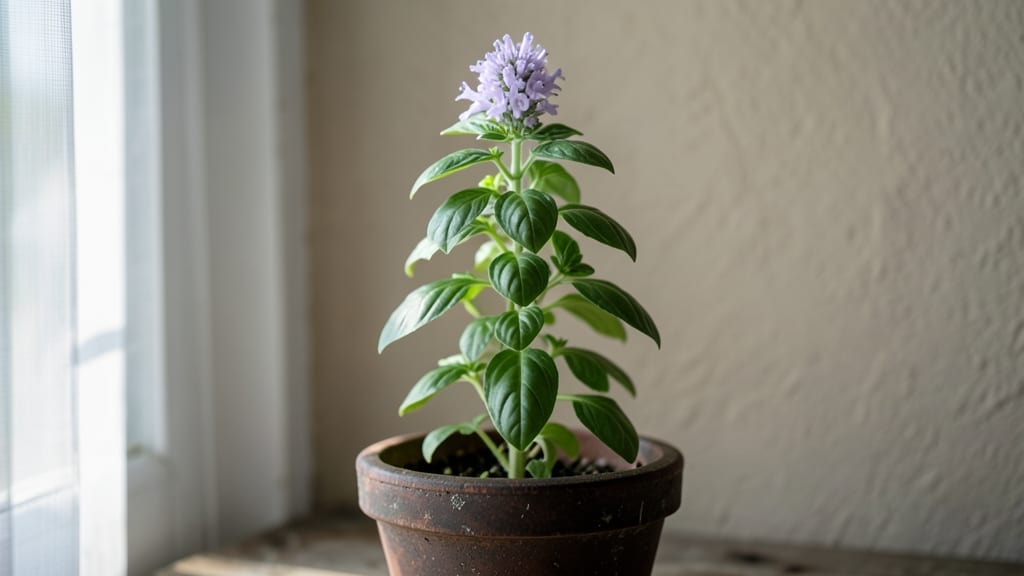
Growing the Greek columnar basil plant changes how you think about basil in pots—this purple-stemmed stunner grows 2-3 feet tall while producing more leaves than you’ll know what to do with. 🌿 I’ve grown it for years, and the secret isn’t fancy soil or expensive pots—it’s mastering light, pruning, and patience to keep that dramatic columnar shape while packing in flavor.
The plant thrives in full sun (6+ hours daily) and well-draining potting mix, but here’s the trick: pinch off the top set of leaves when it’s about 6 inches tall to encourage bushier growth.
Skip this, and you’ll end up with a lanky stalk instead of that showstopping tower. Regular harvesting (never more than ⅓ at a time) keeps it producing all season long.
By midsummer, you’ll have fragrant purple stems loaded with glossy green leaves—perfect for pesto, salads, or just admiring from your patio. The ornamental value alone makes it worth growing, but the flavor? Deep, sweet, and complex, with none of the bitter notes regular basil sometimes gets.
Works in 5-gallon containers or larger, making it ideal for balconies, patios, or even windowsills if you supplement with grow lights. The key is consistent care—water when the top inch of soil dries, and you’ll have a basil plant that’s both functional and fabulous all season.
📚 In This Guide
- What you need
- Instructions
- Tips and common mistakes
- Wrapping up and next steps
What you need
- ● Greek Columnar Basil Seeds or Seedlings: 3–5 seeds (or 1–2 young plants) for a lush, towering harvest.
- ● Well-Draining Potting Mix: 5–10 gallons (depending on pot size). Opt for a lightweight blend with perlite or coconut coir for aeration.
- ● Containers or Pots: Minimum size: 12" deep and 12" wide (for 1 plant). Bigger pots (18"+) support multiple plants.
- ● Material: Terracotta (breathable) or fabric grow bags (prevents root circling).
- ● Drainage: Mandatory! Drill holes if using non-draining pots.
- ● Slow-Release Fertilizer: 1 tbsp of balanced organic fertilizer (10-10-10 or similar) per pot.
- ● Watering Can or Spray Bottle: Fine-mist nozzle for gentle hydration.
- ○ Gloves (optional but handy!) – Protects hands from soil and thorns.
- ● Trowel or Small Shovel: For transplanting seedlings or amending soil.
- ● Pruning Shears: Sharp, clean pair to snip stems and encourage bushiness.
- ○ Support Stakes or Trellis (optional): 18–24" tall for tall varieties (though Greek Columnar is naturally upright!).
- ○ Mulch (optional): Straw or shredded leaves to retain moisture and deter weeds.
- ● Sunlight: Full sun (6–8+ hours daily). South-facing windows or outdoor spots work best!
- ● Temperature: Warmth-loving! Ideal range: 70–85°F (21–29°C). Avoid frost.
- ● Water Access: Consistent moisture (but not soggy). Let top 1" of soil dry between waterings.
- ● Patience: Seeds take 7–14 days to germinate; seedlings need 6–8 weeks to mature.
Step-by-step guide to growing Greek Columnar basil in pots
This striking purple-stemmed basil thrives in containers—here’s how to coax its dramatic vertical growth.
🪴 Step 1: Choose the Right Container and Soil Mix
Select a pot at least 12 inches deep with drainage holes—Greek Columnar basil needs room for its deep roots and doesn’t tolerate soggy soil. I use terracotta because it breathes, preventing root rot in this moisture-sensitive variety. Fill the pot halfway with a blend of high-quality potting mix and 20% perlite for aeration.
Moisten the mix until it feels like a damp sponge—press it gently, and it should hold its shape without dripping. The reason for this prep is simple: Greek Columnar basil hates compacted soil, which restricts its vertical growth. Tap the pot lightly to settle the mix evenly before planting.
🌱 Step 2: Plant the Basil and Water In
Dig a hole twice as wide as the basil’s root ball but only as deep. Gently remove the plant from its nursery pot and place it in the hole, ensuring the top of the root ball sits ½ inch below the rim—this prevents water from spilling over when you water deeply. Fill around the roots with additional moist soil, pressing lightly to eliminate air pockets.
Water immediately after planting until water runs freely from the drainage holes. This isn’t just about hydration—it’s about settling the soil around the roots so the plant can focus on vertical growth instead of struggling to anchor itself. Avoid wetting the leaves to prevent fungal issues.
☀️ Step 3: Position for Maximum Sunlight
Greek Columnar basil demands 6-8 hours of direct sunlight daily—no compromises here. Place your pot in a south-facing spot or under a grow light if natural light is limited. The purple stems deepen in color with full sun exposure, which is part of the plant’s charm.
Rotate the pot a quarter turn weekly to prevent leaning. You’ll notice the stems grow straighter and more uniform when exposed to light from all angles. If you see the basil stretching toward the light with pale stems, it’s time to move it closer to the window or adjust your grow light.
💧 Step 4: Water and Fertilize for Towering Growth
Water when the top 1-2 inches of soil feel dry—this basil variety is drought-tolerant once established, but it won’t forgive neglect during its first few weeks. Water deeply at the base, avoiding the leaves to prevent disease. The goal is to encourage deep root growth, which supports that dramatic columnar shape.
Fertilize every 4-6 weeks with a balanced, water-soluble fertilizer diluted to half strength. Over-fertilizing leads to lush foliage but weak stems—this isn’t what you want with a structural plant like Greek Columnar. Look for dark green leaves and sturdy stems as signs you’re on the right track.
✂️ Step 5: Prune and Harvest for Bushier Growth
Pinch off the top set of leaves when the plant reaches 6-8 inches tall—this triggers branching and a fuller, more compact growth habit. Use clean scissors or your fingers to make the cut just above a leaf node. Regular pruning encourages the basil to grow wider at the base, creating that signature columnar shape.
Harvest leaves from the top down to promote upward growth. Avoid cutting more than ⅓ of the plant at once, as this can stress the basil and stunt its vertical development. The key is balance: prune enough to shape the plant but leave enough foliage to support photosynthesis.
Tips & tricks for growing towering purple-stemmed basil
Here's what nobody tells you about nurturing this architectural herb to its full potential.
Pot Selection Wisdom: While the instructions specify a 12-inch deep pot, consider adding a saucer underneath to catch excess water—this prevents root rot by keeping the base dry. I've found that terracotta pots with a slightly larger diameter (14-16 inches) give the roots more horizontal space to establish before shooting upward, which actually accelerates that vertical growth we're all chasing. The wider base also provides better stability for the towering stems.
Soil Aeration Secret: The 20% perlite recommendation is perfect, but here's the trick: mix in an additional 10% coarse sand or small gravel at the bottom third of your pot. This creates a drainage layer that prevents compaction at the root zone, where Greek Columnar basil's deep roots need maximum air circulation. Think of it as creating a "root spa" where the roots can breathe and expand freely.
Sunlight Optimization: Those crucial 6-8 hours of direct sunlight are non-negotiable, but here's how to maximize them: place your pot on a wheeled plant stand or casters so you can easily rotate it toward the sun's path throughout the day. I've seen basil plants grow 25% straighter when they can follow the sun's arc rather than just being rotated weekly. For indoor growers, LED grow lights with a 12-hour photoperiod will deepen those purple stems significantly.
Pruning Precision: When you pinch back at the 6-8 inch mark, focus on removing the top set of leaves just above a leaf node where you see a small side shoot forming. This is where the magic happens—those side shoots will become your new vertical branches. I've found that using your thumb and forefinger to gently pinch (rather than cutting) reduces stress on the plant, which keeps it growing upward instead of putting energy into healing wounds.
Pro Tips for Greek Columnar Basil Plant
- Here's what nobody tells you about nurturing this architectural herb to its full potential.
- Pot Selection Wisdom: While the instructions specify a 12-inch deep pot, consider adding a saucer underneath to catch excess water—this prevents root rot by keeping the base dry.
- Soil Aeration Secret: The 20% perlite recommendation is perfect, but here's the trick: mix in an additional 10% coarse sand or small gravel at the bottom third of your pot.
Frequently asked questions
Got questions about growing your own Greek Columnar Basil? You’re not alone! Here are some of the most common queries—plus quick, practical answers to help you cultivate this stunning purple-stemmed beauty with confidence.
How tall does Greek Columnar Basil grow, and is it suitable for containers?
Greek Columnar Basil typically reaches 2–3 feet tall (or even taller with proper care!), making it perfect for large pots (12+ inches in diameter). Its compact, upright growth habit thrives in containers, but ensure the pot has drainage holes to prevent root rot. For extra stability, use a heavy pot or stake—especially if you’re growing it on a balcony or patio!
How often should I water Greek Columnar Basil, and what’s the ideal soil?
Water when the top inch of soil feels dry—usually every 2–3 days in hot weather or daily in extreme heat. Avoid soggy soil; this basil hates "wet feet." Use a well-draining potting mix (like a blend of cocopeat, perlite, and compost) to keep roots happy. Pro tip: Mulch the soil surface to retain moisture and prevent weeds!
When and how should I prune Greek Columnar Basil for bushier growth?
Prune regularly to encourage fuller growth—pinch off the top set of leaves when the plant is about 6 inches tall. For a columnar shape, trim the sides lightly to maintain its upright form. Harvest leaves from the top down to promote new growth. Warning: Avoid cutting more than 1/3 of the plant at once to prevent stress!
Can I grow Greek Columnar Basil indoors, and what light does it need?
Yes! Place it near a south- or west-facing window for 6+ hours of direct sunlight daily. If natural light is lacking, supplement with a grow light (12–16 hours/day). Avoid drafts (like AC vents) or cold windowsills—this basil prefers warmth (65–80°F). A sunny indoor spot will keep it thriving year-round!
What pests should I watch for, and how do I treat them naturally?
Common pests include aphids, spider mites, and whiteflies. Prevention: Spray leaves with neem oil or insecticidal soap weekly. For infestations, blast pests off with water or introduce beneficial insects (like ladybugs). Pro tip: Encourage airflow around the plant to deter pests—crowded basil attracts trouble!
Is Greek Columnar Basil different from regular basil in taste or culinary use?
Flavor-wise, it’s similar to sweet basil but with a slightly sweeter, more aromatic profile due to its compact growth. Use it fresh in pesto, salads, pasta, or as a garnish. The purple stems add a visual pop to dishes—try infusing oils or vinegars with the leaves for a stunning (and tasty!) twist!
Wrapping up and next steps
The Greek Columnar Basil isn’t just a pretty face—it’s a flavor-packed powerhouse that thrives in pots with minimal fuss! With its striking purple stems and compact growth, this basil variety brings both beauty and bold aroma to your kitchen, perfect for pesto, salads, or fresh garnishes.
Whether you’re a seasoned gardener or a curious beginner, its resilience and versatility make it a must-try for any herb lover.
Ready to elevate your herb game? Start small—grab a pot, gather your supplies, and plant your Greek Columnar Basil today! Soon, you’ll be harvesting homegrown, sun-kissed leaves that taste like a Mediterranean vacation. 🌿✨