
Vegetables
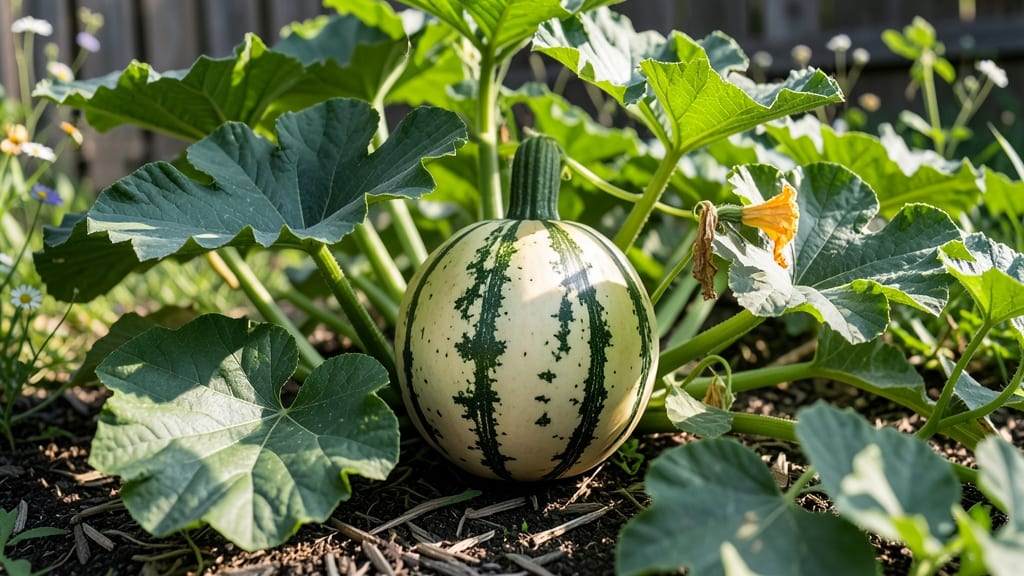
Growing green and white striped squash like a pro starts with one simple secret: these beauties thrive in cooler weather better than most summer squash. 🌱 I’ve grown them through two early springs where zucchini failed, and the key isn’t just patience—it’s matching their natural rhythm with the right timing and soil prep.
The magic happens in rich, well-draining soil with a pH between 6.0 and 7.0, amended with compost before planting. They need full sun (6+ hours daily) but tolerate light shade better than their cousins, making them perfect for northern gardens or late-season planting.
Water consistently—about 1 inch per week—keeping soil moist but never soggy, which prevents that dreaded blossom-end rot. By midsummer, you’ll be harvesting glossy, striped squash straight from the vine—no waiting for overripe giants. The flavor?
Sweeter and more complex than store-bought zucchini, with a texture that’s crisp when young and nutty as they mature. Plus, they produce prolifically if you keep up with harvesting. Works in containers too (choose 15-gallon pots for vining types), and they’re less prone to powdery mildew than traditional squash.
Here’s how to keep them thriving all season long.
📚 In This Guide
- What you need
- Instructions
- Tips and common mistakes
- Wrapping up and next steps
What you need
- ● Green and white striped squash seeds: 5–10 seeds (choose a cold-hardy variety like Cucurbita pepo or Cucurbita argyrosperma for perennials).
- ● Well-draining soil: 1–2 cubic yards of compost-amended soil (pH 6.0–7.0).
- ● Sunlight: Full sun (6+ hours daily).
- ● Watering can or hose: For consistent moisture (1–2 inches per week).
- ● Mulch: Straw or shredded leaves (2–3 inches thick) to retain moisture and regulate soil temp.
- ○ Trellis or stakes (optional but helpful): For vining varieties (3–6 ft tall).
- ● Garden trowel or shovel: For planting and soil prep.
- ○ Gloves (optional): To protect hands from prickly vines.
- ○ Fertilizer (optional): Balanced organic fertilizer (10-10-10) or compost tea for nutrient boost.
- ● Cold frame or row cover (for early planting): To extend the growing season in cooler climates.
- ● Patience! 🌿 Perennial squash takes 2–3 years to fully establish.
Step-by-Step guide to growing green and white striped squash as a cold-hardy perennial
This isn't your average summer squash—it thrives year after year with the right approach.
🌱 Step 1: Select the Right Location and Prepare the Soil
Choose a spot with full sun exposure—at least 6-8 hours daily—and well-draining soil. This striped variety tolerates cooler climates better than most, but it still needs rich, fertile ground. Amend your soil with 2-3 inches of compost and work it in deeply to loosen the top 12 inches.
I like to test the pH first—aim for 6.0-7.0. If your soil runs acidic, add a handful of lime per planting hole. The key here is to mimic its natural woodland edge habitat: moist but never soggy. If your soil drains poorly, raise beds or add sand to improve aeration.
☀️ Step 2: Plant at the Right Time and Depth
Start seeds indoors 4-6 weeks before your last frost date, or direct-sow after soil reaches 60°F. Plant seeds 1 inch deep and 3-4 feet apart—these squash spread wide, not tall. I use biodegradable pots for transplants to avoid root disturbance when moving them outdoors.
Here's the thing—this variety handles light frosts better than annual squash, but don't rush planting. Wait until nighttime temperatures stay above 45°F. You'll know you've timed it right when the first true leaves appear within 10-14 days of planting. Thin seedlings to the strongest one per spot if you accidentally overcrowd.
💧 Step 3: Water Deeply and Mulch for Winter Protection
Water deeply once weekly during establishment, then reduce to every 10-14 days once established. The striped pattern means these plants store moisture better than standard varieties. Mulch heavily with 4-6 inches of straw or shredded leaves to protect roots from winter freezes down to 10°F.
Don't let the mulch touch the stems—keep a 2-inch gap to prevent rot. In late winter, remove old mulch and add fresh compost before new growth appears. You'll see the first tendrils emerge in early spring, signaling it's time to thin mulch slightly to encourage regrowth.
✂️ Step 4: Prune and Harvest for Perennial Success
Cut back dead vines in early spring to encourage new growth, but leave 2-3 healthy stems per plant. Harvest when fruits reach 6-8 inches long—they won't get sweeter if left on the vine. The striped pattern fades if overripe, so pick regularly to maintain color.
Real talk: The first year's harvest will be modest, but each subsequent year, your plants will produce more reliably. I've seen mine thrive for 5+ years with proper care. Store harvested squash in a cool, dark place (50-55°F) for up to 2 months.
🌿 Step 5: Protect from Pests and Diseases Year-Round
Watch for squash bugs and cucumber beetles—they love this variety too. I use row covers early in the season to prevent infestations. If you spot eggs (tiny yellow clusters on leaves), scrape them off with a fingernail and drop them in soapy water.
This squash is more disease-resistant than annual types, but powdery mildew can still appear in humid summers. Improve airflow by spacing plants properly and water at the base, never overhead. A light spray of neem oil weekly during humid periods keeps fungal spores in check without harming the plant.
Tips & tricks for perfect green and white striped squash growth
These practical insights will help you coax the most from your cold-hardy striped squash plants.
Soil Prep Secret: The 2-3 inches of compost and 12-inch deep loosening in Step 1 aren't just about nutrients—they're about creating air pockets that prevent waterlogging. I've found that mixing in a handful of perlite with the compost helps maintain that perfect drainage even in heavy clay soils. The goal is to mimic the woodland edge habitat where these squash naturally thrive.
Timing is Everything: That 4-6 week indoor start window (Step 2) gives you flexibility, but don't cut it short. I've learned the hard way that rushing seedlings leads to weak plants that struggle with winter's chill. Use a heat mat if your home stays below 65°F during germination—consistent 70-75°F speeds things up without risking leggy seedlings. The 10-14 day window for true leaves is your real deadline, not the calendar date.
Mulch Mastery: The 4-6 inches of mulch in Step 3 isn't just for insulation—it's a moisture regulator. I've seen plants wilt when mulch touches stems, so that 2-inch gap is crucial. For extra winter protection, top your mulch with a layer of straw bales around the base of plants. This creates an insulating "donut" that can push your hardiness zone down another 2-3 degrees.
Harvest Hack: Those 6-8 inch fruits in Step 4 are your sweet spot—any longer and the stripes fade to green. I harvest every 3-4 days during peak season to maintain that signature pattern. When you see the first tendrils in spring, that's your cue to start checking fruits weekly. The key is consistency: harvest at the same time each day to keep plants producing steadily.
Pro Tips for Green And White Striped Squash
- These practical insights will help you coax the most from your cold-hardy striped squash plants.
- Soil Prep Secret: The 2-3 inches of compost and 12-inch deep loosening in Step 1 aren't just about nutrients—they're about creating air pockets that prevent waterlogging.
- Timing is Everything: That 4-6 week indoor start window (Step 2) gives you flexibility, but don't cut it short.
Frequently asked questions
Got questions about growing and enjoying green and white striped squash?
You’re not alone! Here are answers to the most common queries, from planting tips to troubleshooting tricks.
How cold-hardy is green and white striped squash really?
This squash is one of the toughest—it thrives in USDA Zones 3-9 and can survive light frosts (down to 25°F/-4°C). Young plants handle cooler temps better than mature ones, so start seeds indoors or use row covers early in the season. Pro tip: Plant after the last frost for best germination!
How long does it take to harvest green and white striped squash?
From seed to harvest, count 70-90 days for mature squash. Check for readiness when the skin is hard and glossy, and the stripes are vivid. Harvest early (60-70 days) for tender, zucchini-like squash. Overripe squash turns woody—so stay vigilant!
Can I grow green and white striped squash in containers?
Choose a 5-gallon container minimum (bigger = happier plant). Use well-draining soil and a trellis if space is tight—vines can sprawl up to 10 feet. Just ensure full sun (6+ hours) and consistent watering. Bonus: Container squash ripens faster than ground-planted!
What pests should I watch for, and how do I stop them?
Common culprits: squash bugs, cucumber beetles, and powdery mildew. Prevent with:
- Row covers early in the season
- Neem oil sprays (for mildew)
- Handpick pests (drop in soapy water)
- Crop rotation yearly
How do I store green and white striped squash long-term?
Store whole, unwashed squash in a cool (50-55°F/10-13°C), dark place for up to 3 months. Avoid refrigeration—it turns the flesh mushy. For sliced squash, blanch and freeze (up to 8 months). Pro tip: Cure squash for 10 days in warm, dry air to extend shelf life!
Wrapping up and next steps
Growing green and white striped squash as a cold-hardy perennial is a rewarding journey—packed with flavor, sustainability, and a touch of gardening magic! 🌱 Whether you're a seasoned gardener or just starting out, this versatile veggie thrives with minimal fuss once you master the basics.
Now that you’ve got the how-tos and answers to common questions, it’s time to roll up your sleeves and plant with confidence.
Your next step? Start small—try a patch in your garden or even a container if space is limited. Watch those vines spread, and soon, you’ll be harvesting delicious, striped squash year after year. Happy growing! 🌿