
Vegetables
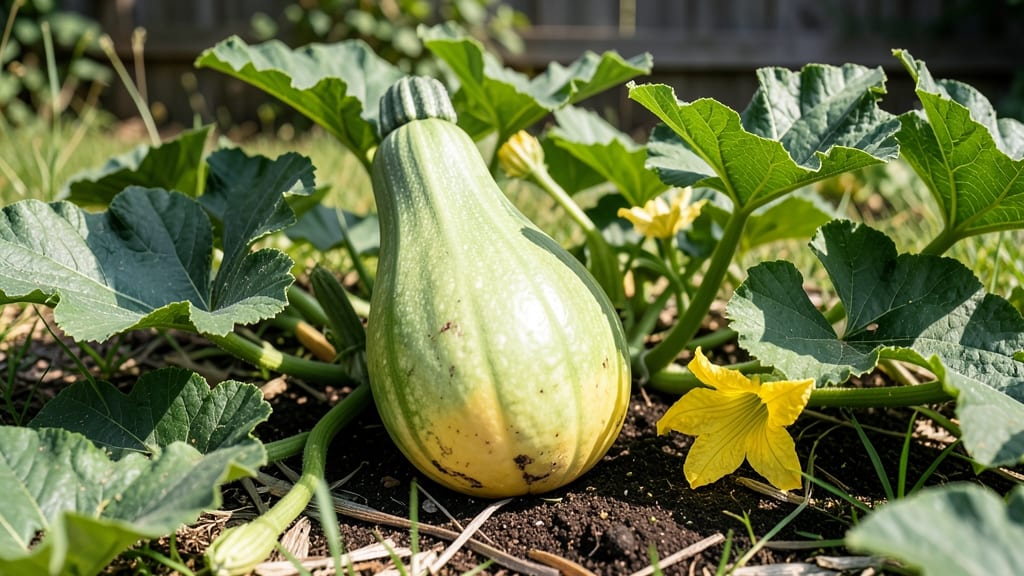
Growing green crookneck squash delivers that first harvest of tender, sweet squash you can't buy at the store. 🌱 These bold-striped vines produce 12-15 inch beauties with delicate skin that's perfect for roasting or grilling—no tough rind to peel. The secret?
They love heat but hate soggy soil, and containers work surprisingly well if you give them space to sprawl. I learned the hard way that these squash need well-draining soil mixed with compost—they wilt fast if roots sit in water.
Plant seeds after your last frost when soil hits 60°F, spacing them 2 feet apart in rows 4 feet apart. They climb fast, so trellising saves space and keeps fruit clean. By mid-summer, you'll be harvesting squash that taste sweeter than store-bought.
The key is picking them young—8-10 inches long—when the skin is still tender. If you wait too long, they turn fibrous and lose that delicate flavor. Works in gardens or large containers, even in hot climates where other squash struggle.
Just watch for cucumber beetles and keep mulch away from stems to prevent rot.
📚 In This Guide
- What you need
- Instructions
- Tips and common mistakes
- Wrapping up and next steps
What you need
- ● Seeds: 3–5 green crookneck squash seeds (choose heirloom or hybrid varieties for best results).
- ● Containers or Garden Space: For containers: 5-gallon pots or larger (at least 12–18 inches deep). Use 1–2 containers per plant for better growth.
- ● For in-ground gardens: Full sun (6–8+ hours daily) and well-draining soil.
- ● Potting Mix: High-quality, organic potting soil with compost (avoid garden soil—it compacts too easily).
- ● Fertilizer: Balanced fertilizer (10-10-10) or compost at planting.
- ● Low-nitrogen fertilizer (5-10-10) mid-season for flowering.
- ○ Support (Optional but Helpful): Trellis or cage (3–4 feet tall) to lift vines and improve air circulation.
- ● Straw or mulch (2–3 inches) to retain moisture and suppress weeds.
- ● Hand Trowel or small shovel for planting.
- ● Watering Can or hose with a gentle spray nozzle (avoid soaking leaves).
- ● Pruning Shears (for trimming excess vines or yellowing leaves).
- ● Gloves (to protect hands from prickly stems).
- ● Sunlight Monitor: Ensure your growing spot gets full sun (or supplement with grow lights for indoor setups).
- ● Harvesting Tools: Sharp knife or pruners for clean cuts.
Step-by-step instructions for growing green crookneck squash
Here's how to coax those iconic striped vines into thriving plants—whether in garden beds or containers.
🌱 Step 1: Start Seeds Indoors or Direct-Sow After Frost
Green crookneck squash hates transplant shock, so I recommend direct-sowing after your last frost date when soil reaches 70°F. If you must start indoors, sow seeds 2-3 weeks before transplanting in 2-3 inch deep biodegradable pots filled with seed-starting mix. Press seeds 1 inch deep—they need that depth to germinate properly.
Keep the soil consistently moist (not soggy) and place pots in a warm spot with 75-85°F temperatures. You'll see sprouts in 5-10 days, but don't rush to harden off—wait until seedlings have 2-3 true leaves before moving them outside. I always label my pots because these vines grow fast and can outpace your memory.
☀️ Step 2: Plant in Warm, Sunny Spots With Ample Space
Squash vines need full sun (6-8 hours daily) and plenty of room to sprawl. In garden beds, space plants 3-4 feet apart in rows 4-5 feet apart. For containers, use 5-gallon buckets or larger with drainage holes—one plant per container. The key here is heat retention; black pots absorb sunlight and keep roots warmer, which squash loves.
Work 2-3 inches of compost into the soil before planting. These vines are heavy feeders and will reward you with more fruit if the soil starts rich. Plant seeds 1 inch deep and thin to the strongest seedling if you sow multiple seeds per spot. Watch for first true leaves to appear in 7-14 days—that's your signal germination succeeded.
💧 Step 3: Water Deeply and Consistently
Green crookneck squash roots run deep, so water 1-2 inches per week, aiming for the soil—not the leaves. I water in the morning so foliage dries quickly, preventing fungal diseases like powdery mildew. Let the top 2 inches of soil dry between waterings; soggy soil leads to rot and blight.
Mulch heavily with 2-3 inches of straw or grass clippings to retain moisture and keep roots cool. This is especially critical in containers, where soil dries out faster. You'll know your watering is right when vines stay vibrant green and new leaves unfurl quickly—wilting or yellowing means you're over- or under-watering.
✂️ Step 4: Prune and Support Vines for Maximum Yield
While squash vines are naturally sprawling, I prune suckers (those little shoots in leaf axils) to direct energy into fruit production. Use clean pruners to snip suckers when they're 4-6 inches long. Leave the main vines intact—they'll produce more flowers and fruit if unobstructed.
For container growers, install tomato cages or trellis supports early. Gently weave vines through the structure as they grow; squash is heavy and will pull down unsupported cages. Harvest when squash are 6-8 inches long and still firm—waiting too long makes them tough and seedy. I check vines every 2-3 days in peak season because these squash ripen fast.
🌿 Step 5: Fertilize and Pest-Proof Regularly
Feed plants every 2-3 weeks with a balanced 10-10-10 fertilizer after they flower. I mix it at half-strength to avoid burning roots—squash is sensitive to salt buildup. Yellowing leaves? That's your cue to fertilize again. Also, sprinkle 1 inch of compost around the base monthly to replenish nutrients.
Watch for squash bugs and cucumber beetles—they love these vines. Handpick eggs (tiny yellow ovals on undersides of leaves) daily and crush them. For beetles, I use row covers early in the season or spray with neem oil. Healthy plants with strong vines resist pests better, so keep up with watering and pruning to build resilience.
Tips & tricks for growing green crookneck squash
These simple tricks will help you grow the most vibrant, productive green crookneck squash vines—whether you're working with garden beds or containers.
Soil Temperature Secret: The 70°F soil temperature requirement isn't just a number—it's the magic threshold where seeds germinate reliably. If your soil runs cooler, consider using black plastic mulch a few days before planting to warm the soil naturally. I've seen germination rates double when soil hits that sweet spot. For container growers, place pots on a heat mat or in a sunny window until seeds sprout.
Container Grower's Edge: Black containers absorb sunlight like a solar panel, keeping roots warm—exactly what squash crave. If you don't have black pots, wrap regular containers with black plastic or even black fabric. This simple trick can boost growth by up to 20% in cooler climates. Remember, squash roots need that warmth to establish quickly, especially when you're checking for those first true leaves in 7-14 days.
Watering Wisdom: The 1-2 inches per week guideline works best when you water deeply at the base, not just a quick sprinkle. I use a moisture meter to check soil depth—when it reads dry at 2 inches down, that's your cue. For containers, I water until it drains from the bottom, ensuring roots get that deep hydration. This prevents the dreaded powdery mildew that can ruin your harvest.
Harvest Timing: Those 6-8 inches measurements might seem precise, but the real test is firmness. Gently press the squash—if it feels rock-hard, it's past its prime. I harvest in the morning when they're cool and crisp, then store them in a paper bag in the fridge for up to 5 days. The striped pattern will fade slightly as they ripen, so don't wait too long!
Pro Tips for Green Crookneck Squash
- These simple tricks will help you grow the most vibrant, productive green crookneck squash vines—whether you're working with garden beds or containers.
- Soil Temperature Secret: The 70°F soil temperature requirement isn't just a number—it's the magic threshold where seeds germinate reliably.
- Container Grower's Edge: Black containers absorb sunlight like a solar panel, keeping roots warm—exactly what squash crave.
Frequently asked questions
Got questions about growing green crookneck squash? You’re not alone! Here are answers to the most common queries to help you cultivate these vibrant, heat-loving beauties with confidence.
How long does it take for green crookneck squash to mature?
Green crookneck squash typically matures in 45–55 days from transplanting, depending on your climate. In hotter regions, they may ripen faster—watch for the classic crook at the neck and glossy skin. Harvest before they turn yellow for the best flavor!
Can I grow green crookneck squash in containers?
These squash thrive in 5-gallon containers or larger with well-draining soil. Choose a deep pot (at least 12 inches) and provide a trellis or cage for vines. Just ensure they get 6–8 hours of sunlight daily and consistent watering.
What pests should I watch for with green crookneck squash?
Common pests include squash bugs, cucumber beetles, and aphids. Use row covers early in the season to deter them, and handpick eggs or adults. Neem oil or insecticidal soap can help if infestations occur.
Do green crookneck squash need full sun?
Yes! They require full sun (6+ hours daily) to produce well. In hot climates, provide afternoon shade to prevent sunscald, especially in containers. If your garden is shady, opt for bush varieties or a sunniest spot.
What can I do if my squash flowers but doesn’t produce fruit?
This often happens due to temperature stress (too hot or cold) or poor pollination. Hand-pollinate flowers with a small brush, or attract bees with companion plants like marigolds. Ensure consistent watering and avoid over-fertilizing with nitrogen.
Wrapping up and next steps
Growing green crookneck squash is a rewarding adventure—whether you’re a seasoned gardener or a beginner eager to try your hand at container gardening! 🌱 With their bold stripes, heat-loving nature, and minimal space needs, these squashes are a fantastic addition to any garden plot or patio.
Now that you’re armed with the right materials, tips, and answers, it’s time to roll up your sleeves and let those vines climb!
Ready to harvest sweet, nutritious squashes by summer’s end? Start by planting your seeds this week—your future meals (and bragging rights) will thank you! 😉
- Next step: Mark your calendar for planting dates and prep your soil or containers.
- Bonus: Share your progress with fellow gardeners—community support makes growing even more fun!