
Vegetables
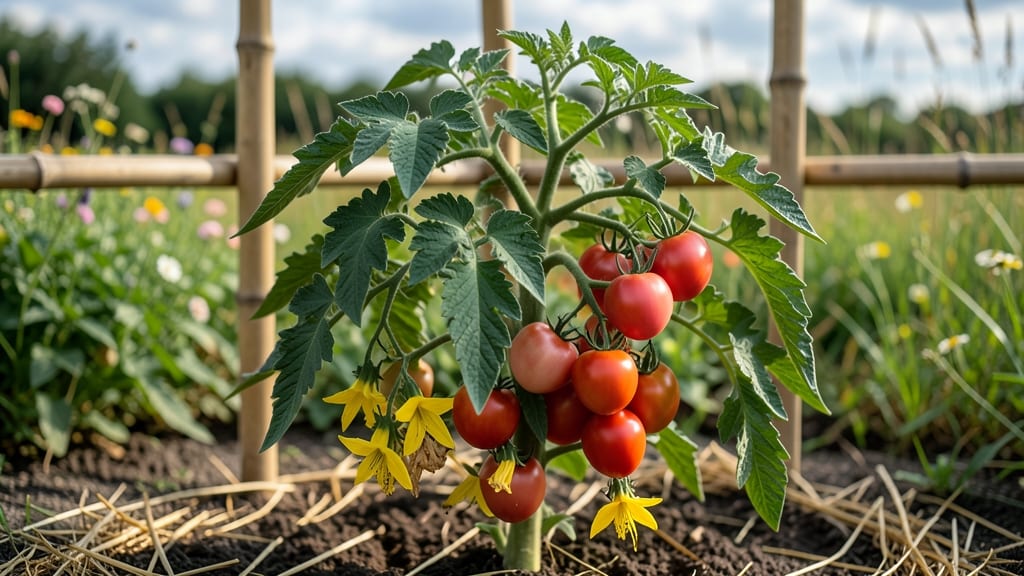
Growing Boxcar Willie tomatoes means harvesting 5-pound striped beasts that taste like summer in every bite—even when frost threatens nearby plants. 🌱 I first grew these vines after my neighbor swore they’d outlast our zone 5 winters, and she wasn’t kidding. Their secret?
Thick skin, disease resistance, and a stubborn refusal to quit when temperatures dip. The key starts with rich, well-draining soil (think compost-heavy, not soggy) and full sun—these vines demand at least 8 hours daily.
Plant after your last frost date, but don’t wait too late: Boxcar Willies need 60-85 days to ripen, and they’ll keep producing until frost almost arrives. Stake them early—they can top 8 feet—and watch those striped fruit swell like watermelons.
Prune aggressively to focus energy on fruit, not leaves, and water deeply 1-2 times weekly (never let them wilt). The payoff? Tomatoes so massive they’ll make your neighbors jealous, with a meaty texture perfect for slicing, sauces, or just admiring. Cracking? Too much water late in the season.
Blight? Copper spray and air circulation save the day. These aren’t just tomatoes—they’re a statement plant. Whether you’re in a short-season zone or just love a challenge, Boxcar Willies prove you don’t need perfect conditions to grow something extraordinary. Let’s get those seeds in the ground!
📚 In This Guide
- What you need
- Instructions
- Tips and common mistakes
- Wrapping up and next steps
What you need
- ● Boxcar Willie tomato seeds or seedlings: 3–5 plants (for a small garden) or 10+ (for a bountiful harvest). Choose heirloom or open-pollinated seeds for saving and replanting.
- ● Quality potting mix: 5–10 gallons, well-draining and rich in organic matter (e.g., Miracle-Gro Moisture Control or homemade compost blend).
- ● Containers or garden bed: Containers: 5-gallon pots or larger (at least 12" deep) with drainage holes. Fabric grow bags (10–15 gallons) are ideal for root health.
- ● Garden bed: Full sun (6+ hours daily), raised beds recommended for poor soil.
- ● Fertilizer: Starter fertilizer: Balanced 10-10-10 or fish emulsion (1 tbsp per plant).
- ● Tomato-specific feed: 5-10-10 or compost tea (apply every 2–3 weeks after flowering).
- ● Support system: Cages (5–6 ft tall), stakes (6+ ft), or trellises (for indeterminate vines).
- ● Mulch: Straw or black plastic (to retain moisture and suppress weeds).
- ○ Watering can or hose: With a gentle spray nozzle (drip irrigation is optional but ideal).
- ● Gloves & pruners: Sharp, sterilized pruners (for trimming suckers) and gardening gloves.
- ● pH test kit: To ensure soil pH is 6.0–6.8 (tomatoes thrive in slightly acidic soil).
- ● Row cover or frost cloth: For early planting in cooler climates (Boxcar Willie tolerates light frost but loves warmth!).
- ○ Sunlight tracker: Optional but helpful for monitoring 6+ hours of direct sun.
- ● Mycorrhizal fungi: Boosts root health and nutrient uptake (mix into soil at planting).
- ● Self-watering system: E.g., Blum EarthBox or DIY wicking beds.
- ● Growth regulators: Like Seaweed extract (1 tsp/gallon) to enhance disease resistance.
- ● Tomato saver clips: For indeterminate vines to prevent splaying.
- ● LED grow lights: For extending the season in short-day climates (12–14 hours/day).
Step-by-Step instructions for growing Boxcar Willie tomatoes
Here's how to coax those stunning striped vines into thriving plants that outlast most frost dates.
🌱 Step 1: Start Seeds Indoors 8-10 Weeks Before Last Frost
Boxcar Willie tomatoes need a long growing season, so kick things off by sowing seeds indoors 8-10 weeks before your last frost date. Use 2-3 inch deep biodegradable pots filled with sterile seed-starting mix. Press the soil down lightly to eliminate air pockets—this ensures even moisture distribution and prevents uneven germination.
Plant seeds ¼ inch deep and cover with a fine layer of soil. Mist gently with a spray bottle until the surface is evenly moist but not soggy. Place pots in a warm spot (75-85°F) with indirect light. A seedling heat mat speeds germination significantly, cutting wait time from 10-14 days to just 5-7 days.
☀️ Step 2: Provide Strong Light and Prevent Legginess
The moment seedlings emerge, move them to a bright location with 14-16 hours of light daily. A south-facing window rarely provides enough intensity, so supplement with a full-spectrum LED grow light positioned 2-4 inches above the plants. You'll know the light is sufficient when seedlings develop deep green leaves with compact spacing between nodes.
Rotate pots a quarter turn daily to prevent leaning. If stems grow leggy (thin and stretched), they'll never recover proper strength. Pinch off the top set of leaves if needed to encourage bushier growth. Once seedlings have 2-3 sets of true leaves, they're ready for their first transplant into larger containers.
🪴 Step 3: Transplant to 5-Gallon Containers with Support
Boxcar Willie tomatoes thrive in 5-gallon containers—their deep roots need ample space to establish. Use a high-quality potting mix amended with compost and slow-release fertilizer to provide nutrients without burning tender roots. Plant seedlings 1 inch deeper than their original pots to encourage stronger stem development.
Install a 6-foot tomato cage or sturdy trellis immediately after transplanting. These vines grow aggressively and need support to prevent sprawling. Water deeply after transplanting to settle the soil around roots. Keep the soil consistently moist but never soggy—Boxcar Willie tomatoes hate wet feet, which can lead to blight.
✂️ Step 4: Prune for Airflow and Fruit Production
Once plants reach 3 feet tall, begin pruning to improve airflow and direct energy toward fruit production. Remove suckers (the small shoots that form in the leaf axils) regularly—they drain plant resources. Prune in the morning so wounds have time to dry before evening moisture sets in.
Pinch off the first flower cluster that appears. This might seem counterintuitive, but it encourages the plant to focus on establishing a strong root system first. Once the plant is well-established (typically after 4-6 weeks of outdoor growth), let flowers develop naturally. The striped fruit will appear 70-80 days after transplanting.
🌿 Step 5: Extend the Season with Frost Protection
Boxcar Willie tomatoes live up to their name—they're among the most cold-tolerant varieties. To extend your harvest, cover plants with row covers or frost blankets when temperatures dip below 50°F at night. These plants can withstand light frosts (28-32°F) if protected, but heavy freezes will still damage them.
Harvest fruit when it reaches full color and is slightly soft to the touch. The striped pattern will darken as fruit ripens. Pick regularly to encourage more production. If frost threatens before the season ends, dig up the entire plant and move it to a protected location. With proper care, you might coax one last harvest from these resilient vines before winter fully sets in.
Tips & tricks for growing Boxcar Willie tomatoes
These game-changing insights will help you cultivate the hardiest tomato vines you've ever grown.
Germination Boost: After sowing seeds in Step 1, place pots in a sealed plastic bag with a few drops of water to create a mini greenhouse effect. This maintains consistent humidity and can cut germination time from 10-14 days to just 5-7 days—just remove the bag once sprouts appear. The 75-85°F warmth is crucial here, so avoid drafty windowsills.
Lighting Strategy: For Step 2's 14-16 hours of light, consider using a timer on your grow light to automate the process. Position the light just 2-4 inches above seedlings—closer than you might think—and adjust as they grow. Watch for deep green leaves with compact spacing; if leaves turn yellow or stretch excessively, you need more light intensity or closer placement.
Container Selection: In Step 3, while 5-gallon containers work perfectly, opt for containers with drainage holes to prevent soggy soil. If using fabric pots, they'll wick moisture better but may dry out faster—check soil moisture daily. The 1-inch deeper planting encourages stronger stems, but avoid burying the stem too deeply near the base to prevent rot.
Pruning Precision: When pruning in Step 4, focus on removing suckers that form in the leaf axils—these compete with fruit production. Use clean, sharp pruners to avoid damaging the main stem. The first flower cluster pinch might feel counterintuitive, but it redirects energy to root development, leading to stronger plants that produce fruit for weeks longer than unpruned varieties.
Pro Tips for Boxcar Willie Tomato
- These game-changing insights will help you cultivate the hardiest tomato vines you've ever grown.
- Germination Boost: After sowing seeds in Step 1, place pots in a sealed plastic bag with a few drops of water to create a mini greenhouse effect.
- Lighting Strategy: For Step 2's 14-16 hours of light, consider using a timer on your grow light to automate the process.
Frequently asked questions
Got questions about growing Boxcar Willie tomatoes?
You’re not alone! This striking striped heirloom has its quirks—from frost tolerance to vine care. Here are answers to the most common queries to help you grow bold, flavorful tomatoes like a pro.
What makes Boxcar Willie tomatoes different from other varieties?
Boxcar Willie stands out with its deep red-and-yellow stripes (like a boxcar!), large beefsteak fruit, and remarkable cold hardiness. Unlike most tomatoes, it can survive light frosts and even regrow from the roots if cut back. Plus, its vines are indeterminate, meaning they’ll keep producing all season—if you give them space!
Can I really grow Boxcar Willie in cold climates?
This tomato is a frost-tolerant champion—it can handle 28°F (-2°C) temps and even regrow after light freezes. Start seeds indoors 8–10 weeks before your last frost, then transplant after soil warms to 50°F (10°C). For extra protection, use row covers or a cold frame in early spring/fall.
How much space do Boxcar Willie vines need?
These vines are big—think 6+ feet tall and wide! Give each plant at least 4–5 feet of space in a cage or trellis to prevent sprawling. If growing in containers, choose a 15+ gallon pot with sturdy supports. Prune suckers regularly to improve airflow and fruit size.
Why aren’t my Boxcar Willie tomatoes ripening?
Common culprits include cool temps (below 60°F/15°C), poor pollination, or overcrowding. Try these fixes:
- Hand-pollinate with a brush if bees are scarce.
- Use black plastic mulch to warm soil.
- Move containers to a sunny, sheltered spot.
- Check for blossom end rot (calcium deficiency) and add crushed eggshells.
Can I save seeds from Boxcar Willie tomatoes?
Yes! The striped trait is stable, so seeds will likely produce similar fruit. Scoop out the gelly-like pulp from ripe tomatoes, ferment it in water for 2–3 days, then rinse and dry seeds on a paper towel. Store in a cool, dark place for next year’s harvest.
Wrapping up and next steps
Growing Boxcar Willie tomatoes isn’t just about cultivating a plant—it’s about embracing a bold, frost-resistant adventure that rewards patience with stunning striped fruit and vibrant vines. Whether you’re a seasoned gardener or a curious beginner, these heirlooms prove that even challenging climates can yield showstopping harvests. 🌱✨
Ready to dive in? Start by gathering your supplies, then plant with confidence—your future meals (and bragging rights) are waiting! For extra inspiration, explore local gardening forums or connect with fellow tomato enthusiasts to swap tips and celebrate your striped successes together.