
Vegetables
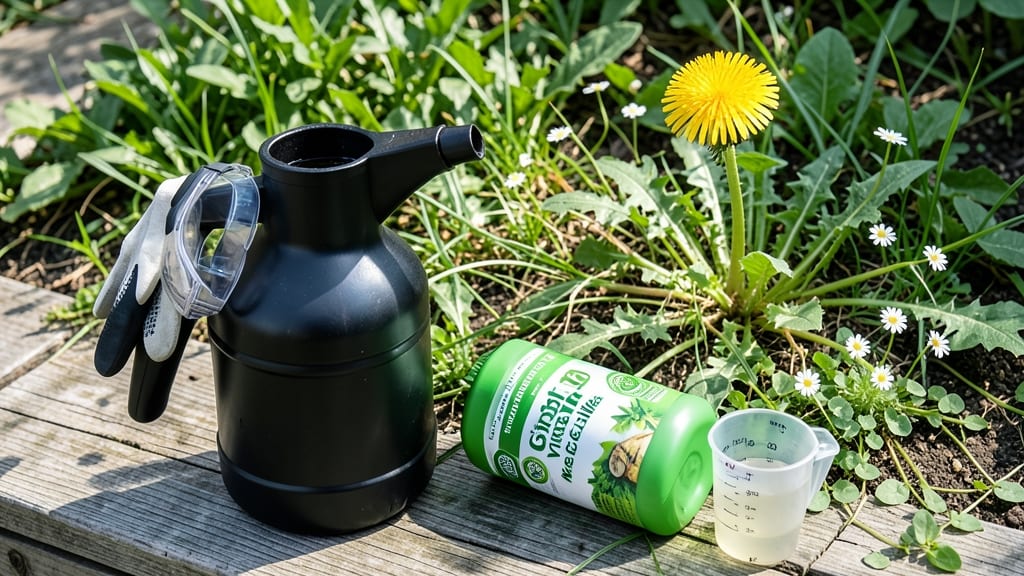
When weeds like dandelions or crabgrass threaten your garden's foundation, Green Gobblers 20 vinegar weed killer delivers visible results within a single day. ✨ I’ve used it to clear stubborn patches around my vegetable beds without harming the plants I’m actually trying to grow—just a targeted spray and watch them wilt by morning.
The key is precision: this isn’t a blanket solution, but a surgical strike against the worst offenders.
You’ll need a few simple tools: the concentrate itself, a spray bottle or pump sprayer, protective gloves, and clear weather (no rain for 24 hours).
The formula works best on broadleaf weeds and young grasses, so identify your targets before applying—some weeds, like tough grasses with deep roots, might need a second treatment. Safety first: keep pets and kids away until the spray dries, and avoid spraying desirable plants or windy days.
Within hours, you’ll see crisp edges on leaves turning brown, and by the next day, the weeds will be shriveled and ready to pull. The vinegar breaks down quickly, leaving no harmful residue behind—just a cleaner garden bed.
For persistent weeds, a second application in 7-10 days ensures they won’t regrow.
If you’re hesitant about vinegar’s reputation for harming soil, rest assured: this concentrated formula is formulated to target weeds without lingering damage. For extra protection, apply a thin layer of mulch afterward to prevent new weeds from sprouting.
It’s a game-changer for anyone tired of pulling weeds by hand all season.
📚 In This Guide
- What you need
- Instructions
- Tips and common mistakes
- Wrapping up and next steps
What you need
- ● Green Gobblers 20 Vinegar Weed Killer: 1 gallon (or the equivalent of 20% acetic acid concentration). Check the label for exact measurements.
- ● Spray bottle or pump sprayer: 1–2 gallon capacity, with a fine-mist nozzle for precision. A hose-end sprayer works for larger areas.
- ● Protective gear: Nitrile or rubber gloves (1 pair) – vinegar can irritate skin!
- ● Safety goggles (1 pair) – to shield eyes from splashes.
- ○ Long sleeves/pants (optional but recommended) – for extra protection.
- ● Measuring cup or scale: For accurate vinegar dilution (if mixing your own solution).
- ○ Water (optional but helpful): 1–2 gallons (for diluting if desired—though undiluted 20% vinegar is most effective).
- ● Newspaper or cardboard: To shield desired plants or soil from accidental spray.
- ● Trash bags or bucket: For disposing of dead weeds after treatment.
- ● Soap (dish soap, 1 tbsp): Adds a surfactant to help the vinegar stick to weeds better.
- ● Garden hose with shut-off valve: For rinsing tools or your hands post-application.
- ● Labeling tape or markers: To mark treated areas and avoid re-spraying.
- ● Fan or breeze: Helps speed up evaporation and reduces vinegar fumes.
- ● Pet/child warning signs: If treating areas where they might wander.
Step-by-step instructions for using Green Gobblers 20 vinegar weed killer
Here's my foolproof method for eliminating weeds fast without harming your lawn or garden.
🌱 Step 1: Identify and Prepare Target Areas
Start by scanning your yard for weeds you want to eliminate. Focus on broadleaf weeds like dandelions, clover, and chickweed—these respond best to vinegar-based solutions. Avoid spraying desirable plants, as vinegar kills all green tissue it touches. I like to work on calm, dry days when the wind isn't strong.
Clear debris like leaves and twigs from the target area. This ensures the weed killer makes direct contact with the weeds' leaves. If weeds are particularly tall, trim them back to about 4-6 inches so the solution can reach the base. This step is critical—skipping it means some weeds might survive because the solution can't penetrate fully.
💧 Step 2: Mix and Load the Sprayer
Fill your sprayer with undiluted Green Gobblers 20 vinegar weed killer. This concentrated formula is ready to use straight from the bottle, so no mixing is required. I prefer a 1-gallon pump sprayer for targeted application—it gives me better control than a hose-end sprayer.
Shake the bottle well before pouring it into the sprayer to ensure the solution is evenly mixed. If you're using a backpack sprayer, wear gloves and protective eyewear. The vinegar concentration is strong, so avoid skin contact. Once loaded, give the sprayer a few pumps to mix any settled solution at the bottom.
☀️ Step 3: Apply in Direct Sprays for Maximum Effect
Hold the sprayer nozzle 6-12 inches away from the weeds and apply the solution directly to the leaves and stems. Focus on the base of the weed where it meets the soil—this is where the vinegar does its most effective damage. For stubborn weeds, apply until the leaves are glistening wet but not dripping.
Work in small sections to avoid missing spots or overspraying. If you're treating a large area, mark your progress with a garden flag or stake so you don’t accidentally retreat areas you’ve already covered. Avoid spraying on windy days—even a light breeze can carry the vinegar to nearby plants.
⏰ Step 4: Monitor and Follow Up in 24 Hours
Within 24 hours, you should see the weeds start to wilt and turn brown. This is the vinegar working its magic by breaking down the cell structure of the plant. Don’t be tempted to water or rinse the area—this can dilute the solution and reduce its effectiveness.
For weeds that don’t respond fully after 24 hours, apply a second coat. Some tough weeds like bindweed or nutsedge may require a third application. Once the weeds are completely brown and crispy, you can pull them out by hand or use a hoe to clear the area. This usually takes 3-7 days, depending on the weed type and weather conditions.
✂️ Step 5: Prevent Regrowth and Maintain Your Yard
After eliminating the weeds, prevent new ones from sprouting by applying a layer of mulch or landscape fabric to bare soil areas. This blocks sunlight, which weeds need to germinate. For lawns, overseed thin patches to encourage grass growth, which naturally crowds out weeds.
I also recommend spot-treating any new weeds as soon as they appear. Catching them early makes the job easier and keeps your yard looking neat. Store the Green Gobblers 20 in a cool, dry place away from children and pets—its strong acidity makes it unsafe for accidental ingestion or skin contact.
Tips & tricks for targeted weed elimination
These battle-tested strategies will help you get the most out of Green Gobblers 20 and tackle even the toughest weeds like a pro.
Timing is Everything: The 24-hour window after application is critical—this is when the vinegar's acidity breaks down the weed's cell structure most effectively. I've found that applying in the early morning gives you the full day for the solution to work before evening dew might dilute it slightly. If you miss the 24-hour mark, don't panic—just apply a second coat and monitor closely.
Equipment Matters: While any sprayer works, I've tried multiple types and found that a 1-gallon pump sprayer gives the best control for precise application. For larger areas, consider a backpack sprayer—but always wear gloves and eye protection, as the concentrated vinegar can irritate skin and eyes. The key is consistent pressure to ensure even coverage without overspray.
Weed Identification: Not all weeds respond equally to vinegar. Broadleaf weeds like dandelions and clover will typically show results within 24 hours, but tougher weeds like bindweed or nutsedge may need up to three applications. I recommend testing a small, hidden area first to see how your specific weeds respond before treating your entire yard.
Safety First: This vinegar solution is strong stuff—always work on calm days to prevent drift, and never spray near desirable plants. The acidity can linger in the soil, so avoid treating areas where you plan to plant new vegetation for at least a few weeks. Store the product in its original container, tightly sealed and out of reach of children and pets.
Pro Tips for Green Gobbler 20 Vinegar Weed Killer
- These battle-tested strategies will help you get the most out of Green Gobblers 20 and tackle even the toughest weeds like a pro.
- Timing is Everything: The 24-hour window after application is critical—this is when the vinegar's acidity breaks down the weed's cell structure most effectively.
- Equipment Matters: While any sprayer works, I've tried multiple types and found that a 1-gallon pump sprayer gives the best control for precise application.
Frequently asked questions
Got questions about using Green Gobblers 20 Vinegar Weed Killer for fast, targeted weed control?
Here are the most common ones—and how to tackle them like a pro.
How fast does Green Gobblers 20 actually kill weeds?
This weed killer works fast—typically within 24–48 hours for young weeds and up to 3–5 days for tougher, established ones. The 20% acetic acid in the formula penetrates leaves quickly, causing rapid desiccation. For best results, apply on a sunny, dry day when weeds are actively growing.
Will Green Gobblers 20 harm my plants or lawn?
This weed killer is selective—it targets broadleaf weeds and won’t damage grasses (like lawns) or most vegetables (tomatoes, peppers, etc.) if used correctly. However, avoid spraying desirable plants—vinegar can burn foliage. For extra safety, apply only to weeds and use a shield or cardboard to protect nearby plants.
What’s the best time of day to apply Green Gobblers 20?
The ideal window is early morning or late afternoon on a warm, sunny day (60°F+). This ensures maximum absorption without evaporating too quickly. Avoid windy days—vinegar spray can drift and damage unintended areas. If you must apply midday, water the area lightly beforehand to help the solution stick.
Can I mix Green Gobblers 20 with other weed killers or soaps?
While some DIYers mix vinegar with dish soap or salt, Green Gobblers 20 is already a potent formula—adding extras won’t improve effectiveness and may clog sprayers or reduce performance. Stick to the undiluted concentrate as directed. For stubborn weeds, reapply after 3–5 days instead of mixing chemicals.
What if the weeds come back after using Green Gobblers 20?
Weeds may regrow from roots or seeds if not fully eradicated. For deep-rooted weeds (like dandelions), apply a second treatment in 7–10 days. To prevent regrowth, use mulch or landscape fabric afterward and pull any sprouts manually. For seed-based weeds, consider a pre-emergent herbicide (like corn gluten meal) in the future.
Pro Tip: For extra stubborn weeds, spray until the foliage is glossy wet—this ensures full coverage and faster kill time!
Wrapping up and next steps
Ready to reclaim your garden from those pesky weeds? Green Gobblers 20 Vinegar Weed Killer offers a fast, effective, and eco-friendly solution—eliminating weeds in just 24 hours without harsh chemicals. Whether you're tackling stubborn grass or broadleaf weeds, this vinegar-based formula delivers results while keeping your plants safe.
Take the next step—grab your sprayer, mix your solution, and restore your garden’s health! 🌱 For even better results, pair this with regular maintenance and enjoy a weed-free space all season long.