
Vegetables
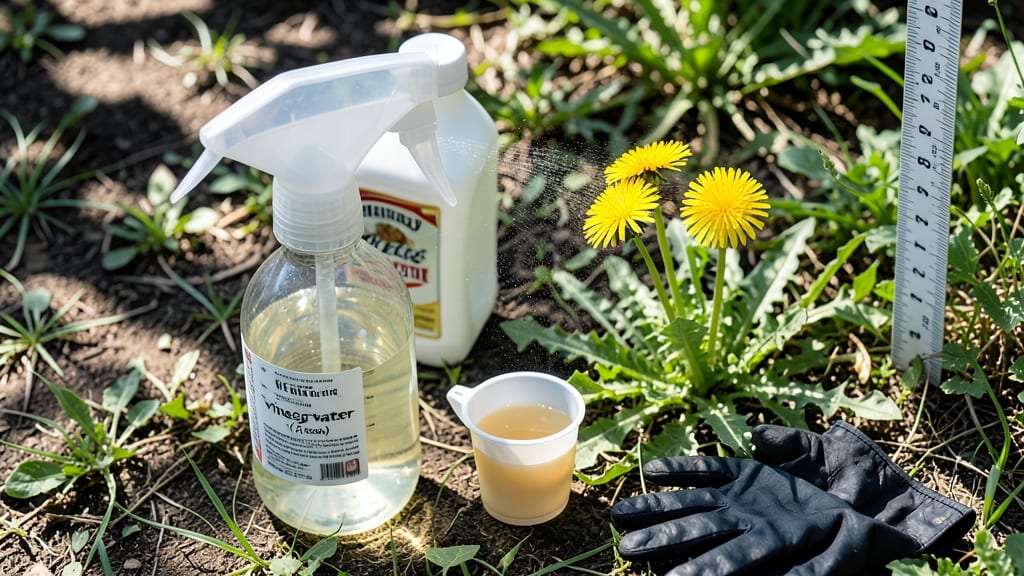
A home remedy for weeds using vinegar can turn your weed problem into a 5-minute solution—no digging, no backbreaking work. 🌱 I’ve used this trick for years to clear stubborn weeds from cracks in my patio, and it works faster than pulling them by hand.
The key is knowing how to apply it without harming your garden. This method kills weeds on contact, but it’s not magic—you’ll need clear weather, precise application, and a little patience for regrowth.
The vinegar burns the leaves, cutting off the plant’s food supply, but it won’t prevent new seeds from sprouting later. For best results, spray on a dry, sunny day when weeds are actively growing.
By the end of the day, you’ll have a weed-free zone that stays cleaner longer than with manual pulling. The smell fades quickly, and the cost is pennies compared to store-bought herbicides. Just be careful: vinegar doesn’t discriminate—it’ll kill anything green it touches.
For tougher infestations, combine it with a bit of dish soap for better adhesion, or use it as a preventative spray along walkways. Just avoid spraying desirable plants, and always test a small area first.
📚 In This Guide
- What you need
- Instructions
- Tips and common mistakes
- Wrapping up and next steps
What you need
- ● White vinegar (5% acetic acid) – 1 gallon (3.8 liters). Avoid colored vinegar (like apple cider)—it’s less potent for weed control.
- ● Dish soap (liquid, unscented) – 1–2 tablespoons. Acts as a surfactant to help the vinegar stick to weeds.
- ● Spray bottle or garden sprayer – 16–32 oz (0.5–1 liter) capacity. A pump-style sprayer works best for larger areas.
- ○ Protective gloves – Optional but recommended. Vinegar can irritate skin, especially if you have cuts or sensitive skin.
- ● Spray nozzle attachment – For targeted application (e.g., a cone or adjustable nozzle to avoid overspray).
- ● Plastic or cardboard barriers – To shield desired plants from vinegar splatter (e.g., old sheets, newspaper, or mulch).
- ● Garden hose with spray wand – For rinsing the sprayer afterward or diluting vinegar if needed.
- ● Sunny day or warm afternoon – Ideal timing! Weeds are most vulnerable when actively growing.
Step-by-step instructions for killing weeds naturally with vinegar
Here’s the straightforward, eco-friendly method I use to eliminate weeds without harsh chemicals.
🌱 Step 1: Choose the Right Vinegar and Time of Day
Grab undiluted white vinegar (the higher the acetic acid percentage, the better—20-30% works fastest). Clear out the area of debris so the vinegar makes direct contact with the weed leaves. I always do this on a sunny day between 10 AM and 4 PM—the sun helps the vinegar absorb faster and intensifies its effect.
Wait until weeds are actively growing but before they go to seed. Young weeds are easier to kill, and mature plants with thick roots may need a second treatment. Avoid spraying on windy days—vinegar spray can drift and damage nearby plants.
💧 Step 2: Prepare Your Spray Bottle or Pump Sprayer
Fill a spray bottle or small pump sprayer with the vinegar. For stubborn weeds, you can add 1 tablespoon of dish soap per gallon of vinegar to help the solution cling to the leaves. The soap isn’t necessary but can improve coverage on waxy or hairy weeds like dandelions.
Shake the mixture well before spraying. Test a small area on a weed first—if the vinegar doesn’t darken the leaves immediately, your concentration might be too low. I like to work in small sections so I don’t miss any spots or over-spray desirable plants.
✂️ Step 3: Apply Vinegar Directly to Weeds
Hold the sprayer 6-12 inches away from the weeds and apply until the leaves are completely saturated—you should see the vinegar dripping off. Focus on the broadleaf weeds first, as they’re often the most aggressive. Grass-like weeds (like crabgrass) are harder to kill with vinegar alone and may require multiple treatments.
Be precise—vinegar will also kill grass and ornamental plants, so avoid spraying anything you want to keep. If you accidentally spray a desirable plant, rinse it off immediately with water. I like to use a small paintbrush to apply vinegar to weeds growing in cracks or tight spaces where a sprayer can’t reach.
☀️ Step 4: Watch for Results and Reapply as Needed
The weeds should start wilting within hours and turn brown or black within 24-48 hours. You’ll notice the leaves crisp up and collapse as the vinegar breaks down the cell walls. For deep-rooted weeds, you may need to reapply every 3-5 days until the weed is completely dead and pulls out easily.
Pull out any remaining dead weeds by the roots once they’re fully brown and brittle. This prevents regrowth and keeps your area looking tidy. If weeds keep coming back, they might have gone to seed—dig deeper to remove the entire root system.
🪴 Step 5: Maintain Your Weed-Free Area
Prevent future weeds by covering bare soil with mulch (like straw or wood chips) or planting ground covers. Vinegar alone won’t stop new weeds from sprouting, so stay vigilant. I like to spot-treat new weeds immediately before they get established—it’s much easier than battling a full-blown infestation.
For long-term control, consider boiling water or a vinegar-water mix (1:1 ratio) for stubborn patches. This method is especially effective for driveways and sidewalks where weeds pop up between cracks. Just be cautious near plants you want to keep!
Tips & tricks for effective weed control with vinegar
Here’s what nobody tells you about making vinegar weed killer work like a charm every time.
Acid Strength Matters: The higher the acetic acid percentage in your undiluted white vinegar, the faster and more effective it will be. I always grab the 20-30% concentration from the hardware store—it’s worth the extra cost for stubborn weeds. Regular household vinegar (5%) works but may require more applications. For maximum impact, use the strongest concentration available, especially for thick-rooted weeds like dandelions.
Timing is Everything: The 10 AM to 4 PM window isn’t just arbitrary—this is when the sun’s heat helps the vinegar absorb faster into the weed leaves. I’ve found that applying in direct sunlight intensifies the effect, but avoid midday if your area gets scorching hot—overheated vinegar can evaporate too quickly. Early afternoon (after 11 AM) is my go-to time for best results without risking evaporation.
Precision Application: When you’re 6-12 inches away from the weeds, focus on complete saturation—you should see the vinegar dripping off the leaves. For hard-to-reach spots like cracks in pavement or between sidewalk slabs, I grab a small paintbrush and apply the vinegar directly. This targeted approach prevents accidental damage to nearby plants while ensuring the weeds get the full dose they need to die.
Soap Boost for Stubborn Weeds: That optional 1 tablespoon of dish soap per gallon of vinegar isn’t just a suggestion—it’s a game-changer for waxy or hairy weeds. The soap acts as a surfactant, helping the vinegar cling to the leaves instead of beading up and rolling off. I only use this for particularly tough weeds like dandelions or chickweed, as the soap can be harsh on desirable plants if overused.
Pro Tips for Home Remedy For Weeds Using Vinegar
- Here’s what nobody tells you about making vinegar weed killer work like a charm every time.
- Acid Strength Matters: The higher the acetic acid percentage in your undiluted white vinegar, the faster and more effective it will be.
- Timing is Everything: The 10 AM to 4 PM window isn’t just arbitrary—this is when the sun’s heat helps the vinegar absorb faster into the weed leaves.
Frequently asked questions
Got questions about using vinegar to kill weeds? You’re not alone! Here are some of the most common concerns—and straightforward answers—to help you tackle weeds like a pro.
Does vinegar kill weeds permanently?
Vinegar is a fast-acting herbicide, but it’s not always permanent. It works by drying out weeds on contact, but regrowth can happen if the roots aren’t fully exposed or if rain dilutes the solution. For stubborn weeds, reapply every 3–7 days until they’re gone. For long-term control, combine vinegar with salt or dish soap for extra potency.
How long does it take for vinegar to kill weeds?
Most weeds start wilting within 24–48 hours, but full death can take 3–7 days, depending on the weed type and weather. Hot, sunny days speed up the process, while rain can wash away the solution. Check weeds daily and reapply if they’re still green after a week.
Will vinegar harm my plants or lawn?
Yes! Vinegar is non-selective, meaning it kills all plants it touches—weeds and your garden flowers, grass, or vegetables. To protect desired plants, spray vinegar only on weeds and avoid overspray. For lawns, spot-treat carefully or use a shield (like cardboard) to cover grass around the weed.
Can I use vinegar on vegetable gardens?
Use vinegar sparingly in veggie gardens—only on weeds growing between plants and never near edible crops. Vinegar can alter soil pH over time, making it less ideal for long-term gardening. For organic gardens, opt for corn gluten meal or boiling water as safer alternatives.
What’s the best vinegar for killing weeds?
Stick with white vinegar (5–10% acetic acid)—it’s the most effective. Avoid apple cider or balsamic vinegar, as they’re less potent and may contain additives that reduce effectiveness. For tough weeds, mix 1 gallon of vinegar + 1 cup salt + 1 tbsp dish soap for a powerful (but still eco-friendly) herbicide.
What if vinegar doesn’t work?
If weeds survive, they might be deep-rooted or resistant. Try these fixes:
- Increase vinegar strength (up to 20% acetic acid, if available).
- Add 1 tbsp horticultural salt to the mix for extra drying power.
- Use a vinegar spray bottle with a fine nozzle for better coverage.
- For persistent weeds, pull them by hand after softening the soil with boiling water.
Wrapping up and next steps
Say goodbye to weeds without harsh chemicals—vinegar is your powerful, eco-friendly ally! 🌱 With just a few household ingredients, you’ve got a fast, cost-effective solution to keep your garden looking pristine. Whether you’re tackling stubborn weeds or preventing new growth, this method is simple, safe, and satisfying.
Ready to take action? Grab your spray bottle, mix up that vinegar solution, and reclaim your garden space today! For extra tips, explore organic gardening hacks to keep your yard thriving naturally. Happy weeding! 🌿