
Vegetables
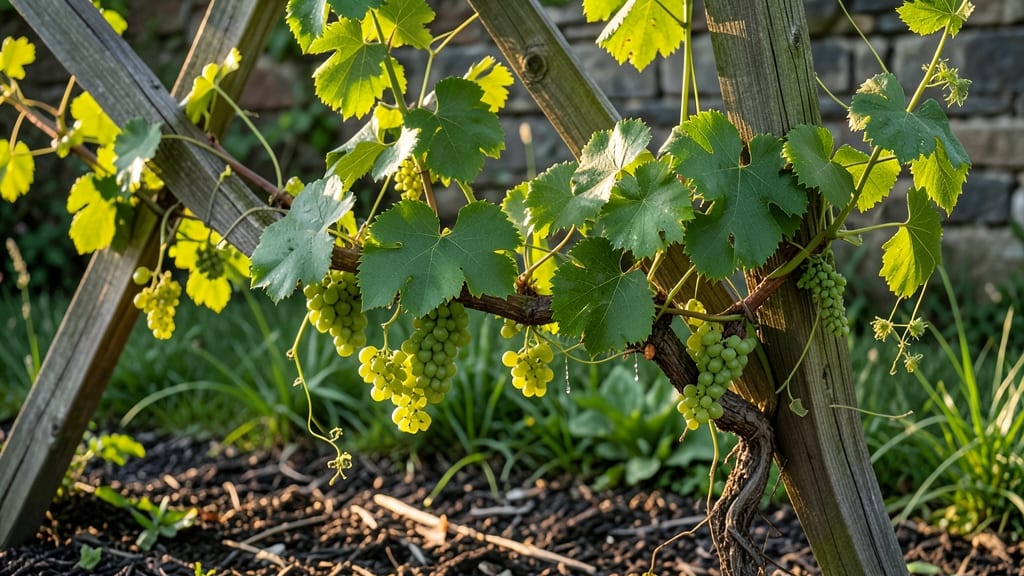
Growing green grape vines from scraps is the easiest way to get your own vineyard started—no nursery trip required. 🌱 I’ve regrown vines from grocery store stems that would’ve ended up in the compost, and now my balcony produces sweet, juicy grapes every summer.
The key is picking the right variety and giving it the right conditions from day one. You’ll need a sunny spot with at least 6 hours of direct light, well-draining soil, and a sturdy trellis—even small varieties need support.
Most green grapes thrive in zones 5-9, but with the right care, you can grow them in containers too. The real magic happens in the first few weeks when roots form and shoots sprout. By midsummer, you’ll be harvesting clusters of grapes that taste fresher than anything from the store.
The vines grow fast, and with proper pruning, they’ll keep producing for years. Just be patient—first harvests might be small, but the payoff is worth it. Works for balconies, patios, or even indoor windowsills with grow lights. Let’s get those scraps growing!
📚 In This Guide
- What you need
- Instructions
- Tips and common mistakes
- Wrapping up and next steps
What you need
- ● Green grape vine scraps: 1-2 healthy, disease-free stems (4-6 inches long) with at least 2-3 nodes (swollen areas where leaves grow).
- ● Must include a small portion of the base (where the fruit attaches).
- ● Water: Distilled or room-temperature tap water (avoid chlorinated water if possible).
- ● Container: Small glass (e.g., mason jar) or clear plastic cup (8-12 oz) for propagation.
- ○ Optional: A shallow tray or saucer to catch excess water.
- ○ Rooting hormone (optional but helpful): A small bottle of powder or gel to encourage faster root growth.
- ● Potting mix: Well-draining, sterile soil mix (e.g., cactus/succulent blend or 50% perlite + 50% peat moss).
- ● Larger pot or garden bed: 12-inch diameter pot or outdoor space with full sun (6+ hours/day).
- ● Fertilizer: Balanced liquid fertilizer (e.g., 10-10-10) for transplanting.
- ○ Optional: Organic compost or worm castings for long-term growth.
- ● Sharp scissors or pruning shears (sterilized with rubbing alcohol).
- ● Spray bottle (for misting leaves).
- ● Plastic wrap or humidity dome (to retain moisture during rooting).
- ● Prerequisites: Patience—roots take 2-4 weeks to form!
- ● Access to indirect sunlight (e.g., near a bright window or grow light).
- ● Consistent care (check water levels daily).
Step-by-Step instructions for regrowing green grape vines from scraps
Here’s how to grow new grape vines from store-bought scraps—no fancy tools or green thumbs required.
🌱 Step 1: Select and Prepare the Grape Stem
Pick a healthy grape stem with at least 3-4 buds (those little bumps where leaves grow) and 4-6 inches of length. Rinse it gently under water to remove any residue, then let it dry completely for 1-2 hours—this prevents rot. I always look for stems with fresh, firm buds, not dried-out or shriveled ones.
Trim the bottom of the stem at a 45-degree angle using clean scissors or pruners. This angled cut gives the stem more surface area to absorb water later. Place the stem in a glass of room-temperature water—just enough to cover the bottom ½ inch—and set it in a spot with bright, indirect light (like a sunny windowsill).
💧 Step 2: Encourage Root Growth in Water
Change the water every 2-3 days to keep it fresh and oxygenated. You’ll see tiny white roots sprouting from the angled cut in about 2-3 weeks, depending on temperature and light. I’ve found that keeping the water lukewarm (around 70°F) speeds up root growth—just avoid hot water, which can shock the stem.
Once roots reach 1-2 inches long, they’re ready for the next step. Watch for signs of mold or cloudy water—if you see either, dump the old water, rinse the roots, and start fresh. A healthy stem will have straight, white roots growing downward.
☀️ Step 3: Plant in Soil and Support Early Growth
Fill a 6-inch pot with well-draining potting mix (I use a mix of 50% potting soil and 50% perlite for airflow). Gently remove the stem from water, shake off excess moisture, and plant it 1 inch deep in the soil. Press the mix lightly around the stem to secure it—don’t pack it down too hard, or you’ll restrict root growth.
Water lightly until the soil feels moist but not soggy, then place the pot in a spot with full sun (6+ hours daily). Grape vines love warmth, so aim for a temperature between 65-75°F. You’ll notice new leaves sprouting from the buds in about 1-2 weeks—this is your sign the plant is thriving.
✂️ Step 4: Prune and Train for Strong Vines
Once the vine reaches 6-8 inches tall, pinch off the top set of leaves to encourage branching. This trick forces the plant to grow bushier instead of just one long stem. I also tie the main stem to a small stake or trellis with soft twine—grape vines are heavy and need support as they grow.
After 4-6 weeks, you’ll see tendrils (those curly growths) appear. These are the vine’s way of climbing—let them wrap around the trellis naturally. Water when the top inch of soil feels dry, but avoid overwatering, which can cause root rot. A mature grape vine will need 1-2 gallons of water per week once established.
🌿 Step 5: Fertilize and Prepare for Fruit (Optional)
When the vine shows new growth in spring, feed it with a balanced liquid fertilizer (10-10-10) diluted to half strength. I apply it every 4-6 weeks during the growing season to keep the plant healthy. Grape vines are heavy feeders, so don’t skimp—you’ll see bigger leaves and stronger stems.
If you’re growing for fruit, be patient—it can take 2-3 years for a regrown vine to produce grapes. But the first flowers and clusters are worth the wait! Prune back 1/3 of the vine in late winter to encourage new, fruitful growth. With care, your scraps will turn into a thriving vine.
Tips & tricks for regrowing green grape vines
Turning grape scraps into thriving vines is easier than you think—here's how to avoid common pitfalls and maximize success.
Selection Matters: In Step 1, choose stems with plump, green buds that feel firm when gently squeezed. Avoid stems with brown or dried-out buds—they won't regrow. I've found that stems from organic grapes often have more vigor, likely due to fewer chemical residues. The 4-6 inch length is ideal because shorter stems may not have enough energy reserves for root growth.
Root Growth Secret: During Step 2, place your glass of water in a spot where the temperature stays around 70°F—this is the sweet spot for root development. I keep mine near a sunny window but not in direct sunlight, which can heat the water too much. If your kitchen runs cooler, you might see roots take 3-4 weeks instead of the usual 2-3 weeks. The ½ inch water coverage is crucial—too much can cause rot, too little prevents proper hydration.
Soil Preparation: For Step 3, don't skip the perlite—it's what prevents waterlogging in grape vines. I've seen many beginners use regular potting soil and end up with root rot. The 1 inch planting depth might seem shallow, but grape vines naturally grow with shallow roots. Press the soil gently around the stem to eliminate air pockets, which can dry out the roots during the critical first week after transplanting.
Pruning Technique: When you reach Step 4 and pinch those top leaves, do it just above a leaf node (where leaves attach to the stem). This encourages the plant to branch out from that node. I've noticed that vines pruned this way develop 2-3 new branches within 4-6 weeks, creating a bushier plant that supports more fruit later. The soft twine support is essential—without it, the main stem can flop over as it grows heavier.
Pro Tips for Green Grape Vine
- Turning grape scraps into thriving vines is easier than you think—here's how to avoid common pitfalls and maximize success.
- Selection Matters: In Step 1, choose stems with plump, green buds that feel firm when gently squeezed.
- Root Growth Secret: During Step 2, place your glass of water in a spot where the temperature stays around 70°F—this is the sweet spot for root development.
Frequently asked questions
Got questions about growing green grape vines from scraps? You’re not alone—this method is exciting but can feel tricky at first! Below, we’ve rounded up the most common questions (and answers) to help you succeed.
Can I regrow a grape vine from any store-bought grapes?
Unfortunately, no—most commercial grapes (especially seedless varieties) won’t sprout because they lack viable seeds. For best results, use organic, seed-containing grapes (like Thompson Seedless or Concord) or save seeds from homegrown vines. If you’re unsure, try the water test: Place seeds in a damp paper towel for 3–5 days—if they sprout, you’re golden!
How long does it take for grape vine scraps to grow roots?
Patience is key! With the right setup (water + indirect light), you’ll see tiny roots in 1–2 weeks. Full root development (ready for transplanting) takes 3–4 weeks. Keep the water fresh and warm (around 70°F) to speed up the process. Pro tip: Use a clear jar so you can monitor root growth—it’s oddly satisfying!
What if my grape vine scraps rot instead of growing?
Rotting is usually a sign of too much water or bacterial/fungal growth. To fix it:
- Drain excess water immediately and let scraps dry slightly before re-submerging.
- Add a 1:10 dilution of hydrogen peroxide (3%) to the water to prevent mold.
- Replace water every 2–3 days to keep it fresh.
When and how should I transplant my rooted grape vine?
Transplant once roots reach 2–3 inches long (usually 4–6 weeks in). Choose a sunny spot (6+ hours of light) and well-draining soil. Bury the rooted stem 1–2 inches deep, water lightly, and keep soil moist (not soggy). For faster growth, use a 5-gallon pot first before moving outdoors after the last frost.
Will my homegrown grape vine produce edible grapes?
Yes—but it takes time! Seed-grown vines may take 3–5 years to bear fruit, and grapes might not match store-bought varieties in size or flavor. For faster results, try grafting or buying a young vine from a nursery. If you’re patient, though, homegrown grapes are incredibly rewarding (and tastier than anything you’ll buy!).
Wrapping up and next steps
Growing a green grape vine from scraps isn’t just rewarding—it’s a fun, sustainable way to bring life to your kitchen or garden! With just a few simple steps, you can nurture a thriving vine in weeks, enjoying fresh grapes (or even regrowing more scraps) year after year. 🌱
Ready to take the next step? Start with your next grape purchase—save the stem, follow the guide, and watch your green thumb grow! Share your progress with fellow plant lovers, and who knows? You might inspire someone else to try this easy, eco-friendly trick. Happy growing! 🌟