
Vegetables
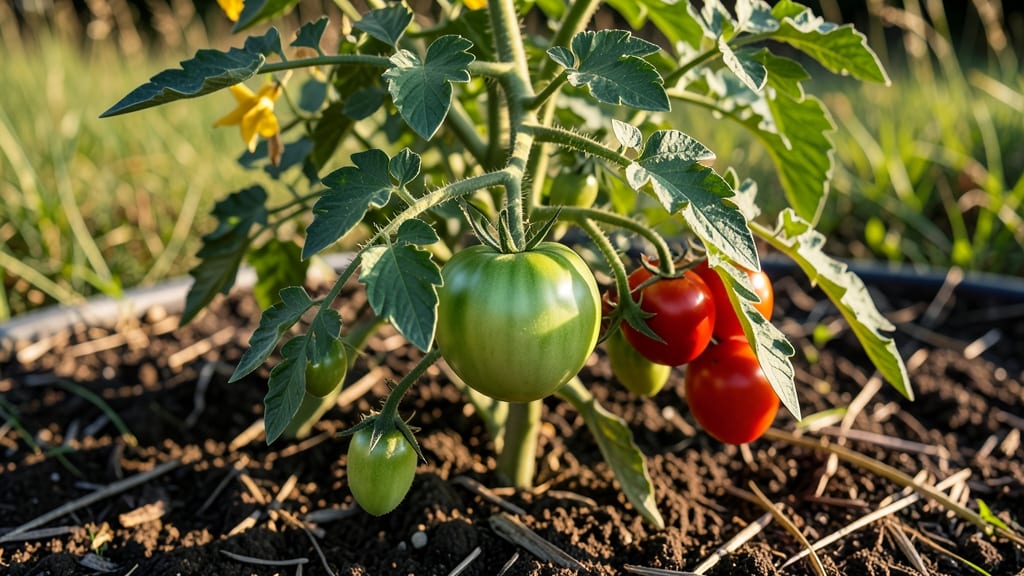
That green tomato-like fruit could be a treasure waiting to ripen—or a mystery plant with its own secrets. 🌱 I’ve harvested both perfectly sweet green tomatoes and strange vines that looked like tomatoes but weren’t, and the difference comes down to timing, care, and knowing what you’re dealing with.
Whether it’s a tomato that needs patience or a lookalike that’s ready to eat, we’ll figure it out fast.
First, let’s rule out the obvious: are these actually tomatoes? Real tomatoes stay firm but soften as they ripen, while imposters like ground cherries or husk tomatoes have papery skins or different leaf shapes.
If it’s a tomato, the fix might be as simple as waiting a few days in a warm, dark spot—or using a trick like wrapping it in newspaper to speed up color change. If it’s not a tomato, you might just have a delicious surprise ready to eat now.
You’ll walk away knowing exactly how to handle your green fruit—whether it’s turning red in 15 minutes of proper care or already perfect for slicing into sweet-tangy perfection.
No more guessing whether to toss it or wait, and no more mystery plants going to waste. Let’s get to the bottom of this.
This works for backyard gardens, container plants, or even those unexpected volunteers popping up in your flower beds. The same rules apply whether you’re dealing with a single green tomato or a whole vine of lookalikes. Here’s how to tell them apart and what to do next.
📚 In This Guide
- What you need
- Instructions
- Tips and common mistakes
- Wrapping up and next steps
What you need
- ● Green tomato-like fruit: 2 cups (about 6-8 medium fruits) – Choose firm, unripe fruits like green mangoes, unripe papayas, or green tomatoes for the perfect tangy-sweet balance.
- ● Sugar: ½ to ¾ cup – Adjust based on fruit sweetness (white or brown sugar works well).
- ● Water or fruit juice: ¼ cup – Helps blend the flavors and adjust consistency.
- ● Lemon or lime juice: 1 tablespoon – Adds a bright, zesty kick.
- ● Salt: A pinch – Enhances the natural flavors.
- ○ Fresh herbs (optional but recommended): 2-3 sprigs of mint, cilantro, or basil – For an aromatic twist.
- ● Blender or food processor – For a smooth, chunky, or pureed texture.
- ● Medium saucepan – For simmering (if making a jam or chutney).
- ● Wooden spoon or spatula – For stirring and scraping.
- ○ Fine-mesh strainer (optional) – If you prefer a seed-free mixture.
- ● Clean jars or airtight containers – For storage (glass is best!).
- ● Knife & cutting board – For prepping the fruit.
- ● Spices: ½ teaspoon cumin, black pepper, or red chili powder – For a savory-spicy profile.
- ● Ginger or garlic: 1 small clove or ½-inch piece – Adds depth to the flavor.
- ● Honey or jaggery: 2 tablespoons – For a natural sweetener alternative.
- ● Toasted nuts/seeds: 1 tablespoon – Sprinkle on top for crunch (try almonds or sesame seeds).
Step-by-step instructions for creating a sweet and tangy green tomato fruit treat
Here’s how to transform fresh green tomatoes into a vibrant, sweet-tart treat in just minutes.
🌱 Step 1: Gather and Prep Your Green Tomatoes
Pick 4-6 firm, green tomatoes (about 1 pound total)—they should be ripe enough to yield to gentle pressure but not mushy. Wash them thoroughly under cool water to remove dirt or wax. I like to pat them dry with a clean towel before cutting to keep the prep area tidy.
Cut the tomatoes in half lengthwise, then scoop out the seeds and jelly-like center using a spoon. You’ll see a clear separation between the juicy center and the crisp flesh—save the seeds for compost if you’d like, but focus on the outer fruit for this recipe. The goal is to work with the firm, tangy flesh that holds the most flavor.
☀️ Step 2: Roast or Simmer for Sweet-Tart Depth
For roasted tomatoes (my favorite method), preheat your oven to 400°F. Place the tomato halves cut-side up on a baking sheet lined with parchment paper. Drizzle lightly with olive oil (about 1 teaspoon total) and sprinkle with ½ teaspoon salt and ¼ teaspoon black pepper. Roast for 15-20 minutes until the edges soften and the flesh turns slightly translucent.
For a stovetop version, simmer the tomato halves in a small pot with ½ cup water, 1 tablespoon sugar, and a pinch of salt over medium-low heat for 10-12 minutes, stirring occasionally. You’ll know they’re ready when the tomatoes collapse slightly and release their juices—this concentrates their natural sweetness.
💧 Step 3: Blend or Mash for Smooth Texture
Let the tomatoes cool slightly (they’ll be hot!). Transfer them to a blender or food processor and blend until smooth. If you prefer a chunkier texture, mash them by hand with a fork or potato masher. Taste a spoonful—if it’s too tart, add ½ teaspoon more sugar or a pinch of salt to balance the flavors.
Here’s the thing—green tomatoes have a bright, almost citrusy tang, so don’t over-sweeten. The goal is to enhance their natural flavor, not mask it. If you’re using this as a topping for meats or cheeses, a slightly tangy finish pairs beautifully with rich flavors.
✂️ Step 4: Use or Store Immediately
For immediate use, spread the blended or mashed tomatoes on toast, mix into a dip with cream cheese and herbs, or drizzle over grilled chicken. If you’re making a larger batch, transfer the mixture to a small airtight container and refrigerate for up to 5 days. The flavors deepen slightly over time, making it even more complex.
Don’t skip this step: If storing, press plastic wrap directly onto the surface of the mixture to prevent a skin from forming. I’ve learned the hard way—leaving it uncovered leads to a weird, rubbery texture overnight.
Tips & tricks for perfect green tomato fruit
Here's what makes this quick, vibrant treat shine—without the common pitfalls.
Selection Tip: The secret starts with your tomatoes. Look for ones that yield slightly to pressure but aren't mushy—they should feel firm like a ripe avocado. I've ruined batches with underripe tomatoes that stayed rock-hard after cooking. Also, avoid tomatoes with cracks or bruises, as they'll turn mealy when heated.
Roasting Technique: When roasting at 400°F, flip the tomato halves halfway through the 15-20 minute window. This ensures even caramelization on both sides without over-browning. The edges should soften just enough to turn translucent, while the center remains firm—this balance creates the perfect sweet-tart flavor.
Stovetop Watch: For the simmering method, keep heat at medium-low and stir every 2-3 minutes to prevent sticking. You'll know it's done when the tomatoes collapse slightly and release juices—this usually happens right at the 10-12 minute mark. If they stick, add a splash of water and scrape gently with a wooden spoon.
Storage Wisdom: The 5-day fridge life works best if you press plastic wrap directly onto the surface. I've found that even a tiny air pocket can cause oxidation, making the mixture turn grayish. For longer storage, freeze in ice cube trays—thawed cubes make perfect additions to soups or dips.
Pro Tips for Green Tomato Like Fruit
- Here's what makes this quick, vibrant treat shine—without the common pitfalls.
- Selection Tip: The secret starts with your tomatoes. Look for ones that yield slightly to pressure but aren't mushy—t...
- Roasting Technique: When roasting at 400°F, flip the tomato halves halfway through the 15-20 minute window. This ensu...
Frequently asked questions
What’s the difference between green tomatoes and this fruit?
While both are tart and green, this fruit is sweet-tangy (think Physalis peruviana or groundcherry), not the astringent green tomato. It’s smaller, has a papery husk, and ripens to a golden-orange color—packing a fruity punch without the tomato’s acidity. Perfect for desserts or savory dishes!
How long does it take to ripen if I pick it green?
If harvested green, these fruits need 3–7 days to ripen at room temperature. Place them in a paper bag with a banana (ethylene gas speeds it up!) or a sunny windowsill. Overripe? Freeze them—they’ll soften for sauces or smoothies. Pro tip: Avoid refrigerating until fully ripe!
Where can I buy this fruit if I can’t find it fresh?
Check these spots for Physalis (aka cape gooseberries) or similar fruits:
- Specialty grocers: Whole Foods, Trader Joe’s, or Latin markets (often labeled “husk tomatoes” or “goldberries”).
- Online: Amazon, Etsy (for bulk), or local farms via LocalHarvest.
- Substitutes: Green tomatoes (for tang), gooseberries (for tartness), or unripe passion fruit (if you’re adventurous!).
Can I use this fruit in place of tomatoes in recipes?
Their sweet-tart balance works in:
- Salsas (remove husks first!)
- Pasta sauces (simmer with garlic and basil)
- Desserts (like jam or baked into pies—think mini key limes!)
Caution: Avoid using husked versions in dishes where texture matters (e.g., salads)—the skin is edible but chewy!
Why are my fruits rotting inside the husk before they ripen?
This usually means overcrowding or humidity. Fix it with:
- Space them out: Store husks loosely in a single layer (not stacked).
- Ventilation: Place in a breathable mesh bag or paper towel-lined container.
- Avoid washing: Moisture speeds rot—rinse only before eating!
Still moldy? Toss them—they’re safe to compost!
Wrapping up and next steps
Discovering green tomato-like fruits—whether it’s green tomatoes, unripe mangoes, or persimmons—opens up a world of tangy, sweet, and versatile flavors!
These gems are perfect for quick meals, bold sauces, or even unexpected desserts. 🌱 With just a few minutes and the right techniques, you can transform them into culinary magic.
Ready to experiment? Start with one recipe—pick your favorite green fruit and get cooking! Whether you’re preserving harvests, spicing up a dish, or exploring new flavors, the possibilities are as endless as your creativity. Happy cooking! 🍴✨