
Vegetables
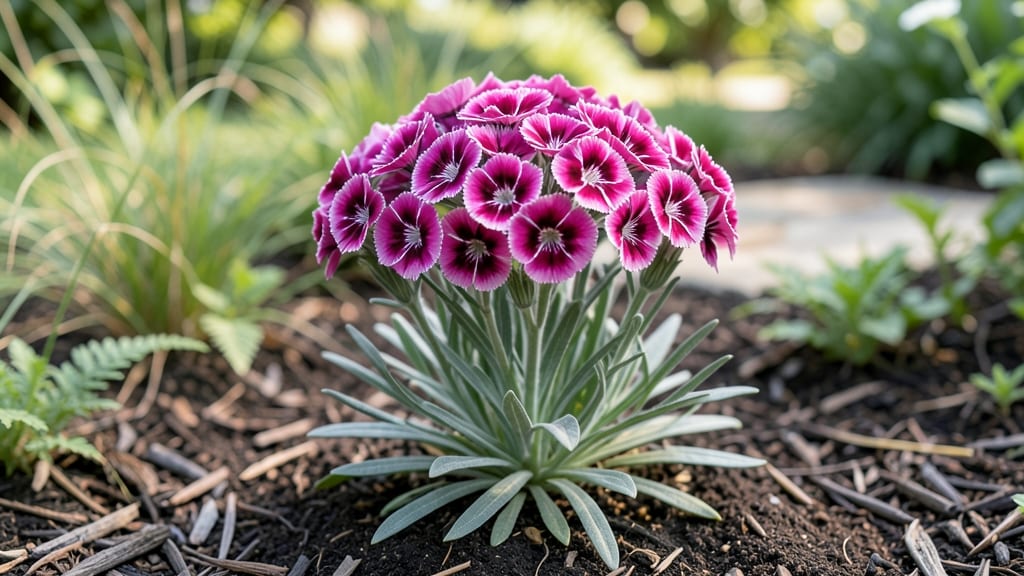
Your Dianthus plants could multiply tenfold this year using just a pair of scissors and a sunny windowsill. 🌱 The "green trick" for Dianthus—taking stem cuttings—lets you grow new plants from existing ones without buying seeds or seedlings.
I've doubled my garden's color every spring using this foolproof method, and the best part? These cold-resistant perennials thrive even in Zone 3 winters. The secret lies in timing: take cuttings in early summer when growth is vigorous, and you'll have rooted plants ready for transplanting by fall.
Most people overlook Dianthus because they think it's tricky, but the stems root easily in water or soil—no special greenhouse needed. Just grab a healthy stem, snip it right below a leaf node, and watch roots form in about 3-4 weeks.
What you end up with is a clump of identical pink, red, or white blooms that spread effortlessly. The fragrance alone makes it worth the effort—imagine walking past and smelling sweet clove-like perfume without even touching the plant. These cuttings establish faster than seedlings and handle transplant shock like pros.
Works for all Dianthus varieties, from classic 'Firewitch' to delicate 'Grenadine'. Let's get those cuttings growing!
📚 In This Guide
- What you need
- Instructions
- Tips and common mistakes
- Wrapping up and next steps
What you need
- ● Green Trick Dianthus cuttings or seeds: 5-10 cuttings (4-6 inches long) or 1-2 seed packets (for propagation).
- ● Well-draining potting mix: 1-2 gallons of a blend designed for succulents or perennials (e.g., cactus/succulent mix + perlite).
- ● Containers or seed trays: Small pots (3-4 inches in diameter) for cuttings, or
- ● A seed tray with drainage holes for seeds.
- ○ Rooting hormone (optional but recommended): A small bottle (e.g., Clonex or Hormex).
- ● Clear plastic wrap or humidity dome: To retain moisture during rooting.
- ● Watering can or spray bottle: For gentle hydration.
- ● Fertilizer (balanced, low-nitrogen): 5-10-5 or 10-10-10 (diluted to half-strength).
- ● Garden gloves: To protect your hands from thorns.
- ● Sharp pruning shears or scissors: Sterilized with rubbing alcohol.
- ○ pH test kit (optional): To check soil acidity (ideal pH: 6.0-7.0).
- ● Sunlight access: A south-facing window or grow lights (12+ hours/day).
- ● Cold-hardy outdoor space (Zone 4-8): For transplanting mature plants (after rooting).
- ○ Mulch (optional): Straw or shredded leaves to protect roots in winter.
Step-by-step instructions for growing Green Trick Dianthus from cuttings
Here's how to multiply your favorite cold-hardy dianthus—no fancy tools needed, just sharp scissors and patience.
🌱 Step 1: Take Healthy Cuttings at the Right Time
Wait until after flowering but before new growth in early spring or late summer. Choose stems that are 4-6 inches long with at least 3-4 pairs of leaves. Make a clean cut just below a leaf node with sharp scissors—this is where roots will form. I always look for stems that feel firm, not woody or rubbery.
Remove the lower leaves, leaving only the top 2-3 pairs. This prevents rot while allowing the top leaves to photosynthesize. Strip leaves from the bottom 1 inch of stem—this area will grow roots. Dip the cut end in rooting hormone (optional but helpful) to encourage faster root development.
💧 Step 2: Prepare and Plant the Cuttings
Fill small pots (about 3-4 inches deep) with a mix of 50% perlite and 50% peat moss—this keeps moisture even while allowing airflow. Moisten the mix until damp but not soggy. I like to use 4-inch pots for each cutting since dianthus roots spread quickly.
Insert each cutting 1-2 inches deep into the mix, pressing gently to hold it in place. Space them 2 inches apart if planting multiple in one container. Water lightly until the mix feels evenly moist. Cover the pot with a clear plastic bag to retain humidity, but leave it slightly open for airflow.
☀️ Step 3: Provide Ideal Conditions for Root Growth
Place the cuttings in a location with bright, indirect light—no direct sun yet. Keep the temperature between 65-75°F for best results. I use a small greenhouse tray on a seedling heat mat to maintain warmth without overdoing it. Mist the cuttings lightly every 2-3 days to keep humidity high.
Check for root growth in 4-6 weeks. Gently tug on a cutting—if it resists slightly, roots are forming. Once you see new growth at the top (usually 2-3 weeks after rooting), the cuttings are ready to transplant. This is the moment that matters: patience pays off here.
🪴 Step 4: Harden Off and Transplant
Remove the plastic bag and place the cuttings in partial shade for a week to acclimate. Gradually increase sun exposure over 7-10 days, moving them to their final location. Dianthus thrives in full sun, but sudden exposure can scorch new leaves.
Transplant into well-draining soil with sandy loam amended with compost. Space plants 12-18 inches apart to allow airflow and prevent disease. Water deeply after planting to settle the roots. Real talk: the first few weeks are critical—keep soil moist but not waterlogged to avoid rot.
Tips & tricks for perfect Green Trick Dianthus propagation
These little tricks will help you turn stem cuttings into thriving dianthus plants with minimal fuss.
Timing is Everything: The window between flowering and new growth is your golden opportunity. I've found that late summer cuttings often root faster than spring ones because the plant still has energy reserves. If you miss this window, wait until early spring when growth starts again—just don't delay too long or you'll catch the plant in its dormant phase.
Rooting Hormone Hack: While rooting hormone is optional, I've had the best success using it—especially in cooler conditions. If you don't have it, crush a regular aspirin tablet and dip your cuttings in the powder instead. The salicylic acid helps stimulate root growth. Just make sure to dip only the bottom inch where roots will form, not the entire stem.
Light Balance: That bright indirect light is crucial—direct sun can scorch tender new growth while too little light slows root development. I place my cuttings near an east-facing window where they get morning sun but afternoon shade. If you don't have good natural light, a grow light on a timer for 12-14 hours daily works wonders. The key is maintaining that 65-75°F temperature range while avoiding heat stress.
Humidity Control: The plastic bag creates a mini greenhouse effect, but don't seal it completely—you need that tiny airflow gap to prevent mold. I like to poke a few small holes in the bag or use a clear plastic dome with ventilation holes. Check humidity daily by lifting the bag—if condensation forms inside, you're doing it right. Too much moisture leads to rot; too little means slow rooting.
Pro Tips for Green Trick Dianthus
- These little tricks will help you turn stem cuttings into thriving dianthus plants with minimal fuss.
- Timing is Everything: The window between flowering and new growth is your golden opportunity.
- Rooting Hormone Hack: While rooting hormone is optional, I've had the best success using it—especially in cooler conditions.
Frequently asked questions
Can Green Trick Dianthus regrow from cuttings, or do I need to buy new plants?
Yes! One of the best features of Green Trick Dianthus is its ability to regrow from cuttings. Simply snip healthy stems (about 3-4 inches long), remove the lower leaves, and place them in moist potting mix. Keep them in bright, indirect light until roots form (usually 2-4 weeks). This method saves money and ensures plants identical to your favorites!
How cold-hardy is Green Trick Dianthus, and can it survive winter?
This variety thrives in USDA Zones 3-9, making it one of the toughest dianthus types. While it’s cold-resistant, young plants or newly propagated cuttings may need winter protection (like mulch or frost cloth) in harsh climates. Established plants often bounce back after light frosts—just avoid soggy soil to prevent rot.
How long does it take for Green Trick Dianthus to bloom after planting?
With patience, you’ll see blooms 6-8 weeks after planting cuttings or 8-12 weeks from seed. For faster results, opt for rooted cuttings in spring. Deadhead spent flowers to encourage non-stop blooming from early summer to fall. Bonus: The scent intensifies in cooler weather!
What’s the best way to prevent powdery mildew on my dianthus?
Powdery mildew is common but manageable. Improve airflow by spacing plants 8-12 inches apart, water at the base (avoid overhead), and choose sunny spots (6+ hours of light). If mildew appears, spray with a baking soda solution (1 tsp baking soda + 1 quart water + a drop of soap) or neem oil. Resistant varieties like Green Trick handle stress better than hybrids.
Are there alternatives to Green Trick Dianthus for cold climates?
If you love cold-hardy, fragrant perennials, try these equally tough options:
- Sweet William (Dianthus barbatus) – Zones 3-9: Biennial with clusters of colorful blooms.
- Iceberg Zinnia (Zinnia elegans) – Zones 3-10: Drought-tolerant and long-blooming.
- Russian Sage (Perovskia atriplicifolia) – Zones 4-9: Drought-resistant with silvery foliage.
Wrapping up and next steps
Growing Green Trick Dianthus is a rewarding way to add vibrant, cold-resistant beauty to your garden—without breaking the bank! With just a few simple cuttings and basic care, you’ll enjoy perennials that thrive year after year.
Whether you’re a seasoned gardener or a beginner, this resilient plant proves that low-maintenance doesn’t mean low-impact.
Ready to dive in? Start by gathering your supplies, then take the first step—propagate those cuttings! 🌱 Before you know it, your garden will be bursting with Green Trick Dianthus blooms, ready to impress and inspire.