
Vegetables
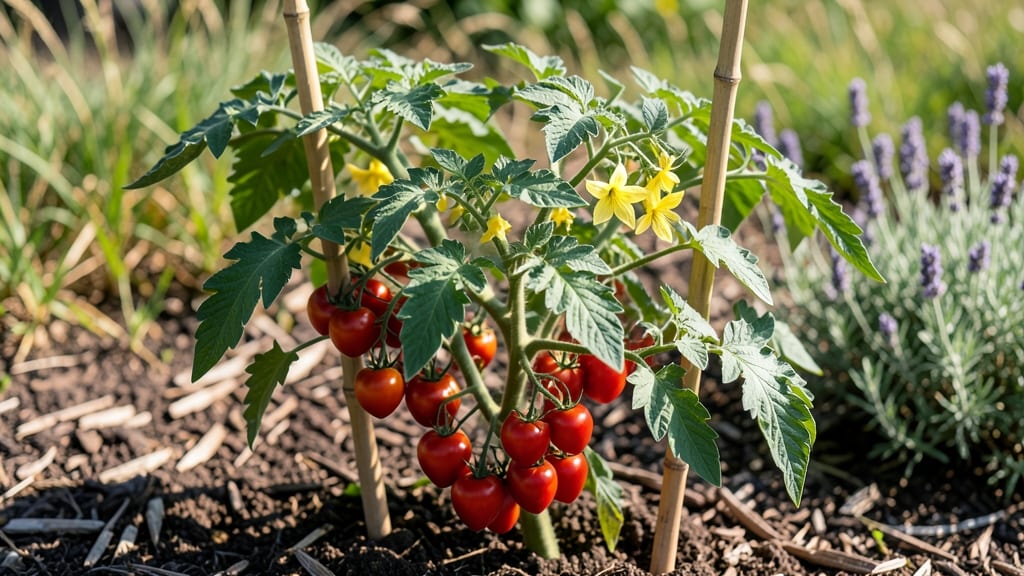
Growing heart cherry tomatoes changes everything about your garden—they actually survive winter and come back stronger every spring. 🌱 I’ve watched mine push through snow, regrow from the roots, and produce sweet, bite-sized tomatoes for years without replanting.
This isn’t just another annual; it’s a game-changer for gardeners who hate replanting or want low-maintenance harvests.
The secret starts with cold-hardy varieties like ‘Black Cherry’ or ‘Sweet 100,’ which handle frost better than most tomatoes. You’ll need well-draining soil (amend with compost), full sun (6+ hours daily), and a spot sheltered from harsh winds.
Plant seeds indoors 8 weeks before last frost or buy sturdy seedlings—just avoid soggy soil, which rots roots faster than you’d think.
Once established, these plants reward you with months of fruit if you prune aggressively (remove suckers weekly) and water deeply but infrequently (1-2 inches per week). The real magic?
They regrow from the base every spring, so you’ll harvest for 10+ years with minimal effort. Just watch for early blight—mulch heavily to prevent it.
Harvest when tomatoes are deep red and plump (they don’t ripen off the vine well). Store in a cool, dry place for up to 2 weeks, or freeze extras for winter. The best part? No replanting, no empty garden beds—just year-after-year abundance with almost no extra work. Ready to try?
📚 In This Guide
- What you need
- Instructions
- Tips and common mistakes
- Wrapping up and next steps
What you need
- ● Heart cherry tomato plants: 1–3 Solanum lycopersicum varieties (e.g., 'Cherry Heart,' 'Sweet Million,' or 'Tumbling Tom'). Start with 1 plant per 2–3 square feet for optimal growth.
- ● Option: Seeds (if starting indoors, sow 4–6 seeds per pot, ¼ inch deep).
- ● Containers or garden beds: For potted growing: 5–10 gallon containers with drainage holes (1 per plant).
- ● For in-ground planting: Well-draining soil in a sunny spot (6+ hours of sunlight daily).
- ● Potting mix: 1 bag of high-quality, organic potting soil (or a mix of 60% potting soil + 40% compost). Avoid garden soil—it compacts too easily!
- ● Fertilizer: Balanced 10-10-10 fertilizer or tomato-specific fertilizer (follow package rates).
- ○ Optional: Compost tea or worm castings for organic nourishment.
- ● Support system: Cage, trellis, or stakes (2–3 feet tall) to support vining varieties.
- ● For container growing: A lightweight tomato clip or soft tie.
- ● Watering tools: Watering can or hose with a gentle spray nozzle (avoid soaking leaves).
- ○ Drip irrigation kit (optional but highly recommended for consistency).
- ● Hardiness: Heart cherry tomatoes thrive in USDA Zones 3–11. They’re perennial in warm climates but often treated as annuals in colder zones.
- ● Temperature: Plant after the last frost when soil reaches 55–65°F.
- ● Mulch with straw or shredded leaves to protect roots in winter (if growing as perennials).
- ● Sunlight: Full sun (6+ hours daily) is non-negotiable for sweet, abundant fruit!
- ● Pruning shears for trimming suckers and dead leaves.
- ● Row covers or frost cloth to extend the growing season.
- ● Epsom salt (1 tbsp per gallon of water) for magnesium boosts.
- ● Pest control: Neem oil or insecticidal soap for aphids/spider mites.
- ● Grow lights (if starting seeds indoors early).
Step-by-Step instructions for planting and cultivating heart cherry tomatoes
Here’s how to grow these cold-hardy, regrowing tomatoes that keep producing year after year.
🌱 Step 1: Choose the Perfect Location and Prepare the Soil
Heart cherry tomatoes thrive in full sun—at least 6-8 hours daily—so pick a spot that gets morning sun and afternoon shade if your climate is hot. I always test the soil first: dig a 6-inch hole, fill it with water, and wait 6 hours. If it’s gone, your drainage is good. If not, amend with 2-3 inches of compost and a handful of perlite to loosen the soil.
These plants are perennials, so avoid heavy, clay soil that stays soggy. The goal is well-draining, fertile ground rich in organic matter. I like to work in a 5-10-10 fertilizer at planting time to give them a nutrient boost for their first year. Spread it evenly in the planting hole before setting the plant.
🌿 Step 2: Plant Transplants or Start Seeds Indoors Early
Since heart cherry tomatoes are cold-hardy, you can direct-sow seeds 4-6 weeks before your last frost date—or start them indoors 8-10 weeks early if your spring is cool. I use biodegradable pots to avoid root disturbance when transplanting. Plant seeds ¼ inch deep, spacing them 18-24 inches apart in rows 2 feet apart to allow for air circulation and future growth.
If using transplants, harden them off for 7-10 days before planting. Watch for first true leaves—they’ll be small and round, not the initial seed leaves. Plant them in the morning when the soil is cool, and water deeply right after to help roots establish. Mulch with 2-3 inches of straw to retain moisture and suppress weeds.
☀️ Step 3: Provide Consistent Care for Year-Round Production
Water deeply once a week, aiming for 1-1.5 inches of water per week. Let the top 2 inches of soil dry out between waterings to prevent rot. I use a soaker hose to keep leaves dry, which reduces disease risk. These tomatoes are drought-tolerant once established, but consistent moisture encourages bigger, sweeter fruit.
Fertilize lightly every 4-6 weeks with a balanced organic fertilizer (like 10-10-10) to support regrowth. Prune suckers—those little shoots growing between the main stem and branches—weekly to direct energy into fruit production. You’ll see small, heart-shaped cherries forming in 60-70 days after planting.
✂️ Step 4: Harvest and Prune for Continuous Yields
Harvest when tomatoes turn deep red and plump, usually in late summer to early fall. I pick every 2-3 days to encourage more production. Use scissors or pruners to avoid damaging the plant. After the first frost, cut back one-third of the plant to stimulate new growth in spring—these tomatoes regrow from the base!
In colder climates, protect the base with 4-6 inches of mulch over winter. Come spring, you’ll see new shoots emerge from the ground. Thin them to 2-3 strongest stems per plant to prevent overcrowding. With proper care, your heart cherry tomatoes will reward you with years of delicious, cold-hardy fruit.
Tips & tricks for perfect heart cherry tomatoes
These cold-hardy perennials are a gardener's dream—but only if you nail a few key details.
Soil Test Trick: That 6-hour water test in Step 1 reveals more than just drainage. If water lingers after 6 hours, your soil is too dense. I've found adding 1 part perlite to 3 parts compost creates the perfect airy mix for these tomatoes. For extra insurance, work in 1 cup of coarse sand per planting hole—it helps break up clay naturally over time.
Timing Secret: The 4-6 week window before last frost isn't just a guideline—it's critical for establishing roots before summer heat. I've learned to adjust by checking soil temperature: plant when it reaches 60°F consistently. If you're in a short-season zone, opt for the 8-10 week indoor start to give seedlings a head start against late frosts.
Pruning Strategy: Those weekly sucker removals in Step 3 might seem tedious, but they're what makes these tomatoes regrow year after year. I mark my calendar with "Prune Day" every Sunday morning—it takes just 10 minutes per plant. Pro tip: Use clean, sharp pruners and dip them in rubbing alcohol between cuts to prevent spreading disease. The goal is to keep just 3-4 main stems for maximum fruit production.
Winter Prep: That 4-6 inch mulch recommendation in Step 4 works wonders, but here's the bonus: add a 12-inch diameter ring of straw around each plant's base before winter. This creates an insulated "donut" that protects roots from temperature swings. In spring, simply pull back the mulch to reveal fresh new shoots ready to grow!
Pro Tips for Heart Cherry Tomatoes
- These cold-hardy perennials are a gardener's dream—but only if you nail a few key details.
- Soil Test Trick: That 6-hour water test in Step 1 reveals more than just drainage.
- Timing Secret: The 4-6 week window before last frost isn't just a guideline—it's critical for establishing roots before summer heat.
Frequently asked questions
Got questions about growing heart cherry tomatoes? You’re not alone! These cold-hardy perennials are a gardener’s dream, but they do have quirks. Here are answers to the most common queries to help you cultivate a thriving harvest.
Can heart cherry tomatoes survive winter in colder climates?
Yes! One of their biggest perks is cold hardiness. In USDA Zones 7-10, they’ll often regrow each spring from the roots if mulched well. In colder zones (5-6), protect them with thick mulch (straw or leaves) and row covers. They may die back but often bounce back in spring. Pro tip: Prune back dead foliage in early spring to encourage new growth.
How long does it take for heart cherry tomatoes to produce fruit?
Patience is key—expect the first fruits 60-90 days after transplanting (or 70-100 days from seed). Perennial varieties may take slightly longer the first year as they establish roots. Once mature, they’ll keep producing throughout the growing season and sometimes into fall. Hot tip: Consistent warmth (60°F+) speeds up fruiting!
Why aren’t my heart cherry tomatoes turning red?
Several factors can delay ripening:
- Cool temps (below 70°F) slow color change.
- Low sunlight (6+ hours daily is ideal).
- Overcrowding reduces airflow and stress.
- Nutrient imbalance (too much nitrogen = leafy growth, not fruit).
Are heart cherry tomatoes self-pollinating, or do I need to hand-pollinate?
Great news—they’re self-pollinating! Light shaking of the plant or a gentle breeze is usually enough to trigger pollination. If you’re growing indoors or in a greenhouse, hand-pollinate by gently tapping stems with a small brush or your finger to release pollen. Bonus: This also helps if you’re growing in containers or high-humidity areas where pollinators are scarce.
What can I do with heart cherry tomatoes if they’re too small or tart?
Size and tartness don’t mean waste! Use them in:
Wrapping up and next steps
Heart cherry tomatoes are a gardener’s dream—cold-hardy, prolific, and endlessly rewarding! Whether you’re a beginner or a seasoned grower, their ability to regrow yearly means less work and more flavorful harvests.
With the right care, you’ll enjoy a bounty of sweet, bite-sized tomatoes for salads, snacks, or gourmet dishes.
Ready to dive in? Start by selecting your planting zone, gathering supplies, and giving these resilient plants the love they deserve. Your future self (and taste buds!) will thank you—happy growing! 🌱🍅