
Vegetables
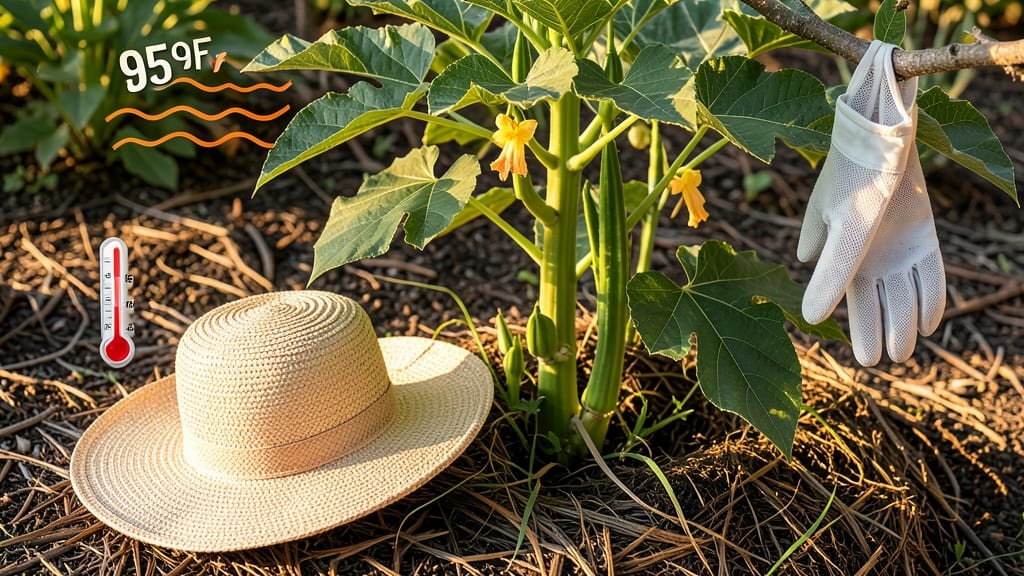
Scorching summers don’t have to mean empty garden beds—these heat-resistant vegetables thrive when others wilt. 🌿 I’ve grown Swiss chard, okra, and sweet potatoes in 100°F+ heat for years, and they keep producing long after most plants give up.
The secret lies in their deep roots, waxy leaves, and smart watering tricks that keep them going strong.
You’ll need well-draining soil with plenty of organic matter—think compost-rich loam—and a watering schedule that mimics summer rains: deep soakings every 2-3 days instead of daily sprinkles. Mulch with straw or wood chips to lock in moisture and keep roots cool.
These plants also love full sun, so choose the hottest spot in your yard, not the shadiest.
By mid-summer, you’ll harvest tender Swiss chard with vibrant red stems, okra pods bursting with seeds, and sweet potatoes with earthy, caramelized flavors. The yields are impressive—my okra plants alone produced over 20 pounds last season—and the taste is sweeter after heat waves.
Plus, they handle pests better than most summer crops.
Adapt this approach to containers for small spaces or extend the season with shade cloth during the hottest afternoons. Whether you’re in the Deep South or a high-desert climate, these plants prove that heat isn’t the enemy—it’s just a different kind of growing challenge. Let’s get those roots digging deep!
📚 In This Guide
- What you need
- Instructions
- Tips and common mistakes
- Wrapping up and next steps
What you need
- ● Heat-tolerant vegetable seeds or seedlings: Okra (e.g., 'Clemson Spineless' or 'Emerald') – 20-30 seeds
- ● Sweet Potatoes (slips or seeds) – 10-15 slips
- ● Malabar Spinach – 10-15 seeds
- ● Sweet Peppers (e.g., 'Carolina Wonder' or 'Jalapeño') – 15-20 seeds
- ● Eggplant (e.g., 'Black Beauty' or 'Ichiban') – 10-12 seeds
- ● Well-draining soil: Mix compost (50%) with sandy loam or coco coir (50%) for optimal aeration.
- ● Containers or garden beds: For containers: 5-gallon pots (minimum) or raised beds (at least 12" deep).
- ● For in-ground: Ensure full sun exposure (6+ hours/day) and mulch (straw or wood chips) to retain moisture.
- ● Organic mulch: Straw, wood chips, or shredded leaves (2-3 inches thick) to protect roots.
- ● Basic gardening tools: Trowel or hand shovel
- ● Pruners (for trimming)
- ● Watering can or drip irrigation system
- ○ Optional (but helpful): Shade cloth (30-50% coverage) for seedlings during extreme heat
- ● pH testing kit (ideal range: 6.0-7.0 for most heat-resistant veggies)
- ● Fertilizer (balanced 10-10-10 or compost tea for nutrient boost)
How to select and establish heat-resistant perennial vegetables
Here's how to build a resilient garden that thrives when temperatures soar.
🌱 Step 1: Choose the Right Heat-Tolerant Perennials
Focus on vegetables known for enduring 90°F+ temperatures without wilting. Swiss chard, malabar spinach, and New Zealand spinach all maintain production through heat waves, while asparagus and rhubarb return year after year with minimal stress. I always plant okinawan spinach in my hottest beds—it keeps producing even when other greens bolt.
Look for varieties labeled "heat-resistant" or "drought-tolerant." Seed packets often specify temperature ranges, but even without that, leafy greens with thick, waxy leaves handle heat better than delicate varieties. Avoid anything with fine, hairy foliage—those burn quickly in direct sun.
☀️ Step 2: Prepare the Soil for Summer Survival
Amend your soil with 2-3 inches of compost before planting to improve moisture retention and nutrient availability. Heat-resistant plants need well-draining soil but also the ability to hold water during dry spells. I mix in a thin layer of mulch (like straw) immediately after planting to reduce evaporation and keep roots cool.
Test your soil's pH—most heat-tolerant perennials prefer 6.0-7.0. If your soil is too alkaline, add sulfur or peat moss to adjust. The goal is a loose, airy medium that prevents compaction, which would suffocate roots during heat stress. Water the amended soil thoroughly before planting to settle everything evenly.
💧 Step 3: Plant During Optimal Window and Water Strategically
Set out transplants or sow seeds in early spring (4-6 weeks before last frost) or late summer (8-10 weeks before first frost) to avoid peak heat. I've found that late afternoon planting reduces transplant shock—roots establish overnight in cooler temperatures. Space plants according to mature size: 18-24 inches apart for asparagus, 12 inches for leafy greens.
Water deeply once a week (or more in extreme heat) to encourage deep root growth. Shallow watering leads to weak roots that can't reach moisture during drought. Use drip irrigation or soaker hoses to deliver water at soil level—this prevents leaf scorch from overhead sprinklers. You'll know your watering is right when the top 2 inches of soil stay moist but not soggy.
✂️ Step 4: Provide Shade and Maintenance Through Heat Waves
When temperatures exceed 95°F, provide 30-50% shade cloth during peak afternoon sun to prevent leaf burn. I drape lightweight fabric over hoops or trellises and secure it loosely—you want airflow, not a greenhouse effect. Monitor plants daily for signs of stress: yellowing leaves or wilted stems signal they're struggling.
Harvest regularly to encourage continuous growth. Overripe vegetables (like bolting greens) signal the plant is trying to reproduce rather than produce edible parts. Cut leaves 1-2 inches above the soil to promote bushier regrowth. If you notice whiteflies or aphids (common in heat), blast them off with water or apply neem oil—chemicals can stress already heat-weary plants.
🌿 Step 5: Plan for Long-Term Perennial Success
After the first harvest season, mulch heavily (4-6 inches) with straw or wood chips to protect roots during winter and conserve moisture in summer. I add a layer of compost each spring to replenish nutrients depleted by continuous harvests. Perennial vegetables like asparagus need 3-4 years to establish fully—be patient and avoid heavy harvesting in early years.
Rotate planting locations every 2-3 years to prevent soil depletion and disease buildup. Mark your garden beds with stakes so you remember where each perennial was planted. Over time, you'll develop a rhythm: spring feeding, summer shade, fall mulching, and winter protection. This system ensures your heat-resistant garden keeps producing for decades.
Tips & tricks for perfect heat-resistant perennial vegetables
Here's what nobody tells you about making these tough plants thrive in extreme heat.
Selection Strategy: When choosing heat-resistant varieties, prioritize plants with thick, waxy leaves like okinawan spinach or malabar spinach—they retain moisture better than delicate types. I've learned the hard way that fine-leafed varieties (like basil) just crisp up and die in 90°F+ temperatures. Look for seed packets labeled "heat-tolerant" or check plant tags for temperature ranges—this saves you from wasting time on plants that'll bolt or wilt.
Soil Preparation Secret: The 2-3 inches of compost recommendation isn't just about nutrients—it's about creating a moisture sponge. Heat-resistant plants need soil that holds water but drains well. I mix in coconut coir or peat moss to improve water retention during droughts, then top with thin mulch immediately after planting. This creates a microclimate that keeps roots cool even when surface temps hit 100°F.
Watering Wisdom: Deep watering once a week (or more in extreme heat) is non-negotiable, but timing matters too. Water in the early morning to prevent evaporation and fungal growth from evening moisture. I use drip irrigation on a timer—it delivers water directly to roots without wetting foliage, which reduces leaf scorch. The top 2 inches of soil should stay moist but not soggy; if it's dry at 2 inches deep, you're not watering deeply enough.
Heat Wave Rescue: When temps exceed 95°F, don't wait for plants to show stress—act preemptively. Install 30-50% shade cloth during peak afternoon sun (12-4 PM) to block intense rays while still allowing airflow. I've seen okinawan spinach recover from near-death wilting when given afternoon shade during heat waves. Remove shade when temps drop below 90°F to maintain photosynthesis.
Pro Tips for Heat Resistant Vegetables
- Here's what nobody tells you about making these tough plants thrive in extreme heat.
- Selection Strategy: When choosing heat-resistant varieties, prioritize plants with thick, waxy leaves like okinawan s...
- Soil Preparation Secret: The 2-3 inches of compost recommendation isn't just about nutrients—it's about creating a mo...
Frequently asked questions
Got questions about growing heat-resistant veggies? You’re not alone!
Here are answers to the most common queries—so you can keep your garden thriving even when the mercury rises.
What are the best heat-resistant vegetables for beginners?
Start with easy, resilient picks like okra, sweet potatoes, or eggplant. These handle heat better than most and forgive occasional neglect. Pro tip: Okra even loves the heat—it grows faster when temps climb!
How do I know if my heat-resistant veggies are getting too hot?
Watch for wilted leaves, yellowing, or blossom drop. Most heat-tolerant veggies slow down in extreme heat (above 90°F/32°C). Solutions: Shade cloth, deep watering, or mulching to keep roots cool.
When should I plant heat-resistant vegetables?
Timing depends on your climate, but late spring to early summer is ideal for most. Wait until soil temps hit 65°F (18°C)—use a soil thermometer to check! Sweet potatoes and peppers thrive in warm soil, while okra can handle planting even later.
Can I grow heat-resistant veggies in containers?
Opt for compact varieties like bush beans or cherry tomatoes. Use large pots (5+ gallons) with well-draining soil and place containers in partial shade during peak heat. Dwarf eggplants also adapt well!
Why are my heat-resistant veggies flowering but not fruiting?
Heat stress can cause blossom drop—even in "heat-resistant" plants! Try these fixes: Reduce water stress, prune lower leaves for airflow, or use shade cloth. Some varieties (like peppers) may need consistent temps—avoid sudden swings!
Wrapping up and next steps
In a world where extreme heat can turn gardens into battlegrounds, heat-resistant vegetables are your secret weapon! 🌡️ From hardy okra to resilient sweet potatoes, these perennials prove that thriving in scorching summers isn’t just possible—it’s delicious.
Whether you’re a seasoned gardener or just starting, these plants offer low-maintenance resilience and nutrient-packed rewards, making them a must-have for any sunny plot.
Now that you’re armed with the best heat-loving veggies, it’s time to roll up your sleeves and get growing! Start by picking one or two varieties that suit your climate, then experiment with companion planting or creative cooking to make the most of your harvest.
Happy gardening—and may your summer kitchen always stay cool, fresh, and full of flavor! 🌱🍴