
Vegetables
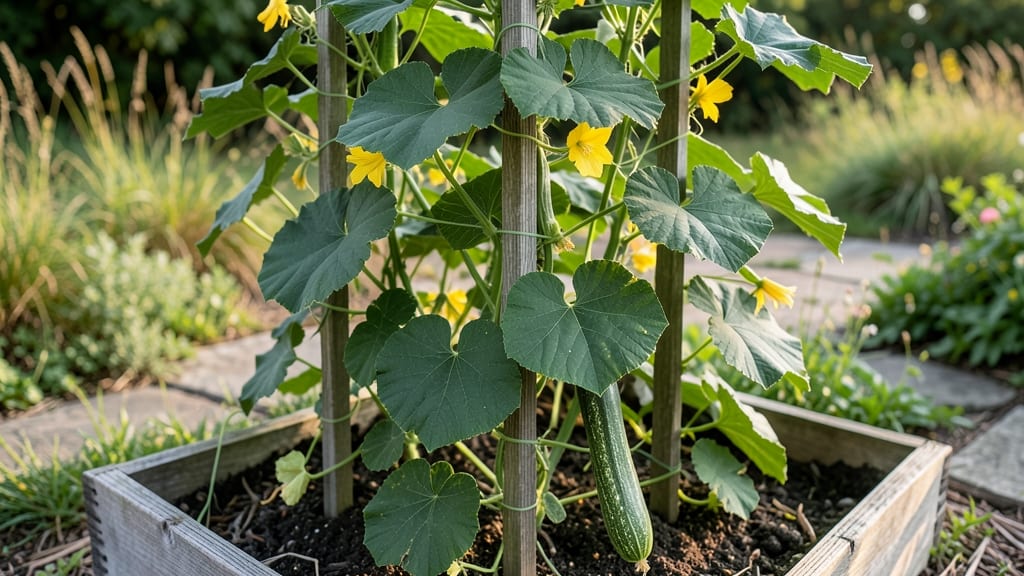
Your first heirloom cucumber seeds could be growing bold striped vines by mid-June. 🌱 I learned the hard way that heirloom varieties demand more care than hybrids—but the payoff is worth it: cucumbers with real flavor, not just crunch.
These seeds are your ticket to a garden that tastes like summer, not a bland grocery store stand-in.
The secret starts with soil that mimics their native conditions: loose, well-draining, and rich in organic matter. Most heirlooms need 6-8 hours of sunlight daily, so pick a spot where they won’t get shaded out by taller plants.
Unlike hybrids, heirlooms often need trellising to prevent disease and improve air circulation—my vines now climb 6-foot cages instead of sprawling everywhere.
By day 50, you’ll be harvesting cucumbers that burst with flavor—sweet, crisp, and packed with seeds. The vines produce continuously if you keep them watered consistently (but not soggy) and fertilized lightly with compost tea.
I’ve gone from 10 cucumbers to 50+ in the same space just by upgrading to heirloom seeds and proper care.
Perfect for gardeners who want to save seeds year after year and avoid the blandness of hybrids. Here’s how to get started without the common pitfalls—like overcrowding or powdery mildew—that trip up beginners.
📚 In This Guide
- What you need
- Instructions
- Tips and common mistakes
- Wrapping up and next steps
What you need
- ● Heirloom cucumber seeds: 1 packet (typically 20-50 seeds) of your chosen variety (e.g., 'County Fair,' 'Lemon Cucumber,' or 'Boothby Blonde').
- ● Ensure seeds are non-GMO and organic for the best flavor and heirloom traits.
- ● Growing containers or garden bed: For containers: 5-gallon pots or larger (at least 12" deep and wide per plant).
- ● For in-ground planting: Full-sun spot (6+ hours of sunlight daily) with well-draining soil.
- ● Potting mix or garden soil: 1 bag (1-2 cubic feet) of high-quality potting mix (for containers) or loamy garden soil (for in-ground).
- ● Amend soil with compost (1-2 cups per plant) for nutrients.
- ● Fertilizer: Balanced organic fertilizer (e.g., 10-10-10 or compost tea).
- ○ Optional: Fish emulsion or kelp meal for a nutrient boost.
- ● Watering supplies: Watering can or hose with a gentle spray nozzle.
- ○ Drip irrigation (optional but highly recommended for consistent moisture).
- ● Trellis or cages: 1-2 cucumber trellises or tomato cages (6+ feet tall) per plant to support vines.
- ● Mulch: Straw or shredded leaves (1-2 inches thick) to retain moisture and suppress weeds.
- ● Seed-starting kit (if sowing indoors 3-4 weeks before last frost).
- ● Row covers (to protect seedlings from pests or cold snaps).
- ● Pruning shears (for trimming vines and encouraging bushier growth).
- ● Epsom salt (1 tbsp per plant every 2 weeks for magnesium boost).
- ● Companion plants like basil, radishes, or nasturtiums to deter pests.
Step-by-step instructions for growing bold striped heirloom cucumbers
Here's how to coax those vibrant striped vines into your garden with confidence.
🌱 Step 1: Start Seeds Indoors 3-4 Weeks Before Last Frost
Fill 4-inch biodegradable pots with moistened seed-starting mix—heirloom cucumbers hate soggy soil but need consistent moisture. Press the mix down gently to create a firm seedbed, then plant 2 seeds per pot at a depth of ½ inch. I like to use a toothpick to make small holes for precise placement.
Cover the pots with plastic wrap to retain warmth and humidity, then place them on a seedling heat mat set to 75-80°F. Germination typically occurs in 5-10 days, but keep the soil consistently moist until you see the first true leaves emerge. That's when you'll know your seeds have broken through their shells and are ready for the next phase.
☀️ Step 2: Harden Off and Transplant After All Danger of Frost
Once seedlings have 3-4 true leaves, begin hardening them off by placing them outside in a sheltered spot for 2-3 hours daily. Gradually increase their outdoor time over 7-10 days, watching for signs of stress like wilting or yellowing leaves. Heirloom cucumbers are sensitive to cold, so wait until soil temperatures reach 60°F before transplanting.
Choose a sunny location with 6-8 hours of direct sunlight daily—striped heirlooms need plenty of warmth to develop their bold patterns. Dig holes slightly larger than the pots, then transplant the seedlings, pot and all, into the ground. The biodegradable pots will break down over time, allowing roots to spread naturally. Water deeply right after transplanting to help settle the soil around the roots.
💧 Step 3: Provide Consistent Moisture and Support
Cucumbers thrive with 1-2 inches of water per week, delivered at the base of the plant to prevent fungal diseases. I use a soaker hose to keep the soil evenly moist without wetting the foliage, which can lead to powdery mildew. Mulch around the base with 2-3 inches of straw to retain moisture and suppress weeds—this is especially important as the vines grow.
Install a 6-foot trellis or sturdy cage at planting time to support the vines as they grow. Heirloom cucumbers can become heavy with fruit, so secure the trellis firmly into the ground. Training vines upward improves airflow, reducing the risk of disease and making harvesting easier. You'll notice the first tendrils appear within 2-3 weeks—this is your cue to start guiding them along the trellis.
✂️ Step 4: Prune and Harvest for Continuous Production
Pinch off the first few flowers that appear to encourage stronger vine growth. Once the plant is established, you'll see clusters of flowers develop. Heirloom cucumbers are predominantly female, so you'll notice small cucumbers forming shortly after blooming. Harvest when fruits reach 6-8 inches long for the best flavor and texture—striped varieties often develop their boldest patterns at this size.
Use a sharp pair of pruners to cut the cucumbers from the vine, leaving a small stem attached. This prevents damage to the plant and encourages more fruit to develop. I harvest every 2-3 days during peak production to keep the plant focused on producing new flowers. Regular harvesting also prevents the vines from becoming overburdened, which can lead to yellowing leaves or reduced fruit quality.
🌿 Step 5: Extend the Season with Proper Care
To keep your heirloom cucumbers producing until the first frost, continue providing consistent water and nutrients. Every 3-4 weeks, apply a balanced fertilizer with equal parts nitrogen, phosphorus, and potassium to support ongoing growth. Avoid over-fertilizing with nitrogen, as this can lead to excessive foliage at the expense of fruit production.
Watch for signs of pests like cucumber beetles or aphids, which can damage the leaves and fruit. If you spot them, remove affected leaves immediately and treat the plant with neem oil or insecticidal soap. By the time the first frost threatens, you'll likely have harvested enough cucumbers to enjoy throughout the season. Save a few seeds from your best fruits to plant next year—heirloom varieties often improve with each generation!
Tips & tricks for growing bold striped heirloom cucumbers
Here's what nobody tells you about coaxing those vibrant striped cucumbers from seed to harvest.
Seed Starting Precision: When planting your 2 seeds per pot at ½ inch depth, use a toothpick to create precise holes—this prevents overcrowding and ensures each seed has room to germinate without competing. I've learned the hard way that cramming seeds too close leads to weak, leggy seedlings that struggle later. The 5-10 days germination window can feel like an eternity, so resist the urge to disturb the soil or check daily. Germination happens fastest when soil stays consistently moist at 75-80°F—a heat mat makes all the difference in cooler homes.
Harden Off Strategically: The 7-10 day hardening process is where many gardeners fail their heirloom cucumbers. Start with just 2-3 hours in a sheltered spot, then gradually increase exposure. Watch for subtle signs of stress—yellowing leaves or wilting means you're moving too fast. I always harden off in the morning when temperatures are cooler, then bring plants back indoors before afternoon heat sets in. This gradual approach prevents shock that could stall growth after transplanting.
Sunlight and Soil Temperature Synergy: Those 6-8 hours of direct sunlight aren't just about photosynthesis—they're essential for developing the bold stripes. Position your trellis in the sunniest spot possible, but don't transplant until soil reaches 60°F. Cold soil shocks roots and delays vine establishment. I've found that morning sun with afternoon shade works best in hot climates, preventing leaf scorch while still giving vines the energy they need for striped pattern development.
Watering Wisdom: The 1-2 inches per week guideline is your baseline, but timing matters more. Water deeply in the morning so foliage has time to dry before evening, reducing powdery mildew risk. I've had success using a soaker hose on a timer for 15 minutes daily rather than occasional deep waterings. The key is keeping moisture consistent at the roots while preventing wet leaves—a common mistake that invites fungal diseases. Mulch with 2-3 inches of straw to lock in that moisture and keep roots cool.
Pro Tips for Heirloom Cucumber Seeds
- Here's what nobody tells you about coaxing those vibrant striped cucumbers from seed to harvest.
- Seed Starting Precision: When planting your 2 seeds per pot at ½ inch depth, use a toothpick to create precise holes—this prevents overcrowding and ensures each seed has room to germinate without competing.
- Harden Off Strategically: The 7-10 day hardening process is where many gardeners fail their heirloom cucumbers.
Frequently asked questions
Got questions about growing heirloom cucumbers from seed? You’re not alone! Here are answers to the most common queries to help you cultivate bold, striped vines with confidence.
How long does it take for heirloom cucumber seeds to germinate?
Heirloom cucumber seeds typically germinate in 5–10 days when planted in warm soil (70–90°F). Keep the soil consistently moist and place them in a sunny spot or under grow lights. If you don’t see sprouts within 2 weeks, try gently re-moistening the soil or checking for rot.
Can I grow heirloom cucumbers in containers or do they need a garden?
Heirloom cucumbers thrive in containers as long as the pot is at least 12–18 inches deep and wide enough for vines to sprawl (or use a trellis). Choose lightweight, well-draining pots, and place them in full sun (6+ hours/day). Just ensure the container has drainage holes to prevent root rot.
When is the best time to plant heirloom cucumber seeds?
Plant seeds 2–3 weeks after your last frost date when soil temperatures reach 60°F+. For cooler climates, start seeds indoors 3–4 weeks before transplanting. Heirloom varieties like ‘Straight Eight’ or ‘Lemon Cucumber’ love warmth, so avoid planting too early—cold soil can delay germination or stunt growth.
What should I do if my heirloom cucumber plants wilt suddenly?
Sudden wilting often signals underwatering, overheating, or disease. First, check the soil moisture—cucumbers need 1–2 inches of water weekly. If the leaves feel crispy, it’s thirsty; if mushy, it may be overwatered or infected. Inspect for pests (like cucumber beetles) or fungal spots. Mulch around the base to retain moisture and reduce stress.
Are heirloom cucumber seeds worth it over store-bought?
Yes! Heirloom seeds offer superior flavor, unique textures, and genetic diversity compared to hybrid store-bought varieties. While they may take slightly longer to mature, you’ll enjoy bold, crisp, and aromatic cucumbers perfect for pickling, salads, or slicing. Plus, saving seeds from heirlooms supports biodiversity—win-win!
Wrapping up and next steps
Growing heirloom cucumber seeds is a rewarding journey that brings bold flavors and stunning vines to your garden in just 50 days! 🌱 Whether you're a seasoned gardener or a curious beginner, these seeds offer a delicious and visually striking harvest.
With the right soil, sunlight, and care, you’ll soon be enjoying crisp, flavorful cucumbers straight from your own backyard.
Ready to dive in? Start by gathering your supplies, then plant those seeds with confidence—your garden (and taste buds) will thank you! 🌿