
Vegetables
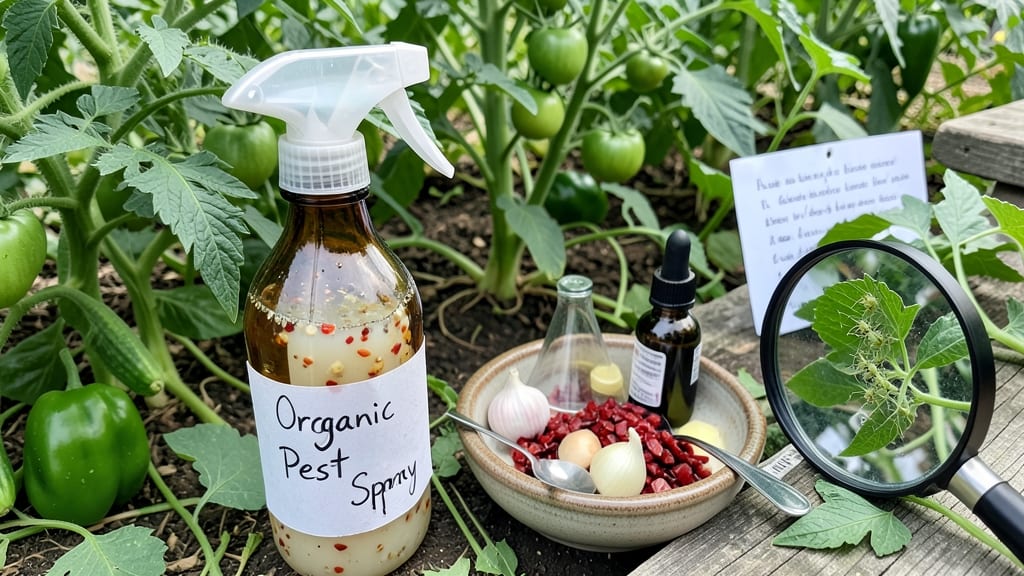
This homemade insecticide for vegetables stops aphids and caterpillars dead in their tracks without harming your veggies. 🌿 This homemade insecticide is stronger than store-bought options because it disrupts pests' feeding cycles while being completely safe for edible plants once fully dried.
My first batch saved my tomato plants from a full-blown aphid invasion—no more sticky leaves or wilted growth. The recipe uses just three ingredients: neem oil, dish soap, and water, all mixed in a 1-quart spray bottle.
The key is the 1% neem oil concentration—too little won’t work, but this amount is potent enough to deter pests for 7-10 days without residue concerns. Unlike commercial sprays, this version breaks down naturally in sunlight.
You’ll see results within 24 hours—caterpillars will stop munching, aphids will drop off, and whiteflies will leave your plants alone. The spray also prevents future infestations by making plants less appealing to pests. Best of all, it’s cost-effective: one batch covers multiple applications.
Works for every vegetable—tomatoes, peppers, beans, and greens—even in organic gardens. Here’s exactly how to mix it right the first time.
📚 In This Guide
- What you need
- Instructions
- Tips and common mistakes
- Wrapping up and next steps
What you need
- ● Neem oil (organic, cold-pressed): 1 tablespoon – Look for 100% pure neem oil (no additives).
- ● Water: 1 quart (32 oz) – Use distilled or rainwater if possible to avoid mineral buildup.
- ● Dish soap (mild, biodegradable): ½ teaspoon – Helps the oil mix with water (e.g., Castile soap).
- ● Spray bottle (glass or dark plastic): 16–32 oz – Choose one with a fine mist nozzle for even coverage.
- ○ Optional but helpful: Garlic or chili powder: 1 teaspoon – Adds extra pest-repelling punch (optional).
- ● Horticultural oil or vegetable oil: ½ teaspoon – Improves adhesion (if neem oil is thick).
- ● Measuring spoons and cups – For precise mixing.
- ● Stirring stick or spoon – Wooden or plastic (avoid metal to prevent reactions).
- ○ Protective gear (optional but recommended): Gloves – Neem oil can irritate skin.
- ● Mask – If mixing outdoors or in dusty conditions.
- ● Sunny day or warm spot – Neem oil blends best in temperatures above 60°F (15°C).
Step-by-Step instructions for making a natural neem oil insecticide
This simple spray stops pests dead in their tracks—no harsh chemicals needed.
🌿 Step 1: Gather and Mix the Base Ingredients
Combine 1 tablespoon of neem oil with 1 teaspoon of mild liquid dish soap in a 1-quart spray bottle. The soap acts as an emulsifier, helping the oil mix with water. I prefer unscented Castile soap because it won’t irritate plants or leave residue. Avoid strong detergents—they can harm foliage.
Add 1 quart of lukewarm water to the bottle and shake vigorously for 30 seconds to blend completely. The mixture should look cloudy, not oily. If you see oil floating on top, shake again until fully emulsified. This ensures even coverage when you spray.
💧 Step 2: Add Optional Enhancements for Targeted Pests
For soft-bodied insects like aphids or whiteflies, add 1 tablespoon of garlic juice (strained from 2 cloves) to the mix. Garlic’s sulfur compounds repel pests and add a natural antibiotic effect. For chewing insects like caterpillars, stir in 1 teaspoon of cayenne pepper—it irritates their mouths and deters feeding.
If you’re treating fungal issues alongside pests, replace the cayenne with 1 tablespoon of baking soda (dissolved in the water first). Shake well after adding any extras—settling can happen quickly. This step is optional but boosts effectiveness for stubborn infestations.
✂️ Step 3: Test on a Small Plant Section First
Before spraying your entire garden, test the mixture on a small, hidden leaf of one plant. Wait 24 hours to check for any reactions like browning or wilting. Neem oil is generally safe, but some sensitive plants (like citrus or young seedlings) may react. If you see no issues, proceed with full coverage.
Spray early in the morning or late afternoon to avoid scorching leaves in direct sunlight. Hold the bottle 12-18 inches away from the plant and apply until the undersides of leaves (where most pests hide) are thoroughly wet. Reapply every 5-7 days or after rain to maintain protection.
☀️ Step 4: Store and Rotate Applications
Store the unused spray in a cool, dark place (like a pantry) for up to 2 weeks. Shake well before each use—oil and water separate over time. For best results, alternate this spray with a potassium soap spray (1 tablespoon soap per quart of water) every other week. This rotation prevents pests from building resistance.
Real talk: You’ll need to reapply after rain or heavy dew because water washes off the oil. Keep a spray bottle handy for quick touch-ups. The key is consistency—pests won’t stand a chance if you stay on top of it.
Tips & tricks for perfect natural pest control sprays
These simple strategies will help you get the most out of your homemade neem oil spray—without wasting a drop or risking plant damage.
Emulsification is Key: The 30-second vigorous shake in Step 1 isn't just about mixing—it's about creating a stable emulsion. If you see oil separation after shaking, add an extra drop of dish soap and shake again. This ensures the neem oil stays suspended in water for even coverage. I've found that using a spray bottle with a fine mist nozzle helps break up the oil droplets even better during application.
Garlic Juice Extraction Tip: For the garlic juice in Step 2, crush the cloves first, then let them sit for 5 minutes before straining. This maximizes the sulfur compounds that repel pests. If you're dealing with a severe aphid infestation, you can even double the garlic to 2 tablespoons (from 4 cloves) for extra potency. Just remember to shake well after adding any extras—they tend to settle quickly.
Testing Protocol: The 24-hour test period in Step 3 is crucial, especially for sensitive plants. I've seen citrus trees react badly to neem oil even when diluted properly. Start with the most resilient plant in your garden—like a basil or mint plant—and watch for any leaf curling or yellowing. If you're treating multiple plant types, test each one separately to be safe.
Storage Wisdom: That 2-week shelf life in Step 4 assumes you're storing it properly. I keep my spray bottles in a dark cabinet with the caps tightly sealed to prevent contamination. For longer storage (up to 4 weeks), you can add 1 teaspoon of vodka or rubbing alcohol to help preserve the mixture. Just remember to shake thoroughly before each use—the oil will always separate over time.
Pro Tips for Homemade Insecticide For Vegetables
- These simple strategies will help you get the most out of your homemade neem oil spray—without wasting a drop or risking plant damage.
- Emulsification is Key: The 30-second vigorous shake in Step 1 isn't just about mixing—it's about creating a stable emulsion.
- Garlic Juice Extraction Tip: For the garlic juice in Step 2, crush the cloves first, then let them sit for 5 minutes before straining.
Frequently asked questions
Got questions about keeping pests at bay with homemade insecticides? Here are some of the most common concerns—and answers—to help you grow your veggies with confidence!
How often should I spray neem oil on my vegetable garden?
Apply neem oil spray every 7–14 days during active pest seasons (spring to fall). For severe infestations, spray weekly until pests disappear. Always apply early in the morning or late afternoon to avoid harming beneficial insects like bees. Consistency is key—pests won’t stand a chance!
Can I use this spray on edible vegetables right before harvest?
Yes, but with a 24–48 hour waiting period before harvesting. Neem oil is organic and safe, but it’s best to avoid direct contact with leaves you plan to eat immediately. Rinse produce thoroughly if needed, especially for leafy greens like lettuce or spinach. When in doubt, spray at least 3 days before picking.
What if my plants still get pests after using neem oil?
If pests persist, try rotating treatments. Combine neem oil with other natural remedies like:
- Garlic spray (blend garlic + water + a drop of dish soap)
- Soap spray (1 tbsp mild castile soap per quart of water)
- Diatomaceous earth (sprinkle lightly on soil around plants)
Will neem oil harm bees or other pollinators?
Neem oil is safe for bees when used correctly. Avoid spraying directly on flowers during peak blooming hours (10 AM–4 PM). Instead, apply in the early morning or evening when bees are less active. If you’re worried, opt for a garlic or soap spray near flowering plants to protect pollinators.
Can I reuse leftover neem oil spray?
Store leftover neem oil spray in a dark, sealed container in the fridge for up to 1–2 weeks. Before reuse, shake well and check for separation. If the mixture smells rancid or looks cloudy, discard it and make a fresh batch. Never reuse if mold appears—safety first!
Wrapping up and next steps
Making your own homemade insecticide for vegetables with neem oil is a game-changer! 🌱 Not only is it budget-friendly and eco-safe, but it also keeps pests at bay without harming your plants—or your family.
Whether you're a seasoned gardener or just starting out, this natural solution proves that effective pest control doesn’t require harsh chemicals.
Ready to take the next step? Grab your supplies, whip up a batch, and enjoy a thriving, pest-free garden! 🌿 For even more tips, share your results with fellow gardeners or explore other DIY pest remedies. Happy gardening!