
Vegetables
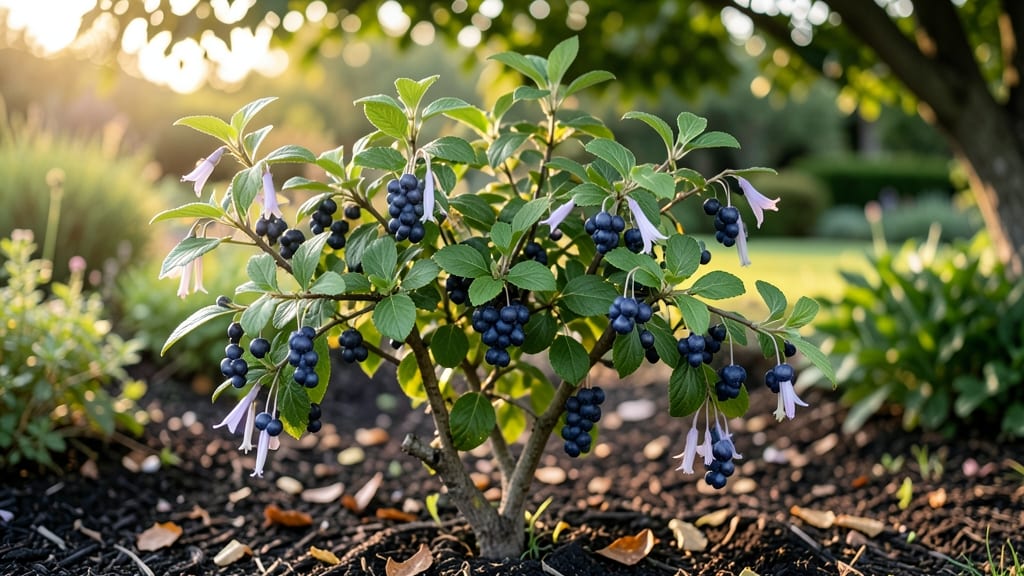
Growing blue honeyberries (Lonicera caerulea 'Blueberry') is like having a secret stash of Arctic berries in your backyard—sweet, tart, and packed with antioxidants. 🌿 These cold-hardy plants thrive where most berries would freeze, and when paired with a blueberry bush, they produce fruit that’s twice as productive and twice as delicious.
The key? Understanding their unique pollination needs and growing conditions.
Here’s the thing—blue honeyberries need a partner to set fruit, and blueberries make the perfect match. Plant them within 30 feet of each other, and you’ll see clusters of deep blue-black berries ripening from late summer into fall.
They love full sun to partial shade and well-draining soil with a pH between 4.5 and 6.0, which is why mixing in peat moss or pine needles helps mimic their natural boggy habitats.
Once established, these shrubs are low-maintenance but reward you with berry harvests for decades. Prune in late winter to shape the plant and remove old wood, and watch as new growth bursts forth in spring.
The berries are ready to pick when they’re soft to the touch and easily detach from the stem—perfect for jams, fresh eating, or freezing for winter.
Troubleshooting is easy once you know what to watch for: powdery mildew (spray with neem oil), bird damage (cover with netting), and overwatering (ensure soil drains well). With the right setup, you’ll have a year-round harvest that outshines store-bought berries—and your neighbors will be jealous of your frost-proof bounty.
📚 In This Guide
- What you need
- Instructions
- Tips and common mistakes
- Wrapping up and next steps
What you need
- ● Honeyberry plants (Sambucus canadensis 'Borealis' or similar): 1 male plant (pollinator) – critical for fruit production!
- ● 1–2 female plants (e.g., 'Blue Crush' or 'Indigo Gem')
- ● Blueberry plants (Vaccinium spp.): 1–2 dwarf varieties (e.g., 'Top Hat' or 'Sunshine Blue') – space-saving and pollinator-friendly
- ● Well-draining, acidic soil (pH 4.5–5.5): Peat moss or pine bark fines (2–3 bags, ~2 cubic feet each)
- ● Sulfur or aluminum sulfate (for pH adjustment, if needed)
- ● Organic mulch: Pine needles or wood chips (1–2 bags, ~3 cubic feet)
- ● Fertilizer: Acid-loving plant fertilizer (e.g., Miracle-Gro Azalea/Camellia, 15-30-15 NPK)
- ● Garden tools: Trowel, pruners, and gloves
- ● pH testing kit (digital or liquid)
- ● Drip irrigation system or soaker hoses (for consistent moisture)
- ● Bird netting (to protect ripening berries)
- ● Row covers (for early-season frost protection)
- ● Compost or worm castings (to boost soil health)
- ● Pollinator-friendly flowers (e.g., lavender or bee balm) – encourages cross-pollination!
Step-by-step guide to planting honeyberry and blueberry cross-pollination pairs
Here's how to strategically pair these cold-hardy berries for maximum fruit production and year-round harvests.
🌱 Step 1: Select Compatible Varieties for Cross-Pollination
Choose at least one honeyberry variety (like 'Borealis' or 'Indigo Gem') and one blueberry variety (like 'Patriot' or 'Bluecrop') that bloom within 7-10 days of each other. Check your local extension service for varieties adapted to your hardiness zone—honeyberries thrive in zones 2-7 while blueberries prefer 4-7. I always verify bloom times because mismatched varieties produce little to no fruit.
Plant two to four honeyberry bushes per blueberry bush (or vice versa) to ensure adequate pollination. Honeyberries are self-fertile but produce more fruit with cross-pollination, while blueberries require cross-pollination entirely. Space plants 5-6 feet apart to allow airflow and prevent disease spread. This spacing also makes it easier to monitor bloom synchronization.
☀️ Step 2: Plant in Full Sun with Acidic, Well-Draining Soil
Both berries need 6-8 hours of direct sun daily and soil with a pH between 4.5-5.5. Test your soil before planting—amend with peat moss or sulfur if needed. I dig a hole twice as wide as the root ball and mix in 2-3 inches of compost to improve drainage while maintaining acidity. Place plants at the same depth they grew in their nursery containers.
Water deeply immediately after planting to settle the soil and eliminate air pockets. The first 2-3 weeks are critical—keep the root zone consistently moist but never soggy. You'll know you've got it right when the soil feels like a damp sponge, not a muddy mess. Mulch with 2-3 inches of pine bark or wood chips to preserve soil moisture and acidity.
💧 Step 3: Maintain Consistent Watering and Fertilization
Water 1-1.5 inches per week during the growing season, increasing to 2 inches in fruit-bearing years. Use drip irrigation or soaker hoses to deliver water directly to the root zone—this prevents fungal diseases that thrive in wet foliage. I schedule watering in the early morning to allow leaves to dry before evening, which drastically reduces powdery mildew risk.
Fertilize in early spring with an acid-loving plant fertilizer (like 10-10-10 or 8-3-9 with micronutrients). Apply ½ cup per plant and work it into the top 2 inches of soil. Avoid high-nitrogen fertilizers in late summer—they encourage tender new growth that won't harden off before winter. You'll see vigorous new shoots by mid-May if everything is balanced.
⏰ Step 4: Monitor Bloom Times and Prune Strategically
Watch bloom times closely—honeyberries typically flower 2-3 weeks earlier than blueberries. If your varieties don't align, consider adding a third variety that bridges the gap. Prune in late winter or early spring before buds swell, removing 1/3 of last year's growth and any dead or crossing branches. This opens the canopy for better airflow and sunlight penetration.
Thin fruit clusters to ½ inch apart when berries are pea-sized. This ensures larger, higher-quality fruit and reduces stress on the plant. I always prune on a dry day to minimize disease entry points. After harvest, give plants a light pruning to remove any diseased wood and improve next year's shape.
🍇 Step 5: Harvest and Prepare for Winter Dormancy
Honeyberries ripen 2-3 weeks before blueberries—watch for deep purple or black color and a slight softness when gently squeezed. Harvest in morning hours when berries are coolest and firmest. Blueberries are ready when they easily detach from the stem and turn a deep blue. Store honeyberries in the fridge for up to 3 weeks or freeze immediately for later use.
After harvest, reduce watering gradually to prepare plants for winter. Apply 3-4 inches of mulch around the base to insulate roots. Both berries are incredibly cold-hardy, but young plants benefit from winter protection like burlap wraps or row covers if your zone drops below -20°F. I've seen honeyberries survive -30°F with proper care—blueberries are nearly as tough.
Tips & tricks for perfect honeyberry-blueberry pollination pairs
These cold-hardy berries thrive when paired strategically—here's how to maximize their partnership for bountiful harvests.
Variety Selection: I can't stress enough how critical bloom timing is between your honeyberry and blueberry varieties. While 'Borealis' honeyberries often bloom within 7-10 days of 'Patriot' blueberries, always verify with your local extension service. Pro tip: Look for varieties labeled "early-season" or "mid-season" to bridge that 2-3 week natural gap between honeyberries and blueberries. This ensures both plants have overlapping bloom windows for optimal pollination.
Planting Ratio: The 2:1 ratio (two honeyberries per blueberry) works best because honeyberries are self-fertile but produce significantly more fruit when cross-pollinated. For larger gardens, consider a 3:1 ratio or even alternating rows of both varieties. I've found that planting them in a checkerboard pattern creates a natural pollination network where bees can efficiently move between varieties without having to travel far.
Soil Testing: Don't assume your soil meets the 4.5-5.5 pH requirement—test it first! I've seen gardeners skip this step and end up with stunted growth. If your soil tests higher, amend with sulfur (1 pound per 100 square feet) 2-3 months before planting. For lower pH, add lime sparingly. The key is gradual adjustment—you can't fix pH overnight. I recommend testing again in early spring to confirm your adjustments worked.
Winter Protection: While both berries handle cold well, young plants need extra care in zones below -20°F. Wrap the entire plant (including roots) in burlap and secure with twine, leaving the top open for airflow. For extreme cold (-30°F), add a layer of straw or leaves over the burlap. I've seen honeyberries bounce back beautifully after these precautions, even after dips into the teens.
Pro Tips for Honeyberry Berry Blue
- These cold-hardy berries thrive when paired strategically—here's how to maximize their partnership for bountiful harvests.
- Variety Selection: I can't stress enough how critical bloom timing is between your honeyberry and blueberry varieties.
- Planting Ratio: The 2:1 ratio (two honeyberries per blueberry) works best because honeyberries are self-fertile but produce significantly more fruit when cross-pollinated.
Frequently asked questions
Can honeyberries and blueberries cross-pollinate successfully?
Yes! While they’re different species (Lonicera vs. Vaccinium), they thrive near each other and can share pollinators like bees. Plant them within 50 feet for optimal cross-pollination. For best results, include at least one honeyberry variety (like ‘Borealis’) alongside your blueberries (e.g., ‘Duke’ or ‘Bluecrop’).
How long does it take for these berries to produce fruit?
Patience pays off! Honeyberries may fruit in 2–3 years after planting, while blueberries can take 3–5 years to reach full production. Cold-hardy varieties (like ‘Indigo Gem’ blueberry) speed up the process. Mulch well and fertilize with acidic soil amendments to encourage earlier yields.
Are honeyberries and blueberries truly cold-hardy?
Honeyberries handle Zone 2–6 (down to -40°F), while most blueberries thrive in Zones 3–7. For extra protection, plant honeyberries on the north side of blueberries to shield them from harsh winds. Both love well-draining, acidic soil—aim for a pH of 4.5–5.5.
Can I eat honeyberries and blueberries together?
Yes—and they’re a match made in flavor heaven! Their sweet-tart profiles blend beautifully in jams, smoothies, or fresh salads. Try pairing honeyberries’ floral notes with blueberries’ classic sweetness. Just remember: honeyberries ripen earlier (late spring/early summer), while blueberries peak in mid-to-late summer.
What if my berries aren’t pollinating well?
Check for bees, wind, or proximity. If flowers aren’t setting fruit, hand-pollinate with a soft brush or add a native bee house nearby. Ensure plants are healthy (no pests/disease) and prune for airflow. For blueberries, male and female varieties may be needed if self-pollination is weak.
Wrapping up and next steps
The honeyberry blueberry cross-pollination duo is your ticket to a year-round bounty of vibrant, cold-hardy berries! With the right varieties, patience, and care, you’ll enjoy sweet, nutrient-packed harvests that outshine traditional options.
Whether you’re a seasoned gardener or just starting, this dynamic pairing makes berry-growing accessible and rewarding—so grab your gloves and get planting!
🌱 Ready to take the next step? Start by selecting your ideal honeyberry and blueberry varieties, then sketch a simple planting layout. Bonus: Share your progress with fellow gardeners—inspiration grows together! 🍇❄️