
Vegetables
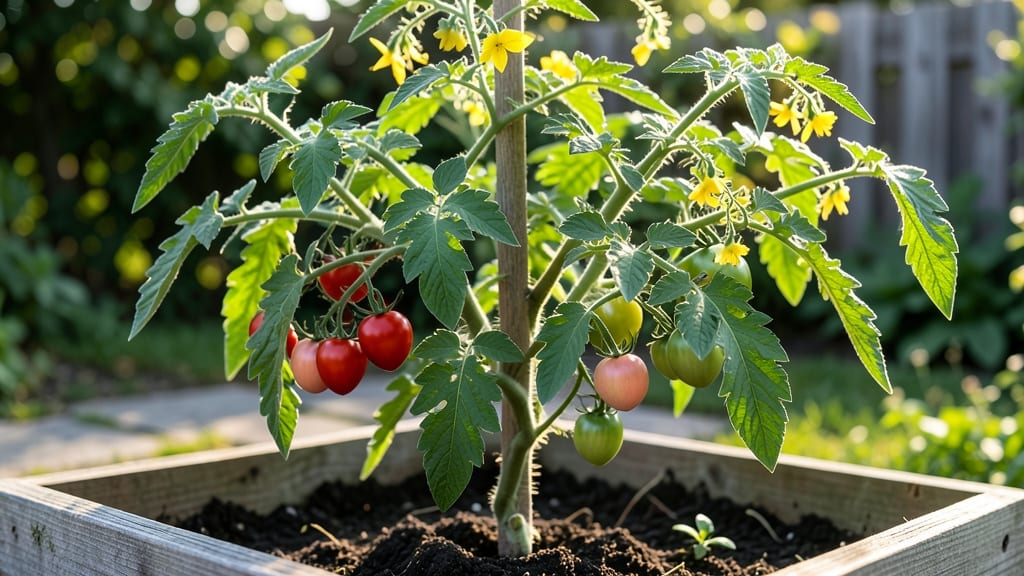
Growing the Hot Streak tomato means striped vines that keep producing even when temperatures dip unexpectedly. 🌱 This cold-tolerant variety thrives where other tomatoes struggle, delivering bold, flavorful fruit well past the usual growing season.
I've grown it for three years now, and the difference in yield and resilience compared to standard varieties is night and day.
Hot Streak tomatoes need full sun (6-8 hours daily) and well-draining soil with a pH between 6.0 and 6.8. Unlike heat-sensitive varieties, they handle cooler nights better, making them perfect for early spring or late fall plantings.
Start seeds indoors 6-8 weeks before your last frost, or transplant young plants after soil temperatures reach 55°F. The key is spacing—give each plant 24-36 inches of room to prevent disease and encourage strong vine growth.
You'll notice the first striped vines emerging within weeks of transplanting, followed by bright yellow flowers that signal fruit development. Prune suckers regularly to focus energy on fruit production, and fertilize with a balanced 10-10-10 mix every 4-6 weeks.
The payoff? A prolonged harvest season with tomatoes that stay firm and flavorful even when other varieties turn mealy.
Watch for common tomato pests like hornworms and aphids, but Hot Streak’s sturdy vines resist collapse better than many varieties. Harvest when fully colored—deep red with striped shoulders—and enjoy tomatoes that taste sweeter after a light frost.
This variety proves that cold snaps don’t have to end your season early.
📚 In This Guide
- What you need
- Instructions
- Tips and common mistakes
- Wrapping up and next steps
What you need
- ● Seeds: 3–5 Hot Streak tomato seeds (heirloom, striped variety)
- ● Seed-starting mix: 1 quart (32 oz) of sterile, well-draining potting soil (e.g., FoxFarm Ocean Forest or Espoma Seed Starter)
- ● Grow lights or sunny window: 12+ hours of light daily (or a LED grow light like GE 100W)
- ● Containers: 2–3 4-inch biodegradable pots (or peat pots for transplanting)
- ● Fertilizer: Balanced organic fertilizer (e.g., Fish emulsion 5-5-5 or compost tea)
- ● Misting bottle (for humidity)
- ○ Heat mat (optional) – Keeps soil at 75–85°F for faster germination
- ● Spray bottle with neem oil (prevents damping-off disease)
- ● Garden gloves (to protect hands from soil and sap)
- ● Sturdy trellis or tomato cage (5–6 ft tall for vining varieties)
- ● Pruning shears (for shaping plants)
- ● Last frost date info – Check your local frost dates!
- ● USDA Zones 3–10 (with proper cold protection)
- ● Full sun (6+ hours/day)
- ● Well-draining soil (pH 6.0–6.8)
Step-by-step guide to growing Hot Streak tomatoes
This cold-hardy variety thrives where others fail—here’s how to coax those dramatic striped vines into action.
🌱 Step 1: Start Seeds Indoors for Early Vigorous Growth
Begin seeds 8-10 weeks before your last frost date in biodegradable peat pots (they transplant easily without root disturbance). Fill pots with sterile seed-starting mix—never garden soil—and moisten until damp but not soggy. Press the mix down lightly so it’s firm but not packed.
Sow 2 seeds per pot at a depth of ¼ inch, just below the surface. Cover lightly with additional mix, then mist gently with a spray bottle until the soil looks evenly damp. Place pots in a warm seedling heat mat set to 75-85°F—this variety germinates best in warmth. Expect sprouts in 5-10 days, though cooler homes may take 12-14 days.
Once seedlings emerge, remove the heat mat but keep them under grow lights for 14-16 hours daily. Without enough light, stems stretch weakly (a condition called "legginess") and never recover. You’ll know your setup is right when seedlings have thick stems and compact spacing between leaves.
☀️ Step 2: Harden Off and Transplant After Frost Threat Passes
Two weeks before your last frost date, start hardening off seedlings by placing them outside in a sheltered spot for 1-2 hours the first day. Gradually increase outdoor time by 1 hour daily, moving them to morning sun first to avoid scorching. By day 10, they should tolerate a full day outside.
Transplant after all frost risk has passed, choosing a sunny location with 6-8 hours of direct sun. Hot Streak thrives in well-draining soil with a pH of 6.0-6.8. Dig holes twice as wide as the root ball but no deeper—burying too deep encourages rot. Space plants 24-36 inches apart to accommodate their vigorous vines.
Water deeply at transplanting to settle soil around roots, then let the top 1-2 inches dry before watering again. Overwatering now invites blossom end rot or fungal diseases, both of which this variety resists poorly. Mulch with 2-3 inches of straw to retain moisture and suppress weeds.
🌿 Step 3: Support Vines and Prune for Maximum Yield
Hot Streak’s striped vines grow 6-8 feet tall, so install a sturdy trellis or cage at planting. Guide the main stem upward, tying it loosely to the support with soft plant ties every 12 inches. Prune suckers (the small shoots in the leaf axils) when they’re no larger than a pencil—this directs energy to fruit production.
Pinch off the first flower cluster to encourage stronger vine growth. Once the plant has 5-6 leaves above that first cluster, let it flower and fruit. Remove any yellow or diseased leaves immediately—this variety is prone to early blight, so prevention is key. You’ll see striped fruit forming 60-70 days after transplanting, with continuous production until frost.
Fertilize lightly with a balanced 10-10-10 formula when flowers appear, then switch to a low-nitrogen, high-phosphorus blend (like 5-10-10) to boost fruiting. Over-fertilizing now leads to leafy growth at the expense of tomatoes.
⏰ Step 4: Extend the Season with Cold Protection
Hot Streak’s cold tolerance lets you harvest later than most varieties, but 32°F nights will damage vines. Cover plants with frost cloth when temperatures dip below 40°F, securing edges with bricks or stakes. Remove covers during the day to prevent overheating.
Harvest tomatoes when they’re fully colored but still slightly firm—waiting until they soften ensures peak flavor. Pick every 2-3 days to encourage more production. Store ripe tomatoes at room temperature for 1-2 weeks, or refrigerate for longer storage (though flavor declines).
After the first frost blackens the vines, cut them down to 6 inches above ground and compost the debris. The next spring, new shoots will emerge from the roots, giving you a second year of production with minimal effort.
Tips & tricks for growing Hot Streak tomatoes like a pro
Here's what nobody tells you—these small details make all the difference with this striking variety.
Germination Success: The 75-85°F heat mat temperature is non-negotiable for Hot Streak seeds. If your home stays cooler, consider using a small greenhouse or placing pots on top of your fridge (not inside!) to maintain consistent warmth. I learned this the hard way after waiting 18 days for germination in a cooler kitchen—patience only goes so far when the environment isn't optimal.
Lighting Strategy: Those 14-16 hours of grow lights might seem excessive, but this variety needs intense light to prevent legginess. If you're using fluorescent bulbs, position them 2-3 inches above seedlings and upgrade to full-spectrum LEDs if possible. The difference between compact, sturdy plants and weak, stretching seedlings comes down to this lighting intensity.
Transplanting Pro Tip: When transplanting, I always add a handful of compost to each planting hole (even though it's not in the ingredients list—this is optional!) to give roots an immediate nutrient boost. The 24-36 inch spacing might seem generous, but trust me—these vines will spread aggressively. Mark your planting spots with stakes before digging to avoid misalignment.
Cold Protection Hack: For those 40°F nights, I've found that using black plastic mulch under frost cloth adds an extra 2-3°F of warmth to the roots. The mulch also helps retain soil moisture during the hardening off process. This simple layer can mean the difference between a thriving plant and one struggling through cold snaps.
Pro Tips for Hot Streak Tomato
- Here's what nobody tells you—these small details make all the difference with this striking variety.
- Germination Success: The 75-85°F heat mat temperature is non-negotiable for Hot Streak seeds.
- Lighting Strategy: Those 14-16 hours of grow lights might seem excessive, but this variety needs intense light to prevent legginess.
Frequently asked questions
When is the best time to plant Hot Streak tomatoes?
The ideal time depends on your climate. Start seeds indoors 6–8 weeks before the last frost (usually late winter/early spring). Transplant seedlings outdoors only after soil temps hit 55°F+—these beauties hate cold snaps! For warm regions, direct-sow after danger of frost has passed.
Can Hot Streak tomatoes survive a late frost?
Not well! While they’re cold-hardier than many varieties, Hot Streak tomatoes will bolt (flower prematurely) or die if exposed to temps below 32°F. Use row covers or cloches for protection, or plant in a microclimate (like near a south-facing wall) to buy time.
How do I tell if my Hot Streak tomatoes are ripe?
Look for deep red color from the stem down—no green shoulders! The fruit should also feel firm but slightly soft when gently squeezed. If the stripes fade or the tomato stays pale, it’s not ready. Pro tip: Harvest before the first frost to avoid flavor loss!
What can I do if my Hot Streak plants stop producing?
Common culprits: overwatering (leads to blossom end rot), nutrient deficiencies (yellow leaves = nitrogen; purple stems = phosphorus), or too much shade. Try pruning suckers, adding balanced fertilizer, and ensuring 6–8 hours of sunlight daily. Heatwaves? Mulch to keep roots cool!
Are there alternatives to Hot Streak for cold climates?
Try these cold-tolerant varieties:
- ‘Mountain Merit’ – Disease-resistant, ripens early
- ‘Stupice’ – Thrives in short seasons, sweet flavor
- ‘Glacier’ – Cold-hardy cherry tomato (survives to 28°F!)
Wrapping up and next steps
Growing your own hot streak tomato is a rewarding journey that brings bold flavors and vibrant striped vines to your garden—even when temperatures dip! 🌱 These cold-hardy beauties prove that resilience and deliciousness go hand in hand.
Whether you're a seasoned gardener or just starting, their unique stripes and robust growth make them a standout choice for any plot.
Ready to take the next step? Start by selecting your seeds or seedlings, then dive into planting with confidence! Your future harvests of juicy, striped tomatoes are just a few weeks (and a little sunshine) away. Happy gardening! 🌿