
Vegetables
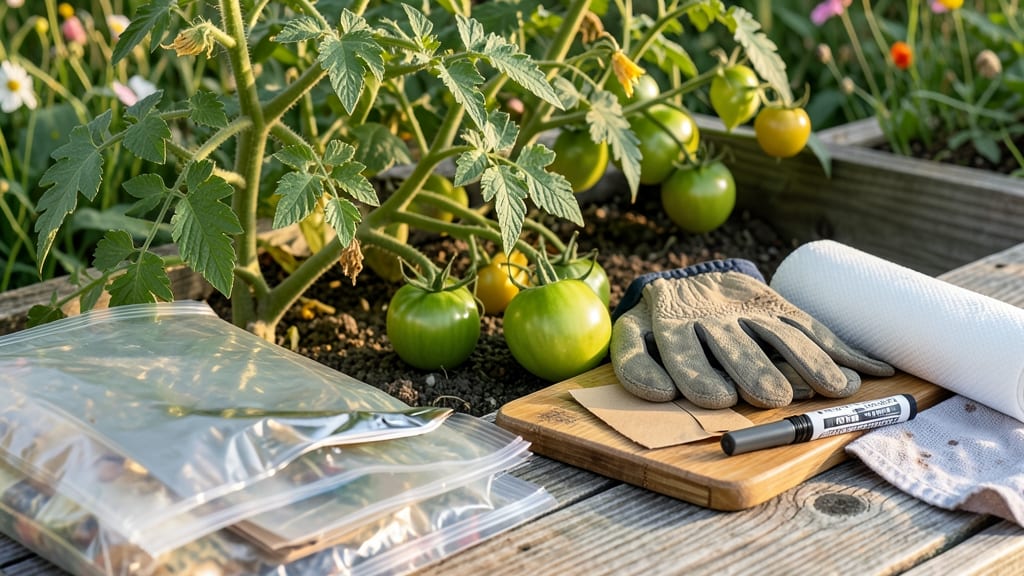
Freezing green tomatoes saves your harvest when the season ends too soon. 🌱 The key is blanching—just 90 seconds in boiling water before the ice bath—to lock in that perfect crisp-tender texture you’ll love all winter long.
You’ll need whole or sliced tomatoes (peeled or skin-on, your choice), a pot for blanching, ice water, and freezer-safe bags or containers. The process takes about 30 minutes but extends your harvest for months without canning hassles.
Once frozen, these tomatoes transform into sauces, salsas, or fried favorites with zero texture loss. The skin stays intact, and the flavor remains bright—just like the day you picked them. Perfect for gardeners who hate waste or want to stock up for holiday cooking.
Here’s how to do it right every time.
📚 In This Guide
- What you need
- Instructions
- Tips and common mistakes
- Wrapping up and next steps
What you need
- ● Green tomatoes: Fresh, firm, and unblemished (aim for 1–2 pounds—adjust based on your needs). Avoid overripe or soft ones.
- ● Water: 1–2 quarts (for blanching—cold or boiling).
- ● Ice bath: A large bowl or sink filled with ice and water (for cooling post-blanch).
- ● Blanching pot: A large pot with a lid (deep enough to submerge tomatoes).
- ● Tongs or slotted spoon: For safely handling hot tomatoes.
- ● Cutting board and sharp knife: A serrated or chef’s knife works best for slicing or dicing.
- ● Freezer-safe bags or containers: Option 1: Quart-sized freezer bags (with zip locks) or gallon-sized bags for larger batches.
- ● Option 2: Rigid plastic containers (like Tupperware) with airtight lids (leave ½-inch headspace for expansion).
- ● Paper towels or clean kitchen towel: For drying tomatoes before freezing.
- ● Permanent marker or labels: To date and label your freezer stash (trust us, you’ll thank us later!).
- ● Citric acid or lemon juice: ½ teaspoon per quart of water (adds to blanching water to preserve color and prevent browning).
- ● Vacuum sealer: For extra-long shelf life (3+ years!) and minimal freezer burn.
- ● Glove or thick towel: To protect hands from hot water or ice.
- ● Measuring cups/spoons: If you’re adding lemon juice or citric acid for precision.
Instructions for freezing green tomatoes
Here's my foolproof method for preserving crisp-tender green tomatoes all winter—no soggy results in sight.
🌱 Step 1: Select and Prepare the Tomatoes
Pick firm, mature green tomatoes that feel heavy for their size—these hold the best texture after freezing. Rinse them gently under cool water to remove dirt, then pat completely dry with paper towels. I like to cut them in half lengthwise through the stem end, which makes them easier to handle later and exposes the seed cavity for even freezing.
Remove the cores by scooping out the seeds and gel-like center with a small spoon. This step prevents the tomatoes from becoming mushy later. You'll notice the flesh is denser near the stem—this is where the best texture remains after freezing, so keep these halves together if possible. For smaller tomatoes, you can leave them whole after coring.
💧 Step 2: Blanch for Texture Preservation
Fill a large pot with 2-3 inches of water and bring to a rolling boil. While waiting, prepare an ice bath in a separate large bowl. Add 1 cup ice cubes to 4 cups cold water—this keeps the water level high enough to fully submerge the tomatoes.
Working in batches, blanch the tomato halves or whole tomatoes for exactly 3-4 minutes. You'll see the skin tighten slightly and the edges begin to whiten—that's your visual cue they're ready. Immediately transfer them to the ice bath using a slotted spoon. Let them cool for 5 minutes to stop the cooking process completely. Drain well on a clean kitchen towel.
☀️ Step 3: Dry and Package for Freezing
Spread the blanched tomatoes on a wire rack set over a baking sheet lined with parchment paper. Let them air-dry for 1-2 hours at room temperature until they feel slightly tacky but not sticky. This step prevents ice crystals from forming directly on the surface, which preserves that crisp-tender texture you're after.
Once dry, package the tomatoes in freezer-safe bags or containers. I use 1-gallon freezer bags because they're stackable and let me see the contents. Remove as much air as possible before sealing—this prevents freezer burn. Label each bag with the date and variety (if you have multiple types). For best results, freeze within 24 hours of drying.
⏰ Step 4: Freeze and Store Properly
Flatten the bags to save space in your freezer, then place them on a tray before freezing. This prevents them from sticking together into one solid block. Once completely frozen (after 2-3 hours), you can stack them directly in the freezer. These tomatoes will keep their quality for up to 12 months when stored at 0°F or below.
When ready to use, thaw in the refrigerator overnight. You'll be amazed at how they retain that fresh-from-the-garden texture—perfect for soups, salsas, or even fried green tomatoes later in the year. The key is keeping them dry before freezing; any moisture turns to ice crystals and ruins the texture.
Tips & tricks for perfect freezing green tomatoes
These simple secrets will help you preserve that garden-fresh texture all winter long.
Selection Matters: The ripeness of your green tomatoes makes all the difference. Look for ones that are firm but slightly soft when gently squeezed—they should yield just a little, like a ripe avocado. Overly hard tomatoes won't freeze well, while ones that are too soft will turn mushy. I've found that medium-sized tomatoes (about 4-6 inches) freeze best because they're less likely to crack during the blanching process.
Blanching Precision: Those 3-4 minutes of blanching are critical for setting the texture without cooking the tomatoes through. Use a timer and watch for the skin to tighten slightly—this is your visual cue that the process is working. I've ruined batches by either under-blanching (which leads to mushiness) or over-blanching (which makes them tough). The ice bath is just as important: those 5 minutes in cold water stop the cooking process completely and prevent further texture breakdown.
Drying is Non-Negotiable: The 1-2 hour drying time might seem long, but it's what prevents ice crystals from forming on the surface during freezing. I learned this the hard way after getting soggy tomatoes—any moisture on the surface turns to ice, which ruins the crisp-tender texture. Spread them in a single layer on the rack so air can circulate evenly. If you're short on time, you can speed this up slightly by using a fan on low setting, but don't rush it completely.
Freezer Organization: Flattening the bags before freezing saves space and prevents crushing. I like to arrange them in single layers on a tray first, then stack them once completely frozen. This method keeps them from sticking together into one solid block. Labeling with the date is crucial—these tomatoes will keep for up to 12 months at 0°F, but their quality starts declining after about 9 months. I always write the variety if I'm mixing types, since different varieties have slightly different textures after freezing.
Pro Tips for How Do You Freeze Green Tomatoes
- These simple secrets will help you preserve that garden-fresh texture all winter long.
- Selection Matters: The ripeness of your green tomatoes makes all the difference.
- Blanching Precision: Those 3-4 minutes of blanching are critical for setting the texture without cooking the tomatoes through.
Frequently asked questions
Can you freeze green tomatoes whole?
While you can freeze whole green tomatoes, they’ll be best used for cooking (like sauces or salsas) after thawing. For crisp-tender results in fried dishes, slice or chop them first—this prevents a mushy texture. If freezing whole, blanch for 2–3 minutes to preserve texture.
How long can you freeze green tomatoes?
Green tomatoes stay best for 9–12 months in the freezer when stored properly (airtight, labeled, and in moisture-resistant bags). After that, quality declines—expect softer texture and slightly altered flavor. For peak results, use them within 6–8 months.
Do you need to blanch green tomatoes before freezing?
Yes! Blanching (dipping in boiling water for 2–3 minutes, then ice bath) is key to preserving color, texture, and flavor. Skip blanching only if you’re making tomato sauce or purees—otherwise, it prevents enzymatic browning and keeps them crisp when fried later.
Can you freeze green tomatoes without blanching?
Technically yes, but expect softer, mushier results when thawed. Unblanched tomatoes work best for sauces or soups, not fried dishes. If you’re short on time, try the quick freeze method (tossing slices in lemon water or oil) for slightly better texture.
Why do my frozen green tomatoes turn gray or mushy?
Graying or mushiness usually means oxidation or improper storage. To fix it:
- Use airtight containers or freezer bags
- Remove excess air before sealing
- Blanch first (critical for texture)
- Avoid storing near strong-smelling foods (they absorb odors!)
Wrapping up and next steps
Freezing green tomatoes is your secret weapon for enjoying homegrown crispness all year long—no waste, just flavor! Whether you’re prepping for winter or saving a bumper crop, this method preserves their perfect texture and tangy taste in minutes.
With just a few simple steps, you’ll turn summer’s harvest into a pantry staple ready for soups, salsas, or fried delights.
Ready to elevate your meal prep? Grab those green gems, follow the guide, and start freezing today—your future self (and taste buds) will thank you! 🍅❄️