
Vegetables
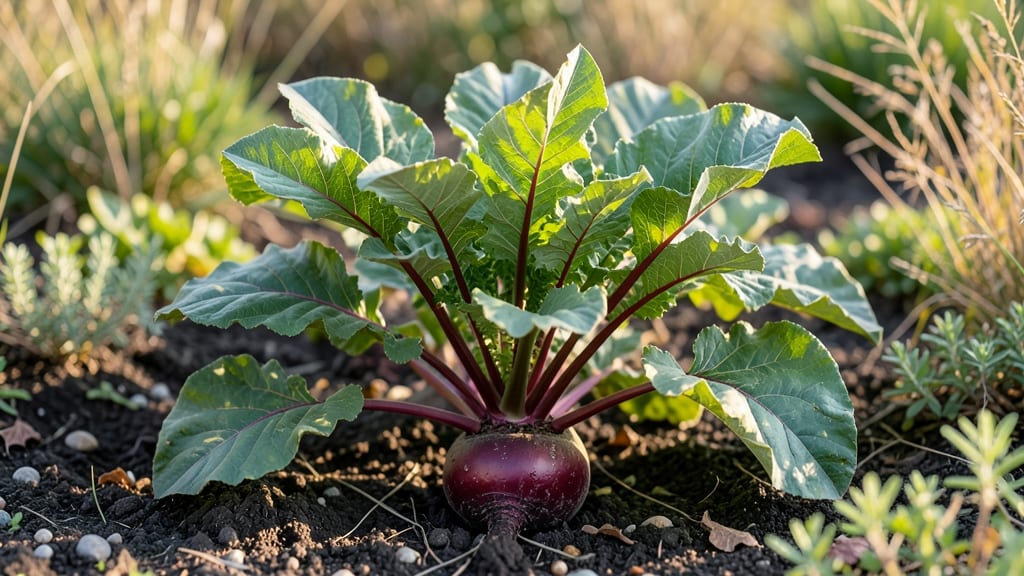
Choosing beets for your garden starts with the color of their leaves and roots—because that’s where the sweetest harvest begins. 🌱 The deep purple-red of Chioggia beets promises tender, striped roots perfect for slicing, while golden Detroit beets deliver earthy-sweet flavor in every bite.
For leafy greens, Swiss chard varieties like Bright Lights offer vibrant stems that stay crisp even after harvest. Seed viability matters just as much as color: opt for seeds from reputable suppliers with 90%+ germination rates, and always check the packet for your planting zone.
When buying seedlings, look for sturdy stems and dark green, healthy leaves—avoid any with yellowing or spotted foliage, as those signal disease. Organic seeds might cost more upfront, but they often yield stronger, more resilient plants in the long run.
The right variety depends on your climate and what you plan to eat. In cooler regions, cold-hardy varieties like Ruby Queen thrive, while heat-tolerant types like Candy Cane excel in southern gardens.
For greens-focused harvests, choose varieties like Fordhook Giant, which produces both edible roots and tender leaves—double the harvest for minimal effort. Here’s the secret: smaller roots often mean sweeter flavor, so skip the giant beets at the store and plant your own from seed.
With the right selection, you’ll be harvesting vibrant, homegrown beets in just 6-8 weeks—no grocery store comparison needed.
📚 In This Guide
- What you need
- Instructions
- Tips and common mistakes
- Wrapping up and next steps
What you need
- ● Fresh beets: Aim for 3–5 lbs (adjust based on recipes—e.g., 1 small beet ≈ ½ cup cooked). Look for firm, smooth-skinned roots in deep red, golden, or striped varieties.
- ● Storage bag or container: A breathable mesh produce bag or paper towel-lined container to keep beets crisp for 1–2 weeks in the fridge.
- ● Sharp chef’s knife or vegetable peeler: For trimming greens and peeling (a serrated knife works for stubborn skins).
- ● Cutting board: A large, stable board (12"x18" or bigger) to prep multiple beets at once.
- ● Beet brush: A stiff-bristle brush to scrub dirt from organic beets without damaging the skin.
- ● Food scale: For precise measurements (especially for baking or juicing).
- ● Vacuum sealer: Extends shelf life for months if freezing or storing long-term.
- ● Glass jars or containers: For pickling or fermenting (e.g., quart-sized jars with lids).
- ● Gloves (nitrile): If handling organic beets with stubborn soil or thorns.
- ● Know your beet varieties: Familiarize yourself with 3 main types—Detroit Dark Red (sweet, tender), Golden (milder, earthy), and Chioggia (striped, creamy).
- ● Seasonal timing: Peak freshness is late summer to fall (August–October in the U.S.).
- ● Local farmers’ market or grocery store: Prioritize organic or heirloom options if possible.
How to choose beets: color-coded guide to sweetest harvests
Beets come in more colors than you think—and each shade tells a story about flavor, texture, and growing success.
🌱 Step 1: Understand the Color-Flavor Connection
Red beets are the classic choice, with a sweet, earthy flavor that deepens as they mature. The deeper the red, the more concentrated the natural sugars. Look for beets with a rich, vibrant hue—pale reds often mean lower sugar content. These are your go-to for roasting, pickling, or boiling.
Golden beets have a milder, slightly nutty taste and a creamy texture when cooked. They’re perfect for adding to salads or blending into soups without overpowering other flavors. Choose ones with a bright yellow-orange color—avoid any with green shoulders, as that indicates bitterness.
🌿 Step 2: Check for Size and Shape
Smaller beets (about 2-3 inches in diameter) tend to be sweeter and more tender, especially if you’re growing them for fresh eating. Larger beets (up to 4 inches) are great for storage or cooking down into spreads. Avoid beets with uneven shapes or knobby roots—they often have tougher textures.
For striped beets, like Chioggia varieties, the swirls should be tight and consistent. Loose or broken stripes can signal uneven growth, which might affect taste. Handle beets gently—their skin is delicate, and bruising can lead to spoilage faster.
☀️ Step 3: Examine the Leaves (Yes, Really!)
The greens attached to the beet are a great indicator of freshness and flavor. Bright, deep green leaves mean the beet is still vibrant and likely sweeter. Wilted or yellowing leaves suggest the beet has been sitting too long or wasn’t stored properly. Trim the greens to about 1 inch from the root before storing to preserve moisture.
If you’re buying seeds to grow your own, look for leaves that are free of holes or signs of pests. Healthy leaves mean strong roots below ground. Avoid beets with leaves that have brown spots or discoloration—this can signal disease or poor growing conditions.
💧 Step 4: Feel for Firmness and Weight
Pick up a beet and give it a gentle squeeze. It should feel firm but not rock-hard. A beet that’s too soft might be overripe or spoiled, while one that’s too hard could be underripe and less flavorful. The best beets feel dense and heavy for their size—this means they’re well-hydrated and full of flavor.
Check the skin for smoothness. Bumpy or rough-textured beets might have been exposed to inconsistent moisture during growth, which can affect taste. If you’re buying organic, the skin might have small imperfections—those are normal and don’t impact quality.
⏰ Step 5: Know When to Harvest for Sweetness
Beets sweeten as they mature, but they can also become woody if left too long in the ground. For the sweetest harvest, aim to pull beets when they’re about 2-3 months old, depending on the variety. Smaller beets (around 2 inches) are ideal for fresh eating, while larger ones (up to 4 inches) are better for storage or cooking.
If you’re growing your own, watch the soil surface for signs. When the beet tops are about 4-6 inches tall and the roots are pushing against the soil, it’s time to harvest. Use a fork or trowel to loosen the soil around the beet before pulling it gently to avoid damaging the root.
Tips & tricks for perfect beet selection
Took me a while to figure these out, so here goes—these tricks will help you pick the sweetest, most flavorful beets every time.
Color is Your Flavor Guide: The deeper the red in red beets, the sweeter they'll be—think of it like a natural sugar meter. For golden beets, avoid any with green shoulders (that bitterness sneaks in fast!). I've learned that striped Chioggia beets should have tight, consistent swirls—loose stripes mean uneven growth and potential flavor issues.
Size Matters for Sweetness: Smaller beets (around 2-3 inches) are sweeter and more tender, perfect for fresh eating. Larger ones (up to 4 inches) store better and work great for cooking down into spreads. I always check for smooth skin—bumpy beets often have tougher textures from inconsistent moisture during growth.
Leaves Tell the Real Story: Bright, deep green leaves mean the beet is fresh and likely sweeter. Wilted or yellowing leaves? That's your warning sign the beet has been sitting too long. Here's what nobody tells you—trim those greens to about 1 inch from the root before storing, and you'll preserve moisture for days longer.
Weight is the Secret Test: Pick up a beet and give it a gentle squeeze—it should feel dense and heavy for its size. That's your sign it's well-hydrated and packed with flavor. I've ruined more beets than I'd like to admit by choosing ones that felt too light or too hard (both mean less sweetness).
Pro Tips for Choose Beets
- Took me a while to figure these out, so here goes—these tricks will help you pick the sweetest, most flavorful beets every time.
- Color is Your Flavor Guide: The deeper the red in red beets, the sweeter they'll be—think of it like a natural sugar meter.
- Size Matters for Sweetness: Smaller beets (around 2-3 inches) are sweeter and more tender, perfect for fresh eating.
Frequently asked questions
Got questions about picking the perfect beets? You’re not alone! Here are some of the most common queries—plus quick answers to help you shop like a pro.
What’s the best color for the sweetest beets?
Deep, vibrant colors win! Red beets are the sweetest, followed by golden and then chioggia (striped). Avoid pale or dull-colored beets—they’re often less flavorful. Pro tip: Look for uniform color—uneven hues may indicate uneven ripening.
Should I buy beets with or without greens?
It depends! If you plan to cook the greens (they’re edible and packed with nutrients), grab beets with attached stems. No greens? No problem—just focus on the beet’s shape and texture. Warning: Beets with wilted greens may be past their prime.
How long do fresh beets last, and how do I store them?
Store beets in the crisper drawer of your fridge (unwashed) for up to 2 weeks. For longer storage, trim the greens, wrap the beets in a damp towel, and refrigerate. Don’t wash before storing—moisture speeds up spoilage. Freezing tip: Cook first, then freeze for up to 6 months!
Can I substitute beets in recipes if I can’t find them?
Swap beets for carrots (in soups or roasts) or sweet potatoes (in baked dishes). For color, try red cabbage or purple carrots. Flavor note: Beets add earthiness—adjust seasoning (like vinegar or citrus) to balance.
What do soft spots or sprouts mean on my beet?
Soft spots = overripe or bruised—skip these! Sprouting (tiny green shoots) means the beet is trying to regrow and may be tough or bitter. Check the stem end for signs of rot or drying out. Quick fix: Trim off any sprouts before cooking.
Wrapping up and next steps
Choosing the perfect beets is all about trusting your senses—whether it’s the vibrant color, firm texture, or earthy aroma. Now that you’re equipped with these tips, head to your local market or farm stand with confidence and pick beets that’ll make every dish shine! 🌱✨
Ready to get cooking? Next up: Try roasting, pickling, or blending them into soups—your taste buds (and body) will thank you!