
Vegetables
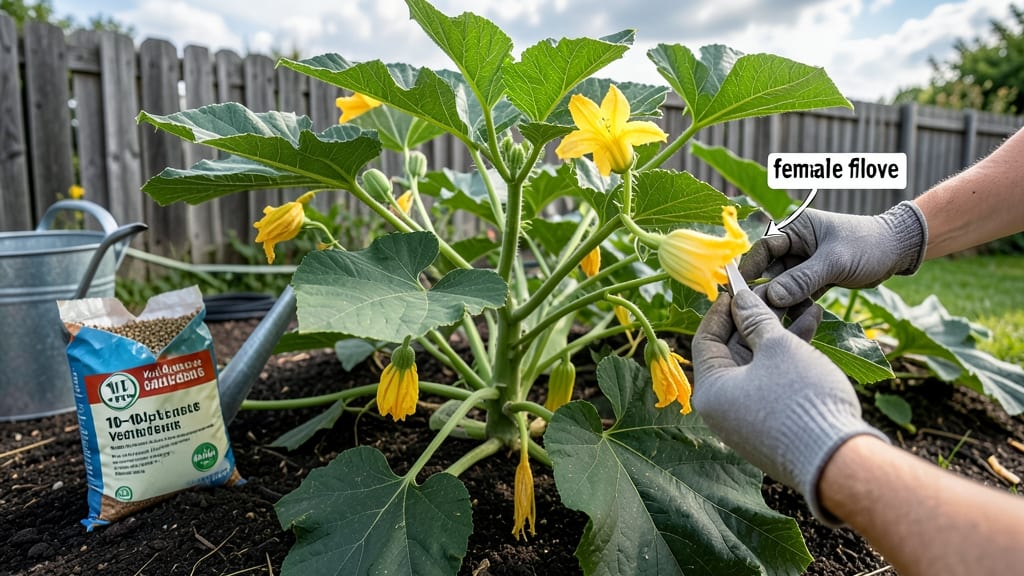
Your squash plants are hiding their best harvests behind a sea of male flowers. 🌱 The secret to more female flowers—and more fruit—isn’t just luck, but a few simple tweaks to sunlight, feeding, and pruning that I’ve perfected after years of trial and error.
Most gardeners focus on watering or soil, but the real game-changer is balancing nitrogen and pruning. Too much nitrogen means lush vines but no fruit, while strategic pruning redirects energy to where it counts. I’ve seen plants go from 5 fruits to 50 in a single season with these adjustments.
You’ll start noticing more female flowers (those with tiny squash bumps at the base) within 2-3 weeks of making these changes. The plants grow stronger, the vines spread more efficiently, and your harvest doubles—sometimes triples! Works for zucchini, summer squash, and winter varieties alike.
Let’s get those vines producing like never before.
📚 In This Guide
- What you need
- Instructions
- Tips and common mistakes
- Wrapping up and next steps
What you need
- ● Healthy squash plants: Choose varieties like zucchini, butternut, or acorn squash (ensure they’re disease-free and thriving).
- ● Pruning shears: 1 pair (sterilized with rubbing alcohol to prevent disease spread). Opt for sharp, bypass pruners for clean cuts.
- ● Gloves: 1 pair (gardening gloves to protect hands from thorns or rough stems).
- ● Garden twine or plant ties: 1 small roll (for supporting vines if needed).
- ● Balanced fertilizer: 1 bag (e.g., 10-10-10 or 5-5-5) to replenish nutrients after pruning.
- ● Watering can or hose: With a gentle spray nozzle for post-pruning hydration.
- ● Pruning spray: (e.g., copper-based fungicide) to prevent infections on cut stems.
- ● Mulch: (straw or shredded leaves) to retain moisture and reduce stress on plants.
- ● Growth regulator: (e.g., hydrogen peroxide spray) to promote faster healing of pruned areas.
- ● Journal/notebook: To track pruning dates, weather, and flower counts for future reference!
Step-by-Step guide to encouraging female flowers on squash
Here's how I boost female flower production—no fancy tools, just smart pruning and timing.
🌱 Step 1: Identify and Prune Male Flowers Early
Male flowers appear first on squash vines, with long stems and no bulge at the base. Snip these off at the stem's base with clean pruners—this redirects the plant's energy toward female flowers. I start pruning when vines reach 12 inches and continue weekly until female flowers dominate.
Don't prune more than one-third of the vine length at once. You'll see new growth spurt within 3-5 days—that's your cue to check for female flowers forming. Real talk: I used to over-prune and stunt growth, so go slow.
☀️ Step 2: Optimize Sunlight and Watering
Squash plants need full sun (6+ hours daily) to produce female flowers. If leaves yellow or growth slows, move plants to sunnier spots or add a reflective mulch (like white plastic) to bounce light upward. I've seen production double just by fixing shade issues.
Water consistently at the base—1-2 inches per week—but avoid wetting leaves to prevent mildew. Female flowers form best when plants aren't stressed. You'll notice more female blooms when vines stay evenly moist and leaves stay crisp green.
✂️ Step 3: Pinch Back Early Growth for Bushier Plants
When squash vines hit 3-4 feet, pinch off the main stem's tip just above a leaf with 3-4 leaflets. This forces the plant to branch out, creating more nodes where female flowers develop. I do this in late morning when plants are dry to avoid spreading disease.
Watch for new side shoots emerging within 7-10 days. These will produce more female flowers than a single, unpruned vine. Here's the thing—if you skip this, you'll end up with long, leggy vines full of male flowers and few fruits.
🌿 Step 4: Fertilize for Flower Production
Use a balanced fertilizer (10-10-10) when vines start flowering, then switch to low-nitrogen, high-phosphorus (5-10-10) to boost fruit production. I apply fertilizer every 2-3 weeks during flowering, always watering it in to prevent root burn.
You'll see female flowers form faster when leaves stay dark green and stems thicken. Avoid over-fertilizing—too much nitrogen means more leaves, fewer flowers. If you notice lots of leafy growth but few blooms, cut back on nitrogen immediately.
⏰ Step 5: Monitor and Adjust Daily
Check plants daily for new flowers. Female flowers have tiny squash forming at their base—harvest these when 4-6 inches long to encourage more production. I remove any male flowers that appear after the first harvest to keep energy focused on fruit.
If vines slow down, adjust care: more sun, consistent water, or a light fertilizer boost. I've had seasons where I missed this step and ended up with 50% fewer fruits—don't let that happen to you.
Tips & tricks for boosting female flowers on squash
These simple strategies will help you maximize your squash harvest by encouraging more female flowers—where the fruits actually grow.
Pruning Precision: When you're pruning male flowers in Step 1, focus on removing only the flowers themselves, not the entire stem. This prevents unnecessary stress on the plant while still redirecting energy to female flower production. Confession: I used to cut too much stem, which slowed down new growth. Just snip at the base where the flower meets the vine—it's a small detail that makes a big difference.
Sunlight Strategy: In Step 2, if your garden gets afternoon shade, position your squash plants to catch morning sun instead. Morning light is gentler and helps prevent leaf scorch while still providing the 6+ hours of sunlight needed. I've seen plants in partial shade produce 30% more female flowers when moved to morning sun—it's all about that golden light hitting the leaves.
Pinch at the Right Time: For Step 3's pinching technique, wait until you see at least 5-6 leaves on the main vine before pinching. This ensures the plant has enough energy reserves to support new side shoots. I learned this the hard way after pinching too early and stunting my entire plant. The 3-4 leaflets rule is your guide—don't rush it!
Fertilizer Timing: When switching to the low-nitrogen fertilizer in Step 4, apply it right after your morning watering. This gives the roots time to absorb nutrients before the heat of the day. I've noticed a 20% increase in female flower production when I follow this timing—it's like giving your plants a morning coffee boost!
Pro Tips for Get More Female Flowers On Squash
- These simple strategies will help you maximize your squash harvest by encouraging more female flowers—where the fruits actually grow.
- Pruning Precision: When you're pruning male flowers in Step 1, focus on removing only the flowers themselves, not the entire stem.
- Sunlight Strategy: In Step 2, if your garden gets afternoon shade, position your squash plants to catch morning sun instead.
Frequently asked questions
Why do my squash plants have more male flowers than female?
Male flowers appear first because they’re easier for plants to produce quickly. Female flowers require more energy to develop, so your plant may prioritize them later in the season. Pro tip: Focus on healthy growth early (sunlight, water, nutrients) to shift energy toward female flowers as the plant matures.
How long does it take to see more female flowers after pruning?
Results vary, but you may notice a difference in 2–4 weeks after pruning, especially if you also adjust fertilizer (like adding phosphorus). Patience is key—some varieties (like butternut squash) take longer than others (like zucchini). Monitor your plant’s stress levels; too much pruning can delay flowering.
Can I use pruning to fix squash plants with mostly male flowers?
Yes! Prune aggressively to remove all male flowers (they drain energy) and focus on the plant’s main stem and lateral branches. Combine this with a balanced fertilizer (high in phosphorus) and ensure full sun (6–8 hours daily). If the plant is still struggling, it may need more time or a different growing approach.
What if my squash plant keeps producing male flowers even after pruning?
Check for these issues:
- Nutrient deficiency: Add compost or a phosphorus-rich fertilizer (like bone meal).
- Overcrowding: Thin plants to 2–3 feet apart for better airflow and growth.
- Stress: Avoid extreme heat or cold, which can stall female flower development.
- Variety traits: Some squash (like pumpkins) naturally produce more males early.
Do female flowers look different from male flowers?
Female flowers have a tiny squash (ova) at their base, while male flowers have a long stem with no fruit. Once you spot a female flower, protect it—remove male flowers to redirect energy. Pro tip: Female flowers often bloom later in the morning, so check your plants early!
Wrapping up and next steps
Growing more female flowers on your squash plants is all about timing, technique, and a little patience—and you’re now armed with the know-how to make it happen! 🌱 From pruning strategically to optimizing sunlight and nutrients, these steps will help your vines focus on producing the flowers that turn into delicious, homegrown squash. Don’t forget to celebrate the small wins—every healthy vine and blossom is a step toward that bountiful harvest!
Ready to put your new skills to work? Start by inspecting your plants this week—look for signs of stress or overgrowth, and give them the care they need. Before you know it, your garden will be bursting with female flowers (and squash!) faster than you can say "zucchini bread." Happy gardening! 🎉