
Vegetables
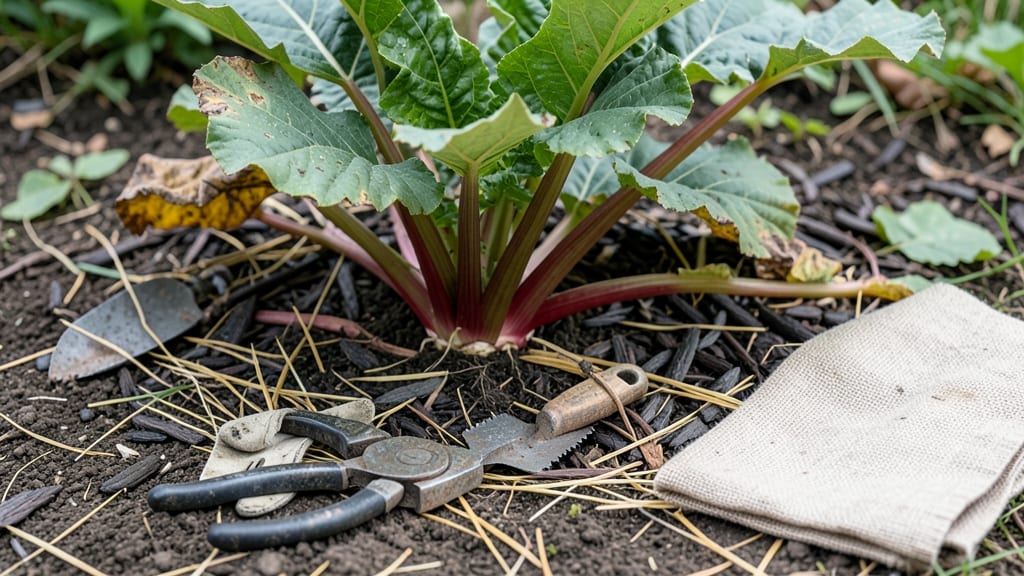
Prepping rhubarb for winter isn’t just about survival—it’s about guaranteeing next year’s vibrant pink harvest starts strong. 🌱 I’ve learned the hard way that skipping these steps leads to weak regrowth or worse, lost plants entirely. The key is timing, protection, and a little extra care before the ground freezes.
Start by cutting back the foliage once it yellows in fall, leaving just 2-3 inches of stalks. This prevents disease and lets the crown focus on storing energy. For colder zones (below 20°F), mound 6-8 inches of straw mulch around the base—this insulates roots like a cozy blanket.
In milder climates, a thick layer of leaves works just as well.
If you’re harvesting late-season rhubarb, do it before hard frosts hit—tender stalks freeze poorly. Store any extras in the freezer by blanching and slicing into freezer-friendly strips (they’ll keep for months!).
The goal is to wake up to a healthy plant in spring, ready to shoot up with fresh growth by April.
Pro tip: Avoid over-mulching in wet climates—too much moisture can rot crowns. And if you’re in Zone 3 or colder, consider adding a burlap wrap around the base for extra frost protection. Your rhubarb will thank you with bigger, sweeter stalks next season.
📚 In This Guide
- What you need
- Instructions
- Tips and common mistakes
- Wrapping up and next steps
What you need
- ● Fresh rhubarb stalks: 2–3 lbs (about 6–8 medium stalks), organic if possible (tougher skins are easier to peel).
- ● Sharp chef’s knife or kitchen shears: A 10-inch serrated or chef’s knife works best for clean cuts.
- ● Cutting board: A 12x18-inch plastic or wood board (avoid glass—it dulls knives!).
- ● Large mixing bowl: 5–6 quart capacity for rinsing and draining.
- ● Colander: Stainless steel, 8-inch diameter or larger.
- ● Paper towels or clean kitchen towel: For drying stalks thoroughly.
- ● Freezer-safe storage bags: 1-gallon zip-top bags (or quart-sized for smaller batches). OR
- ● Air-tight containers: 1-pint to 1-quart glass or BPA-free plastic containers with lids.
- ○ Measuring spoons (optional but helpful): For adding lemon juice or sugar if pre-sweetening.
- ● Peeler: For removing tough outer skins if desired (save time!).
- ● Food processor or mandoline: For uniform strips (¼-inch thickness works best).
- ● Vacuum sealer: Extends shelf life by up to 18 months (great for bulk prep!).
- ● Lemon juice or sugar: 1 tsp lemon juice per pound prevents browning; ¼ cup sugar per quart balances tartness.
- ● Parchment paper: For labeling bags with dates (trust us, you’ll forget!).
Step-by-step guide to prepping rhubarb for winter storage
Here's the simple method I use every fall to preserve rhubarb's tart-sweet flavor for pies and compotes all winter long.
🌱 Step 1: Harvest at Peak Ripeness
Wait until late fall when the first hard frost has blackened the leaves but the stalks remain crisp. The stalks should snap cleanly when bent—if they're rubbery or hollow, they won't store well. Cut stalks at the base with clean shears, leaving the crown intact in the ground for next year's growth.
Remove any damaged or slimy stalks immediately. Rinse the stalks under cold water to remove dirt, then trim off the leafy tops and any fibrous ends. The goal is clean, firm stalks ready for processing. I spread them on a clean towel to air dry while I prep the next batch.
✂️ Step 2: Chop into Uniform Strips
Use a sharp knife to cut the stalks into ½-inch thick strips. Consistency matters here—thicker pieces take longer to thaw and cook, while thinner ones can turn mushy. I like to cut them lengthwise first, then crosswise for even cooking later.
Spread the strips on a baking sheet lined with parchment paper. Place the sheet in the freezer for 1-2 hours until the strips are completely firm. This prevents them from sticking together during long-term storage. Real talk: if you skip this step, you'll end up with a frozen rhubarb block that's impossible to separate.
💧 Step 3: Package for Freezing
Transfer the frozen strips into airtight freezer bags or vacuum-sealed containers. I use quart-sized bags because they're perfect for portioning out later. Remove as much air as possible before sealing—oxygen causes freezer burn that ruins texture and flavor.
Label each bag with the date and contents. Store in the coldest part of your freezer (0°F or below). Properly packaged rhubarb will keep for 10-12 months while maintaining its vibrant color and crisp texture. I always freeze in single-use portions so I don't waste any when baking.
☀️ Step 4: Thaw and Use Properly
When ready to use, transfer the frozen rhubarb to the refrigerator and let it thaw overnight. Never microwave frozen rhubarb—it turns mushy and loses its structure. Once thawed, you can use it in any recipe that calls for fresh rhubarb, but I find it works best in baked goods where texture isn't critical.
For best results, use thawed rhubarb within 3-4 days. The flavor remains excellent, but the texture softens slightly after that. I like to make rhubarb compote or freeze it in small portions for quick baking—nothing beats the taste of home-preserved rhubarb in a warm pie on a winter day.
Tips & tricks for perfect winter rhubarb prep
These little details make all the difference when preserving rhubarb for months of baking ahead.
Harvesting Test: I learned this the hard way—only harvest rhubarb after a hard frost when leaves turn black but stalks stay firm. If stalks feel rubbery or bend without snapping, they won't store well. Confession: I once froze rubbery stalks and they turned to mush when thawed. Trust me on this.
The ½-Inch Rule: Cutting rhubarb into ½-inch strips as specified ensures even thawing and cooking. Thicker pieces take forever to thaw and can get watery, while thinner ones cook too fast. I cut lengthwise first, then crosswise for perfect uniformity. This consistency is key for baking later.
Freezer Prep Secret: That 1-2 hour freezing step before packaging is non-negotiable. I've tried skipping it and ended up with a solid rhubarb block that took forever to separate. Spread strips on parchment paper first—they'll freeze faster and won't stick to the sheet.
Pro Tips for Prep Rhubarb For Winter
- These little details make all the difference when preserving rhubarb for months of baking ahead.
- Harvesting Test: I learned this the hard way—only harvest rhubarb after a hard frost when leaves turn black but stalks stay firm.
- The ½-Inch Rule: Cutting rhubarb into ½-inch strips as specified ensures even thawing and cooking.
Frequently asked questions
Got questions about storing rhubarb for winter?
You’re not alone! Here are answers to the most common concerns—so you can prep like a pro and enjoy rhubarb treats all year long.
How long does rhubarb last in the freezer?
Properly prepped and stored, rhubarb strips keep their quality for 8–12 months. For best flavor and texture, aim to use them within 6–8 months. Store in airtight containers or freezer bags, squeezing out excess air to prevent freezer burn.
When is the best time to harvest rhubarb for freezing?
Harvest rhubarb in late spring to early summer, when stalks are firm, crisp, and 10–12 inches long. Avoid freezing overly mature or woody stalks—they’ll turn mushy. Early-morning harvests yield the freshest, most vibrant strips!
Can I freeze rhubarb without blanching?
Blanching (dipping in boiling water then ice bath) is highly recommended—it preserves color, texture, and nutrients. Without it, frozen rhubarb may turn grayish and mushy. If you’re short on time, a quick microwave blanching (90 seconds) works in a pinch!
What’s the best way to thaw frozen rhubarb for baking?
Thaw rhubarb overnight in the fridge or use it straight from the freezer in recipes like pies or compotes—no thawing needed! For smooth sauces, blend thawed rhubarb with a splash of water or apple juice to restore texture.
What if my rhubarb freezes with ice crystals?
Ice crystals are normal but can dull texture. To fix it, pat strips dry before freezing and use airtight containers. If crystals appear, simply rinse and drain the thawed rhubarb before using—it won’t affect taste!
Pro Tip:
Label your freezer bags with the date! A sharpie on the corner keeps track of storage time—so you always know what’s freshest.
Wrapping up and next steps
Prepping rhubarb for winter is your ticket to homemade pies, compotes, and baked goods—even when snow blankets the ground! 🥧 With just a few simple steps, you can extend the life of your harvest and enjoy its tangy-sweet flavor all year. Now that you’re equipped with the know-how, grab that rhubarb, and get preserving!
Your next step? Experiment with recipes—try freezing rhubarb in syrup for a dessert upgrade or blend it into jams. Happy prepping!