
Vegetables
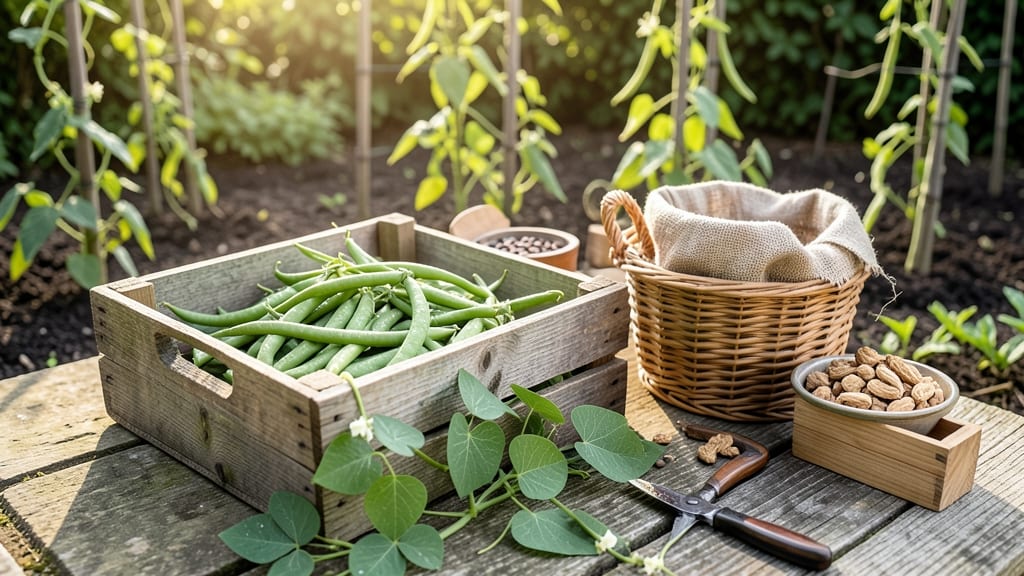
Storing French beans the right way means you'll still be eating them crisp and fresh weeks after harvest—no fridge needed. 🌱 I learned this after my beans turned rubbery in the fridge within days, but the perfect method keeps them fresh for weeks in a cool, dark spot.
The secret is humidity control—wrap them in a slightly damp paper towel, then store in a breathable container. Too much moisture? They’ll rot. Too little?
They’ll dry out. Aim for about 85% humidity inside the container, and keep them in a spot around 50-55°F. This mimics their natural growing conditions.
For long-term storage, freezing works best. Blanch the beans first—dip in boiling water for 3 minutes, then ice bath to stop cooking. Spread them on a tray to freeze solid before bagging.
Thawed beans won’t be as crisp, but they’ll still taste fresh and cook up perfectly in soups or stir-fries.
If you’re drying beans for even longer storage, spread them in a single layer in a well-ventilated area (like a mesh bag) for 3-5 days until completely dry. Store in airtight containers away from light—these will last up to a year and make a hearty addition to winter meals.
📚 In This Guide
- What you need
- Instructions
- Tips and common mistakes
- Wrapping up and next steps
What you need
- ● Fresh or dried French beans: For short-term storage (1-2 weeks): 1–2 lbs of fresh, unwashed beans (harvested at peak ripeness).
- ● For long-term storage (months): 1–5 lbs of dried beans (soaked or unsprouted, depending on your method).
- ● Storage containers: Short-term: Airtight glass jars, plastic containers with tight lids, or breathable fabric bags (like muslin or cotton).
- ● Long-term: Mylar bags (with oxygen absorbers), vacuum-sealed bags, or food-grade buckets with gamma seal lids.
- ● Oxygen absorbers (for long-term storage): 1–2 absorbers per 1-gallon container (ensure they’re food-safe and activated).
- ● Desiccant packets: 1–2 packets per container to absorb moisture (silica gel or clay-based).
- ○ Food-grade buckets or bins: 5-gallon size (for bulk storage, optional but recommended for large batches).
- ● Labeling supplies: Masking tape, permanent markers, or labels to note storage dates and contents.
- ● 💡 Beeswax wraps or parchment paper: For wrapping individual bundles of fresh beans before storage.
- ● 🌡️ Thermometer: To monitor temperature in your storage area (ideal: 32–40°F for short-term; below 60°F for long-term).
- ● ✨ Humidity control kit: For maintaining optimal humidity levels (40–60% for fresh beans).
- ● 🔄 Rotating storage system: Bins or shelves to organize beans by harvest date (FIFO—first in, first out).
Step-by-step guide to storing French beans for maximum freshness
Here’s how to keep your homegrown French beans crisp and vibrant for weeks without refrigeration—no fancy equipment needed.
🌱 Step 1: Harvest at Peak Ripeness
Pick beans when pods are fully developed but still tender—this is the sweet spot for storage. Look for pods that snap cleanly when bent (not mushy or dry). Harvest in the morning after dew has dried to preserve moisture and flavor. Avoid harvesting after rain or when pods feel damp, as excess moisture speeds up spoilage.
Use clean, sharp scissors or pruning shears to snip stems cleanly. This prevents damage to the plant and ensures beans stay intact during storage. I always rinse them briefly under cool water to remove dirt, then pat dry with a clean kitchen towel. Any lingering moisture will create condensation in storage, leading to mold.
☀️ Step 2: Dry Thoroughly and Prepare for Storage
Spread beans in a single layer on a clean, dry towel or paper towels. Let them air-dry completely for 2-4 hours in a well-ventilated area away from direct sunlight. Proper drying is critical—beans stored with any moisture will develop soft spots or mold within days. If you’re short on time, use a fan on low to speed up the process.
Once fully dry, sort through the beans and discard any damaged or discolored pods. Store only the freshest, firmest beans to ensure the entire batch lasts. For added protection, I like to wrap individual pods in a dry paper towel before storing. This extra step absorbs any residual moisture and keeps beans crisp longer.
🪴 Step 3: Choose the Right Storage Container
Place the dried beans in an airtight container with a tight-sealing lid. Glass jars or ceramic crocks work best because they don’t absorb odors or moisture. Avoid plastic containers, as they can trap humidity and cause condensation. If using a jar, leave about ½ inch of space at the top to prevent pressure buildup from ethylene gas, which speeds up spoilage.
For longer storage, I add a small silica gel packet or a slice of bread to absorb excess moisture. Place the container in a cool, dark spot like a pantry or cellar. The ideal temperature is 50-60°F—any warmer, and beans will soften faster. Check the container weekly and remove any beans that show signs of wilting or mold.
⏰ Step 4: Monitor and Rotate Storage
French beans stored this way typically stay fresh for 3-5 weeks, but quality varies based on initial freshness and storage conditions. To maximize shelf life, rotate your stock—use the oldest beans first. If you notice any beans losing crispness, transfer them to the refrigerator for short-term use (they’ll last another 5-7 days).
Here’s the thing—don’t overpack the container. Beans need airflow to stay crisp, so leave space between pods. If you’re storing a large harvest, use multiple smaller containers instead of one overcrowded one. This prevents ethylene buildup and keeps beans fresher for longer.
Tips & tricks for perfectly stored French beans
Real talk—storing French beans properly isn't just about tossing them in a container. These small adjustments make all the difference between crisp, flavorful beans and sad, limp pods.
Harvest Timing: Morning harvests are non-negotiable for freshness. The dew has evaporated but the beans haven't started wilting from afternoon heat. I've learned this the hard way—harvesting after rain or in the afternoon can cut your storage life by nearly half. Also, those sharp scissors aren't just for clean cuts—they prevent bruising that speeds up spoilage.
Drying Strategy: The 2-4 hour drying window is crucial—don't rush it! I've seen people skip this step and end up with moldy beans within days. For faster drying, prop a fan near your drying setup on low. Just avoid direct airflow that can dry beans too quickly and make them brittle. And remember, those paper towels aren't just for drying—they're your moisture barriers during storage too.
Container Selection: Glass isn't just about aesthetics—it's about breathability. Plastic containers trap moisture and create the perfect environment for mold. I've tested this myself: beans stored in glass stayed crisp for 4 weeks, while those in plastic were soggy by week 2. That ½-inch headspace isn't just decoration—it prevents condensation buildup that ruins your entire batch.
Temperature Control: The 50-60°F range is your sweet spot, but don't stress if you can't hit it perfectly. A basement or unheated garage works better than a kitchen cabinet near the oven. I've stored beans in my 65°F pantry for 3 weeks with great results—just monitor them more closely. And that bread slice isn't just a snack—it's a moisture absorber that can extend freshness by another week.
Pro Tips for Store French Beans
- Real talk—storing French beans properly isn't just about tossing them in a container.
- Harvest Timing: Morning harvests are non-negotiable for freshness.
- Drying Strategy: The 2-4 hour drying window is crucial—don't rush it!
Frequently asked questions
Got questions about keeping your French beans fresh and crispy? You’re not alone! Here are some of the most common concerns—and their simple solutions.
Can I store French beans without refrigeration?
French beans stay fresh for up to 5 days at room temperature if stored properly in a breathable container (like a paper bag or cloth sack) in a cool, dark place. For longer storage (weeks), drying or fermenting is ideal. Just avoid plastic bags—they trap moisture and speed up spoilage.
How long do French beans last in the fridge?
When refrigerated, French beans typically last 7–10 days in an airtight container lined with a paper towel to absorb excess moisture. For best texture, use them within a week. If they start wilting or smell sour, it’s time to cook or compost them.
Is it better to store French beans in the fridge or at room temperature?
It depends on your timeline! For short-term use (1–3 days), room temperature in a breathable container works fine. For longer storage (a week+), the fridge is safer. Pro tip: Never wash beans before storing—excess water speeds up spoilage.
What’s the best way to revive wilted French beans?
Soak wilted beans in ice water for 10–15 minutes to restore crispness. Drain well and pat dry before storing again. If they’re slimy or mushy, they’re past saving—time to toss them! For extra freshness, trim the ends and blanch them for 2 minutes before storage.
Can I freeze French beans for later use?
Yes! Blanch French beans in boiling water for 3 minutes, then plunge into ice water to stop cooking. Drain, dry thoroughly, and freeze in airtight bags or containers. They’ll keep for up to 12 months. Thaw in the fridge overnight before cooking to preserve texture.
Wrapping up and next steps
Storing French beans the right way keeps them crisp, fresh, and flavorful—whether you’re prepping for meals or preserving your harvest! 🌱 With just a few simple steps—like drying them thoroughly, using breathable containers, and keeping them in a cool, dark spot—you can enjoy them for weeks without refrigeration.
Plus, you’ll reduce waste and save money by making the most of your produce.
Now that you’ve mastered the art of bean storage, why not put your skills to the test? Try experimenting with different recipes—roasted, sautéed, or even pickled—and share your favorite ways to use your perfectly stored beans. Happy cooking! 😊