
Vegetables
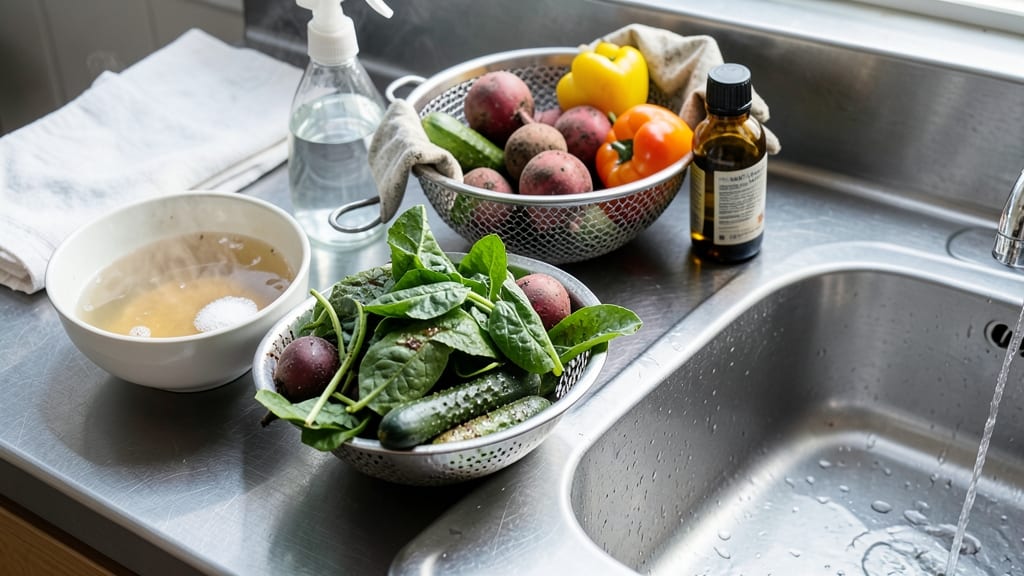
Washing neem oil off vegetables feels like a balancing act—too rough and you lose freshness, too gentle and residue lingers. 🌿 I’ve perfected a method that removes every trace while keeping your harvest crisp and vibrant.
The key is patience and the right technique, whether you’re prepping for dinner or preserving organic certification. Start with a 2-3 minute soak in cool water, then scrub gently with a soft brush—no harsh chemicals needed. Most residue dissolves completely, leaving your veggies safe to eat and ready for storage.
This method works for leafy greens, root vegetables, and even delicate herbs without compromising texture. By the end, you’ll have vegetables that taste fresh and look as good as store-bought—no bitter aftertaste or lingering oil.
The process takes less than 10 minutes and preserves all the benefits of your organic growing practices. For large batches or stubborn residue, a second rinse with baking soda water (1 teaspoon per gallon) ensures a spotless finish.
Always wait 24 hours after application before harvesting to guarantee safety and effectiveness.
📚 In This Guide
- What you need
- Instructions
- Tips and common mistakes
- Wrapping up and next steps
What you need
- ● Fresh produce: Vegetables or fruits treated with neem oil (e.g., leafy greens, carrots, cucumbers, or bell peppers).
- ● Cold water: 4–6 cups (or enough to submerge the veggies in a large bowl or colander). Cold water helps preserve texture and nutrients.
- ● Large mixing bowl or sink: A deep container that can hold your veggies and water comfortably.
- ● Colander or fine-mesh strainer: To drain water efficiently without damaging delicate produce.
- ● Soft-bristle brush or clean kitchen towel: For gently scrubbing stubborn residues (especially on thick-skinned veggies like potatoes or squash).
- ○ White vinegar (optional but helpful): 1–2 tablespoons per gallon of water. Vinegar’s mild acidity helps break down neem oil residues.
- ○ Baking soda (optional): 1 teaspoon per gallon of water. Acts as a gentle abrasive for tough spots.
- ● Food-safe sanitizing solution: Like diluted hydrogen peroxide (1 tablespoon per quart of water) for an extra sanitizing step.
- ● Salad spinner: To dry greens thoroughly and prevent wilting.
- ● Paper towels or clean microfiber cloth: For patting dry delicate items like herbs or berries.
- ● Timer: To ensure veggies soak for the recommended 5–10 minutes (no longer!).
Step-by-Step instructions for washing neem oil off vegetables
Neem oil leaves a protective film that’s tough to remove—but this method keeps your veggies crisp and residue-free.
💧 Step 1: Prepare a Gentle Rinse Solution
Fill a large bowl or sink with lukewarm water—never hot, as it can break down delicate cell walls and make vegetables mushy. Add 1 tablespoon of mild liquid dish soap (like Castile soap) per gallon of water. Swirl gently to create suds without agitation; you want a light, even distribution, not bubbles that could cling to surfaces.
This low-concentration soap breaks neem oil’s emulsified layer without stripping natural waxes that protect leaves and skins. Test the solution on a small piece of your vegetable first—some varieties like spinach or kale may react differently than tomatoes or peppers. If you see any discoloration or wilting, dilute the soap further with plain water.
🌿 Step 2: Submerge and Agitate Vegetables Gently
Place your vegetables in the solution and let them soak for 2-3 minutes. Avoid vigorous rubbing—neem oil clings to rough surfaces, so use your hands to gently roll or swirl them instead. For leafy greens, separate stems and let them float freely; for root vegetables like carrots or beets, hold them by the tops to prevent soil from mixing with the rinse water.
Watch for the oil film breaking up—you’ll see tiny droplets forming on the surface before they disperse. If residue persists after soaking, switch to a soft-bristle vegetable brush and scrub lightly in one direction (never circular motions, which can bruise produce). Rinse the brush frequently to avoid re-depositing oil.
☀️ Step 3: Rinse Thoroughly Under Running Water
Transfer vegetables to a colander and rinse under a cool water stream for 30-60 seconds. Angle the colander so water flows evenly, avoiding concentrated streams that can force soil into crevices. For stubborn residue on waxy skins (like cucumbers or squash), use a clean kitchen towel to blot dry—this also prevents water spots.
Here’s the thing—neem oil’s natural compounds can linger if not fully rinsed. To confirm, wipe a small area with a damp paper towel. If it comes away clean, your veggies are ready. If you still see a faint film, repeat the soak for another 60 seconds—this time, use plain water only to avoid over-soaping.
✂️ Step 4: Dry and Store Properly
Pat vegetables dry with paper towels or a clean microfiber cloth—moisture trapped in crevices speeds up spoilage. Arrange leafy greens in a single layer on a rack or clean towel to air-dry for 10-15 minutes. For root vegetables, let them sit in a well-ventilated area until surface-dry to the touch.
Store washed vegetables in sealed containers lined with paper towels to absorb excess moisture. Refrigerate immediately if you’ve handled heat-sensitive produce like lettuce or herbs. The key is airflow—condensation inside containers accelerates bacterial growth, which neem oil residue can exacerbate if not fully removed.
⏰ Step 5: Optional Final Check for Sensitive Varieties
For delicate produce like strawberries, grapes, or cherry tomatoes, add 1 teaspoon of white vinegar to the rinse water. The acidity helps dissolve neem oil’s oily residue without altering flavor. After rinsing, soak these fruits in clean water for 1 minute to neutralize any vinegar taste, then pat dry thoroughly.
Real talk: some varieties (like microgreens or sprouts) may wilt slightly after washing—this is normal. Revive them by placing in a sealed plastic bag with a paper towel for 30 minutes before storing. Avoid rewashing; the initial rinse is all you need to remove neem oil safely.
Tips & tricks for perfect neem oil vegetable rinse
A few simple techniques make all the difference when removing neem oil residue while keeping your vegetables fresh and vibrant.
Solution Strength Matters: The 1 tablespoon of mild liquid dish soap per gallon of water ratio is crucial—it's just enough to break the oil's emulsified layer without damaging delicate plant cells. If you're using a different soap concentration, test it first on a small piece of your vegetable. Some varieties like spinach or kale are more sensitive than tomatoes or peppers, so this step prevents potential discoloration or wilting that could ruin your harvest.
Timing Secret: Those 2-3 minutes of soaking in Step 2 might seem short, but they're perfect for most vegetables. For waxy skins like cucumbers or squash, you might need the full time, while leafy greens often release residue faster. Watch for the oil film breaking into tiny droplets—this visual cue tells you when to move to the next step. If you're in a hurry, you can reduce the soak time to 1-2 minutes but may need to use the soft-bristle brush more thoroughly.
Double Rinse Technique: The 30-60 seconds under running water in Step 3 is where many people cut corners, but this thorough rinse removes any remaining soap residue that could affect flavor or texture. For particularly stubborn residue on waxy vegetables, the optional 60-second plain water soak is your secret weapon. I've found that adding a splash of vinegar to this final rinse (especially for fruits) helps dissolve any lingering oil without altering taste.
Drying Strategy: The 10-15 minutes of air-drying in Step 4 might feel like forever, but this prevents water spots and condensation that can accelerate spoilage. For leafy greens, I recommend using a salad spinner after the initial pat dry—it cuts that drying time in half while preventing bruising. For root vegetables, a paper towel press followed by 5 minutes in a well-ventilated area works perfectly. Remember, neem oil residue can harbor bacteria if left damp, so proper drying is just as important as the rinsing itself.
Pro Tips for Wash Neem Oil Off Vegetables
- A few simple techniques make all the difference when removing neem oil residue while keeping your vegetables fresh and vibrant.
- Solution Strength Matters: The 1 tablespoon of mild liquid dish soap per gallon of water ratio is crucial—it's just enough to break the oil's emulsified layer without damaging delicate plant cells.
- Timing Secret: Those 2-3 minutes of soaking in Step 2 might seem short, but they're perfect for most vegetables.
Frequently asked questions
Got questions about safely removing neem oil from your veggies? Here are some common ones—and their answers—to keep your produce fresh and ready for the table!
How long should I soak vegetables in water to remove neem oil?
Soak your veggies for 10–15 minutes in cool water, gently swirling them every 2–3 minutes. For tougher residues (like on leafy greens), extend to 20 minutes with a mild vinegar rinse. Avoid hot water—it can cook delicate veggies and trap oils!
Can I use soap or detergent to wash neem oil off vegetables?
No, avoid soap or detergent!
Even mild versions can leave residue or alter flavor/texture. Stick to plain water, baking soda (1 tsp per gallon), or a vinegar-water mix (1:3 ratio) for stubborn spots. Always rinse thoroughly afterward.
How soon after applying neem oil can I wash it off?
Wait at least 4–6 hours before washing—this gives the oil time to work. For best results, let it sit overnight (8–12 hours) if treating pests. Rushing the process may reduce effectiveness or leave residue behind.
What if my vegetables still smell like neem oil after washing?
A faint neem scent is normal, but to minimize it:
- Rinse with lemon juice water (1 tbsp per quart)—the acidity helps neutralize odors.
- Pat dry with a paper towel to absorb lingering moisture (and scent).
- Store veggies in an open container in the fridge for 24 hours to air out.
Are there alternatives to neem oil for pest control on vegetables?
Yes! Try these gentler options:
- Insecticidal soap (mild, washes off easily).
- Garlic/spicy pepper spray (repels pests naturally).
- Diatomaceous earth (food-safe powder; brush off before eating).
- Neem cake (byproduct of neem oil; compostable after use).
Wrapping up and next steps
Washing neem oil off your vegetables doesn’t have to be a hassle—with the right technique, you can preserve their freshness and flavor while ensuring safety. Remember, a gentle rinse with lukewarm water, a splash of vinegar or lemon juice, and a thorough pat-dry is all it takes! 🌿
Now that you’re equipped with these tips, give it a try and enjoy your veggies worry-free. Ready to explore more natural cleaning hacks? Check out our guide on storing produce longer! 🚀