
Vegetables
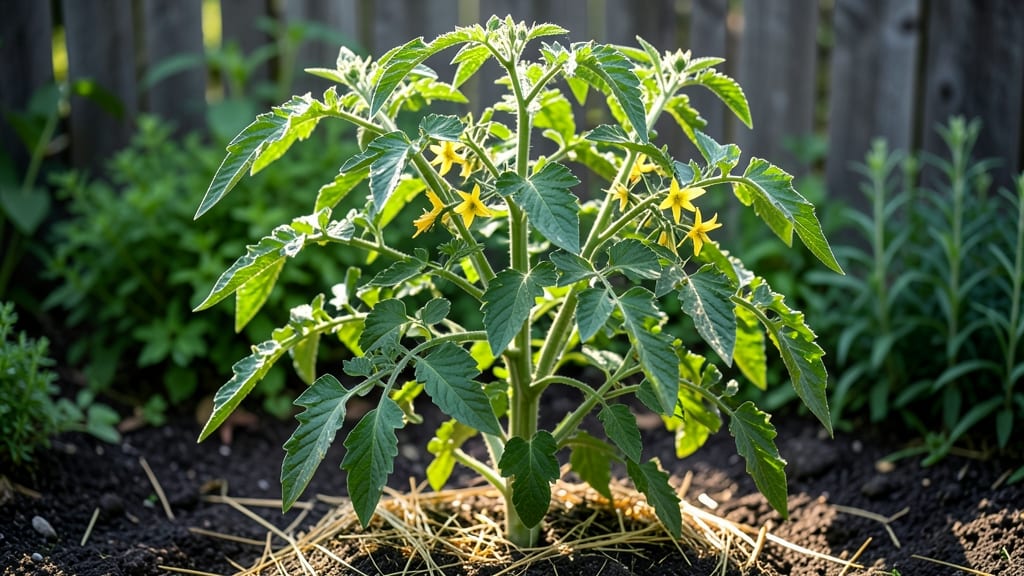
Growing Jet Star tomatoes changed everything—cold-hardy, perennial, and packed into containers, these plants defy the usual tomato rules. 🌱 I planted mine last spring after years of struggling with annual varieties that bolted at the first frost, and they’re still producing fruit today.
The secret? Their ability to survive winter in containers and bounce back stronger each season.
You’ll need 5-gallon containers with drainage, a well-draining soil mix (add compost for fertility), and a spot with 6-8 hours of sunlight daily. Unlike most tomatoes, Jet Stars tolerate cooler temps—even down to 28°F—so they’re perfect for early springs or late falls.
Water consistently (about 1 inch per week), but avoid soggy soil to prevent root rot.
Pruning keeps them compact and productive: pinch suckers regularly and stake or cage them early. Expect heavy yields of small, flavorful fruits—perfect for salads or sauces—starting about 60 days after transplanting.
The plants grow 4-5 feet tall, so they’re ideal for patios or small spaces where traditional tomatoes would sprawl.
Here’s the game-changer: mulch heavily in fall to protect roots, and you’ll get two harvests in one season—spring and fall. Even in Zone 5, my plants survived last winter with minimal protection. Ready to grow tomatoes that outlast the average variety?
📚 In This Guide
- What you need
- Instructions
- Tips and common mistakes
- Wrapping up and next steps
What you need
- ● Jet Star tomato seeds or young plants: 1–3 (check seed packet for spacing needs).
- ● Containers: 5+ gallon pots (minimum 18" deep) with drainage holes. Pro tip: Fabric grow bags (20+ gallons) work great for root expansion!
- ● High-quality potting mix: 1–2 bags (sterile, well-draining blend with compost or coconut coir). 💡 Avoid garden soil—it compacts and suffocates roots!
- ● Tomato cages or stakes: 5–6 ft tall (bamboo or metal). ✨ For perennials, opt for sturdy stakes to support winter mulch.
- ● Organic fertilizer: Balanced (10-10-10) or tomato-specific (e.g., fish emulsion). Start with 1 tbsp per plant.
- ● Mulch: Straw or shredded leaves (2–3 inches). 🌡️ Essential for cold-hardy varieties!
- ● Watering can or hose with gentle nozzle: Avoid splashing leaves to prevent disease.
- ● Slow-release fertilizer pellets (mix into soil at planting).
- ● Mycorrhizal fungi (boosts root health—sprinkle into planting hole).
- ● Row covers or frost cloth (for early/late seasons).
- ● pH test kit (ideal range: 6.0–6.8 for tomatoes).
- ● Pruning shears (for shaping and removing suckers).
Step-by-step instructions for growing Jet Star tomatoes in containers
Here's how to revive this cold-hardy heirloom variety year after year with minimal fuss.
🌱 Step 1: Select the Right Container and Soil Mix
Jet Star tomatoes thrive in 5-gallon containers with 12+ inches of depth—their sprawling roots need room to establish. I use fabric grow bags because they allow excess moisture to evaporate while still holding enough volume. Avoid plastic pots; they trap heat and can scorch roots in summer.
Fill the container with a sterile potting mix blended with 20% perlite for drainage. Jet Stars prefer slightly acidic soil (pH 6.0-6.8), so test your mix or amend with cottonseed meal if needed. Pre-moisten the soil until it's damp like a wrung-out sponge—this prevents air pockets that stunt root growth.
☀️ Step 2: Plant at the Correct Depth and Stagger Seedlings
Plant two seeds per container at a depth of ½ inch, spacing them 3 inches apart. The Jet Star's indeterminate growth habit means you'll need vertical support soon, but starting with two plants ensures at least one strong specimen if one fails. Cover seeds lightly with soil and pat gently to remove air gaps.
Place the container in a warm, sunny spot (70-75°F) and cover with a humidity dome or plastic wrap. Keep the soil consistently moist—not soggy—until germination (7-14 days). Real talk: Overwatering here is the #1 killer of young Jet Stars. Stick your finger 1 inch deep; if it's dry, water lightly.
🪴 Step 3: Provide Support and Train Vines Early
Once seedlings develop true leaves (not just the initial cotyledons), install a 6-foot bamboo stake or tomato cage immediately. Jet Stars grow 8-10 feet tall, so delay support and you'll regret wrestling with top-heavy vines later. Tie the main stem to the stake with soft plant ties every 12 inches as it grows.
Pinch off suckers (the small shoots in the leaf axils) to direct energy into fruit production. I use my thumbnail to gently snap them off—no need for pruners. This ensures the plant puts resources into large, beefy tomatoes rather than excessive foliage. Watch for first flowers around 60 days after planting; they'll appear in clusters at the stem joints.
💧 Step 4: Water Deeply and Fertilize Strategically
Water deeply 2-3 times per week, soaking the entire root zone until water runs from the drainage holes. Jet Stars are drought-tolerant once established, but consistent moisture prevents blossom-end rot. I water in the early morning to reduce fungal risks—wet leaves at night invite disease.
Feed every 2 weeks with a balanced liquid fertilizer (10-10-10) diluted to half strength. The key here is moderation—Jet Stars produce massive fruit, and over-fertilizing leads to lush leaves but few tomatoes. Stop fertilizing 4 weeks before harvest to let flavors concentrate.
✂️ Step 5: Prune for Airflow and Harvest at Peak Ripeness
Prune yellow leaves and crossing vines regularly to improve airflow and sunlight penetration. Jet Stars develop large, deep-red fruit that ripens unevenly—check clusters every 3 days starting 70-80 days after flowering. Harvest when the tomatoes are fully colored and slightly soft to touch; they won't ripen further off the vine.
To overwinter, cut back vines to 6 inches, lift the container, and store in a cool (40-50°F), dark garage until spring. Jet Stars are perennial in zones 8-11—they'll reward you with bigger yields each year if you protect them through winter. I've seen mine produce 20+ pounds of tomatoes in a single season with proper care.
Tips & tricks for growing Jet Star tomatoes in containers
These practical insights will help you cultivate thriving Jet Star tomato plants year after year.
Container Selection: While 5-gallon containers are ideal, you can also use 7-gallon pots for even larger yields. The key is ensuring at least 12 inches of depth—Jet Stars develop extensive root systems that need room to spread. I've found that fabric grow bags actually outperform plastic pots because they allow excess moisture to evaporate while maintaining excellent drainage. The breathability prevents root rot, which is especially important during summer's heat.
Soil Preparation: The pH 6.0-6.8 range is critical for Jet Stars, so test your soil before planting. If your mix tests higher, amend with cottonseed meal (about 1 cup per 5-gallon container) to lower the pH. I always pre-moisten the soil to the consistency of a wrung-out sponge—this prevents air pockets that can stunt root development. Pro tip: Mix in 20% perlite by volume to create optimal drainage while retaining moisture.
Germination Strategy: Maintaining that 70-75°F temperature range during germination is non-negotiable. If your home runs cooler, place containers on a seedling heat mat or in a sunny window with a clear plastic wrap cover to create a mini greenhouse effect. The humidity dome helps maintain moisture while preventing fungal growth. Remember, overwatering during this stage is the #1 killer—check soil moisture by sticking your finger 1 inch deep before watering.
Overwintering Success: When cutting back vines to 6 inches for overwintering, leave a few leaves attached to help the plant photosynthesize during its dormant period. Store containers in a cool (40-50°F), dark garage with good air circulation. I've had plants survive multiple winters this way, producing even larger yields each subsequent season. The key is preventing temperature fluctuations and keeping soil slightly moist but not soggy during dormancy.
Pro Tips for Jet Star Tomato
- These practical insights will help you cultivate thriving Jet Star tomato plants year after year.
- Container Selection: While 5-gallon containers are ideal, you can also use 7-gallon pots for even larger yields.
- Soil Preparation: The pH 6.0-6.8 range is critical for Jet Stars, so test your soil before planting.
Frequently asked questions
about growing Jet Star tomatoes—because even cold-resistant perennials need a little extra love! Here are answers to the most common questions to help you cultivate success.Can Jet Star tomatoes survive winter in containers?
The Jet Star is a cold-hardy variety, but containers need extra protection. In zones 5-8, mulch heavily with straw or leaves and wrap pots in bubble wrap or burlap. Move containers to a sheltered spot (like a garage or unheated shed) if temps drop below 10°F (-12°C). Avoid freezing soil—it’s the enemy of perennials!
How long does it take for Jet Star tomatoes to fruit in containers?
With proper care, you can expect Jet Star tomatoes to produce fruit 60-90 days after transplanting in containers. Start seeds indoors 8-10 weeks before your last frost, then transplant to pots (minimum 10-gallon size) for best results. Patience pays off—these cold-resistant plants reward consistency!
What’s the best container size for Jet Star tomatoes?
Minimum 10-gallon containers are ideal, but 15-20 gallons give roots more room to thrive. Use fabric grow bags or deep pots with drainage holes to prevent soggy soil. If growing in smaller pots, prune aggressively to control size and ensure 1-2 main stems for better airflow and fruit production.
How do I prevent pests like aphids or hornworms on Jet Star tomatoes?
Start with neem oil or insecticidal soap for early pest control. Introduce ladybugs or parasitic wasps for natural defense. For hornworms, handpick them (they’re easy to spot!) or use Bt (Bacillus thuringiensis), a organic bacteria-based spray. Healthy plants resist pests better—so fertilize with balanced organic matter and avoid overwatering.
Can I grow Jet Star tomatoes in the ground instead of containers?
While Jet Star thrives in containers, it also performs well in well-draining, slightly acidic soil (pH 6.0-6.8). Amend clay soil with compost to improve aeration. In-ground plants may need staking or caging to support their vines, especially in windy areas. Just ensure full sun (6-8 hours daily) and mulch to retain moisture.
How often should I fertilize Jet Star tomatoes in containers?
Feed every 2-3 weeks during the growing season with a balanced organic fertilizer (10-10-10 or 5-5-5). Switch to a low-nitrogen, high-phosphorus formula (like 3-4-6) when flowers appear to boost fruiting. Avoid over-fertilizing—containers drain nutrients quickly, and Jet Star prefers steady, moderate feeding over heavy doses.
Wrapping up and next steps
Growing Jet Star tomatoes in containers isn’t just possible—it’s a rewarding way to enjoy cold-hardy, perennial tomatoes year after year! Whether you’re a seasoned gardener or a curious beginner, this variety thrives with minimal fuss, offering delicious, disease-resistant fruit even in cooler climates. 🌱❄️
Ready to dive in? Start small—pick a sunny spot, grab your supplies, and let these resilient plants surprise you. Next up: Plant your first Jet Star seeds or seedlings this season and watch your container garden transform into a tomato powerhouse! 🍅💚