
Vegetables
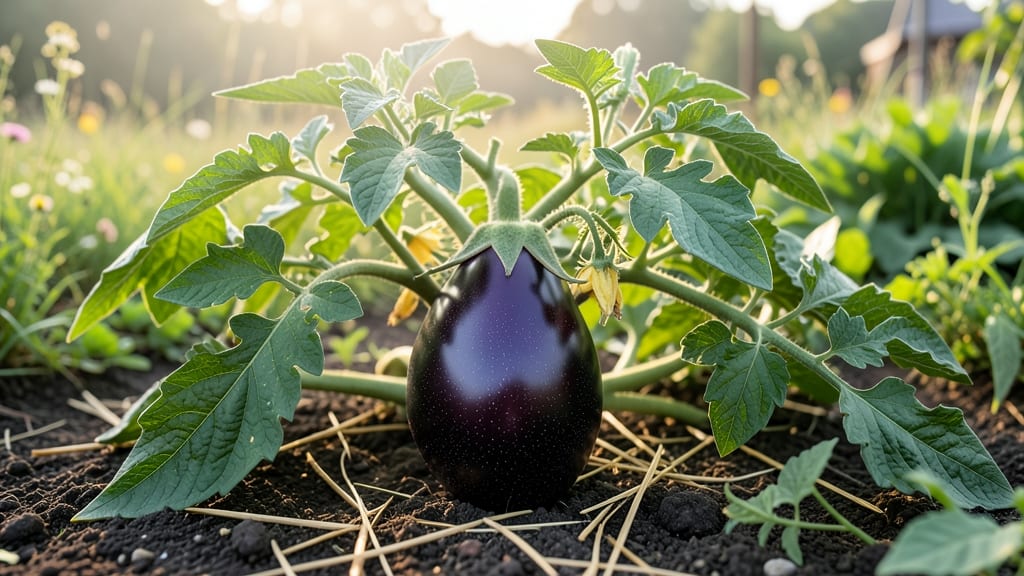
Growing egg-shaped tomatoes turns your patio into a mini orchard of sun-kissed treasures. 🌱 These unique varieties—like 'Black Krim Egg' or 'Pear Tomatoes'—aren’t just pretty; they’re packed with flavor and perfect for salads, sauces, or even ornamental displays.
The secret to their success lies in the right container, soil, and care tailored to their distinctive growth habit.
Start with a 5-gallon container or larger, filled with well-draining soil rich in organic matter. Egg tomatoes thrive in full sun (6-8 hours daily) and need consistent moisture—1-1.5 inches per week—to prevent cracking, a common issue with their thick skins.
Prune strategically to encourage airflow and support their compact, bushy growth, which differs from traditional vining varieties.
By midsummer, you’ll harvest plump, glossy tomatoes that burst with sweet-tart flavor. The key is patience: these varieties mature slightly later than standard tomatoes but reward you with longer storage life and a showstopping presence in your garden or kitchen.
Even in containers, they produce 20-30 pounds per plant with proper care.
Troubleshoot blossom end rot by ensuring steady calcium levels (add crushed eggshells to the soil) and avoid overwatering. Their unique shape makes them ideal for stuffing, slicing, or even drying—so plan your harvests around recipes that highlight their versatile texture and flavor. Ready to grow something extraordinary?
📚 In This Guide
- What you need
- Instructions
- Tips and common mistakes
- Wrapping up and next steps
What you need
- ● Egg-shaped tomato seeds or seedlings: Choose heirloom varieties like ‘Black Krim’, ‘Cherokee Purple’, or ‘Brandywine’ (3-5 plants for a small harvest).
- ● Containers: 5-gallon pots or fabric grow bags (at least 12-18 inches deep) with drainage holes.
- ● High-quality potting mix: A lightweight, well-draining blend (avoid garden soil—it compacts!).
- ● Tomato cages or stakes: 5-6 ft tall (for support as vines grow).
- ● Balanced fertilizer (5-10-5 or 10-10-10): Organic options like fish emulsion or compost tea work too!
- ● Mulch: Straw or shredded leaves (to retain moisture and suppress weeds).
- ● Pruning shears or scissors: For trimming suckers and shaping plants.
- ● Watering can or hose with a gentle spray nozzle: Avoid soggy soil!
- ○ pH testing kit (optional but helpful): Aim for a soil pH of 6.0–6.8.
- ● Sunlight: 6–8 hours of direct sun daily (a south-facing window or balcony works in a pinch!).
- ● Patience & love: Tomatoes thrive with consistent care—no shortcuts!
- ● Slow-release fertilizer pellets for convenience.
- ● Drip irrigation system to automate watering.
- ● Companion plants like basil or marigolds to deter pests.
- ● Garden journal to track growth and harvest dates.
Step-by-Step guide to growing egg-shaped tomatoes in containers
Here’s how to coax those prized heirloom varieties into thriving plants with minimal fuss.
🌱 Step 1: Select the Right Variety and Container
Choose a determinate egg-shaped variety like 'Pruden's Purple,' 'Lemon Boy,' or 'Black Prince'—these bush types naturally produce compact, fruit-laden plants perfect for containers. Avoid indeterminate vining types unless you’re willing to prune aggressively for space. A 5-gallon fabric grow bag or 18-inch diameter pot with multiple drainage holes is ideal—roots need room to spread without waterlogging.
Fill the container ¾ full with a sterile potting mix (never garden soil—it compacts and suffocates roots). I like to blend in 1 cup perlite per bag to improve aeration. The mix should feel like a damp sponge when squeezed—if it crumbles, add water; if it drips, it’s too wet. Egg-shaped tomatoes thrive in full sun (6+ hours daily), so position your container where it gets unfiltered morning light and afternoon shade in hot climates.
☀️ Step 2: Plant and Stake for Support
Dig a hole twice as wide as the root ball but only as deep—planting too deep can strangle the stem. Gently tease apart roots if they’re circling and place the plant so the top of the root ball sits ½ inch below the rim. This prevents soil erosion during watering. Press the mix around the roots firmly but don’t compact it—you want air pockets for oxygen flow.
Install a 6-foot bamboo stake or tomato cage immediately. Egg-shaped varieties don’t need heavy pruning, but they benefit from light staking to prevent sprawling. Tie the main stem loosely to the stake with soft plant ties (I use old T-shirts cut into strips). Avoid tight knots—roots need to breathe, and stems can’t outgrow their support. Water deeply right after planting to settle the soil and eliminate air pockets.
💧 Step 3: Water and Feed for Consistent Production
Water every 2-3 days until the top 2 inches of soil feel dry—egg-shaped tomatoes are drought-sensitive and split easily when watered inconsistently. Use a drip irrigation system or water at the base (never overhead) to prevent fungal diseases like early blight. In containers, soil dries out faster than in-ground beds, so check daily during heatwaves. Mulch with 2 inches of straw to retain moisture and keep roots cool.
Feed every 2 weeks with a balanced liquid fertilizer (10-10-10) once flowers appear. Egg-shaped tomatoes are heavy producers and deplete nutrients quickly. I switch to fish emulsion when fruits start forming—it’s high in nitrogen for leaf growth and phosphorus for fruiting. Stop fertilizing 4 weeks before your first frost to let the plant harden off naturally.
✂️ Step 4: Prune and Harvest for Maximum Yield
Minimal pruning is key—remove suckers (the shoots that form in the leaf axils) only if they’re larger than a pencil, as egg-shaped varieties produce well without heavy thinning. Pinch off the first few flowers that appear to encourage stronger stem growth. Once the plant is established, let it bush out naturally—the more leaves, the more energy for fruit production.
Harvest when tomatoes are fully colored but still slightly firm—egg-shaped varieties ripen all at once, so check daily. Gently twist fruits from the vine (don’t pull) to avoid damaging stems. Store unripe tomatoes in a paper bag with a banana to speed ripening. If birds or squirrels become a problem, cover the plant with fine netting—egg-shaped tomatoes are too tempting to leave unprotected.
⏰ Step 5: Overwinter and Revive for Next Season
After your first frost, cut back stems to 6 inches and move the container to a garage or cold frame where temperatures stay above 30°F. Reduce watering to once every 2 weeks—container soil stays moist longer in winter. In USDA Zones 8-10, you can leave plants outdoors with heavy mulch and a frost blanket for winter production.
In spring, prune back to 4-6 inches and fertilize with compost tea to wake up roots. Repot if the plant has outgrown its container (egg-shaped tomatoes can live 10+ years with proper care). I’ve had the same 'Pruden’s Purple' plant produce for 8 seasons—just give it full sun, consistent water, and a little TLC, and it’ll keep giving you those perfect, egg-shaped gems year after year.
Tips & tricks for thriving egg-shaped tomatoes in containers
Mastering these container-grown egg tomatoes takes just a few strategic adjustments to standard care.
Soil Science: The sterile potting mix you use in Step 1 should include 1 part worm castings mixed into the ¾ full container—this boosts microbial activity that egg-shaped varieties crave. I’ve found that adding ½ cup coffee grounds (optional) to the mix provides nitrogen while deterring pests. The key is maintaining that "damp sponge" texture—if your mix feels gritty, add 1 tablespoon of coconut coir to improve water retention without compacting.
Sunlight Strategy: In Step 1, position your containers to capture morning sun and afternoon shade—this prevents leaf scorch that can stress egg-shaped plants. If you notice leaves curling or yellowing, rotate the container quarter-turn daily to ensure even light exposure. For indoor growers, supplement with LED grow lights 12 inches above plants for 14 hours daily—egg tomatoes need consistent light to develop their signature shape.
Watering Wisdom: The 2-3 day watering schedule in Step 3 works best with a self-watering system or drip irrigation. I’ve learned that checking soil moisture at 8 AM gives the most accurate reading—early morning is when soil is most representative of true moisture levels. If your container feels light despite the schedule, increase to daily watering during heatwaves, as egg-shaped varieties are particularly prone to splitting when dehydrated.
Frost Protection: When preparing for winter in Step 5, add 3 inches of straw mulch around the base of your container before moving it to 30°F+ conditions. This extra insulation creates a 5°F buffer zone that prevents root shock. For containers left outdoors in Zones 8-10, wrap the pot in bubble wrap before adding the frost blanket—this doubles protection against temperature fluctuations that can stress egg-shaped plants.
Pro Tips for Egg Shaped Tomatoes
- Mastering these container-grown egg tomatoes takes just a few strategic adjustments to standard care.
- Soil Science: The sterile potting mix you use in Step 1 should include 1 part worm castings mixed into the ¾ full con...
- Sunlight Strategy: In Step 1, position your containers to capture morning sun and afternoon shade—this prevents leaf ...
Frequently asked questions
Why do my egg tomatoes look misshapen or cracked?
Egg-shaped tomatoes can develop cracks or irregularities due to uneven watering or fluctuating soil moisture. Keep soil consistently damp (not soggy!) and mulch to retain moisture. Overwatering late in the day can also cause splitting—try watering early morning instead. If you’re growing in containers, ensure drainage holes are present to prevent root stress.
How long does it take for egg tomato plants to produce fruit?
Most egg tomato varieties (like 'Black Krim' or 'Cherokee Purple') take 60–85 days from transplanting to harvest, depending on climate and care. In warmer regions, expect fruit in 6–8 weeks; cooler areas may need 2–3 extra weeks. Prune suckers early to redirect energy to fruit production—this can speed things up!
Can I substitute egg tomatoes for regular slicing tomatoes in recipes?
Their thick skin and fewer seeds make them ideal for slicing, salads, or sauces. However, their sweeter, denser texture means they won’t break down as easily in long-cooked dishes (like pasta sauce). For chunky salsas or caprese salads, egg tomatoes shine—just slice them thinner for even cooking.
Are egg tomatoes easier to grow in containers than regular tomatoes?
Yes! Their compact size and determinate growth habit (they stop growing once fruit sets) make them perfect for containers. Use a 5-gallon pot or larger with well-draining soil, and stake or cage them early to prevent sprawling. Just ensure they get 6–8 hours of sunlight daily—they’re sun-worshippers!
What’s the best way to store harvested egg tomatoes?
Store them stem-side down in a paper bag in the fridge for up to 1 week. Avoid plastic bags—they trap ethylene gas and speed up spoilage. For longer storage, slice and freeze them (blanch first to preserve texture) or ferment them into sauces. Ripened tomatoes can also be sun-dried for a chewy, intense flavor!
Wrapping up and next steps
Growing egg-shaped tomatoes in containers isn’t just a gardening trend—it’s a rewarding journey that brings fresh, flavorful harvests right to your doorstep! 🌱 Whether you’re a beginner or a seasoned green thumb, these unique tomatoes prove that even small spaces can yield big results.
With the right care, patience, and a dash of creativity, you’ll soon be savoring homegrown goodness in salads, sauces, or straight off the vine.
Ready to take the next step? Start small: plant a single container this season, experiment with varieties, and watch your confidence—and harvest—grow! Share your progress with fellow gardeners or even gift your excess to neighbors—because the best things in life (and gardens) are meant to be shared. 🌟