
Vegetables
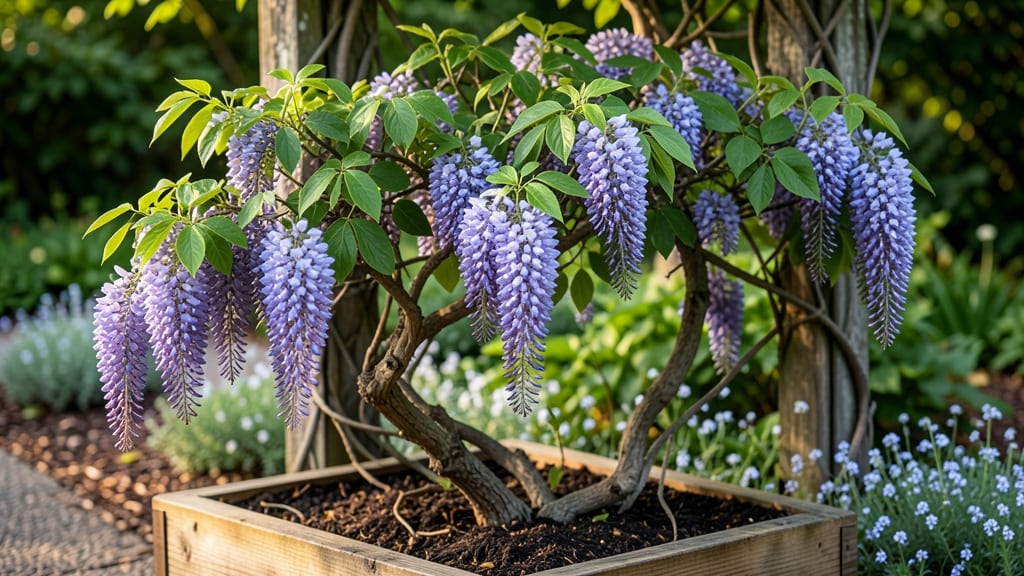
The Longwood Gardens wisteria transforms any landscape into a dreamy lavender-blue masterpiece. 🌸 I still remember the first time I walked beneath their cascading blooms—it felt like stepping into a storybook.
These iconic vines aren’t just plants; they’re the backbone of architectural gardens, turning trellises and pergolas into living works of art. Longwood’s approach blends seasonal timing with dramatic design. Their pruning techniques keep vines vigorous while shaping them into grand arches and sweeping curtains. The key?
Strategic cuts in late winter and summer, paired with sturdy support structures that let the vines climb naturally. The result? A fragrant, 15-foot-tall floral wall that steals the show from spring through early summer. What makes Longwood’s wisteria so special is how it layers with other plants.
The lavender-blue blooms contrast beautifully with silver foliage, deep greens, and even roses beneath them. You’ll see them framing patios, climbing over gazebos, or spilling down slopes—always with that signature Longwood flair for grandeur.
For gardeners inspired by their look, start small: a single trellis or arbor can create the same romantic impact. The secret isn’t just the plant—it’s the intentional placement that turns wisteria into the star of the show.
📚 In This Guide
- What you need
- Instructions
- Tips and common mistakes
- Wrapping up and next steps
What you need
- ● Wisteria plants: Choose between: Japanese wisteria (Wisteria floribunda) – Fragrant, lavender-blue blooms (e.g., ‘Amethyst Falls’ or ‘Prolific’).
- ● Chinese wisteria (Wisteria sinensis) – Faster-growing, deep purple flowers (e.g., ‘Blue Moon’).
- ● Support structure: A 10–12-foot tall arbor, trellis, or sturdy pergola (wisteria vines can reach 30+ feet!).
- ● Well-draining soil: Mix 1 part compost with 2 parts native soil (pH 6.0–7.0).
- ● Mulch: 2–3 inches of wood chips or pine straw to retain moisture and suppress weeds.
- ● Hand trowel or transplant spade (for digging).
- ● Pruning shears (sharp, bypass-style for clean cuts).
- ● Garden gloves (wisteria thorns are sharp!).
- ● Watering can or hose with soaker hose attachment (deep watering is key!).
- ○ Optional but helpful: Soil test kit (to check pH/nutrient levels).
- ● Epsom salt (for magnesium-rich soil, 1 tbsp per plant annually).
- ● Drip irrigation system (for large plantings).
- ● Sunlight: Full sun (6+ hours/day)—wisteria thrives in bright, open spaces.
- ● Patience: Wisteria grows slowly (5–10 years for full blooms!).
- ● Space: Minimum 15–20 feet of horizontal clearance for mature vines.
- ● Climate: Hardy in USDA Zones 5–9 (protect young plants in colder zones).
How to cultivate Longwood Gardens-inspired wisteria vines
Here's my battle-tested method for growing wisteria with the same dramatic impact as Longwood Gardens' legendary lavender-blue displays.
🌱 Step 1: Select the Right Variety and Planting Site
Choose a cold-hardy variety like 'Amethyst Falls' or 'Prolific'—both thrive in USDA zones 5-9 and produce the signature Longwood Gardens lavender-blue blooms. Plant in full sun with at least 6-8 hours of direct light daily; partial shade yields fewer flowers. The ideal site has a sturdy arbor, pergola, or trellis within 15 feet of a south-facing wall to maximize winter protection.
Wisteria roots spread aggressively, so avoid planting near foundations or sidewalks. I dig a hole twice as wide as the root ball but only as deep as the container—planting too deep suffocates roots. Amend heavy clay soil with 3 inches of compost mixed into the native soil to improve drainage and aeration.
🪴 Step 2: Plant and Stake for Structural Support
Position the plant so the top of the root ball sits 1-2 inches below soil grade—this prevents root exposure during drought. Spread roots gently without bending them, then backfill with native soil mixed with compost. Water deeply to settle the soil and eliminate air pockets. I always install a 3-foot tall support stake tied to the trellis with soft twine to guide young vines upward.
Mulch with 3 inches of wood chips extending 2 feet beyond the root zone to conserve moisture and regulate soil temperature. Keep mulch 6 inches away from the trunk to prevent rot. The first year focuses on root establishment—expect minimal vine growth as energy goes underground.
☀️ Step 3: Prune Strategically for Flowering and Structure
Prune wisteria immediately after flowering (late spring) to shape the plant and encourage next year's blooms. Remove 1/3 of the oldest wood each year to maintain vigor—this prevents the plant from becoming overgrown and woody. Cut back leggy growth to 2-3 buds from the main stem to promote bushier growth.
Here's the critical part: never prune in fall or winter. Dormant-season cuts trigger vigorous spring growth that steals energy from flower production. I also avoid "thinning out" too aggressively—wisteria flowers on old wood, so preserve last year's growth. Use clean, sharp loppers and seal larger cuts with pruning paint to prevent disease entry.
💧 Step 4: Water and Fertilize for Optimal Growth
Water newly planted wisteria 2-3 times weekly for the first month, then taper to 1 inch weekly once established. Deep watering encourages deep root growth—always water at the base, never overhead. I install a drip irrigation line at the plant's drip line to automate watering and prevent fungal diseases.
Fertilize in early spring with 10-10-10 granular fertilizer applied 6 inches from the trunk. Avoid high-nitrogen fertilizers—they promote leafy growth at the expense of flowers. I also top-dress with 1 cup of bone meal in early spring to boost phosphorus for blooming. Reduce fertilization after 5 years as mature plants need less input.
⏰ Step 5: Winter Care for Long-Term Success
Protect young plants (3 years old) with 4-6 inches of mulch and wrap the trunk with burlap to prevent sunscald. Mature wisteria handles winter well, but I still prune away dead wood in late winter to improve air circulation. Avoid winter pruning of green wood—it invites disease and attracts pests.
The key to Longwood Gardens-level displays is patience. Wisteria typically takes 3-5 years to flower heavily, but the payoff is worth it. Once established, these vines produce 12-18 inch long racemes of fragrant blossoms that perfume entire gardens. I recommend planting 3-4 vines near each other to create a dramatic cascading effect, just like Longwood Gardens' signature installations.
Tips & tricks for cultivating Longwood Gardens-inspired wisteria
These battle-tested strategies will help you replicate the legendary lavender-blue displays of Longwood Gardens in your own garden.
Variety Selection Matters: While 'Amethyst Falls' and 'Prolific' are my top recommendations for their cold hardiness and dramatic blooms, consider 'Blue Moon' if you want even more intense lavender-blue flowers. All three varieties thrive in USDA zones 5-9, but 'Blue Moon' produces slightly longer racemes (up to 24 inches) when given optimal care. I've found that planting all three together creates a stunning color gradient that mimics Longwood Gardens' most impressive displays.
Root Zone Preparation: The 3-inch compost amendment in Step 1 is non-negotiable for heavy clay soils, but for sandy soils, I recommend adding 1 part peat moss to the native soil mix. This improves moisture retention without compacting the roots. When planting, resist the urge to add extra compost to the planting hole—it creates a "compost pocket" that can suffocate roots. Instead, mix it thoroughly into the surrounding soil as specified.
Pruning Precision: In Step 3, when cutting back to 2-3 buds from the main stem, count the buds from the point where the branch attaches to the main vine. The first bud is the closest to the vine, and you want to keep these for next year's growth. I use a permanent marker on my loppers to indicate the exact cutting point—this prevents over-pruning and ensures consistent results year after year.
Winter Protection Strategy: For young plants (3 years old), I've found that wrapping the trunk with burlap works, but adding a 1-inch layer of straw around the base provides extra insulation against temperature fluctuations. In extremely cold climates (zone 4 or lower), consider using a plant blanket over the entire plant during the harshest winter months. This mimics the microclimate protection provided by Longwood Gardens' south-facing walls.
Pro Tips for Longwood Gardens Wisteria
- These battle-tested strategies will help you replicate the legendary lavender-blue displays of Longwood Gardens in your own garden.
- Variety Selection Matters: While 'Amethyst Falls' and 'Prolific' are my top recommendations for their cold hardiness and dramatic blooms, consider 'Blue Moon' if you want even more intense lavender-blue flowers.
- Root Zone Preparation: The 3-inch compost amendment in Step 1 is non-negotiable for heavy clay soils, but for sandy soils, I recommend adding 1 part peat moss to the native soil mix.
Frequently asked questions
Got questions about Longwood Gardens’ stunning wisteria? Here are some of the most common inquiries—and their answers—to help you plan your visit or even grow your own fragrant vines at home!
When is the best time to visit Longwood Gardens to see the wisteria in full bloom?
The wisteria at Longwood Gardens typically blooms in late April through early May, though timing can vary slightly by year. For the most dramatic displays, aim for late April—just as the vines burst into vibrant lavender-blue cascades. Check the Longwood Gardens calendar for exact bloom dates, as they may host special events or extended viewing periods.
Can I purchase wisteria plants or cuttings from Longwood Gardens?
Longwood Gardens offers wisteria plants and cuttings for sale through their online shop and during select events. They also provide expert guidance on planting and care—ideal for gardeners eager to cultivate their own fragrant vines. Pro tip: Wisteria thrives in well-draining soil and needs strong support (like trellises) to climb!
How long does it take for wisteria to bloom after planting?
Wisteria is famously patient—most varieties take 3 to 5 years to produce their first flowers after planting. Patience pays off, though! Pruning in late winter (while dormant) encourages healthier growth and earlier blooms. At Longwood Gardens, some wisteria vines are over 100 years old, so their dramatic displays are a testament to long-term care.
What should I do if my wisteria isn’t blooming?
If your wisteria is healthy but not flowering, it might need more sunlight (6+ hours daily), balanced fertilization (high in phosphorus), or strategic pruning. Avoid over-trimming—wisteria blooms on old wood, so prune lightly after flowering. At Longwood Gardens, their wisteria thrives in USDA Zone 6-9, so climate plays a key role too!
Are there alternatives to wisteria for fragrant climbers?
If wisteria’s slow growth or toxicity (to humans/pets) concerns you, consider these fragrant alternatives:
- Clematis: Fast-growing, colorful, and less invasive.
- Honeysuckle: Sweet-scented and attracts pollinators.
- Jasmine: Night-blooming and perfect for trellises.
- Passionflower: Unique flowers and edible fruit.
Wrapping up and next steps
Longwood Gardens’ wisteria isn’t just a sight—it’s a symphony of color and scent that transforms any garden into a breathtaking masterpiece. Whether you’re dreaming of cascading lavender-blue blooms or planning your next visit, these fragrant vines offer timeless drama and inspiration.
Ready to bring this magic to life? Start by sketching your garden layout or booking a trip to see Longwood’s iconic displays in person—your garden (or your next adventure) will thank you!