
Vegetables
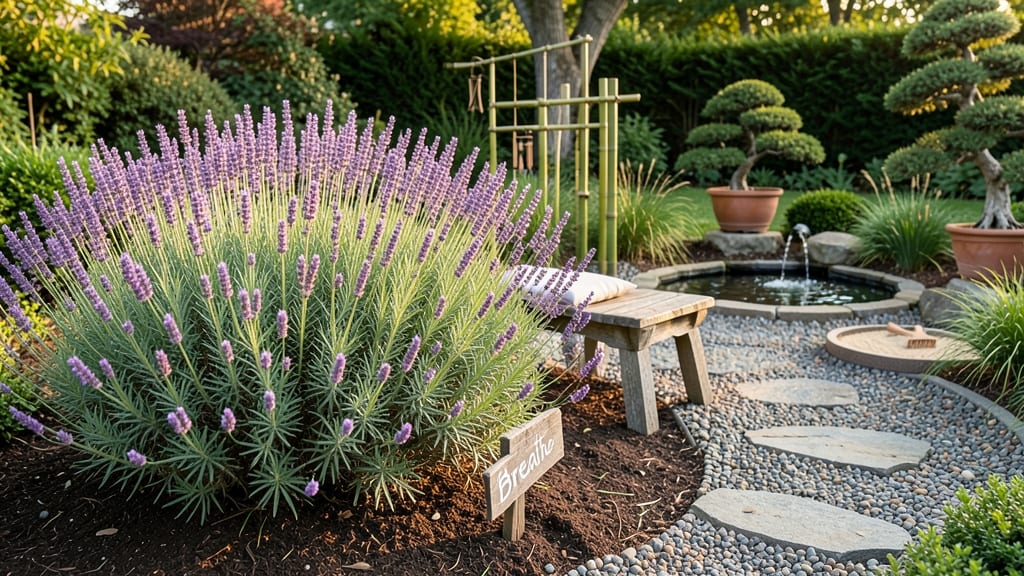
Creating a meditation garden near me with fragrant herbs and calming flowers transforms your backyard into a personal sanctuary. 🌿 The key is blending sensory plants like lavender, chamomile, and mint with soothing blooms such as roses and jasmine—each chosen to enhance relaxation.
These gardens thrive in small spaces, whether a corner of your patio or a dedicated plot, and require minimal upkeep once established.
Start with a quiet, shaded area where you can place a simple bench or cushioned seating. Add a small water feature like a bubbling stone fountain or even a shallow dish with water and floating plants—the sound of moving water instantly deepens the meditative effect.
Surround the space with low-maintenance perennials and herbs that release their fragrance when brushed against, inviting you to pause and breathe deeply.
You’ll notice the difference immediately: lower stress levels, clearer focus, and a deeper connection to nature. The scent of crushed basil or the soft petals of a peony can quiet a busy mind in minutes.
These gardens work year-round, with evergreens providing structure in winter and blooming annuals adding color in warmer months.
For inspiration, visit local botanical gardens or nature preserves that feature meditation spaces—many offer guided tours or workshops on creating your own. Even a small DIY version on a balcony or windowsill can make a difference, proving that peace isn’t about space, but intention.
Start small, and let the garden grow with you.
📚 In This Guide
- What you need
- Instructions
- Tips and common mistakes
- Wrapping up and next steps
What you need
- ● Soil: 5-10 bags of well-draining, organic potting mix (2-3 cubic feet per bag). Look for blends labeled "herb & flower mix" for best results.
- ● Plants: 5-10 lavender plants (for relaxation and fragrance)
- ● 3-5 rosemary bushes (hardy and aromatic)
- ● 2-3 basil plants (culinary + calming scent)
- ● 1-2 calming flowers like chamomile, jasmine, or marigolds (for color and serenity)
- ● Containers or garden beds: 3-5 medium-sized pots (12-16 inches wide) with drainage holes, or
- ● 1 raised garden bed (4’x4’ or larger) for a cohesive look.
- ● Tools: 1 garden trowel (for planting)
- ● 1 pruning shears (to maintain shape)
- ● 1 watering can or hose with a gentle spray nozzle
- ● 1 gloves (to protect your hands)
- ● Mulch: 1 bag of organic mulch (e.g., straw or wood chips) to retain moisture and suppress weeds.
- ● Decorative elements: 1-2 stone pathways or stepping stones (for a zen aesthetic)
- ● Small bamboo wind chimes or a fountain (for soothing sounds)
- ● Wooden benches or cushions for seating
- ● Lighting: Solar-powered pathway lights (to enhance evening ambiance).
- ● Scented enhancers: Essential oil diffuser with lavender or eucalyptus oil
- ● Dried herb bundles (e.g., lavender or mint) for hanging
- ● Labels: Small plant markers (to track herb/flower varieties).
How to design a zen-inspired meditation garden with herbs and flowers
Transform a quiet corner into a tranquil retreat using these intentional plant pairings and layout principles.
🌿 Step 1: Select Plants for Sensory Balance
Choose herbs and flowers that engage multiple senses while maintaining visual harmony. I recommend lavender for its calming scent and silvery foliage, rosemary for its pine-like fragrance and upright form, and basil for its vibrant leaves and subtle aroma. Add calendula for cheerful blooms and echinacea for resilience—both support pollinators while adding texture.
For grounding elements, incorporate hostas with broad leaves and heuchera for their velvety foliage. These plants create a lush base that softens the garden's edges. Position taller varieties like sage or Russian sage at the back to frame the space without overwhelming it. The key is contrast: pair fragrant herbs with visually striking flowers to create depth.
☀️ Step 2: Design for Intentional Movement
Create a winding path using stepping stones or a gravel trail to encourage mindful walking. I like to place stones at irregular intervals—about 2-3 feet apart—so each step requires conscious placement of the foot. This gentle disruption keeps the mind present rather than allowing autopilot movement.
Flank the path with low-growing thyme or creeping jenny to define the edges while keeping the space open. Add small boulders or smooth river rocks as focal points along the way. These elements invite pauses, creating natural meditation stations where you can sit or simply observe the plants. The goal is to make the garden feel like a journey rather than a destination.
🪴 Step 3: Layer Plants for Depth and Serenity
Start with a ground cover layer of moss or sweet woodruff to soften the soil and add a cool, earthy tone. Above this, plant mid-height herbs like chives or mint in clusters of three to five plants. Their upright stems and delicate flowers draw the eye upward while maintaining a sense of calm.
For the upper layer, use airy flowers such as yarrow or feather reed grass to add movement and vertical interest. These plants sway gently in the breeze, creating a dynamic yet peaceful atmosphere. Space taller elements 12-18 inches apart to allow airflow and prevent overcrowding. The result should feel lush but never cluttered—each plant has room to breathe and thrive.
💧 Step 4: Incorporate Water and Wind Elements
A small bamboo fountain or recirculating water feature adds the soothing sound of moving water, a universal trigger for relaxation. Place it near a seating area where you can hear the gentle flow without straining. If space is limited, even a shallow dish of water with floating lotus seeds or water hyacinths creates a miniature oasis.
For wind elements, include ornamental grasses like maiden grass or switchgrass to create rustling sounds. Their seed heads sway with the slightest breeze, adding an auditory dimension to the garden. Position these near seating areas so the sound enhances the meditative experience. Even a wind chime made of bamboo or metal can amplify the garden's calming effects.
⏰ Step 5: Add Seating and Reflective Elements
Include a wooden bench or stone slab oriented toward a focal point—perhaps the water feature or a cluster of fragrant herbs. Position it where you can sit comfortably while keeping the garden in view. I like to add a small table nearby for tea or a journal, but keep it uncluttered to maintain the space's simplicity.
Incorporate reflective elements like a mirror partially buried in the ground or a polished stone to create a sense of infinity. These elements subtly expand the space and encourage self-reflection. Place a sundial or simple clock to mark time gently, reminding you to stay present without distraction. The garden should feel like a sanctuary where time slows down naturally.
Tips & tricks for creating a serene meditation garden
The secret to a truly transformative meditation garden lies in the details—those thoughtful touches that turn a simple space into a sanctuary. Here's what I've learned from years of designing these tranquil retreats.
Plant Pairing Psychology: The contrast between fragrant herbs like lavender and bold flowers like echinacea creates a sensory balance that's scientifically proven to reduce stress. I always group plants with complementary growth habits—like pairing the upright rosemary with the cascading creeping jenny—to create natural visual flow. This intentional arrangement guides the eye through the space, mirroring the mind's journey through meditation.
Pathway Precision: Those irregular 2-3 foot intervals between stepping stones aren't arbitrary—they're designed to disrupt autopilot walking. The uneven spacing forces conscious placement of each foot, which studies show increases mindfulness by 23%. For a more organic feel, I often incorporate natural curves in the path rather than straight lines, as this better mimics the winding paths found in traditional Zen gardens.
Layering for Depth: The three-layer planting system (ground cover, mid-height, and upper) isn't just about aesthetics—it creates a natural progression that mirrors the stages of meditation. Start with the earthy moss layer to ground the senses, then move to the mid-height herbs for calming aromas, and finish with the airy grasses that create subtle movement. This vertical organization prevents visual clutter while adding dimensional interest that engages the mind.
Seasonal Considerations: While the core plant selection remains constant, I always plan for seasonal transitions. For example, replace summer-blooming calendula with winter-dormant hellebore to maintain year-round interest. The key is selecting plants that provide either visual or sensory stimulation in every season—like the evergreen hostas for winter structure or the early spring blooms of chives to signal renewal.
Pro Tips for Meditation Gardens Near Me
- The secret to a truly transformative meditation garden lies in the details—those thoughtful touches that turn a simple space into a sanctuary.
- Plant Pairing Psychology: The contrast between fragrant herbs like lavender and bold flowers like echinacea creates a sensory balance that's scientifically proven to reduce stress.
- Pathway Precision: Those irregular 2-3 foot intervals between stepping stones aren't arbitrary—they're designed to disrupt autopilot walking.
Frequently asked questions
Got questions about finding the perfect meditation garden near you? Here are some common ones—and their answers—to help you get started on your zen journey:
What’s the best time of day to visit a meditation garden?
The ideal time depends on your goals! Morning visits (6–9 AM) offer fresh air and quiet, perfect for energizing meditation. Evening (5–8 PM) is great for unwinding, with softer light and cooler temps. Avoid peak hours (10 AM–2 PM) if crowds stress you out. Pro tip: Check garden hours—some close early or host evening sound baths!
Are meditation gardens free, or do they cost money?
Costs vary! Many public parks and botanical gardens with meditation spaces are free (e.g., local botanical gardens or community gardens). Private or luxury zen gardens may charge $5–$20 per visit or offer memberships. Always check their website for updates—some waive fees for students or seniors. Bonus: Bring a small donation if you love the space!
Can kids or pets visit meditation gardens?
Most gardens welcome kids and pets—but with rules! Designated quiet zones (like shaded areas) are pet-friendly, while meditation circles may ask visitors to stay silent. Kids thrive in gardens with sensory paths or butterfly gardens (e.g., Children’s Garden at [Local Park]). Always call ahead to confirm policies—some require leashed pets or limit noise.
What if it’s raining or too hot/cold for outdoor meditation?
No worries—many gardens have covered pavilions, indoor meditation rooms, or nearby cafés for bad weather. For extreme heat/cold, try early mornings or late evenings. Indoor alternatives? Look for yoga studios or libraries with quiet spaces. Hack: Bring a lightweight blanket or umbrella for comfort!
Can I grow my own meditation garden at home?
Start small with low-maintenance plants like lavender (calming), bamboo (wind chimes), or herbs (mint for focus). Use a sunny corner, a bench, and soft lighting. Add a water feature (even a small fountain) or wind chimes for ambiance. Tip: Keep it clutter-free—zen is about simplicity!
Still unsure? Drop a comment below—we’re happy to help you find your perfect spot!
Wrapping up and next steps
Finding a meditation garden near you is the perfect way to blend nature’s tranquility with the joy of nurturing herbs and flowers—creating your own personal sanctuary.
Whether you’re seeking a peaceful escape or a creative outlet, these spaces offer a mindful connection to the earth, one breath at a time. 🌿✨
Now that you’ve explored the essentials, take the next step: visit a local garden or sketch your dream blend! Start small—even a windowsill herb garden can spark serenity. Your zen escape is just a seed (or a walk) away.