
Vegetables
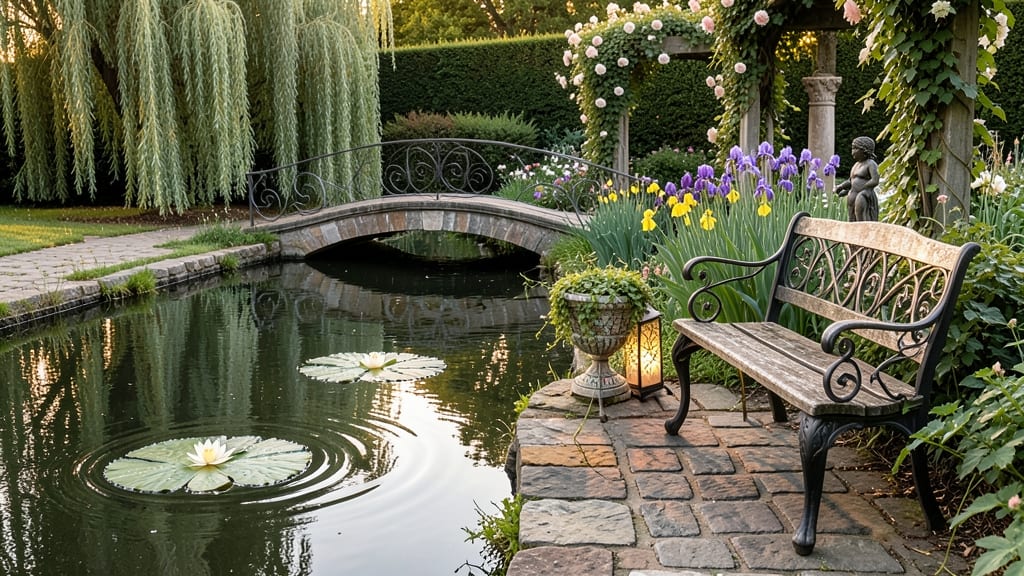
Claude Monet’s gardens in France taught me how to turn a simple herb border into a fragrant masterpiece. 💚 The interplay of lavender’s purple haze and rosemary’s silvery-green spikes mirrors his famous water lily ponds—just with herbs that smell as good as they look.
This isn’t just gardening; it’s creating a living impressionist painting where every step you take releases a scent.
The secret lies in layering textures and colors like Monet layered brushstrokes. Start with a 12-inch-wide border of upright rosemary as your "canvas," then weave in lavender for vertical drama. Add low-growing thyme or oregano as "foreground" to frame the scene.
The result? A border that feels like a walk through Provence, where the air hums with fragrance and the eye follows natural curves.
By midsummer, your garden will buzz with bees and flutter with butterflies—just like Monet’s—while filling your home with dried bundles of rosemary and lavender. The best part? This design works in any space, from a small balcony to a sprawling backyard.
Imagine sipping wine by a "water lily pond" made of irises and catmint, with your herb border framing the view.
Here’s the twist: you don’t need a pond or a French chateau. A simple raised bed or even large containers can create the same effect. The key is color harmony—purples, blues, and soft greens—and letting the herbs grow wild enough to mimic Monet’s loose, natural style.
Ready to paint with plants?
📚 In This Guide
- What you need
- Instructions
- Tips and common mistakes
- Wrapping up and next steps
What you need
- ● Herb Plants: 10–15 Lavender plants (Lavandula angustifolia or Lavandula x intermedia)
- ● 8–10 Rosemary plants (Rosmarinus officinalis, upright varieties like 'Arp' or 'Hill Hardy')
- ○ Optional: 5–6 Thyme plants (Thymus vulgaris) for texture
- ● Soil: 50 lbs. Well-draining potting mix (or garden soil amended with 20% perlite/sand)
- ● 10 lbs. Compost for nutrients
- ● Mulch: 10–15 lbs. Gravel or coarse sand (to mimic Monet’s signature dry, Mediterranean look)
- ○ 5 lbs. Wood chips or straw (optional, for moisture retention)
- ● Garden Tools: 1 Garden trowel
- ● 1 Pruning shears (for shaping)
- ● 1 Garden fork (for aerating soil)
- ● 1 Wheelbarrow or bucket (for mixing soil)
- ● Safety & Extras: 1 pair Garden gloves
- ● 1 Watering can or hose with nozzle (for gentle watering)
- ● Sunlight: Full sun (6+ hours/day) or partial shade in hot climates
- ● Location: Wind-protected spot (herbs hate strong gusts!)
- ● 🌡️ Plant in spring or early fall when temps are mild (60–75°F).
- ● ✨ Group odd-numbered plants (e.g., 3 lavender, 5 rosemary) for a natural, painterly look.
- ● 🎯 Skip synthetic fertilizers—herbs thrive on lean soil! Use a light fish emulsion if needed.
Step-by-step instructions for creating a Monet-inspired herb garden
Let’s bring the charm of Monet’s gardens to your space with fragrant lavender and rosemary borders.
🌱 Step 1: Design Your Herb Garden Layout
Sketch a simple rectangular or square border, about 4 feet wide and 6 feet long, to mimic Monet’s structured yet lush herb gardens. Use a pencil and graph paper to map out sections for lavender and rosemary, leaving 18-inch spacing between plants for airflow and growth. I like to place lavender along the outer edges—it’s drought-tolerant and adds a soft purple hue, while rosemary thrives in the center with its upright, fragrant stems.
Real talk: If your space is smaller, shrink the layout proportionally but keep the 4:6 ratio for visual balance. You’ll notice how the taller rosemary creates a natural backdrop for the shorter lavender, just like in Monet’s paintings. Mark the spots with small stakes or chalk to avoid confusion when planting.
🪴 Step 2: Prepare the Soil and Plant Lavender First
Loosen the top 6 inches of soil in your marked border with a garden fork, breaking up any compacted areas. Lavender hates soggy roots, so mix in 2 inches of coarse sand or perlite into the soil to improve drainage. This step is critical—lavender wilts quickly in heavy, clay-like soil. Sprinkle a handful of slow-release fertilizer (like 10-10-10) over the area and gently rake it in.
Dig small holes—about twice the width of the lavender roots—and space them 12 inches apart. Gently remove each lavender plant from its nursery pot, tease the roots apart if they’re crowded, and place it in the hole so the top of the root ball sits just below soil level. Press the soil firmly around the roots to eliminate air pockets. Water lightly but don’t soak—lavender roots need to dry out between waterings.
☀️ Step 3: Plant Rosemary and Add Mulch
Rosemary loves well-draining soil too, so repeat the soil prep process for its section, mixing in another 1 inch of perlite for extra airflow. Dig holes 18 inches apart—rosemary grows bushier and needs more space to spread. Remove rosemary plants from their pots and place them in the holes, ensuring the root ball sits flush with the soil surface. Fill in around the roots with soil and tamp gently.
Once all plants are in, spread a 2-inch layer of gravel or small pebbles around the base of each plant. This mimics Monet’s use of stone pathways and borders while keeping soil moisture low. Avoid mulching with organic materials like wood chips—rosemary and lavender dislike competition from decomposing matter. Water everything deeply but let the soil dry completely before watering again.
💧 Step 4: Maintain with Minimal Water and Pruning
Water your herb garden once a week in the first month, then taper to every 10-14 days once established. Both lavender and rosemary thrive on neglect—overwatering is their biggest enemy. You’ll know it’s time to water when the top 2 inches of soil feel dry to the touch. Avoid wetting the foliage, especially in the morning, to prevent fungal diseases.
Prune lavender lightly after it flowers in late spring or early summer. Cut back one-third of the woody stems to encourage bushier growth. For rosemary, trim back any leggy stems in early spring to maintain a compact shape. I like to use clean, sharp shears and make cuts just above a set of leaves. This keeps the garden looking neat and encourages more fragrant foliage—just like Monet’s meticulously maintained borders.
⏰ Step 5: Enjoy and Expand Your Garden
In about 6-8 weeks, your lavender and rosemary will fill out beautifully, creating a fragrant, low-maintenance border that’s pure Monet-inspired charm. Run your hands over the leaves on a warm afternoon—lavender’s calming scent and rosemary’s piney aroma will transport you straight to Giverny.
To keep the magic going, add a few more herbs like thyme or oregano along the edges next year. These plants love the same growing conditions and will blend seamlessly into your design. Snap fresh sprigs for cooking or dry bundles to preserve the fragrance. Your garden will keep giving back, just like Monet’s did for generations.
Tips & tricks for perfect Monet-inspired herb borders
Here's how to bring Monet's garden magic to life with foolproof techniques that'll make your herb borders thrive like the ones in Giverny.
Design Like a Pro: When sketching your 4-foot by 6-foot layout, use a ruler to maintain those straight Monet-esque lines. I draw my design on a clear plastic sheet first—it lets me visualize the lavender's soft purple edges framing the rosemary's vertical lines before transferring to the garden. This precision makes all the difference in achieving that painterly effect.
Soil Secrets for Thriving Herbs: For lavender's drainage needs, I mix in horticultural sand instead of regular sand—it's coarser and won't compact over time. In Step 2, when you're loosening that top 6 inches of soil, add a handful of perlite to the entire border area, not just around plants. This creates uniform drainage throughout, preventing any soggy spots that could stress your lavender.
Planting Precision: The 12-inch spacing for lavender might seem tight, but it's perfect for creating that lush, dense look Monet loved. When planting, use a small wooden dowel to mark each hole's depth—this ensures all lavender root balls sit at exactly the same level. For rosemary, I plant them slightly deeper than the pot level (about 1 inch deeper) to encourage stronger root establishment in the 18-inch spacing.
Mulch Magic: That 2-inch gravel layer isn't just decorative—it's functional. I use small river rocks rather than pebbles because they stay in place better and provide better insulation against temperature swings. Plus, they reflect sunlight away from the plants, keeping roots cooler in summer. Just make sure to leave a 2-inch gap between the gravel and plant stems to prevent rot.
Pro Tips for Monet Gardens France
- Here's how to bring Monet's garden magic to life with foolproof techniques that'll make your herb borders thrive like...
- Design Like a Pro: When sketching your 4-foot by 6-foot layout, use a ruler to maintain those straight Monet-esque li...
- Soil Secrets for Thriving Herbs: For lavender's drainage needs, I mix in horticultural sand instead of regular sand—i...
Frequently asked questions
Got questions about creating your own Monet Gardens-inspired herb garden in France? Here are some of the most common ones—plus answers to help you plan your fragrant, picturesque space with ease!
What’s the best time of year to plant lavender and rosemary in France?
For a Monet-inspired garden, plant lavender and rosemary in early spring (March–April) or early fall (September–October). France’s mild climate means these herbs thrive in well-drained soil with full sun—just avoid frost-prone months. Pro tip: If planting in containers, start indoors 6–8 weeks before the last frost for a head start!
How often should I water my Monet-style herb garden?
Lavender and rosemary are drought-tolerant, so water them deeply but infrequently—about once a week during dry spells (or less in rainy France!). Overwatering causes root rot, so let the soil dry between waterings. Pro tip: Mulch with gravel (like Monet’s borders) to retain moisture and mimic his iconic style.
Can I mix other herbs with lavender and rosemary for a Monet effect?
Pair them with thyme, oregano, or sage for a fragrant, low-maintenance border. Avoid heavy feeders like basil—they’ll compete with your drought-loving herbs. For a pop of color, add purple salvia or silver foliage plants (like lamb’s ear) to echo Monet’s vibrant yet harmonious palette.
What’s the easiest way to troubleshoot dying lavender plants?
Yellowing leaves? Check for overwatering or poor drainage—lavender hates soggy roots. Brown tips? It’s likely underwatering or salt buildup (use rainwater if possible). If stems look woody, prune back by 1/3 in early spring. Pro tip: If all else fails, propagate from cuttings—lavender roots easily in well-draining soil!
Are there alternatives to lavender if I’m not in France?
Yes! Try Russian sage, butterfly bush, or catmint for a similar purple hue and drought tolerance. For a Mediterranean vibe, swap rosemary with Spanish lavender or santolina. Even purple coneflowers add height and color—just ensure they share your garden’s sunny, dry conditions.
Wrapping up and next steps
Creating your own Monet Gardens-inspired herb garden in France—or anywhere else—is a rewarding way to blend art, nature, and culinary joy. 🌿 With fragrant lavender and rosemary borders, you’ve crafted a space that’s as beautiful as it is functional, evoking the charm of Monet’s iconic landscapes.
Now, take that first step: plant a seed, tend with care, and watch your garden grow into a masterpiece!
Ready to dive deeper? Explore local nurseries for rare herbs, sketch your garden’s layout, or even visit Monet’s Giverny to draw inspiration firsthand. The possibilities are endless—your garden awaits! 🌸