
Vegetables
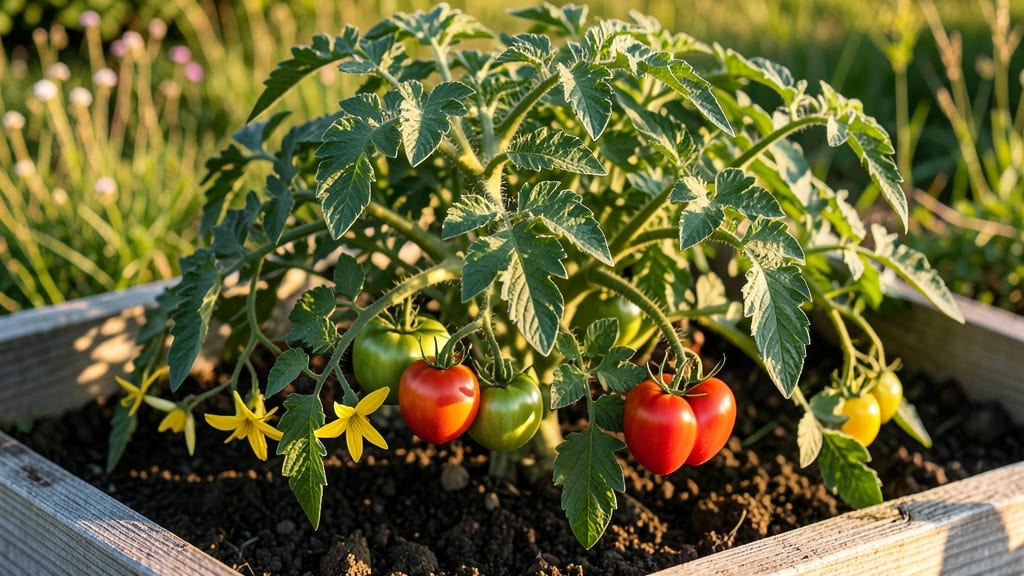
Growing Mountain Man tomatoes changed how I garden in cool climates. 🌱 These cold-resistant beauties thrive where other varieties wilt, producing sweet, striped fruits even when temperatures dip. I planted mine last spring and haven't stopped harvesting since—year-round potential with the right care.
The secret starts with soil: Mountain Man tomatoes love well-draining, slightly acidic mixes with plenty of organic matter. Plant in full sun (6+ hours daily) and space them 24-36 inches apart—they grow bushy but stay compact.
Water deeply at the base, avoiding wet foliage to prevent disease, and mulch heavily to protect roots from temperature swings.
What you’ll get is bold flavor with a hint of smoky sweetness, even from early-season fruits. The striped skin isn’t just pretty—it signals ripeness, and the plants resist cracking better than heirlooms.
Prune suckers early to focus energy on fruit production, and watch as vines produce tomatoes from June until frost.
Works in containers too—just use 5-gallon pots for smaller plants. For cold snaps, cover with row fabric or a mini greenhouse. The only downside? Birds adore them, so netting is a must. Trust me, the harvest makes it worth it.
📚 In This Guide
- What you need
- Instructions
- Tips and common mistakes
- Wrapping up and next steps
What you need
- ● Seeds or Seedlings: Mountain Man tomato seeds (cold-resistant, striped variety) – 1 packet (50-100 seeds)
- ● OR 3-5 healthy Mountain Man tomato seedlings (if starting with transplants)
- ● Containers or Garden Space: 5-gallon grow bags (3-5 bags) OR
- ● Large pots (at least 12" deep and wide) (3-5 pots) OR
- ● In-ground garden bed (full sun, well-draining soil, 6+ hours of sunlight daily)
- ● Soil: High-quality potting mix (1 bag for containers, 2-3 bags for in-ground beds)
- ● Compost or aged manure (1-2 gallons per plant) (boosts nutrients!)
- ● Perlite or vermiculite (1 cup per container) (for drainage)
- ● Fertilizer: Balanced fertilizer (10-10-10 or 5-5-5) (1 lb per 10 sq ft)
- ○ Tomato-specific fertilizer (optional but helpful)
- ● Support Structures: Cattle panels, tomato cages, or stakes (1 per plant)
- ● Twine or soft plant ties (1 roll)
- ● Tools: Pruners or sharp scissors (for trimming)
- ● Garden trowel or transplant spade
- ● Watering can or hose with a gentle spray nozzle
- ○ pH testing kit (optional but recommended for soil health)
- ● Row covers or frost blankets (for early/late-season protection)
- ● Drip irrigation system (for consistent moisture)
- ● Mulch (straw or shredded leaves) (helps retain moisture and regulate soil temp)
- ● Epsom salt (1 tbsp per plant every 2-3 weeks for magnesium boost)
- ● Beneficial insects (ladybugs or lacewings) (for natural pest control)
Step-by-step guide to growing Mountain Man tomatoes
This cold-hardy striped heirloom thrives where most tomatoes fail—here’s how to coax its unique flavor and resilience.
🌱 Step 1: Start Seeds Indoors Early for Cold Climates
Mountain Man tomatoes need a 10-12 week head start indoors because they mature slower in cool weather. Fill 2-3 inch deep biodegradable pots with sterile seed-starting mix (never garden soil—it’s too dense) and plant 2 seeds per pot at a ¼ inch depth. I press the soil gently after planting to ensure good seed-to-soil contact, which prevents uneven germination.
Cover the pots with a clear plastic dome or wrap to retain warmth and moisture, then place them in a 75-85°F environment—either a seedling heat mat or on top of the fridge. You’ll see sprouts in 7-14 days, though cooler homes may take longer. Once the first true leaves appear (not the initial seed leaves), remove the cover immediately to prevent damping-off disease.
☀️ Step 2: Harden Off Gradually Before Transplanting
Mountain Man tomatoes are cold-resistant, but they still need 2-3 weeks of hardening off to adjust to outdoor conditions. Start by placing them outside in a sheltered spot for 1-2 hours on day one, then gradually increase exposure by 1 hour daily. Watch for wilting or leaf curling—if you see it, they’re not ready yet.
By day 10, they should tolerate 6-8 hours of sun without stress. I always transplant on an overcast afternoon to reduce shock, burying the stem up to the first true leaves. This encourages stronger root growth, which is crucial for their cold resilience. Space plants 24-36 inches apart—they’re indeterminate and will sprawl.
💧 Step 3: Provide Consistent Moisture and Cold Protection
Mountain Man tomatoes thrive in cool to moderate temperatures (50-85°F), but they’ll bolt if stressed by heat. Water deeply 1-2 times per week, ensuring the top 2 inches of soil stay consistently moist—not soggy, not dry. I use drip irrigation to avoid wetting the leaves, which prevents fungal diseases like early blight.
For early spring or late fall plantings, use floating row covers or low tunnels to protect from unexpected frosts. You’ll know they’re happy when the striped fruit starts forming—this variety develops its signature pattern under consistent moisture and cool nights. Prune suckers regularly to direct energy into fruit production rather than foliage.
✂️ Step 4: Harvest and Extend the Season
Mountain Man tomatoes ripen 70-80 days after transplanting, but in cooler climates, they may take longer. Harvest when the fruit is fully colored and slightly soft to the touch, even if not perfectly red. I pick them every 2-3 days to encourage more production—unlike heat-loving varieties, these don’t stop setting fruit in cooler weather.
To extend the harvest, prune back foliage after the first frost and move pots to a sunny garage or greenhouse. With proper care, you can keep them producing striped tomatoes well into fall. Store unripe fruit in a cool, dark place (like a paper bag) to finish ripening indoors—this variety’s flavor deepens over time.
Tips & tricks for perfect Mountain Man tomato cultivation
The secret to these cold-hardy striped beauties lies in patience and precision—here’s how to avoid common pitfalls and maximize your harvest.
Seed Starting Success: The 10-12 week indoor head start is non-negotiable for Mountain Man tomatoes. I’ve learned the hard way that rushing this step leads to weak seedlings that struggle in cooler climates. Use a seedling heat mat to maintain that 75-85°F range consistently—fluctuations can cause stunted growth. Once you see those first true leaves, remove the cover immediately to prevent damping-off disease. Trust me, this small step prevents weeks of frustration later.
Harden Off Strategically: The 2-3 week hardening off period is where most gardeners fail. Start with just 1-2 hours of outdoor exposure on day one, then increase by 1 hour daily. Watch for wilting or leaf curling—these are clear signs your plants aren’t ready. I’ve found that transplanting on an overcast afternoon reduces shock dramatically compared to bright sunny days. Burying the stem up to the first true leaves might seem counterintuitive, but it creates a stronger root system that’s crucial for cold resilience.
Moisture Management Matters: Mountain Man tomatoes demand consistent moisture in the top 2 inches of soil—never soggy, never dry. I’ve switched to drip irrigation after years of leaf diseases from overhead watering. For early spring or late fall plantings, floating row covers are your best friend—they protect against unexpected frosts while maintaining the 50-85°F temperature range these tomatoes thrive in. The striped pattern only develops with consistent moisture and cool nights, so don’t skip this step if you want that signature look.
Harvesting Like a Pro: These tomatoes ripen between 70-80 days after transplanting, but cooler climates may extend that window. Harvest when they’re fully colored and slightly soft to the touch—don’t wait for perfect redness. I pick every 2-3 days to encourage continuous production, unlike heat-loving varieties that peter out in cooler weather. For late-season harvests, prune back foliage after the first frost and move pots to a sunny garage or greenhouse. This simple trick can extend your harvest well into fall when most gardeners have given up.
Pro Tips for Mountain Man Tomato
- The secret to these cold-hardy striped beauties lies in patience and precision—here’s how to avoid common pitfalls and maximize your harvest.
- Seed Starting Success: The 10-12 week indoor head start is non-negotiable for Mountain Man tomatoes.
- Harden Off Strategically: The 2-3 week hardening off period is where most gardeners fail.
Frequently asked questions
How cold-hardy is the Mountain Man tomato?
The Mountain Man tomato is one of the toughest striped varieties, surviving light frosts down to 25°F (-4°C). Unlike traditional tomatoes, it thrives in cooler climates and even tolerates brief dips below freezing. Plant after your last frost date, but don’t wait too long—it still needs 60–80 days to mature. For extra protection, use row covers or mulch in early spring!
When is the best time to harvest Mountain Man tomatoes?
Harvest when tomatoes are fully colored and slightly soft to the touch, usually 70–80 days after transplanting. Check for a deep red stripe and firm (but yielding) flesh. Pro tip: Pick early in the morning when sugars are highest! If left on the vine too long, they’ll split—especially in rainy weather. Store at 55–60°F (13–15°C) for up to 2 weeks.
Can I grow Mountain Man tomatoes in containers?
These tomatoes thrive in 5-gallon containers or larger with proper drainage. Use a lightweight potting mix (avoid garden soil) and support the plant with a cage or trellis to prevent sprawling. Place containers in full sun (6+ hours/day) and water consistently—containers dry out faster. For extra cold resistance, move pots closer to a south-facing wall in winter zones.
Why are my Mountain Man tomatoes cracking?
Cracking is common in striped varieties due to uneven watering or rapid growth. To fix it:
- Water deeply 1–2 times per week (avoid daily shallow watering).
- Mulch heavily to regulate soil moisture.
- Prune suckers to reduce stress on the plant.
- Harvest early if cracks appear—ripe tomatoes are still edible!
What’s the best way to store Mountain Man tomatoes long-term?
These tomatoes don’t store as long as heirlooms, but you can extend freshness with these tricks:
- Room temp (55–60°F): Keep unwashed in a paper bag for 1–2 weeks.
- Freezing: Peel, slice, and blanch for 2 minutes before freezing in airtight bags.
- Preserving: Perfect for sauces, salsas, or sun-dried tomatoes—stripes stay vibrant!
Wrapping up and next steps
Growing Mountain Man tomatoes is your ticket to a bold, cold-hardy harvest that defies seasons! 🌱 These striped beauties thrive in tough conditions, rewarding you with juicy, flavorful fruit—whether you're a seasoned gardener or a curious beginner.
With the right prep, patience, and a dash of wilderness spirit, you’ll soon be enjoying homegrown tomatoes that taste like summer, even in cooler climates.
Ready to take the next step? Start small—plant a few seeds or seedlings this season, and let your confidence (and tomato plants!) grow. Before you know it, you’ll be sharing your bounty with neighbors or experimenting with sauces, salsas, and more. Happy growing! 🌿