
Vegetables
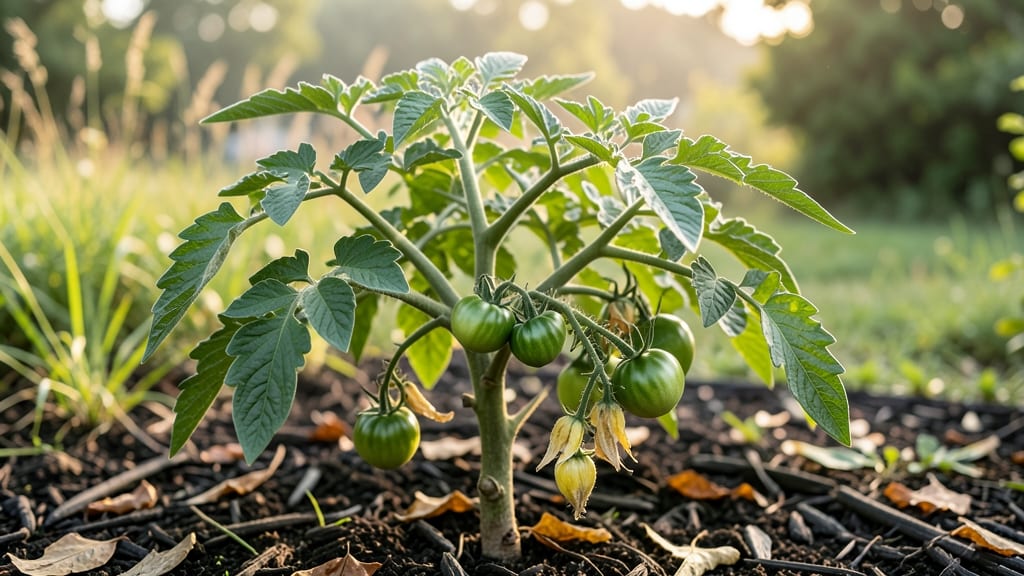
Growing Old German heirloom tomatoes in containers changed how I think about tomatoes—these cold-hardy perennials thrive where most varieties would freeze. 🌱 I first spotted them in a Bavarian garden, where they grew year after year without replanting, their deep red fruits surviving frosts that would kill standard tomatoes.
The secret? Their ancient roots and ability to adapt to cooler climates, making them perfect for gardeners in zones 3-8 who want reliable harvests without fuss.
You’ll need 5-gallon containers with drainage, a well-draining soil mix rich in compost, and a spot that gets 6-8 hours of sun daily—though they tolerate partial shade better than most tomatoes. These plants grow 3-5 feet tall, so trellising saves space and improves air circulation.
Start seeds indoors 8-10 weeks before your last frost, or buy sturdy transplants from specialty nurseries. The key? Patience. They take longer to establish but reward you with heirloom-quality tomatoes that taste sweeter and last longer than store-bought varieties.
Water deeply 2-3 times a week, keeping soil moist but never soggy—these tomatoes hate wet feet. Feed them every 4-6 weeks with a balanced organic fertilizer, and pinch off early blossoms to encourage stronger roots.
By midsummer, you’ll have vines heavy with 2-inch fruits that stay firm on the vine until you’re ready to harvest. The flavor? Rich, smoky, and complex—like a taste of history in every bite.
Save seeds by fermenting the pulp in a jar for 3-5 days, then rinse and dry them on paper towels. Store in a cool, dark place for next year’s garden.
These tomatoes also handle light frosts, so you can extend your harvest into fall—or even overwinter them in mild climates. Once you grow them, you’ll never go back to standard tomatoes again.
📚 In This Guide
- What you need
- Instructions
- Tips and common mistakes
- Wrapping up and next steps
What you need
- ● Seeds or seedlings: 1–3 old German heirloom tomato varieties (e.g., 'Black Krim,' 'Striped Roman,' or 'Brandywine'). Choose cold-hardy or hybrid types if growing in cooler climates.
- ● Containers: 5–10 gallon pots (or larger) with drainage holes—at least 12–18 inches deep for mature plants.
- ● Potting mix: High-quality, well-draining container mix (avoid garden soil—it compacts!). Aim for 1–2 cubic feet per container.
- ● Support system: Cages (5–6 feet tall) OR
- ● Trellis or stakes (6+ feet long) for indeterminate varieties.
- ● Fertilizer: Balanced 5-10-5 or 10-10-10 granular fertilizer (follow package rates).
- ● Organic option: Composted manure or worm castings (1 cup per container).
- ● Mulch: Straw or shredded leaves (2–3 inches thick) to retain moisture and regulate soil temp.
- ● Watering can or hose with gentle nozzle: Containers dry out fast—aim for 1–2 gallons per plant daily in hot weather.
- ● Pruning shears (for trimming suckers and dead leaves).
- ● pH test kit (ideal soil pH: 6.0–6.8).
- ● Hand trowel (for transplanting or adjusting soil).
- ● Row cover or frost cloth (for early/late-season protection in cold climates).
- ● Plant ties or soft twine (to secure vines to supports).
- ● Sunlight: 6–8+ hours of full sun daily (containers need more sun than ground plants!).
- ● Temperature: Start seeds indoors at 70–80°F; transplant after last frost when soil is at least 55°F.
- ● Space: Allow 18–24 inches between plants (or containers) for airflow.
- ● Patience: Heirloom tomatoes take 70–90 days to mature—plan ahead!
Step-by-step instructions for growing old German heirloom tomatoes in containers
Here's my tested method for thriving cold-hardy tomatoes that keep producing year after year.
🌱 Step 1: Select the Right Container and Soil Mix
Choose a 5-gallon container with drainage holes—these tomatoes need deep roots to survive winters in pots. I use unglazed terra cotta because it breathes better than plastic and handles temperature swings. Fill the bottom third with gravel or broken pottery shards to prevent compaction and improve drainage.
For the soil, blend 50% premium potting mix with 30% compost and 20% perlite. This creates a loose, well-draining medium that mimics their native rocky soil. Moisten the mix until it holds together when squeezed but doesn't form clods. The key is air pockets—these plants hate soggy roots.
☀️ Step 2: Plant at the Correct Depth and Orientation
Dig a hole twice as wide as the root ball but only half as deep as the container's height. This encourages roots to spread horizontally for stability. Place the plant so the top of the root ball sits 1 inch below the soil line—this prevents stem rot during winter rains.
Position the container where it gets full sun (6+ hours daily) but with afternoon shade in hot climates. German heirlooms tolerate cooler temps better than most varieties, so a north-facing window works in summer, but move them to a south-facing spot for winter sunlight. Watch for yellowing leaves—this signals either too much sun or insufficient water.
💧 Step 3: Water Deeply but Infrequently
Water only when the top 2 inches of soil feel dry—these tomatoes store moisture in their thick stems. I use the "finger test" method: stick your finger in the soil. If it feels dry at 2 inches, water deeply until it runs out the drainage holes. Overwatering is the #1 killer of container-grown tomatoes.
In winter, reduce watering to once every 10-14 days unless temperatures drop below 30°F. The plants enter dormancy naturally, so don't water just because the soil looks dry. You'll know it's time when new growth resumes in spring—that's your cue to ramp up care.
✂️ Step 4: Prune for Cold Hardiness and Disease Prevention
After the first harvest, prune back by 1/3 to encourage bushier growth. Remove any yellow or diseased leaves immediately—German heirlooms are prone to blight, and dead leaves trap moisture. I also trim suckers (the small shoots between stems) to direct energy into fruit production rather than foliage.
In late fall, cut back all vines to 6 inches above the soil. This mimics their natural dormancy cycle and prevents winter rot. Mulch with 2 inches of straw to insulate roots—this keeps soil temps stable and protects against freeze-thaw cycles. The mulch also suppresses weeds, which compete for nutrients.
⏰ Step 5: Overwinter and Prepare for Next Season
Move containers to a protected location (like a garage or cold frame) when temps drop below 25°F. Wrap the pot in burlap to shield roots from wind damage. Check soil moisture monthly—even dormant plants need a sip of water if the soil dries completely.
In early spring, fertilize with 5-10-10 at half strength. You'll see new leaves emerge within 2 weeks—that's your signal to resume regular care. German heirlooms are perennial, so they'll reward you with fruit for 5+ years if you follow this routine. The secret? Less water, more pruning, and winter protection.
Tips & tricks for thriving container-grown German heirloom tomatoes
These hardy tomatoes reward patience with years of harvests—here's how to maximize their potential without the guesswork.
Container Selection: Terra cotta isn't just my preference—it's a game-changer for these cold-hardy plants. The porous material regulates moisture better than plastic, which prevents the root rot that plagues container tomatoes. If you must use plastic, drill extra drainage holes and elevate the pot to improve airflow. The 5-gallon size is non-negotiable for winter survival, but you can stack two 3-gallon pots if space is tight (just plant one tomato per container).
Soil Science: The 50-30-20 mix isn't arbitrary—it's about creating the perfect air-to-water ratio. When mixing your soil, think "fluffy pancake batter" rather than wet cement. Press it gently: if it holds shape but crumbles easily, you've nailed it. For even better drainage, add a handful of coarse sand to the perlite portion. This mimics the rocky soils of their native German climate where water drains quickly between rains.
Winter Survival Hacks: When temps drop below 25°F, move containers to a garage or cold frame—but don't just shove them in a corner. Place them where they'll get indirect light through a window (even dormancy needs some energy). The burlap wrapping isn't just for wind protection: it creates a microclimate that prevents rapid temperature swings. I've seen plants survive down to 15°F with this method, though they'll produce less fruit until spring. The key is consistency—don't move them back outside until nighttime temps stay above 40°F for a week.
Pruning Precision: That 1/3 prune after harvest might seem drastic, but it's what triggers the bushier growth pattern these heirlooms evolved for. Use sharp pruners (not scissors) to cut just above a leaf node where new growth will emerge. For the fall cutback to 6 inches, resist the urge to go shorter—this height gives the plant enough mass to regenerate quickly in spring. And when you see those suckers (the little shoots in leaf axils), pinch them off early. Each one you remove redirects energy to fruit production rather than foliage.
Pro Tips for Old German Heirloom Tomato
- These hardy tomatoes reward patience with years of harvests—here's how to maximize their potential without the guesswork.
- Container Selection: Terra cotta isn't just my preference—it's a game-changer for these cold-hardy plants.
- Soil Science: The 50-30-20 mix isn't arbitrary—it's about creating the perfect air-to-water ratio.
Frequently asked questions
Got questions about growing old German heirloom tomatoes? You’re not alone! These cold-hardy perennials are unique, but they do come with some special considerations. Here are answers to the most common queries to help you grow like a pro.
Can old German heirloom tomatoes really survive winter in containers?
Yes! These heirlooms are bred to thrive in cooler climates. With proper winterization—like wrapping containers in insulating materials (straw, burlap) and moving them to a sheltered spot—they can survive mild winters. In harsh climates, bring them indoors or mulch heavily. Pro tip: Prune back growth before winter to reduce stress on the plant.
When is the best time to harvest old German heirloom tomatoes?
Harvest when tomatoes are fully colored and slightly soft to the touch, usually late summer to early fall. Unlike traditional tomatoes, these heirlooms often ripen unevenly, so check plants weekly. For container-grown plants, gentle twisting (don’t pull!) ensures the stem stays intact for regrowth. Fun fact: Some varieties keep producing into frost if protected!
What if my old German heirloom tomato plant looks sick or stops producing?
Common issues include blossom end rot (calcium deficiency) or powdery mildew (from humidity). Fix rot by adding crushed eggshells to soil; combat mildew with neem oil or better airflow. If production drops, check for pests (like aphids) or nutrient deficiencies. Troubleshoot: Fertilize lightly with compost tea and ensure consistent watering.
Are there alternatives to old German heirloom tomatoes for cold climates?
Try ‘Siberian’ or ‘Black Krim’ tomatoes—they’re also cold-tolerant. For perennials, consider ‘Tomatillo’ (physalis) or ground cherries, which handle cooler temps well. If containers are a challenge, opt for cold-frame gardening to extend the season for standard varieties.
How do I overwinter old German heirloom tomatoes in containers?
Start by pruning back the plant to half its size and repotting into a slightly larger container if needed. Wrap the pot in bubble wrap or straw, then place it in a garage or unheated shed (40–50°F is ideal). Water sparingly—just enough to keep soil moist. In spring, transition it back to outdoor conditions gradually to avoid shock.
Wrapping up and next steps
Old German heirloom tomatoes are a treasure for gardeners—packed with flavor, resilience, and adaptability. Whether you’re growing them in containers or embracing their cold-hardy perennials, these varieties offer a taste of tradition with modern convenience. Now’s your chance to savor the rewards!
🌱 Your Next Step: Plant & Preserve
Ready to grow your own? Start with a seedling or two, experiment with container setups, and share your harvest with friends. Preserve the excess by canning, fermenting, or freezing—because nothing beats the pride of enjoying your own heirloom harvest all year long. Happy gardening! 🍅✨