
Vegetables
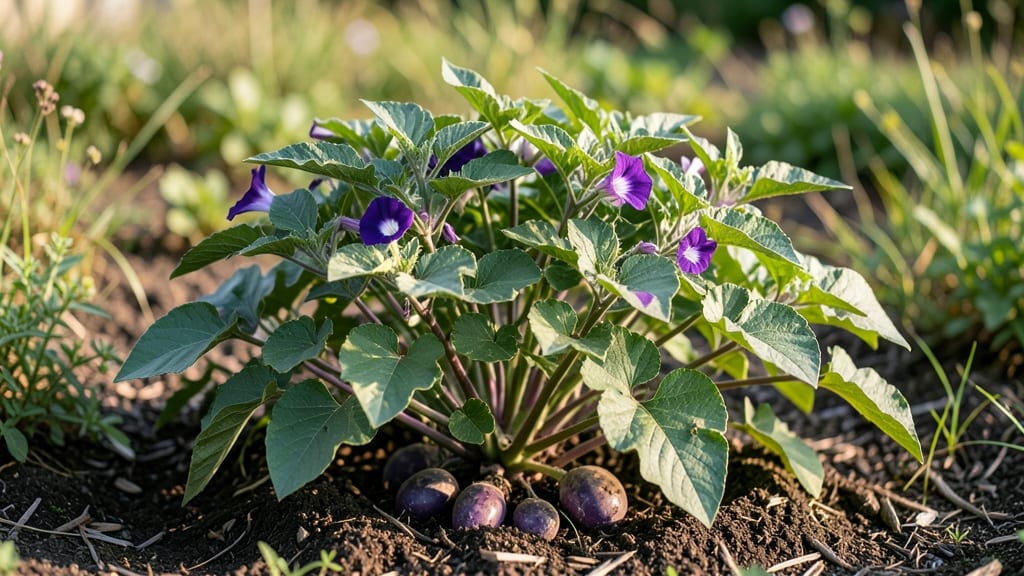
Growing Purple Magic potatoes from scraps is like unlocking a secret garden treasure—cold-resistant perennials that keep coming back year after year. 🌱 I first tried them after seeing how hardy they were in my Zone 5 garden, and now I never plant regular potatoes again.
These aren’t just potatoes; they’re a game-changer for small spaces and cooler climates.
The secret to their success? Planting scraps in early spring or late summer when soil temps hit 50°F, spacing them 12 inches apart in loose, well-draining soil. They thrive in partial shade too, making them perfect for under trees or along fences.
Unlike traditional potatoes, these regrow from scraps—just save a piece with an "eye" and let it sprout in water before planting.
Expect vibrant purple flesh that’s sweeter than russets and packed with antioxidants. Harvest when tops die back in fall, but leave some in the ground—they’ll regrow next spring! The flavor? Rich, nutty, and perfect for roasting, mashing, or even purple mashed potatoes that’ll impress everyone at dinner.
Pests rarely bother them, and diseases are less common thanks to their natural resistance. For best results, rotate crops yearly and avoid overwatering. Once you try Purple Magic potatoes, you’ll wonder why you ever grew anything else!
📚 In This Guide
- What you need
- Instructions
- Tips and common mistakes
- Wrapping up and next steps
What you need
- ● Purple magic potato scraps or certified organic seeds (1–2 lbs of scraps or 50–100 seeds, depending on your harvest goals).
- ● Well-draining, nutrient-rich soil (pH 5.0–6.5). Mix in compost or aged manure for extra fertility.
- ● Containers or garden bed (if growing in pots, use 10–12" deep containers with drainage holes).
- ● Organic mulch (straw, leaves, or grass clippings to retain moisture and regulate temperature).
- ● Watering can or hose with a gentle spray nozzle (avoid overwatering!).
- ● Garden gloves (for handling scraps and soil comfortably).
- ● Soil test kit (to check pH and nutrient levels before planting).
- ● Cold frame or row covers (for extending the growing season in chilly climates).
- ● Organic fertilizer (like fish emulsion or compost tea for a nutrient boost).
- ● Pruning shears (to trim excess foliage and encourage tuber growth).
- ● Plant markers (to track varieties if growing multiple types).
Step-by-step instructions for growing purple Magic potatoes
Here's how to cultivate these stunning, cold-hardy tubers that multiply year after year!
🌱 Step 1: Choose and Prepare Your Seed Potatoes
Purple Magic potatoes are perennials that regrow from scraps, but you'll start with certified seed potatoes. Look for firm, medium-sized tubers (about the size of an egg) with visible eyes—those are the growth points. Cut larger seed potatoes into pieces with at least 2-3 eyes each, leaving the cut edges exposed to air for 24 hours to form a protective callus.
I like to place them on a paper towel in a cool, dark spot while I prep the garden. This prevents rot and gives the cut surfaces time to heal. Real talk: Skipping this step leads to soggy, moldy seed potatoes that refuse to sprout.
🪴 Step 2: Plant in Well-Drained, Cold-Tolerant Soil
Purple Magic potatoes thrive in loose, well-drained soil with a pH between 5.0 and 6.5. Work in 2-3 inches of compost or well-rotted manure to enrich the soil without adding too much nitrogen—too much greens up the foliage at the expense of tubers. Plant the seed potatoes 4 inches deep and 12 inches apart in rows spaced 30 inches apart.
Here's the thing—these potatoes are cold-resistant, but they still need time to establish roots. Plant them 2-4 weeks before your last frost date in spring. If you're growing in zones with mild winters, you can even plant in fall for an early harvest. Just cover the bed with 12 inches of straw mulch after planting to protect the tubers from freezing.
☀️ Step 3: Provide Consistent Moisture and Gradual Hill Up
Keep the soil evenly moist but never soggy—1 inch of water per week is ideal. Purple Magic potatoes are drought-tolerant once established, but consistent moisture during tuber formation (when the plants are flowering) ensures the best yields. You'll know you're on track when the soil feels damp 2 inches down but not waterlogged.
When the plants reach 6 inches tall, mound soil up around the stems to encourage more tuber formation. Repeat this process every 2-3 weeks until the hill reaches 12 inches high. This is called "hilling," and it's the secret to preventing sunburn on the tubers and boosting production. Don't skip this—it's what makes these potatoes so prolific!
✂️ Step 4: Harvest and Store for Regrowth
Purple Magic potatoes are ready to harvest when the foliage begins to yellow and die back, usually 90-120 days after planting. Gently dig around the plants with a fork, being careful not to pierce the tubers. You'll find clusters of purple-skinned, purple-fleshed potatoes in various sizes—some as small as a marble, others as big as a tennis ball!
For perennials, leave a few of the largest tubers in the ground. They'll regrow next season if you mulch heavily over winter. Store the rest in a cool, dark place (around 40-50°F) with high humidity. Check them monthly and remove any that sprout—those are your next year's seed potatoes! I've had mine regrow for 5+ years with proper care.
🌿 Step 5: Overwinter for Perennial Growth
After harvest, cut back the foliage and cover the bed with 12-18 inches of straw mulch or leaves. This protects the remaining tubers from freezing and insulates them through winter. In spring, the mulch will break down and feed the soil while the potatoes send up new shoots. You'll see purple-tinged leaves emerging in early spring—your signal that the perennials are waking up!
Here's where it gets fun—these potatoes multiply over time. Each year, you'll get more tubers from the same plants, and they'll adapt to your soil and climate. Just keep hilling, mulching, and harvesting carefully, and you'll have a self-sustaining Purple Magic potato patch for years to come!
Tips & tricks for perfect purple Magic potatoes
These cold-resistant perennials reward patience with stunning purple tubers that regrow year after year—here’s how to maximize your harvest!
The 24-Hour Callus: That critical 24-hour drying period for cut seed potatoes isn’t just about preventing rot—it’s about creating a protective layer that prevents fungal infections. Place your cut potatoes on a paper towel in a cool, dark spot (like a pantry shelf) and resist the urge to rush. I’ve seen cut surfaces develop a slightly white, dry edge by the end of 24 hours—this is your signal they’re ready to plant. The difference between soggy, moldy potatoes and healthy sprouts often comes down to this single step.
Soil Science: Purple Magic potatoes thrive in loose, well-drained soil with a pH between 5.0 and 6.5, but here’s the secret: don’t overthink the compost. Too much nitrogen-rich manure greens up the foliage at the expense of tubers. Instead, opt for well-rotted compost or a balanced 10-10-10 fertilizer. The goal is to feed the soil, not the leaves. I’ve found that adding a handful of wood ash (to raise pH slightly) helps maintain that ideal range without over-acidifying the soil.
Hilling Like a Pro: When your plants hit 6 inches tall, it’s time to hill—this isn’t just about burying stems, it’s about creating an environment where tubers form in abundance. Use the soil you’ve already loosened from planting, piling it up around the stems in a gentle mound. The key is to do this gradually every 2-3 weeks, building the hill to 12 inches high. This prevents sunburn on the tubers and encourages more production. I’ve seen gardens where skippers of this step end up with fewer, smaller potatoes—don’t let that be you!
Harvesting Without Damage: When the foliage yellows and dies back (usually 90-120 days after planting), it’s time to harvest. The trick is to use a fork to gently loosen the soil around the plants, then carefully lift them out. Avoid piercing the tubers with the fork—this can cause bruising and rot. Once you’ve harvested, leave a few of the largest tubers in the ground for perennials. These will regrow next season if you mulch heavily over winter. The rest can be stored in a cool, dark place (around 40-50°F) with high humidity—check them monthly and remove any that sprout for next year’s seed potatoes.
Pro Tips for Purple Magic Potatoes
- These cold-resistant perennials reward patience with stunning purple tubers that regrow year after year—here’s how to maximize your harvest!
- The 24-Hour Callus: That critical 24-hour drying period for cut seed potatoes isn’t just about preventing rot—it’s about creating a protective layer that prevents fungal infections.
- Soil Science: Purple Magic potatoes thrive in loose, well-drained soil with a pH between 5.0 and 6.5, but here’s the secret: don’t overthink the compost.
Frequently asked questions
Got questions about growing Purple Magic Potatoes? You’re not alone! These cold-hardy, regrowing tubers are unique, but they do require some special care. Here are answers to the most common questions to help you grow like a pro.
Can Purple Magic Potatoes really regrow from scraps like green onions?
Yes! These potatoes are perennial in cold climates (Zones 4-9), meaning they’ll regrow from scraps—like green onions—if you leave the tops in the ground or replant cuttings. Just save a 3-inch section of the stem with an "eye" (bud) and replant it in spring. Pro tip: Store scraps in a damp paper towel in the fridge until ready to replant!
How cold can Purple Magic Potatoes tolerate?
These potatoes are exceptionally cold-hardy—they survive down to 15°F (-9°C)! In colder zones, they’ll grow back each spring from the same roots. In milder climates, they may need winter protection (like mulch) to prevent dieback. Bonus: Their deep purple color fades when cooked, but they’re packed with antioxidants!
How long does it take for Purple Magic Potatoes to harvest?
From seed (or scraps), expect 90-120 days to harvest. If grown as a perennial, they’ll produce tubers faster in subsequent years. Harvest when foliage yellows or when you need potatoes—gentle digging prevents damage. Warning: They bruise easily, so handle with care!
What’s the best way to cook Purple Magic Potatoes?
They’re delicious roasted, mashed, or even in salads! Their nutty, earthy flavor shines when roasted with olive oil and garlic. For mashed potatoes, peel and boil first—their skin can be tough. Fun fact: The purple hue disappears when cooked, revealing creamy white flesh!
What if my Purple Magic Potatoes aren’t regrowing?
Check these fixes:
- Light: Ensure they get 6+ hours of sun daily.
- Soil: Amend with compost—they love rich, well-draining soil.
- Water: Keep soil moist but not soggy (they hate "wet feet").
- Patience: Perennials take 2-3 years to establish fully.
Wrapping up and next steps
Growing purple magic potatoes isn’t just rewarding—it’s a game-changer for gardeners who crave hardy, low-maintenance crops! These vibrant perennials thrive in cold climates, regrow from scraps, and pack a nutritional punch.
Whether you’re a beginner or a seasoned green thumb, their resilience and versatility make them a must-have in any garden.
Ready to dive in? Start small—plant a few scraps or tubers this season and watch your harvest grow! Share your progress with fellow gardeners or experiment with new recipes featuring these magical purple potatoes. 🌱✨