
Vegetables
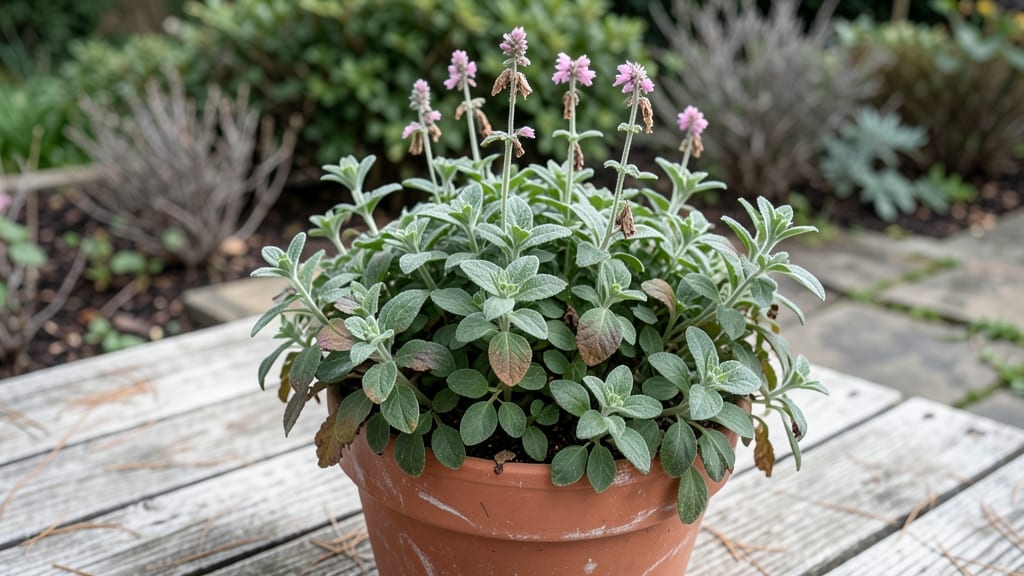
Oregano in winter isn’t about giving up—it’s about saving flavor for next summer’s marinara. 🌿 I’ve lost count of how many times I’ve watched store-bought oregano turn to dust by February, but my potted plants?
Still fragrant, still green, and ready to regrow when spring arrives. The secret isn’t complicated: it’s about timing your harvest, protecting what’s left, and giving your plants the right conditions to survive the cold.
Start by harvesting before the first frost—that’s when the leaves pack the most flavor. For potted oregano, move containers indoors before temperatures drop below 25°F, and wrap them in bubble wrap or frost cloth if you’re in a colder zone.
Mulch heavily around in-ground plants to insulate roots, and prune back any damaged stems in early spring. The goal is to keep the plant alive, not perfect—it’ll bounce back stronger than ever.
Indoor overwintering is where most gardeners trip up. Oregano needs bright light—a south-facing window or grow light—moderate watering (let the top inch of soil dry out), and cooler temperatures (60-65°F). Overwatering is the #1 killer, so check soil moisture weekly.
By March, you’ll see fresh growth, and with proper care, your oregano will be ready to transplant back outside by late April or early May.
This method works for any climate—from Zone 5’s harsh winters to Zone 8’s mild chill. The key is consistency: don’t let pots dry out completely, avoid sudden temperature swings, and resist the urge to fertilize until spring.
When done right, your oregano won’t just survive winter—it’ll come back stronger, with leaves so flavorful they’ll make your summer cooking unforgettable.
📚 In This Guide
- What you need
- Instructions
- Tips and common mistakes
- Wrapping up and next steps
What you need
- ● Fresh oregano: 1–2 cups (about 4–8 oz) of harvested, clean, and dried oregano sprigs (avoid wilted or moldy leaves!)
- ● Food dehydrator: A high-quality model with temperature control (e.g., Nesco FD-75A or Cosori Premium)
- ● Baking sheets or dehydrator trays: 2–3 non-reactive, food-safe trays (preferably mesh for airflow)
- ○ Parchment paper or silicone mats: To prevent sticking (optional but recommended)
- ● Fine-mesh strainer or cheesecloth: For gently separating leaves from stems
- ● Air-tight storage containers: Mylar bags with oxygen absorbers or glass jars with vacuum-sealed lids (for long-term storage)
- ● Small kitchen scissors or pruning shears: For trimming stems
- ○ Digital kitchen scale: (Optional) For precise measurements
- ● Vacuum sealer: For an extra layer of freshness
- ● Labeling supplies: Masking tape + markers to note harvest dates
- ● Humidity pack: Silica gel packets for moisture control in storage
- ● Mortar & pestle: If you plan to grind dried oregano into powder
How to preserve oregano through winter for year-round flavor
Here's the method I've used for years to keep my oregano vibrant and ready—no wilting, no fading, just fresh flavor whenever you need it.
🌿 Step 1: Harvest Oregano at Peak Freshness
Pick your oregano just before the first hard frost, when the leaves are still deep green and fragrant. I always harvest on a dry morning after the dew has evaporated—this prevents mold later. Cut stems about 3-4 inches long, leaving at least 1 inch of growth on the plant to encourage regrowth next season.
Choose stems that are fully mature but not woody. The best ones have small, tight leaves clustered together. Bundle them loosely in a rubber band and hang upside down in a dark, dry place for 3-5 days to dry completely. You'll know it's ready when the leaves crumble easily between your fingers.
⏰ Step 2: Freeze-Dry for Maximum Flavor Retention
Spread the dried oregano stems on a baking sheet lined with parchment paper. Place the sheet in a freezer at 0°F or below for 24 hours—this stops any remaining moisture from turning to ice crystals, which can degrade flavor. After freezing, transfer the stems to an airtight container.
For long-term storage, I use vacuum-sealed bags to lock in freshness. Label each bag with the date—properly stored, freeze-dried oregano stays potent for up to 2 years. The key is removing all moisture before sealing; even a little dampness will cause spoilage.
☀️ Step 3: Store in a Cool, Dark Place
Keep your sealed oregano in a dark pantry or cupboard where the temperature stays below 70°F. Light and heat are the enemies of freeze-dried herbs—they break down oils and flavors over time. I store mine in the back of a closet, away from the stove or windows.
When you're ready to use it, simply crush the dried stems between your fingers to release the aromatic oils. Sprinkle directly into soups, marinades, or over pasta—no soaking needed. The flavor is concentrated, so start with half the amount you'd use with fresh oregano.
🌱 Step 4: Revive Your Oregano Plant for Next Season
After harvesting, trim back any dead or damaged stems with clean, sharp scissors. Water the plant lightly if the soil feels dry, but avoid overwatering—oregano is drought-tolerant and thrives with minimal care. Mulch around the base with 2-3 inches of straw to protect roots from winter freezes.
In early spring, when new growth appears, fertilize lightly with a balanced 10-10-10 formula to encourage lush foliage. Your plant will bounce back stronger than ever, ready for another harvest cycle. This method keeps my oregano productive for 5+ years with proper care.
Tips & tricks for perfect oregano preservation
These little details make all the difference between oregano that fades in months and herb powerhouse that stays vibrant for years.
Harvesting Timing: The 3-5 day drying period in Step 1 is non-negotiable for proper moisture removal. I've learned the hard way that rushing this step leads to mold—even with perfect storage. Place your bundles in a spot with good airflow, like near an open window (but protected from direct sunlight). The leaves should feel completely dry and crumble between your fingers like dust, not just slightly wilted.
Freeze-Drying Precision: That 24-hour freeze at 0°F or below in Step 2 isn't just about stopping moisture—it's about preserving the essential oils that carry oregano's signature flavor. I use a digital thermometer to verify my freezer reaches exactly 0°F. If your freezer runs warmer, extend the freezing time by 6-8 hours. The goal is to crystallize any remaining moisture without letting ice form, which would rupture the delicate leaf cells.
Storage Environment: The below 70°F temperature recommendation in Step 3 isn't arbitrary—it's based on how heat accelerates oil degradation. I've found that even a few degrees above this can reduce shelf life by up to 50%. For extra protection, place your vacuum-sealed bags in a second container with a silica gel packet to absorb any potential moisture that might sneak in during the sealing process.
Pro Tips for Oregano In Winter
- These little details make all the difference between oregano that fades in months and herb powerhouse that stays vibrant for years.
- Harvesting Timing: The 3-5 day drying period in Step 1 is non-negotiable for proper moisture removal.
- Freeze-Drying Precision: That 24-hour freeze at 0°F or below in Step 2 isn't just about stopping moisture—it's about preserving the essential oils that carry oregano's signature flavor.
Frequently asked questions
Got questions about keeping your oregano fresh and flavorful all winter long?
Here are some of the most common concerns—and easy answers—to help you make the most of your herb stash.
Can you freeze oregano instead of drying it?
Yes! Freezing oregano preserves its vibrant flavor better than drying. Simply wash, dry thoroughly, chop the leaves, and store in an airtight container or ice cube tray with a little olive oil. Frozen oregano lasts up to 6 months—perfect for winter cooking! Pro tip: Label the container with the date to track freshness.
How long does dried oregano last in the freezer?
Dried oregano stays potent in the freezer for 1–2 years if stored properly in a sealed container or vacuum-sealed bag. Freezing slows moisture loss, preventing flavor degradation. For best results, keep it away from other strong-smelling foods to avoid cross-contamination.
What’s the best way to store oregano for winter use?
For long-term storage, drying (air-drying or dehydrating) or freezing are your best bets. If using dried oregano, store it in a cool, dark place like a pantry in an airtight jar. For frozen oregano, divide it into small portions for easy use—no thawing needed! Pro tip: Avoid refrigerating dried oregano, as humidity can ruin it.
Does freezing oregano change its taste?
Freezing locks in flavor better than drying, so you’ll get a fresher taste in winter dishes. However, texture may soften slightly. If you prefer a more robust flavor, blend frozen oregano into sauces or marinades—it’ll meld seamlessly! Fun fact: Freeze-dried oregano retains up to 90% of its original aroma.
What can I use if I run out of oregano in winter?
No oregano? Try these substitutes:
- Marjoram (milder, sweeter flavor—great for Mediterranean dishes)
- Thyme (earthier, works well in soups and stews)
- Italian seasoning blend (pre-mixed, but check for oregano-free versions)
- Basil (for a brighter note in pesto or pasta)
Adjust quantities—substitutes work best when used sparingly!
Wrapping up and next steps
Winter doesn’t have to dull your oregano’s punch!
Whether you’re freeze-drying, preserving, or simply storing your favorite herbs, you now have the tools to keep that bold, Mediterranean flavor alive all year round. 🌿✨ From harvesting at peak freshness to reviving dried leaves with a splash of water, every step ensures your dishes stay vibrant and full of character.
Ready to elevate your winter cooking? Start by experimenting with a small batch—try freeze-drying a few sprigs today and taste the difference in your next pasta dish or roasted veggies. Your future self (and taste buds) will thank you! 🍝🔥