
Vegetables
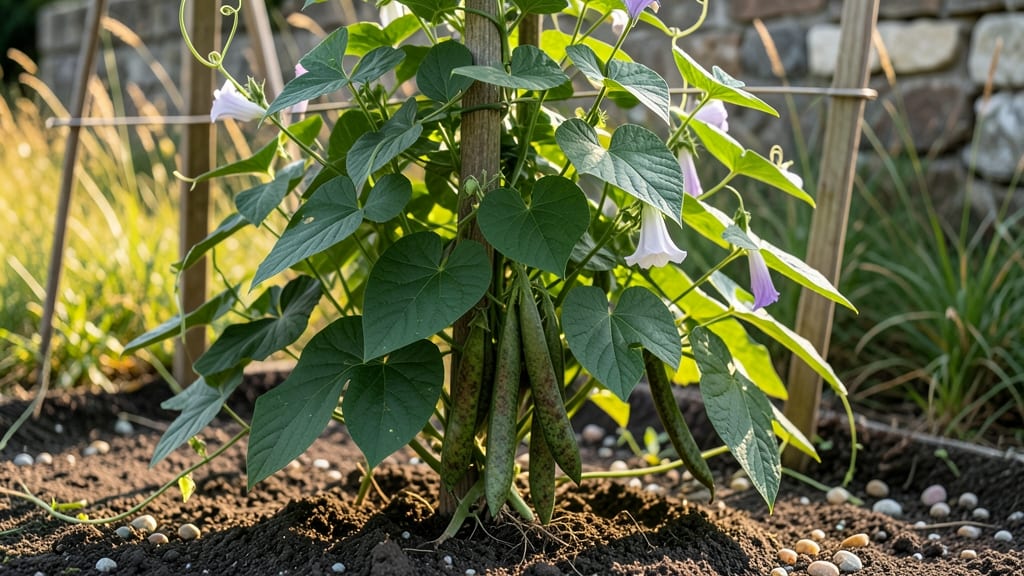
Growing perennial runner beans means never buying seeds again after the first year. 🌱 These cold-hardy vines return stronger every spring, producing sweet, stringless pods for months—no replanting required.
The catch? Most gardeners confuse them with annual varieties, so I’ll show you how to spot the real deal and set them up for long-term success.
Start with well-draining soil rich in organic matter—think compost mixed into the top 12 inches. Perennial runners thrive in full sun (6+ hours daily) but tolerate partial shade better than annual types.
Plant in early spring or late summer when roots can establish before frost, and space vines 4-6 feet apart (they’ll spread!). The first year is all about building the plant’s strength—harvest lightly to encourage root growth.
By year two, you’ll harvest 3-4 weeks earlier than with annuals, with vines producing 50% more pods. Prune leggy growth in early spring to focus energy upward, and mulch heavily in winter to protect roots.
The beans themselves taste sweeter when picked young—think snap peas but with a richer, nutty flavor. With proper care, these vines outlast even the most stubborn gardeners.
Here’s the secret weapon: perennial runners self-seed minimally, so you’ll rarely need to replant. They handle drought better than annuals too, making them perfect for dry climates or forgetful gardeners.
Just avoid overwatering—soggy soil invites root rot, and these vines hate being soggy. Ready to grow a vine that outlasts your gardening gloves?
📚 In This Guide
- What you need
- Instructions
- Tips and common mistakes
- Wrapping up and next steps
What you need
- ● Perennial runner bean seeds or plants: Choose cold-hardy varieties like Phaseolus coccineus (e.g., 'Scarlet Runner' or 'Striped Runner'). Start with 5–10 seeds or plants for a small garden.
- ● Well-draining soil: Aim for a mix of 60% topsoil, 30% compost, and 10% perlite or coarse sand to improve aeration.
- ● Fertilizer: Use a balanced organic fertilizer (10-10-10) or compost tea at planting time and mid-season.
- ● Support structures: Install 6–8 ft tall trellises, stakes, or strong fences (1 per 3–4 plants) for climbing.
- ● Garden trowel or transplanting spade for planting.
- ● Watering can or hose with a gentle spray nozzle (beans need consistent moisture!).
- ● Pruning shears for trimming vines and removing dead foliage.
- ○ Glove (optional but helpful for handling thorny varieties).
- ● Mulch (straw or wood chips) to retain soil moisture and suppress weeds.
- ● Row covers or frost cloth for early planting in cold climates.
- ● Pest deterrents: Neem oil spray or companion plants like marigolds.
- ● Harvest basket or scissors for picking beans.
Step-by-step guide to planting and maintaining perennial runner beans
Here's how to establish these cold-hardy vines that reward you with years of harvests.
🌱 Step 1: Select the Right Location and Prepare the Soil
Perennial runner beans thrive in full sun—choose a spot that receives at least 6-8 hours of direct sunlight daily. These vines love warmth, so avoid shady corners or areas where afternoon shade lingers. I always test the soil first because these plants demand well-draining, fertile soil with a pH between 6.0 and 7.0. If your soil is heavy clay, amend it with 2-3 inches of compost mixed into the top 12 inches of soil.
Dig a 12-inch deep hole for each plant, spacing them 4-5 feet apart in rows that are 5-6 feet apart. This gives the sprawling vines room to establish without competing for nutrients. If your soil is sandy, add a 5-gallon bucket of compost to each hole to improve moisture retention. Water the amended soil thoroughly before planting to help it settle.
🌿 Step 2: Plant Bare-Root Tubers or Established Plants
Perennial runner beans grow from tubers (similar to potatoes) or established plants. If using tubers, plant them 4-6 inches deep, with the eyes (sprouting buds) facing upward. Press the soil gently around the tuber to eliminate air pockets—this encourages strong root development. For established plants, dig a hole just deep enough to cover the root ball without burying the stem too deeply.
I always water the planting hole 24 hours before to prevent soil compaction around the roots. After planting, water deeply again to settle the soil and remove any air gaps. Mulch the base with 2-3 inches of straw or shredded leaves to retain moisture and suppress weeds. This step is critical—dry soil stresses young plants and slows tuber establishment.
☀️ Step 3: Provide Consistent Watering and Support
Perennial runner beans need 1-1.5 inches of water weekly, but they’re particularly sensitive to dry spells during their first growing season. Water at the base of the plant in the morning to reduce evaporation and fungal risks. You’ll know you’re doing it right when the top 2 inches of soil feel moist but not soggy.
As the vines grow, they’ll need strong support—install 5-6 foot tall trellises or stakes at planting time. These vines can reach 10-12 feet if given the space, but proper support prevents them from sprawling and keeps pods accessible. Tie the main stems loosely to the trellis with soft plant ties every 12 inches as they grow. Avoid tight bindings—they restrict growth and can damage the stems.
✂️ Step 4: Prune and Harvest for Long-Term Productivity
Harvest begins when pods reach 6-8 inches long and are firm but slightly tender. I pick every 2-3 days to encourage more production—leaving pods on the vine too long reduces future yields. Cut pods with clean shears just above the first leaf node to avoid damaging the vine.
Prune back leggy or overgrown vines in early summer to redirect energy to pod production. Remove any yellowing or diseased leaves immediately to prevent spread. In fall, cut back the foliage to 6 inches above ground level after the first frost. This protects the tubers from freezing and ensures a stronger regrowth next spring. Mulch heavily with 4-6 inches of straw to insulate the soil.
⏰ Step 5: Winter Care for Next Year’s Harvest
Perennial runner beans are cold-hardy to USDA Zone 5, but they need protection in colder climates. After the first hard frost, cover the base with 6-8 inches of mulch (straw or leaves work best). This insulates the tubers and prevents heaving during freeze-thaw cycles. In Zone 6 and warmer, minimal protection is needed—just a 3-inch mulch layer suffices.
In early spring, remove the mulch and check for new shoots. Water lightly when shoots appear, then gradually increase watering as growth accelerates. The first harvests will arrive 60-70 days after sprouting, but the real payoff comes in subsequent years—these vines produce for 10+ years with proper care. That’s the beauty of perennials!
Tips & tricks for perfect perennial runner bean cultivation
These tried-and-true strategies will help you maximize your harvest and keep these resilient vines thriving for years.
Soil Preparation: Test your soil's pH before planting—runner beans are particularly sensitive to acidic conditions. If your soil tests below 6.0, amend it with 1-2 pounds of agricultural lime per 100 square feet and retest after 2-3 months. The 6.0-7.0 pH range is non-negotiable for optimal nutrient uptake, especially during the critical first growing season when roots establish. I've seen plants struggle in slightly off-range soil, so don't skip this step even if your soil looks fertile.
Planting Depth: The 4-6 inch planting depth for tubers might seem like a wide range, but there's a reason for it. Plant shallower (4 inches) in sandy soils where drainage is excellent, and deeper (6 inches) in heavier clay soils. The key is positioning the tubers where they'll encounter consistently moist soil—this prevents the dreaded "dry rot" that can kill young plants. Press soil firmly around the tubers to eliminate air pockets, which can cause rot during germination.
Watering Strategy: The 1-1.5 inch weekly watering guideline is essential, but timing matters just as much. I've found that watering in the morning gives plants time to absorb moisture before evening humidity promotes fungal growth. Use a rain gauge or tuna can to measure water—eyeballing it often leads to either underwatering or soggy soil. For the first 30 days after planting, check soil moisture daily—young roots are particularly vulnerable to drought stress.
Winter Protection: That 6-8 inch mulch layer for Zone 5 winters isn't just about insulation—it's about preventing soil heaving. When freeze-thaw cycles occur, unprotected tubers can be pushed up and exposed to cold air, which damages them. I've seen tubers survive -10°F with proper mulching but fail completely with only 3 inches of protection. Add a layer of bubble wrap or cardboard under the mulch in extreme climates for extra insulation.
Pro Tips for Perennial Runner Beans
- These tried-and-true strategies will help you maximize your harvest and keep these resilient vines thriving for years.
- Soil Preparation: Test your soil's pH before planting—runner beans are particularly sensitive to acidic conditions.
- Planting Depth: The 4-6 inch planting depth for tubers might seem like a wide range, but there's a reason for it.
Frequently asked questions
Got questions about growing perennial runner beans? You’re not alone—these cold-hardy vines are a game-changer, but they do have their quirks! Here are answers to the most common questions to help you grow with confidence.
Can perennial runner beans really survive winter?
Yes! Unlike annual varieties, these beans thrive in USDA Zones 4-9 and regrow each spring if given proper care. Mulch heavily in fall (with straw or leaves) and prune back dead foliage in early spring. Pro tip: Plant in well-drained soil—they hate soggy roots!
How long does it take for perennial runner beans to produce?
First-year plants focus on establishing roots, so expect minimal harvests (if any). By year two, you’ll see abundant pods—some varieties even flower and fruit in late summer! Patience pays off—these vines reward loyalty with years of harvests.
What do I do if my perennial runner beans don’t come back?
Check for rodent damage (mice love the seeds!) or poor drainage. If the crown is intact but no shoots appear, gently scratch the soil—new growth may be hiding. If the plant is truly dead, divide and replant a healthy section nearby.
Are there any good alternatives if I can’t grow perennials?
Try annual runner beans (like ‘Scarlet Emperor’) for quick harvests or pole beans (e.g., ‘Kentucky Wonder’) for similar support needs. For perennials, ‘Alderman’ or ‘Canadian Wonder’ are cold-tolerant favorites. Bonus: Mix in comfrey or clover as living mulch to boost soil health!
How do I keep pests away from my runner beans?
Start with row covers for young plants to deter flea beetles. Handpick larger pests like Mexican bean beetles (drop them in soapy water!). Interplant with marigolds or nasturtiums to repel bugs naturally. Avoid over-fertilizing—too much nitrogen = more aphids!
Wrapping up and next steps
Perennial runner beans are a game-changer for gardeners seeking low-maintenance, high-reward crops that thrive year after year! 🌱 Their cold-hardy nature, ease of growth, and delicious harvests make them a must-try for both beginners and seasoned growers.
Whether you're saving money, reducing waste, or simply enjoying fresh-picked beans straight from your garden, these vines deliver big rewards with minimal effort.
Ready to give them a try? Start by planting a few this season—watch them flourish, and soon you’ll be enjoying homegrown goodness without the annual replanting hassle. Happy gardening! 🌿