
Vegetables
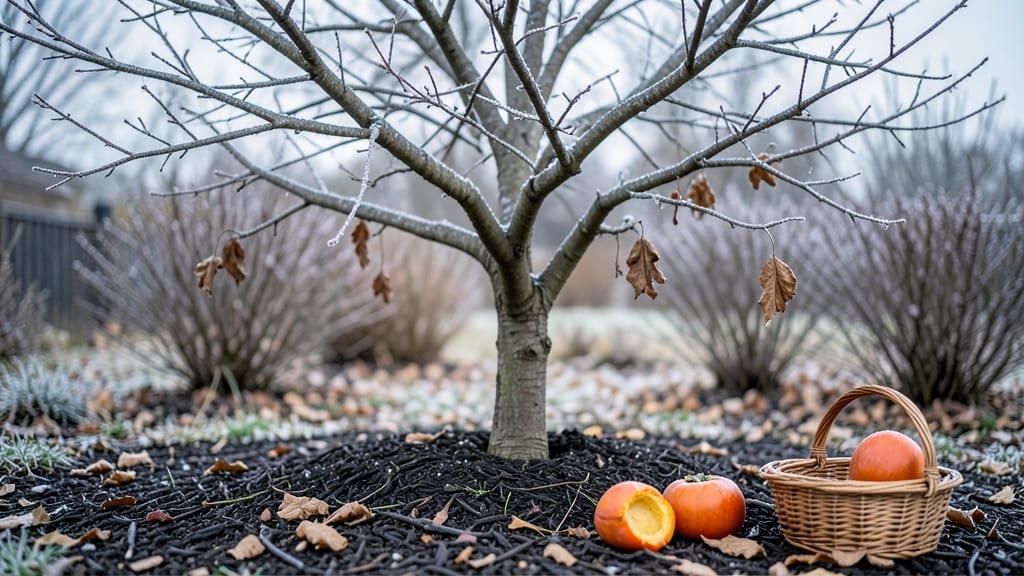
Winter transforms persimmons from garden treasure to kitchen star. 🌿 These hardy trees handle cold snaps like a pro, and with the right care, you'll have fruit ready to harvest even when snow blankets the ground.
I’ve learned that persimmons thrive in winter’s chill, storing their sweetness until the coldest months—when most fruits have long since vanished from shelves.
The secret to winter persimmons lies in their cold hardiness. Most varieties, like the classic Fuyu or Hachiya, survive down to 10°F with proper protection—mulch, burlap wraps, or even a frost cloth.
Harvest before the first hard freeze, then store them in a cool, dark spot where they’ll ripen slowly over weeks. Once ripe, their flavor deepens into something rich and caramel-like, perfect for roasting or baking.
What you’ll end up with is fruit that tastes like autumn’s last gift—sweet, velvety, and impossible to resist. Roast them with honey and cinnamon, and you’ve got a dessert that feels like a hug on a cold evening.
The best part? These trees keep producing year after year, rewarding your patience with harvests that outshine store-bought options.
Works for gardeners in zones 5-9, whether you’re growing in the ground or containers. Here’s how to keep your persimmons thriving through winter’s bite.
📚 In This Guide
- What you need
- Instructions
- Tips and common mistakes
- Wrapping up and next steps
What you need
- ● 4 ripe persimmons (Fuyu variety, ~1 lb total, firm but slightly soft when squeezed)
- ● 3 tbsp honey (preferably local or wildflower for depth of flavor)
- ● 2 tbsp unsalted butter (or olive oil for a lighter option)
- ● 1 tsp vanilla extract (for warmth and aroma)
- ● ½ tsp ground cinnamon (plus extra for garnish)
- ○ ¼ tsp ground nutmeg (optional but adds winter magic!)
- ● 1 tbsp fresh lemon juice (to balance sweetness)
- ● ½ tsp sea salt (adjust to taste)
- ● ¼ tsp black pepper (freshly cracked for a peppery kick)
- ● 1 tbsp brown sugar (or maple syrup for a vegan twist)
- ● 1 large mixing bowl (for marinating)
- ● 1 sharp chef’s knife (or mandoline for even slices)
- ● 1 cutting board (preferably with a non-slip mat)
- ● 1 baking sheet (rimmed, lined with parchment paper)
- ● 1 whisk or fork (for blending the glaze)
- ○ 1 pastry brush (optional, for extra glaze application)
- ● Oven mitts (to handle the hot baking sheet)
- ● Aluminum foil (for easy cleanup)
- ● Toasted pecans or walnuts (for crunch and texture)
- ● Fresh thyme or rosemary sprigs (for herbal notes)
- ● A pinch of cayenne pepper (for a subtle heat)
- ● Vanilla bean seeds (scraped from ½ pod for extra vanilla flavor)
How to prune and protect persimmon trees through winter
Winter care keeps your persimmon tree healthy and ready for next year's harvest.
✂️ Step 1: Prune in Late Winter for Better Airflow
Wait until late February or early March when the tree is still dormant but the ground isn't frozen. Pruning too early can stimulate new growth that won't survive winter cold. Use clean, sharp pruners to make cuts just outside the branch collar—the swollen area where the branch meets the trunk.
Remove any dead, diseased, or crossing branches first. These compete with healthy growth and invite pests. Cut back overly long branches by about one-third to encourage a bushier shape. I always step back after pruning to check for balance—uneven cuts can leave the tree vulnerable to wind damage.
🪴 Step 2: Mulch the Base to Insulate Roots
Spread 3-4 inches of organic mulch (like wood chips or straw) around the base of the tree, keeping it 6 inches away from the trunk. This insulates roots from freezing temperatures while preventing moisture loss. Avoid piling mulch against the trunk—too much moisture there can rot the bark.
Water the tree deeply before mulching so the soil holds moisture through winter. A well-hydrated root system handles cold better than dry soil. I like to add a thin layer of leaves over the mulch in the coldest months for extra protection—it acts like a blanket for the roots.
☀️ Step 3: Shield Young Trees from Harsh Winds
If you're in a windy area, wrap the trunk of young persimmon trees with tree guard fabric or burlap to prevent frost cracks. Secure it loosely so it doesn’t restrict growth. Mature trees usually handle wind better, but if branches are flopping wildly, tie them to stakes with soft tree ties to avoid damage.
Watch for ice buildup on branches—this can snap weak limbs. If ice forms, gently tap it off with a broom or let it melt naturally. Never force it off, as this can harm the tree. A light dusting of anti-desiccant spray (like Wilt-Pruf) on evergreen branches helps prevent winter drying.
🌱 Step 4: Monitor for Pests and Disease
Inspect the tree monthly during winter for signs of scale insects, spider mites, or fungal spots. Persimmons are tough, but winter stress can weaken them. Scrape off any visible pests with a plastic scraper (metal can damage bark) and dispose of them in soapy water.
If you spot mold or mildew, treat with a copper fungicide spray in early spring before new growth starts. I also check the soil around the base for rodent burrows—persimmons are sometimes gnawed by squirrels or rabbits in winter. A wire mesh barrier buried a few inches deep keeps them away.
Tips & tricks for perfect persimmon winter care
Here's what nobody tells you about keeping your persimmon tree thriving through the cold months.
Timing is Everything: The late February to early March window for pruning is non-negotiable. I learned this the hard way—pruning too early in winter can shock the tree into premature growth that freezes back. If you miss this window, wait until late March when the tree is still dormant but the ground thaws. Watch for the first signs of bud swell as your cue.
Pruning Precision: When cutting back those overly long branches by one-third, make your cuts just outside the branch collar. I always double-check this by holding the pruners at a 45-degree angle and looking for that swollen area where the branch meets the trunk. This small detail prevents unsightly stubs and promotes faster healing. Use clean, sharp pruners—dull blades tear bark and invite disease.
Mulch Like a Pro: That 3-4 inch layer of organic mulch isn't just decoration—it's insulation. I've seen roots freeze in shallow mulch during harsh winters. Keep it 6 inches away from the trunk to prevent moisture buildup that causes bark rot. For extra protection in freezing zones, add a thin layer of leaves over the mulch in December and January—it acts like a thermal blanket for the roots.
Wind Protection Secrets: For young trees, I've found that tree guard fabric works better than burlap because it breathes while still blocking harsh winds. If you're in a particularly windy area, consider adding a secondary layer of burlap on the windward side. And here's a trick I picked up from arborists: when wrapping, leave a small gap at the top—this prevents water from pooling against the trunk during rain or snow.
Pro Tips for Persimmons And Winter
- Here's what nobody tells you about keeping your persimmon tree thriving through the cold months.
- Timing is Everything: The late February to early March window for pruning is non-negotiable.
- Pruning Precision: When cutting back those overly long branches by one-third, make your cuts just outside the branch collar.
Frequently asked questions
Got questions about rocking your winter kitchen with persimmons? We’ve got answers! Whether you’re a first-timer or a seasoned chef, these FAQs will help you master honey-glazed roasted persimmons like a pro.
When is the best time to harvest persimmons for roasting?
Persimmons are ripe for the picking (and roasting!) when they’re fully colored and slightly soft to the touch—but not mushy. Astringency (that dry, puckery taste) fades once they’re fully ripe, usually in late fall (October–November). For roasting, aim for fully ripe fruit—this ensures a sweet, caramelized glaze.
How long can I store persimmons before roasting?
Fresh persimmons stay fresh for 2–4 weeks at room temperature or up to 3 months in the fridge. For roasting, use them within a week of ripening for peak sweetness. If they’re too firm, let them sit at room temp for a few days to soften. Pro tip: Freeze unripe persimmons for up to 6 months—thaw and roast for a concentrated flavor!
Can I substitute persimmons in other recipes?
Swap persimmons for apples, pears, or even butternut squash in roasted dishes. For baking, use a 1:1 ratio by weight. Persimmons add natural sweetness and a silky texture—perfect for pies, muffins, or even savory dishes like stuffing. Bonus: Their vibrant color makes any dish pop!
Why did my persimmon roast turn out bland or bitter?
Blandness often means the persimmons weren’t ripe enough (check for softness and color!). Bitterness? You might’ve used unripe fruit—always wait until they’re fully ripe. Fix it: Roast at 400°F (200°C) for 20–25 mins with a glaze of honey + butter (or maple syrup) to enhance sweetness. Troubleshoot: Add a pinch of cinnamon or vanilla for depth!
Can I make this recipe ahead of time?
Yes! Roasted persimmons taste even better the next day. Store leftovers in an airtight container in the fridge for up to 5 days. Reheat in the oven at 350°F (175°C) for 10 mins or microwave for 30–45 seconds. Pro move: Reglaze with a drizzle of honey before serving for extra shine!
Wrapping up and next steps
There you have it—persimmons and winter are a match made in culinary heaven! 🌟 Whether you’re roasting them for a sweet treat or savory side, these vibrant fruits bring warmth, nutrition, and a touch of magic to your cold-weather meals.
With just a few simple ingredients and a little patience, you’ve unlocked a recipe that’s as rewarding to make as it is delicious to eat.
Ready to glow up your winter menu? Start by stocking up on fresh persimmons, experimenting with this honey-glazed roast, and maybe even whipping up a batch of your own spiced glaze. Your taste buds (and dinner guests!) will thank you.