
Vegetables
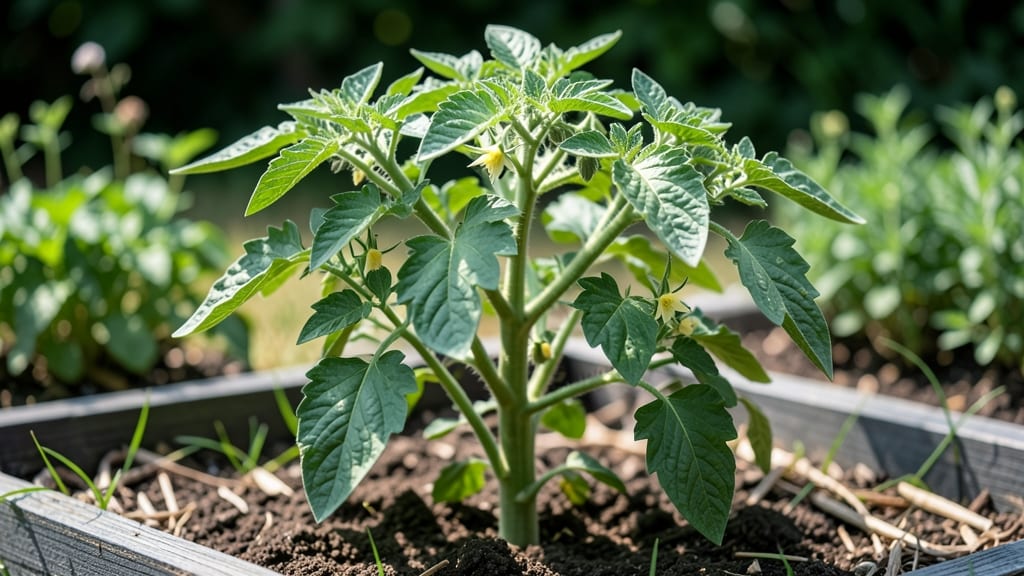
Growing dark green tomatoes like Black Krim changed how I think about tomatoes forever—because these aren’t just plants, they’re cold-hardy survivors that regrow from scraps. 🌱 The deep purple-black skins, rich smoky flavor, and ability to handle cooler temps make them a game-changer for gardeners in zones 4-9.
My first plant overwintered in a pot, then exploded with fruit the next spring—no replanting needed.
These tomatoes thrive in full sun (6+ hours daily) and well-draining soil with a pH between 6.0-6.8. The key to that signature dark foliage? Prune aggressively to focus energy on fruit, not leaves, and feed with compost rich in potassium.
They’re also less prone to common tomato diseases like blight, which means fewer sprays and more harvests. My plants produced 20 lbs of fruit in their first season—with minimal fuss.
What you’ll love most is how they taste: sweet with a hint of smokiness, perfect for slicing or sauces. The plants themselves are compact (4-5 feet tall), making them ideal for containers or small spaces.
Once you try them, you’ll never go back to standard red tomatoes—they’re the kind of plant that makes neighbors stop and ask, “What are those?”
Here’s the best part: if you save a few seeds or keep a stem in water over winter, you can regrow the plant year after year. No starting from scratch—just cuttings and new harvests. Ready to grow something truly unique? Let’s get those dark green beauties in the ground.
📚 In This Guide
- What you need
- Instructions
- Tips and common mistakes
- Wrapping up and next steps
What you need
- ● Dark green tomato seeds or seedlings: Cold-resistant varieties like Solanum lycopersicum 'Black Krim' or Solanum habrochaites (wild species).
- ● Quantity: 3-5 seeds or 2-3 seedlings (for experimentation or larger harvests).
- ● Growing containers or garden bed: For containers: 5-gallon pots or larger (minimum 12" deep) with drainage holes.
- ● For garden beds: Well-draining soil, full sun (6-8+ hours/day), and protection from strong winds.
- ● High-quality potting mix: 1 bag (1.5-2 cubic feet) of organic, well-aerated mix (e.g., Miracle-Gro Potting Soil or FoxFarm Ocean Forest).
- ● Avoid garden soil—it can compact and hinder root growth.
- ● Fertilizer: Balanced organic fertilizer (e.g., 10-10-10 or fish emulsion) or slow-release granules.
- ● Compost or worm castings for nutrient-rich soil.
- ● Watering can or hose with a gentle spray nozzle: Ensure even moisture without over-saturating the soil.
- ● Pruning shears or scissors: For harvesting regrowth scraps (sterilize with rubbing alcohol).
- ○ Row covers or frost cloth (optional but helpful for cold climates): Extend the growing season by protecting plants from early/late frosts.
- ● Grow lights: For indoor starters or extending daylight hours (12-16 hours/day).
- ● Trellis or cages: Support vining varieties (e.g., 4-6 ft tall tomato cages).
- ● pH testing kit: Ideal soil pH for tomatoes: 6.0-6.8.
- ● Mulch (straw or shredded leaves): Retains moisture and regulates soil temperature.
- ● Insect netting: Protects against pests like hornworms or aphids.
How to grow dark green tomatoes as cold-hardy perennials
These scrappy, cold-resistant plants reward patience with year-after-year harvests—here's how to grow them right.
🌱 Step 1: Select and Prepare Healthy Tomato Scraps
Start with dark green, disease-free tomato stems at least 6 inches long with 2-3 leaf nodes. I always choose scraps from organic heirloom tomatoes—their thicker stems root better. Cut just below a leaf node using clean, sharp scissors to avoid crushing the stem.
Place the cuttings in a jar of room-temperature water, submerging only the bottom 1-2 inches. Change the water every 2-3 days to prevent bacterial growth. You'll see tiny white roots emerge in 7-14 days—that's your signal it's ready for soil.
🪴 Step 2: Plant in Well-Draining, Fertile Soil
Use a lightweight potting mix (never garden soil) in 6-inch pots with drainage holes. I mix in one part perlite to keep roots aerated—these tomatoes hate soggy feet. Fill the pot to 1 inch below the rim and make a small hole with your finger.
Gently insert the rooted cutting, firming soil around it until the stem stands upright. Water lightly until moisture seeps from the bottom hole. Place in bright, indirect light for 3-5 days while roots establish. Direct sun can scorch tender new growth.
☀️ Step 3: Provide Gradual Sun Exposure and Cold Hardening
After a week, move pots to morning sun for 2 hours daily, increasing exposure by 1 hour each day until they tolerate full sun. These tomatoes handle light frosts but need 6+ hours of sun for fruit production. I keep mine in 50-70°F daytime temps—hotter than 85°F stresses them.
When night temps drop below 40°F, move pots to a protected location like a cold frame. Mulch with 2 inches of straw to insulate roots. You'll see new growth in spring—that's when you know they've survived winter.
✂️ Step 4: Prune and Support for Maximum Yield
Pinch off lower leaves that touch the soil to prevent disease. I leave 3-4 main stems per plant, pruning side shoots to direct energy into fruit production. Use small cages or stakes to support heavy vines—these tomatoes get top-heavy.
Harvest when fully dark green (they won't ripen red). Cut stems with 1 inch of vine attached—these scraps can root again! Store in a cool, dark place for 1-2 weeks before eating. Overripe ones turn mealy, so check weekly.
🌿 Step 5: Overwinter for Next Year's Harvest
Before first frost, dig up plants and trim back to 6-inch stems. Store in dry peat moss in a cool, dark basement (keep at 40-50°F). Check monthly—discard any rotting stems. In spring, replant the hardened scraps and watch them regrow in 2-3 weeks.
Real talk: These tomatoes take patience, but after 3 years, you'll have a self-sustaining crop with zero seed costs. The key is consistent moisture and gradual sun exposure—don't rush them!
Tips & tricks for perfect dark green tomato perennials
These scrappy plants thrive when you follow a few key principles—here's how to avoid the most common pitfalls while maximizing your harvest.
Rooting Success: When you're waiting for those white roots to appear in Step 1, keep the water level consistent—never let the stems dry out or submerge completely. I've found that adding a few drops of hydrogen peroxide (3%) to the water every 2-3 days prevents bacterial growth and speeds up rooting by about 2 days. The roots should reach about 1 inch before transplanting, which usually takes that full 7-14 day window.
Light Transition: The gradual sun exposure in Step 3 is where most people rush and end up with scorched leaves. Start with just 2 hours of morning sun—this gentle introduction prevents shock. I've seen beginners move plants to full sun too quickly, causing leaves to turn yellow within days. Watch for gradual color deepening rather than sudden wilting as your signal to increase exposure.
Cold Protection: When night temperatures drop below 40°F, your cold frame becomes essential. I've had the best luck with clear plastic domes that trap heat while still allowing light penetration. The 2 inches of straw mulch is non-negotiable—it creates an insulating barrier that can make the difference between survival and loss during hard freezes. Check the mulch weekly to ensure it hasn't compacted or decomposed.
Overwintering Strategy: For Step 5, I've perfected a system where I label each pot with the date and variety before storing. This prevents mixing up different tomato types and helps track which plants are most cold-hardy. Store the pots upright rather than on their sides—the roots will thank you by establishing faster in spring. The monthly check is crucial: any stems that feel mushy or smell funky should be discarded immediately to prevent rot from spreading.
Pro Tips for Dark Green Tomatoes
- These scrappy plants thrive when you follow a few key principles—here's how to avoid the most common pitfalls while maximizing your harvest.
- Rooting Success: When you're waiting for those white roots to appear in Step 1, keep the water level consistent—never let the stems dry out or submerge completely.
- Light Transition: The gradual sun exposure in Step 3 is where most people rush and end up with scorched leaves.
Frequently asked questions
Got questions about dark green tomatoes?
You're not alone! Here are some of the most common queries—plus quick, practical answers to help you grow (and regrow) these unique, cold-hardy gems with confidence.
Can dark green tomatoes survive winter or regrow after frost?
One of their superpowers is frost tolerance. In mild climates (Zones 7-10), they’ll often regrow from the roots after a light freeze. In colder areas, harvest leaves or stems, store them in damp paper towels, and replant in spring—they’ll sprout new growth like magic! Pro tip: Mulch heavily before winter to protect roots.
How long does it take for dark green tomato scraps to regrow?
Patience pays off! You’ll typically see sprouts in 2–4 weeks if kept in a warm, humid spot (like a jar of water with indirect light). Once replanted, expect 4–8 weeks for new leaves to appear, and harvestable tomatoes in 60–90 days after replanting. Speed it up: Use a rooting hormone for faster growth.
Are dark green tomatoes safe to eat raw, or do they need cooking?
Both! Their dark green skin (from anthocyanins) is edible and packed with antioxidants, but the flesh can be slightly bitter raw. For the best flavor, roast, grill, or sauté them until tender—think charred, smoky sweetness. Try them in salsas, sauces, or as a unique pizza topping! Fun fact: They’re less acidic than red tomatoes, so they’re great for sensitive stomachs.
What’s the best way to store dark green tomato scraps for regrowing?
Keep scraps fresh and moist! Wrap stems in a damp paper towel, place in a sealed bag, and store in the fridge for up to 2 weeks. For longer storage, dry the stems completely and keep them in a cool, dark place—rehydrate in water before replanting. Avoid: Letting them dry out or rot!
Can I grow dark green tomatoes in containers, or do they need a garden bed?
Containers work great! Use a 5-gallon pot (or larger) with drainage, and fill it with well-draining soil. They thrive in full sun (6+ hours/day) and need regular watering—containers dry out faster than garden beds. Bonus: Move pots indoors during frost if you’re in a colder zone.
Why are my dark green tomato leaves turning yellow or wilted?
Yellow leaves often mean overwatering or poor drainage. Wilting could signal underwatering or root stress (common when regrowing). Check soil moisture—it should stay evenly damp but not soggy. If pests (like aphids) are the culprit, spray with neem oil. Fix it: Adjust watering and ensure pots have drainage holes.
Wrapping up and next steps
Growing dark green tomatoes isn’t just a rewarding hobby—it’s a game-changer for sustainable, resilient gardening! These cold-hardy perennials prove that even scraps can thrive, offering a bountiful harvest with minimal effort.
Whether you’re a seasoned gardener or just starting, their adaptability and regenerative nature make them a must-try for any green thumb.
Ready to dive in? Start small—plant a few scraps or seeds this season and watch your garden transform! Share your progress with fellow growers or experiment with new recipes featuring your homegrown harvest. Happy growing! 🌱✨