
Vegetables
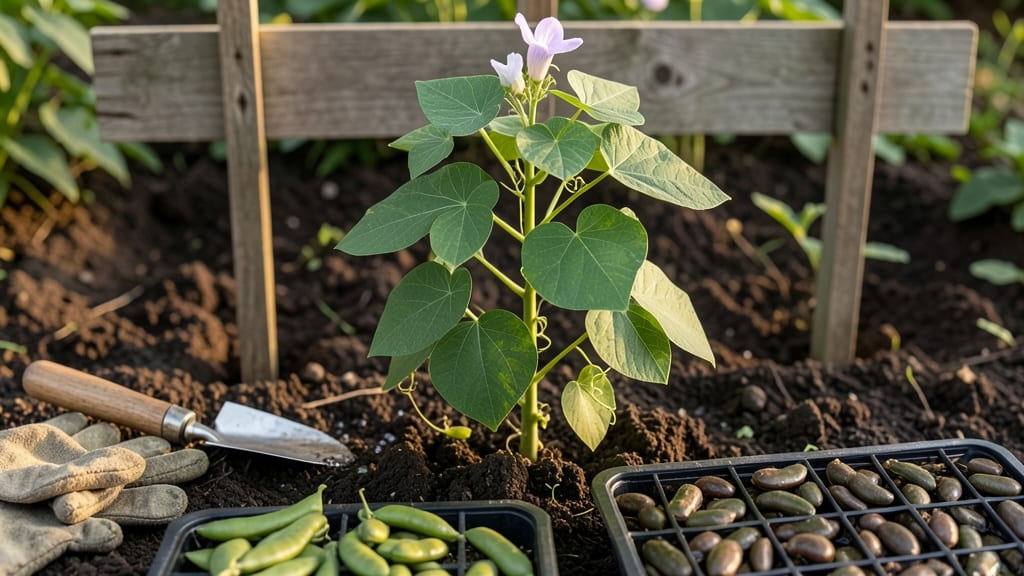
Planting edamame beans transforms your garden into a nitrogen-fixing powerhouse that keeps giving. 🌱 I learned the hard way that these cold-resistant perennials thrive when treated like the hardy workhorses they are—not the delicate annuals most gardeners assume.
The secret lies in mimicking their native Asian woodland conditions, where they naturally spread and regrow year after year.
Start with well-draining soil rich in organic matter—think compost mixed into the top 12 inches. Edamame beans need 6-8 hours of sunlight daily but tolerate partial shade better than most legumes.
Plant seeds 1 inch deep, spacing them 4-6 inches apart in rows 18-24 inches apart. The key? Don’t rush—wait until soil temperatures hit 60°F to avoid slow germination.
Once established, these plants reward patience with 3-4 harvests per season if you pick pods when they’re young and tender. Water consistently to keep soil moist but never soggy—edamame roots hate standing water. A light mulch layer helps retain moisture and suppresses weeds, while regular pruning encourages bushier growth.
Watch for Japanese beetles and spider mites, which adore edamame’s tender foliage. A strong spray of water usually deters them, but neem oil works if infestations persist. In warmer climates, they’ll regrow after light frosts—making them the ultimate low-maintenance, high-reward perennial for patient gardeners.
📚 In This Guide
- What you need
- Instructions
- Tips and common mistakes
- Wrapping up and next steps
What you need
- ● Edamame seeds: Choose cold-hardy varieties like Enrei or Black Turtle Soya (50–100 seeds, depending on space).
- ● Soil: Well-draining, nitrogen-rich soil (pH 6.0–7.5). Mix in 2–3 inches of compost or aged manure.
- ● Fertilizer: Organic: 5-10-10 or balanced fertilizer (e.g., fish emulsion, bone meal).
- ● Slow-release: 1 cup per 10 sq ft of 10-10-10 granular fertilizer.
- ● Watering supplies: Drip irrigation or hose with a gentle spray nozzle (edamame needs 1–2 inches of water weekly).
- ○ Support structures (optional for pole varieties): Bamboo stakes or trellis (6+ feet tall).
- ● String or twine for climbing varieties.
- ● Cold tolerance: Edamame thrives in USDA Zones 5–9 and can handle light frosts (28°F/-2°C).
- ● Planting window: Cool season: Sow seeds 2–3 weeks before last frost (spring) or 60–90 days before first frost (fall).
- ○ Warm season (optional): Direct-sow after soil reaches 60°F/15°C (late spring/early summer).
- ● Sunlight: Full sun (6–8 hours daily) for optimal pod production.
- ● Test soil moisture before watering—edamame hates soggy roots! 💧
- ● For perennials, mulch with straw or wood chips to protect roots in winter.
- ● Save seeds from your healthiest pods for next year’s organic, heirloom harvest. 🌱✨
Step-by-step instructions for planting edamame beans
Here’s how to cultivate these cold-hardy, nitrogen-fixing legumes for continuous harvests—no greenhouse needed.
🌱 Step 1: Choose the Right Variety and Planting Site
Edamame thrives in USDA Zones 5-9, making it one of the few edible beans that tolerate light frost. Select a cold-hardy variety like ‘Enrei’ (early maturing) or ‘Black Turtle Soya’ (heat-tolerant). Avoid varieties labeled for short-season climates—they won’t recover after winter.
Pick a sun-drenched spot with 6+ hours of daily light and well-draining soil. Edamame hates soggy roots, so amend heavy clay with 2-3 inches of compost before planting. A slightly acidic to neutral pH (6.0-7.0) ensures optimal nitrogen fixation. Test your soil—if it’s alkaline, work in sulfur or peat moss to adjust.
🌿 Step 2: Prepare Soil and Plant Seeds at the Right Depth
Loosen the top 12 inches of soil with a broadfork to improve aeration. Edamame roots grow deep but shallow side roots need loose soil to spread. Mix in 1 cup of bone meal per 10 feet of row to boost phosphorus—this supports strong root and vine development.
Plant seeds 1 inch deep and 4-6 inches apart in rows spaced 2-3 feet apart. This spacing prevents overcrowding and improves airflow, reducing fungal risks. Water the soil to moist but not saturated before planting—dry soil makes seeds harder to sprout. If planting in cool spring or fall, use a row cover to retain soil warmth until germination.
☀️ Step 3: Provide Consistent Moisture and Support for Climbing Vines
Edamame needs 1-1.5 inches of water weekly, delivered at soil level to avoid wetting foliage (which spreads disease). Use a drip irrigation system or soaker hose to keep moisture even. Let the top 2 inches of soil dry between waterings—consistent dampness prevents pod shattering.
Install 5-6 foot tall trellises or sturdy stakes at planting time. Edamame vines twine naturally but need support to climb. Train vines upward as they grow—this improves air circulation and makes harvesting easier. Prune yellowing or crowded leaves to redirect energy to pod production. Harvest begins 70-90 days after planting, when pods turn green but are still firm.
⏰ Step 4: Fertilize and Mulch for Cold Hardiness
After the first harvest, side-dress with 1 tablespoon of 10-10-10 fertilizer per plant to replenish nutrients. Edamame fixes nitrogen but heavy yields deplete other minerals. In Zone 5 or colder, apply a 4-inch layer of straw mulch in late fall to insulate roots through winter. Remove mulch in early spring to prevent rot.
In Zones 6-9, edamame often regrows after winter. Pinch back dead foliage in early spring and water lightly to stimulate regrowth. The plant’s perennial nature means year-round harvests—just watch for aphids in spring and spider mites in summer. Spray with neem oil at first sign of pests to protect tender new growth.
Tips & tricks for perfect edamame planting
These cold-hardy legumes reward patience—here's how to maximize your harvest without common pitfalls.
Variety Selection: The right choice makes all the difference. For northern climates, ‘Black Turtle Soya’ handles frost beautifully, while ‘Enrei’ matures faster in warmer zones. I've found that planting both varieties in the same garden gives you staggered harvests—early pods from Enrei followed by Black Turtle's extended production. This diversity also acts as a natural insurance against weather variations.
Soil Preparation Strategy: Don't skip the soil test! While edamame tolerates pH 6.0-7.0, I've seen dramatic yield differences within that range. For alkaline soils, I recommend working in sulfur gradually over two seasons—adding too much at once can harm microbial activity. The 12-inch deep loosening in Step 2 is crucial; I use a broadfork to avoid compacting the soil further while planting.
Watering Technique: The 1-1.5 inches weekly guideline works, but timing matters more than volume. I water deeply in the morning to let foliage dry before evening, which prevents fungal diseases. For the top 2 inches drying between waterings, I check with my finger—if it feels slightly dry at 2 inches down, that's perfect. Overwatering causes pod shattering, which I've experienced when using sprinklers instead of drip irrigation.
Trellis Installation: Install those 5-6 foot trellises early—waiting until vines start climbing creates stress points. I use T-posts with heavy-duty twine for support, securing the twine every 18 inches up the post. This vertical growth not only saves space but also improves air circulation, reducing the need for fungicides. The upward training also makes harvesting easier on your back!
Pro Tips for Planting Edamame Beans
- These cold-hardy legumes reward patience—here's how to maximize your harvest without common pitfalls.
- Variety Selection: The right choice makes all the difference.
- Soil Preparation Strategy: Don't skip the soil test!
Frequently asked questions
Got questions about growing edamame? You’re not alone! Here are answers to the most common concerns—so you can confidently plant and harvest these nutritious legumes.
How long does it take for edamame beans to grow after planting?
Edamame typically takes 70–90 days from planting to harvest, depending on the variety and climate. If you’re growing them as a perennial (in warm zones), pods may appear 2–3 months after flowering. For faster results, opt for early-maturing varieties like Enrei or Black Turtle Soya.
Can I plant edamame in cold weather?
Edamame thrives in 60–85°F (15–29°C) but can tolerate brief cold snaps. Start seeds indoors 4–6 weeks before the last frost or sow directly when soil reaches 50°F (10°C). In cold climates, use row covers or grow them as annuals. Perennial varieties (like Kurodane) may survive winters in Zone 7+ with mulch.
What’s the best companion plant for edamame?
Edamame loves nitrogen-fixing companions like:
- Corn (provides shade and support)
- Cucumbers or squash (repel pests)
- Radishes (break up compacted soil)
- Avoid planting near onions or garlic—they can stunt growth.
Why aren’t my edamame pods forming?
Missing pods? Check these fixes:
- Insufficient sunlight (6+ hours/day needed)
- Overcrowding (thin seedlings to 4–6 inches apart)
- Lack of pollinators (hand-pollinate with a brush if bees are scarce)
- Nutrient deficiency (add compost or a balanced fertilizer at flowering)
How do I know when edamame is ready to harvest?
Harvest when pods are firm, 2–3 inches long, and seeds are plump but still green (like peas). Use scissors or fingers to snap them off—don’t pull the plant. For perennials, harvest every 3–5 days to encourage regrowth. Pro tip: Cook pods immediately for best flavor!
Wrapping up and next steps
Planting edamame beans is a rewarding journey—whether you're a seasoned gardener or a curious beginner! 🌱 These cold-resistant perennials offer year-round harvests with minimal fuss, making them a fantastic addition to any garden. Start small, experiment with varieties, and soon you’ll be enjoying fresh, protein-packed pods straight from your backyard.
Ready to take the next step? Mark your calendar for your region’s ideal planting window, gather your supplies, and get those seeds in the soil. Happy growing—your future harvest (and taste buds) will thank you! 🌟