
Vegetables
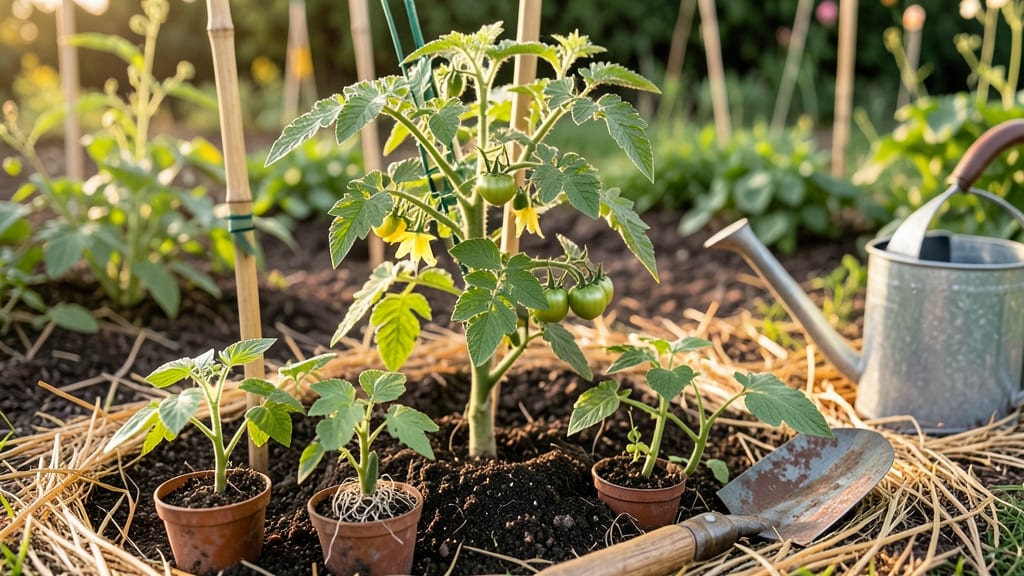
Planting tomatoes with cucumbers isn't just smart gardening—it's a science-backed duo that boosts flavor, yield, and pest resistance. 🌱 I learned this the hard way after my tomatoes struggled with aphids until I tucked cucumber plants nearby.
The cucumbers' strong scent repels pests while their sprawling vines create shade that keeps tomato soil cooler. This pairing thrives when you give them 3-4 feet of space between plants and use a sturdy trellis for cucumbers.
The trellis keeps vines off tomato leaves, preventing disease spread while maximizing vertical space. My 20-square-foot plot now produces enough tomatoes for sauces and slicing plus bushels of cucumbers for pickling—without crowding. You'll notice tomatoes ripen faster and cucumbers stay crisp longer when grown together.
The key is well-draining soil rich in compost and consistent watering at the base. Avoid overhead sprinklers to prevent fungal issues that plague both plants. For small spaces, try interplanting with cucumbers at the base of tomato plants. Just watch for cucumber vines overtaking tomatoes—regular pruning keeps the balance perfect.
This combo works in containers too if you choose compact varieties.
📚 In This Guide
- What you need
- Instructions
- Tips and common mistakes
- Wrapping up and next steps
What you need
- ● Seeds or Seedlings: Tomato seeds/seedlings (3–5 plants, depending on space)
- ● Cucumber seeds/seedlings (5–10 plants for optimal pollination)
- ● Soil: Well-draining potting mix or garden soil (enriched with compost)
- ○ Optional: 1–2 cups of balanced fertilizer (10-10-10 or organic alternatives)
- ● Containers or Garden Space: For containers: 5-gallon pots or raised beds (minimum 12" deep)
- ● For in-ground: Full sun (6–8+ hours/day) and space (18–24" apart for tomatoes, 12–24" for cucumbers)
- ● Support Structures: Trellis, stakes, or cages (for cucumbers—indeterminate varieties need vertical support!)
- ○ Optional: Tomato cages (5–6 ft tall) or stakes with twine
- ● Watering Supplies: Watering can or hose with a gentle nozzle
- ○ Drip irrigation kit (optional but highly recommended for consistency)
- ● Mulch (straw or shredded leaves to retain moisture)
- ● Epsom salt (1 tbsp per plant monthly for magnesium boost)
- ● Companion plant markers (to track varieties)
- ● Pruning shears (for trimming excess foliage)
- ● Row covers (to protect from pests early in the season)
How to plant tomatoes and cucumbers together for maximum yield
This classic companion pairing works because tomatoes provide vertical structure while cucumbers thrive beneath their shade.
🌱 Step 1: Prepare the Planting Site for Both Crops
Choose a location with full sun exposure (6-8 hours daily) and well-draining soil. Tomatoes and cucumbers both need fertile ground rich in organic matter, so mix 2-3 inches of compost into the top 12 inches of soil. I like to add a handful of balanced fertilizer (10-10-10) at planting time to give both crops a strong start.
Test your soil's pH—both plants prefer a slightly acidic to neutral range of 6.0-6.8. If your soil is heavy clay, amend it with 1 part sand to 3 parts soil to improve drainage. The key here is creating a loose, airy environment where roots can spread freely without competing for moisture or nutrients.
🪴 Step 2: Plant Tomatoes First for Structural Support
Set tomato plants 18-24 inches apart in rows spaced 3-4 feet apart. Dig holes just deep enough to bury the stem up to one-third of the plant's height—this encourages stronger root development. I always remove the lower leaves that will be buried to prevent rot.
Install tall tomato cages (5-6 feet) or sturdy stakes immediately after planting. The reason? Cucumbers will eventually sprawl between the rows, and you want the tomato supports in place before they start climbing. Water deeply after planting to settle the soil around roots, but avoid wetting the leaves to prevent disease.
🌿 Step 3: Interplant Cucumbers Between Tomato Rows
Wait 2-3 weeks after planting tomatoes before adding cucumbers—this gives the tomato roots time to establish without competition. Plant cucumber seeds 1 inch deep and 2-3 inches apart, with rows 3 feet apart between tomato plants. For faster growth, use transplants spaced 12-18 inches apart.
Cucumbers will eventually trail between the tomato rows, creating a natural living mulch that shades the soil and retains moisture. Here's the thing—if you notice cucumber vines growing toward the tomato stems, gently weave them through the tomato cages instead. This keeps everything contained and prevents tangling.
☀️ Step 4: Maintain Water and Nutrients for Both Crops
Water the pair evenly at the base, aiming for 1-1.5 inches per week. Use drip irrigation or soaker hoses to deliver moisture directly to the roots—this prevents fungal diseases that thrive in wet foliage. I water in the morning so leaves have all day to dry, which dramatically reduces blight risk.
Side-dress with compost or balanced fertilizer every 4-6 weeks to support both crops. Tomatoes are heavy feeders, while cucumbers benefit from potassium-rich amendments. Watch for yellowing leaves—this usually means nitrogen deficiency, not enough water, or poor drainage. Adjust your approach based on what you observe.
✂️ Step 5: Prune and Train for Maximum Space Efficiency
Prune tomato suckers (the small shoots growing between the main stem and branches) regularly to direct energy into fruit production. For cucumbers, train vines along the tomato cages or use small trellises to keep them off the ground. This prevents rot and makes harvesting easier.
Real talk: if you see cucumber flowers but no fruit, hand-pollinate by gently shaking the vines in the morning. The vibration helps pollen transfer. Harvest tomatoes when they're fully colored and firm, and pick cucumbers when they reach 6-8 inches long for best flavor. Regular harvesting encourages both plants to produce more.
Tips & tricks for perfect companion planting of tomatoes and cucumbers
This pairing isn't just about space efficiency—it's a symbiotic relationship that boosts yields when done right. Here's how to maximize that potential.
Soil Preparation Secret: The 6-8 hours of full sun requirement isn't just about light—it's about heat retention. I've found that adding a 1-inch layer of straw mulch after planting helps maintain soil temperature while conserving moisture. This is especially important in Step 1 when you're mixing in compost—warm soil encourages faster root establishment for both plants. The key is creating that loose, airy environment where roots can spread without competing for resources.
Planting Timing Strategy: Those 2-3 weeks between planting tomatoes and cucumbers might seem long, but they're crucial. During this time, tomato roots establish a strong network that can support cucumber vines later. I've noticed that if you rush this step, cucumbers compete with tomatoes for nutrients, resulting in smaller yields. Use this time to install your tomato supports—it's one less thing to do later when cucumbers start sprawling.
Watering Wisdom: The 1-1.5 inches of water per week isn't just about quantity—it's about technique. I've learned the hard way that watering in the morning prevents fungal diseases that thrive in wet foliage. For even better results, consider installing a drip irrigation system that delivers water directly to the base of plants. This method also helps prevent soil compaction around roots, which is especially important for tomatoes that need good drainage.
Harvesting Hack: When harvesting tomatoes at full color and firmness and cucumbers at 6-8 inches, don't just pick—observe. I've found that harvesting cucumbers at this size encourages more production, but if you notice flowers but no fruit, try hand-pollinating by gently shaking the vines in the morning. This simple vibration helps pollen transfer, which can dramatically increase your yield. Regular harvesting also prevents overcrowding and disease spread.
Pro Tips for Planting Tomatoes With Cucumbers
- This pairing isn't just about space efficiency—it's a symbiotic relationship that boosts yields when done right.
- Soil Preparation Secret: The 6-8 hours of full sun requirement isn't just about light—it's about heat retention.
- Planting Timing Strategy: Those 2-3 weeks between planting tomatoes and cucumbers might seem long, but they're crucial.
Frequently asked questions
Got questions about growing tomatoes and cucumbers together? You’re not alone! Here are some of the most common concerns—and their answers—to help you plant with confidence.
Can tomatoes and cucumbers really grow well together?
These plants are fantastic companions. Tomatoes benefit from cucumbers’ shade (keeping soil cooler), while cucumbers thrive with tomatoes’ vertical support. Plus, both repel pests like spider mites and aphids when planted near each other. Just avoid overcrowding—they’ll compete for nutrients!
When is the best time to plant them together?
Start both after the last frost when soil is at least 60°F (15°C). For cooler climates, plant cucumbers first (they germinate faster) and tomatoes 2–3 weeks later. In warm regions, direct-sow both simultaneously. Pro tip: Use black plastic mulch to warm the soil faster!
What problems might arise from planting them together?
Watch for disease spread (like early blight) if humidity is high. Overcrowding can lead to poor air circulation, inviting pests. Solution: Space plants 18–24 inches apart, prune tomato suckers, and trellis cucumbers to improve airflow. Rotate crops next season to prevent soil-borne issues.
What if I don’t have space for both? Are there alternatives?
No problem! Try these solo or combo options:
- Tomatoes alone: Pair with basil, marigolds, or onions for pest control.
- Cucumbers alone: Plant with radishes, lettuce, or beans—they’re great shade companions.
- Space-savers: Use vertical gardening (trellises for both) or container gardening with dwarf varieties.
How do I keep pests away from both plants?
Companion planting helps, but add these tricks:
- Spray neem oil weekly for aphids/spider mites.
- Plant nasturtiums nearby—they distract pests from your veggies!
- Handpick squash bugs or cucumber beetles early.
- Use row covers for young plants to deter flying insects.
Wrapping up and next steps
Planting tomatoes with cucumbers isn’t just a clever gardening trick—it’s a game-changer for your harvest! 🌱 These dynamic duo companions deter pests, maximize space, and boost flavor, making your garden both thriving and low-maintenance.
Whether you’re a seasoned gardener or just starting, this pairing proves that teamwork in the soil leads to bigger, happier yields.
Ready to grow the magic? Start small—try a single tomato plant with a few cucumbers in a container or plot—and watch your confidence (and harvest) flourish! 🌿