
Vegetables
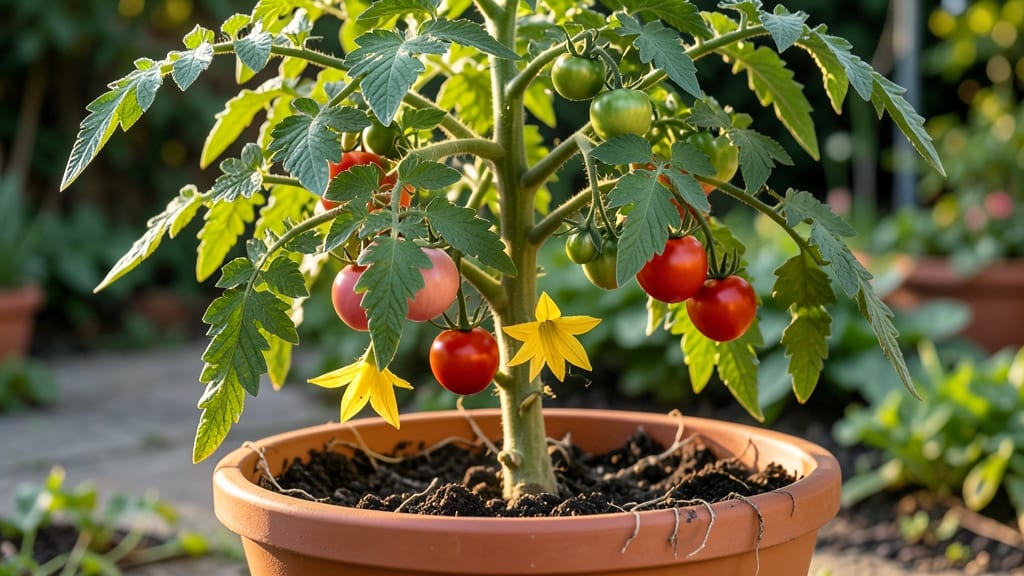
Growing tomatoes in pots delivers the same bursting flavor as in-ground plants—if you pick the right varieties and follow these container-specific rules. 🌱 I’ve grown cherry tomatoes on my fire escape that rivaled my backyard harvests, and the secret isn’t luck—it’s matching plant size to pot size, soil to roots, and sunlight to ripening needs.
The biggest mistake? Using regular garden soil or small pots. Your container mix should drain fast, hold moisture without drowning roots, and include organic matter like compost or worm castings.
A 5-gallon pot works for bush varieties, while indeterminate types need 10+ gallons—or you’ll end up with stunted plants and fewer tomatoes. By mid-summer, you’ll be harvesting sweeter, more concentrated tomatoes than store-bought, with none of the soil-borne diseases that plague in-ground gardens.
The key is consistent watering (deep soaks, not light sprinkles) and pruning to focus energy on fruit, not leaves. Works in balconies, rooftops, or sunny patios—even if your yard is just a postage stamp. Let’s get those pots planted right.
📚 In This Guide
- What you need
- Instructions
- Tips and common mistakes
- Wrapping up and next steps
What you need
- ● Tomato plants: 1-3 disease-resistant varieties (e.g., 'Cherry Tomatoes,' 'Beefsteak,' or 'Roma') per container. Choose determinate (bush) or indeterminate (vining) types based on your space.
- ● Containers: 5-gallon pots or larger (minimum 12-18 inches deep and 18-24 inches wide). Ensure pots have drainage holes.
- ● High-quality potting mix: 1 bag (1-2 cubic feet) of lightweight, well-draining mix (avoid garden soil). Add compost or worm castings for nutrients.
- ● Fertilizer: Balanced fertilizer: 10-10-10 or 5-5-5 (follow package rates for application).
- ● Organic option: Fish emulsion, seaweed extract, or tomato-specific fertilizer.
- ● Support system: For indeterminate varieties: 1 6-8 ft tall stake or cage per plant.
- ● For determinate varieties: 1 3-4 ft stake or tomato cage per plant.
- ● Gloves & trowel: For planting and soil prep.
- ● Watering can or hose with nozzle: Use a gentle spray to avoid disturbing soil.
- ● Mulch: Straw or shredded leaves (1-2 inches thick) to retain moisture.
- ● Pruning shears: For trimming suckers and dead leaves.
- ○ Optional: Self-watering pot (for consistent moisture).
- ● Grow lights (if indoors or low sunlight).
- ● Drip irrigation kit (for automated watering).
Step-by-step instructions for growing pot grown tomatoes
Here’s how to coax sweet, juicy tomatoes from containers—no yard required.
🪴 Step 1: Choose the Right Containers and Soil Mix
Tomatoes need 5-gallon containers minimum for each plant—larger pots yield bigger fruit. I use fabric grow bags because they prevent root circling and allow excess moisture to evaporate. Fill each with a sterile potting mix blended with 20% perlite or vermiculite for aeration. Avoid garden soil—it compacts in containers and suffocates roots.
Moisten the mix until it feels like a damp sponge—squeeze a handful and watch it hold together without dripping. If your mix is too dense, add an extra handful of perlite. The goal is loose, fluffy soil that water can penetrate easily. I always pre-moisten before planting to prevent transplant shock.
🌱 Step 2: Plant Seedlings at the Correct Depth and Stake Early
Dig a hole deep enough to bury the stem up to one-third of the plant’s height—this encourages stronger root growth. Gently tease the roots apart if they’re circling the root ball. Place a 6-foot bamboo stake or tomato cage in the hole before adding the plant, then fill soil around it, pressing lightly to remove air pockets.
Don’t skip staking! Tomatoes grow top-heavy, and wind or fruit weight will snap stems without support. I tie the main stem to the stake with soft plant ties, leaving room to adjust as the plant grows. Water deeply right after planting to settle the soil and encourage root expansion.
☀️ Step 3: Provide Full Sun and Controlled Watering
Tomatoes crave 6-8 hours of direct sun daily. A south-facing spot delivers the best results, but if you’re short on sunlight, supplement with a grow light positioned 4-6 inches above the plants for 14-16 hours daily. Without enough light, plants grow leggy and produce small, bland fruit.
Water deeply every 2-3 days—until water runs out the drainage holes. Let the top 1-2 inches of soil dry between waterings to prevent blossom-end rot. I water in the morning to reduce evaporation and fungal risks. Mulch with 2-3 inches of straw to retain moisture and keep roots cool.
✂️ Step 4: Prune and Fertilize for Maximum Yield
Pinch off suckers—the little shoots that grow in the leaf axils—when they’re less than 2 inches long. This directs energy to fruit production instead of leaf growth. I prune every 1-2 weeks during the growing season, always keeping the main stem strong and removing only the smallest suckers first.
Feed plants every 2-3 weeks with a balanced liquid fertilizer (10-10-10 or 5-5-5) diluted to half strength. Stop fertilizing 4-6 weeks before harvest to let flavors concentrate. Watch for yellowing leaves—a sign of over-fertilization or nutrient burn. Adjust watering if leaves curl or wilt.
🍅 Step 5: Harvest at Peak Ripeness for Best Flavor
Harvest tomatoes when they’re fully colored and slightly soft to the touch. Green tomatoes can ripen indoors on a windowsill, but they’ll never taste as sweet as vine-ripened fruit. I twist gently to avoid damaging the stem—no need to cut unless the fruit is overripe.
Store harvested tomatoes at room temperature for up to 2 weeks. Refrigerating them turns the starches to sugar too quickly, dulling flavor. For continuous harvests, prune spent flowers and keep the plant well-watered. A single container-grown tomato plant can yield 20-30 pounds of fruit with proper care.
Tips & tricks for perfect pot grown tomatoes
Between us, container gardening can feel like a guessing game—until you know these game-changers. Here's what nobody tells you about maximizing your tomato harvest in pots.
Container Size Matters: While 5-gallon containers are the minimum, I always opt for 7-gallon fabric pots when possible. The extra space gives roots room to spread, which translates to bigger fruit and more robust plants. If you're working with limited space, choose determinate varieties—they stay compact and produce fruit earlier than indeterminate types. The root-to-fruit ratio is everything in containers.
Soil Science Secret: That 20% perlite or vermiculite isn't just for aeration—it's your moisture regulator. I like to add a handful of worm castings to the mix for natural nutrients and microbial activity. The key is creating that perfect sponge-like texture where water drains but doesn't pool. Think of your container soil as a high-rise apartment building for roots—everyone needs their own space and proper ventilation.
Sunlight Strategy: Those 6-8 hours of direct sun? That's your non-negotiable. But here's the thing: morning sun is your best friend. The intense afternoon rays can actually scorch leaves in containers where roots can't absorb enough water to cool the plant. If you're supplementing with grow lights, position them just 4-6 inches above the plants and run them for 14-16 hours daily. The light spectrum matters too—full-spectrum LED grow lights mimic natural sunlight best.
Pruning Precision: When you're pinching off those suckers less than 2 inches long, you're not just tidying up—you're redirecting the plant's energy. I've found that keeping just 2-3 main stems (instead of letting it grow wild) actually increases fruit size and quality. And here's a pro move: remove any leaves that touch the soil to prevent disease. Think of your tomato plant like a CEO—you're helping it focus on its core business: producing fruit, not growing unnecessary branches.
Pro Tips for Pot Grown Tomatoes
- Between us, container gardening can feel like a guessing game—until you know these game-changers.
- Container Size Matters: While 5-gallon containers are the minimum, I always opt for 7-gallon fabric pots when possible.
- Soil Science Secret: That 20% perlite or vermiculite isn't just for aeration—it's your moisture regulator.
Frequently asked questions
Got questions about growing juicy, homegrown tomatoes in pots? You’re not alone! Here are answers to the most common queries to help you cultivate like a pro.
How big should my pot be for growing tomatoes?
For pot grown tomatoes, aim for at least 5 gallons per plant—bigger is better! Dwarf varieties thrive in 1-gallon pots, while indeterminate types need 10+ gallons to support sprawling vines. Use lightweight fabric pots for easier mobility and better drainage.
When is the best time to plant pot-grown tomatoes?
Wait until after the last frost (when soil temps hit at least 60°F) and nighttime temps stay above 55°F. Start seeds indoors 6–8 weeks before transplanting, or buy sturdy seedlings from a nursery. Pot grown tomatoes love warmth—rush them too soon, and they’ll sulk!
How often should I water pot-grown tomatoes?
Check soil moisture daily—pots dry out fast! Water deeply every 1–2 days in hot weather, ensuring water reaches the roots. Let the top inch dry between waterings, and avoid wetting leaves to prevent disease. Mulch helps retain moisture and keeps roots cool.
Why aren’t my pot-grown tomatoes ripening?
Blame cool temps, poor light, or overcrowding. Tomatoes need 6–8 hours of sunlight daily and temps above 70°F to ripen. Move pots to a sunnier spot, prune for airflow, and fertilize with low-nitrogen, high-phosphorus feed (like 5-10-10) to boost fruiting.
Can I grow tomatoes in pots without a greenhouse?
Use self-watering containers or place pots on a drip irrigation system for consistency. In cooler climates, black plastic pots absorb heat, or wrap pots in bubble wrap for extra warmth. Just harden off seedlings before moving them outside to avoid shock.
Wrapping up and next steps
Growing pot-grown tomatoes isn’t just a rewarding hobby—it’s a gateway to homegrown flavor that beats store-bought every time! 🌱 Whether you’re a beginner or a seasoned gardener, the key lies in choosing the right containers, nurturing your plants with care, and embracing the patience of the process.
With these container cultivation secrets, you’re well on your way to harvesting juicy, vine-ripened tomatoes that taste like sunshine.
Ready to take the next step? Start small—try a single cherry tomato or heirloom variety this season, and let your confidence (and harvest!) grow. Before you know it, you’ll be experimenting with flavors, sharing your bounty, and maybe even expanding your garden. Happy growing—your taste buds will thank you! 🍅✨