
Vegetables
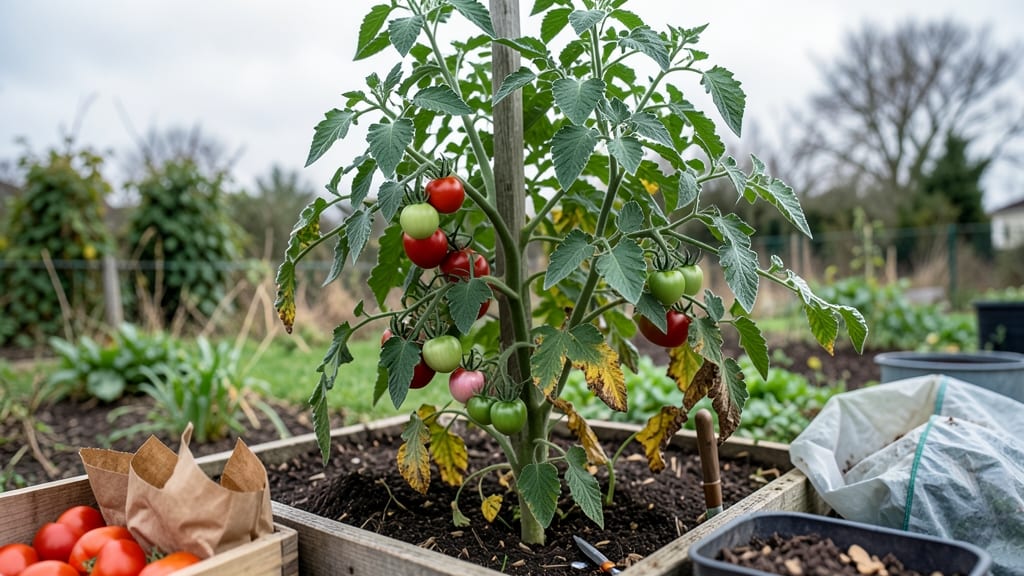
Your green tomatoes won’t go to waste—what to do with end of the season green tomatoes is how to turn them into 5 savory preserves that taste like summer all winter. 🌱 I’ve saved hundreds of pounds of unripe tomatoes over the years, and these methods guarantee no spoilage, no pests, and zero regret when frost hits.
The key is acting fast: harvest before the first hard freeze, then choose your preservation path based on how you’ll use them later. Freezing is simplest for quick salsas, fermenting builds tangy depth, and canning lets you make sauces that last for months.
Even dried green tomatoes keep surprisingly well when done right—think crispy chips or powdered seasoning. You’ll end up with pantry staples that outshine store-bought: smoky salsa verde, bright green tomato jam, zesty relish, herb-infused oil, and freezer-friendly salsa.
Each method preserves flavor while transforming those tough green tomatoes into something delicious. Works for any garden harvest, from backyard vines to farmers' market finds. Let’s save your crop before it’s too late!
📚 In This Guide
- What you need
- Instructions
- Tips and common mistakes
- Wrapping up and next steps
What you need
- ● Green tomatoes: 1–2 lbs (or as many as you have!), firm and unblemished
- ● Salt: 1–2 tbsp (kosher or sea salt for best flavor)
- ● Water: 1–2 cups (for boiling or brining)
- ● Vinegar: 1 cup (white vinegar or apple cider vinegar for tang)
- ● Sugar: 1–2 cups (white or brown sugar, adjust to taste)
- ○ Garlic: 2–3 cloves (minced or sliced, optional but recommended)
- ● Fresh herbs: 1 tbsp (thyme, oregano, or basil for aroma)
- ● Spices: Black peppercorns, bay leaves, or red pepper flakes (to taste)
- ● Large pot: 4–6 quart capacity (for boiling tomatoes)
- ● Colander: For draining tomatoes
- ● Knife & cutting board: Sharp chef’s knife for slicing
- ● Jars: 4–8 clean, sterilized pint or half-gallon mason jars (with lids)
- ● Tongs or jar lifter: For handling hot jars
- ● Measuring cups/spoons: For precise ingredient ratios
- ● Slotted spoon: For removing tomatoes from boiling water
- ● Citrus zest: Lemon or lime for brightness
- ● Hot sauce or chili powder: For a spicy kick
- ● Onions: Thinly sliced for depth of flavor
- ● Food processor: For quick chopping if slicing by hand feels tedious
- ● Canning kit: If you plan to preserve for long-term storage
Step-by-Step methods for preserving green tomatoes
When frost threatens but your tomatoes stay stubbornly green, these five preservation techniques turn disappointment into delicious rewards.
🌱 Step 1: Choose the Right Green Tomatoes
Select firm, unblemished green tomatoes with no soft spots or wrinkles. Overripe or bruised fruit won’t preserve well and can spoil entire batches. I always test one tomato first by slicing it open—if the seeds are still white and the flesh is crisp, the rest of the batch is ready for processing.
Remove the stems and wash only if visibly dirty. Pat them dry with paper towels to prevent moisture buildup during storage. For best results, process tomatoes within 24 hours of harvest to preserve texture and flavor.
💧 Step 2: Prepare for Preservation
Cut tomatoes into ½-inch slices or ¼-inch dice depending on your chosen method. For whole tomatoes, blanch them in boiling water for 3-5 minutes to soften slightly before preserving. I like to sprinkle a pinch of salt over the cut pieces to draw out excess moisture, which helps prevent mold during storage.
Sterilize your jars and lids by boiling them in water for 10 minutes. Hot-packing (adding sterilized ingredients to hot jars) is critical for long-term preservation. Keep processed tomatoes in a pot of simmering water until you’re ready to fill the jars to maintain their temperature.
☀️ Step 3: Select Your Preservation Method
For fermented green tomatoes, pack slices into jars with a 3% brine solution (3 tablespoons salt per quart of water) and weight them down to keep submerged. Fermentation takes 3-4 weeks in a dark, 65-75°F space. You’ll know it’s ready when bubbles form and the liquid turns cloudy.
For fried green tomatoes, slice into ¼-inch rounds, dip in seasoned flour, and fry in 350°F oil until golden. Serve immediately or freeze for later use. For green tomato relish, combine diced tomatoes with vinegar, sugar, and spices, then process in a hot water bath for 15 minutes.
✂️ Step 4: Store Properly for Long-Term Use
If canning, process sealed jars in a boiling water bath for the recommended time based on altitude. High-altitude areas require longer processing. For freezing, pack tomatoes into airtight containers or heavy-duty freezer bags, leaving ½-inch headspace to prevent ice crystals from rupturing the jars.
Label each container with the date and method used. Most preserved green tomatoes stay fresh for 6-12 months in the freezer or 1-2 years in a pantry if processed correctly. Check for mold or off odors before using—discard any questionable containers immediately.
🌿 Step 5: Use or Enjoy Your Preserves
Fermented green tomatoes shine in sandwiches, salads, or as a tangy condiment. Fried slices make a crispy, zesty side dish perfect for burgers or grilled meats. Relish adds brightness to hot dogs, deviled eggs, or even as a topping for baked potatoes.
For a quick fix, roast frozen slices at 400°F for 20-25 minutes until tender. The key is to use them before the texture breaks down—most preserved green tomatoes taste best within 6 months of processing for peak flavor and quality.
Tips & tricks for perfect green tomato preservation
These game-changing techniques ensure your end-of-season harvest stays delicious for months—no wasted tomatoes here.
Selection Matters: The crispness test in Step 1 is non-negotiable. I once ruined a whole batch by using slightly soft tomatoes that turned mushy during fermentation. Look for firm flesh that springs back when pressed—this guarantees your preserves will maintain their texture through storage.
Blanching Secret: When blanching whole tomatoes for 3-5 minutes in Step 2, use a slotted spoon to remove them immediately when they float to the surface. This prevents overcooking that turns them mealy. The slight softening just helps them absorb flavors better during preservation.
Fermentation Temperature Control: That 65-75°F range in Step 3 isn't just arbitrary—it's the Goldilocks zone for fermentation. Too cold slows the process, too hot encourages bad bacteria. I keep my jars on a pantry shelf away from direct sunlight and check daily for any temperature fluctuations, especially in summer kitchens.
Storage Space Strategy: For long-term pantry storage, use dark glass jars to block light that degrades flavor. I always store my preserved tomatoes in a cool basement corner where temperatures stay steady. Label each jar with both the date and preservation method—this saves headaches when you're reaching for that perfect relish months later.
Pro Tips for What To Do With End Of Season Green Tomatoes
- These game-changing techniques ensure your end-of-season harvest stays delicious for months—no wasted tomatoes here.
- Selection Matters: The crispness test in Step 1 is non-negotiable.
- Blanching Secret: When blanching whole tomatoes for 3-5 minutes in Step 2, use a slotted spoon to remove them immediately when they float to the surface.
Frequently asked questions
Can I still eat green tomatoes raw?
Green tomatoes are perfectly safe (and delicious) to eat raw—they’re packed with tangy flavor and a crisp texture. Try slicing them into salads, pickling them, or serving them with dips like ranch or salsa. Just avoid eating unripe tomatoes from plants treated with certain pesticides (like those on the EWG’s Dirty Dozen list) unless washed thoroughly.
How long do green tomatoes last before they spoil?
Stored in a cool, dark place (like a pantry or basement), green tomatoes can last 2–4 weeks. For longer storage, refrigerate them in a paper bag (not plastic) to slow ripening. If they start to wrinkle or develop soft spots, they’re past their prime—time to preserve them before they spoil!
What’s the best way to ripen green tomatoes indoors?
Place them in a paper bag with a ripe banana or apple (ethylene gas speeds ripening). Store the bag in a warm spot (like near a sunny window) and check daily. Most tomatoes will turn pink or red in 3–7 days. Avoid plastic bags—condensation can cause mold.
Can I freeze green tomatoes without cooking them first?
Yes! Wash, dry, and slice them before freezing on a tray lined with parchment paper. Once solid (after 1–2 hours), transfer slices to a freezer bag. Use within 6–12 months for best quality. Thaw in the fridge overnight before cooking to avoid mushiness.
What if my tomatoes turn moldy before I can use them?
Toss any moldy tomatoes immediately—the mold releases spores that can contaminate other produce. To prevent this, harvest frequently, store in a well-ventilated area, and avoid overcrowding in containers. If you have a small amount of mold, cut away the affected area (with 1 inch of healthy tissue) and use the rest in cooked dishes like sauces or soups.
Do green tomatoes need to be peeled before canning?
Nope! Unlike ripe tomatoes, green tomatoes don’t require peeling before canning. Their skins hold up well to heat processing. Just wash them thoroughly, remove the stems, and proceed with your recipe. For extra safety, use a pressure canner for green tomato salsa or sauce (pH levels are lower in unripe tomatoes).
Wrapping up and next steps
Don’t let those end-of-season green tomatoes go to waste—your kitchen (and taste buds!) will thank you. Whether you fry them up for a crispy snack, preserve them in salsa, or turn them into sauces, every method transforms them into something delicious.
With a little effort, you’ll enjoy the flavors of summer long after the harvest ends!
Ready to put your new skills to use? Grab those tomatoes, pick your favorite recipe, and start preserving today! 🌱✨