
Vegetables
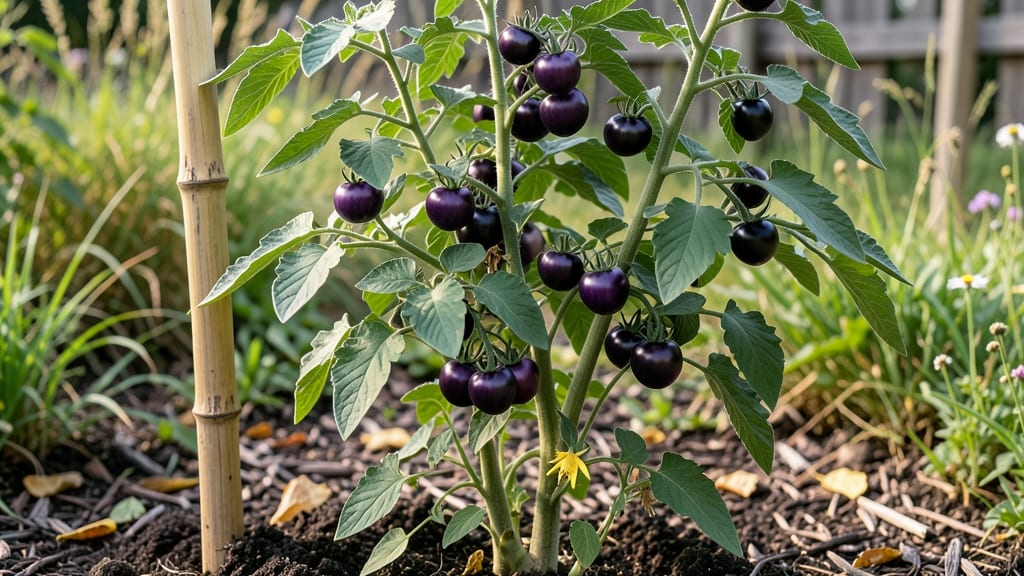
Those purple-striped "Bumble Bee" tomatoes look like something from a fantasy garden—but they grow just as reliably as any heirloom. 🌱 I’ve grown them for three summers now, and they’ve become my go-to for cool-season gardens, producing bold, flavorful pods even when regular tomatoes struggle.
The secret isn’t fancy—it’s timing, soil, and a little patience with their unique growth habits.
These tomatoes thrive where others falter, especially in Zone 4-6 climates or early spring plantings. They need full sun (6+ hours daily) and well-draining soil rich in compost—think of it as a foolproof combo of heirloom drama and cold-hardy resilience.
The striped fruits ripen to a deep red with purple streaks, bursting with a sweet-tart flavor that’s perfect for slicing or sauces.
You’ll harvest 60-80 days after transplanting, with plants staying productive for weeks. The key? Consistent watering (1-1.5 inches per week) and pruning suckers to focus energy on fruit. Even my black thumb can’t kill these—they’re the underdog tomatoes that deliver big rewards with minimal fuss.
Works in containers or in-ground, and their striking appearance makes them a conversation starter at farmers' markets. Ready to grow something unexpected? Let’s get those seeds in the ground!
📚 In This Guide
- What you need
- Instructions
- Tips and common mistakes
- Wrapping up and next steps
What you need
- ● Seeds or Seedlings: 3–5 Purple Bumble Bee tomato seeds (or young plants if starting from nursery stock).
- ● Containers or Garden Bed: Containers: 5-gallon pots or larger (at least 12" deep) with drainage holes.
- ● Garden Bed: Well-draining soil in a sunny spot (6+ hours of light daily).
- ● Potting Mix: High-quality, sterile seed-starting mix or organic garden soil (avoid heavy clay).
- ● Fertilizer: Balanced, low-nitrogen fertilizer (e.g., 5-10-10) or compost for organic growth.
- ● Support: 4–6 ft tomato cages or sturdy stakes (for indeterminate vines).
- ● Basic Tools: Trowel, pruning shears, and watering can (or hose with gentle nozzle).
- ○ Optional (But Helpful): Mulch (straw or shredded leaves) to retain moisture.
- ● Drip irrigation kit for consistent watering.
- ● Row cover or frost cloth (if growing in cool climates).
- ● pH test kit (ideal soil pH: 6.0–6.8).
Step-by-step instructions for growing purple Bumble Bee tomatoes
This striking heirloom thrives where others falter—here's how to coax bold purple-streaked fruit from cool-season plants.
🌱 Step 1: Start Seeds Indoors 6-8 Weeks Before Last Frost
Purple Bumble Bee tomatoes germinate best at 75-85°F, so I use a seedling heat mat to maintain consistent warmth. Fill 2-3 inch deep biodegradable pots with sterile seed-starting mix—this variety's roots are sensitive to soil-borne diseases, so never reuse containers.
Plant 2 seeds per pot at a depth of ¼ inch, then cover lightly with mix. Mist the surface until evenly moist but not soggy. The key here is patience: germination takes 7-14 days, sometimes longer in cooler homes. Once sprouts appear, thin to the strongest seedling—twisting gently to avoid disturbing roots.
Here's the thing—these seeds often take longer than commercial varieties. Don't give up after a week. Check daily for moisture; the soil should stay consistently damp but never waterlogged. You'll know you're on track when the first true leaves appear, about 2-3 weeks after germination.
☀️ Step 2: Provide Cool-Season Light and Temperature
Purple Bumble Bee tomatoes despise heat—ideal daytime temps are 65-75°F, with nights no warmer than 60°F. A south-facing window rarely provides enough light, so I use a full-spectrum LED grow light on a 14-hour daily cycle.
Position the light 2-4 inches above seedlings and raise it gradually as plants grow. You'll see leggy growth if the light's too far away—watch for stems stretching toward it with widely spaced leaves. When seedlings develop 4-6 true leaves, it's time to harden them off.
This variety's unique purple streaks develop best with moderate sunlight exposure. Too much direct sun can bleach the color, so I recommend partial shade cloth during peak afternoon hours in hotter regions. The goal is vibrant, bold stripes—not washed-out fruit.
🪴 Step 3: Transplant After All Frost Risk Has Passed
Choose a location with 6+ hours of morning sun and afternoon shade if your climate runs hot. Purple Bumble Bee tomatoes need well-draining soil with pH 6.0-6.8—amend heavy clay with 2-3 inches of compost and a handful of perlite per planting hole.
Dig holes twice as wide as the root ball but no deeper. Gently remove the seedling from its pot, tease the roots outward, and place it in the hole so the top of the root ball sits ½ inch below soil level. This variety's compact growth habit means you can space plants 18-24 inches apart—closer than most heirlooms.
Water deeply immediately after transplanting to settle the soil and eliminate air pockets. You'll know the roots are establishing when new leaves appear 7-10 days later. Mulch with 2-3 inches of straw to retain moisture and regulate soil temperature—critical for maintaining those signature purple stripes.
💧 Step 4: Maintain Consistent Moisture and Support
Purple Bumble Bee tomatoes need 1-1.5 inches of water weekly, delivered at the base to prevent fungal diseases. I use drip irrigation to keep foliage dry—wet leaves encourage early blight, which this variety is particularly susceptible to.
Install 6-foot tall tomato cages at planting time. This compact variety rarely exceeds 4 feet, but the indeterminate growth habit means you'll need to gently weave new stems through the cage as they emerge. Prune suckers (the shoots that form in the leaf axils) to direct energy into fruit production.
Here's where it gets fun—the purple streaks intensify with proper care. Harvest when tomatoes reach 2-3 inches in diameter for peak flavor. The color will darken as they ripen, but don't wait too long—these tomatoes soften quickly once picked. You'll know they're ready when the stripes turn deep purple and the fruit yields slightly to gentle pressure.
Tips & tricks for perfect purple Bumble Bee tomatoes
These cool-season growing secrets will help you cultivate vibrant, striped tomatoes that outshine conventional varieties.
Germination Patience: The 7-14 day germination window for Purple Bumble Bee seeds is longer than commercial varieties, so resist the urge to replant. Maintain consistent moisture by misting daily—your soil should feel like a damp sponge, not a soggy mess. I've found that using a humidity dome over seed trays can cut germination time by 2-3 days in cooler homes.
Light Positioning: When using LED grow lights, position them just 2-4 inches above seedlings initially, then raise gradually as plants grow. Watch for leggy stems with widely spaced leaves—the classic sign your lights are too far away. I adjust mine weekly by simply sliding the light fixture up as new leaves appear. This prevents the "reaching" habit that weakens stems before transplanting.
Color Preservation: Those signature purple stripes develop best with moderate sunlight exposure. In hotter climates, use partial shade cloth during peak afternoon hours (1-4 PM) to prevent color bleaching. I've noticed the most vibrant stripes appear when plants receive morning sun and afternoon shade—this balance is key for maintaining that dramatic purple hue throughout the season.
Transplanting Technique: When transplanting, tease the roots outward rather than planting the root ball intact. This encourages faster establishment in the garden soil. I also like to water the transplant hole thoroughly before placing the seedling—this helps settle the soil around delicate roots and eliminates air pockets that can strangle young plants.
Pro Tips for Purple Bumble Bee Tomato
- These cool-season growing secrets will help you cultivate vibrant, striped tomatoes that outshine conventional varieties.
- Germination Patience: The 7-14 day germination window for Purple Bumble Bee seeds is longer than commercial varieties, so resist the urge to replant.
- Light Positioning: When using LED grow lights, position them just 2-4 inches above seedlings initially, then raise gradually as plants grow.
Frequently asked questions
Got questions about growing Purple Bumble Bee tomatoes? You’re not alone! Here are some of the most common queries—plus quick, actionable answers to help you cultivate these striking striped beauties with confidence.
How long does it take for Purple Bumble Bee tomatoes to ripen?
These tomatoes typically mature in 70–80 days from transplanting, depending on your climate. In cooler regions, expect a slightly longer season (think late summer to early fall). For faster results, start seeds indoors 6–8 weeks before the last frost and provide consistent warmth.
Can Purple Bumble Bee tomatoes grow in containers?
These compact plants thrive in 5-gallon containers or larger with proper drainage. Use a lightweight potting mix and support them with a cage or stake. Just ensure they get 6–8 hours of sunlight daily—containers heat up faster, so monitor soil moisture closely.
What should I do if my Purple Bumble Bee tomatoes crack?
Cracking often happens with uneven watering (too much after drought) or rapid growth. To prevent it:
- Water deeply and consistently (1–1.5 inches per week).
- Mulch around the base to retain moisture.
- Harvest early if pods start splitting—use them in sauces or salads before they overripe.
Are Purple Bumble Bee tomatoes heat-tolerant?
While they handle cool climates beautifully, prolonged heat (90°F+) can stress them, causing blossom drop or poor fruit set. If you’re in a hot zone:
- Plant in partial shade during peak afternoon heat.
- Use shade cloth (30–50%) if temps soar.
- Consider succession planting in early spring or fall for better yields.
What’s the best way to store Purple Bumble Bee tomatoes?
These tomatoes are best eaten fresh but can last 3–5 days at room temperature if unripe. For longer storage:
- Ripen on the vine or in a paper bag with a banana (ethylene gas speeds ripening).
- Refrigerate only after fully ripe (cold harms texture)—store in a ventilated container for up to 1 week.
- Freeze for sauces by blanching and removing skins/seeds first.
Still stumped? Drop your question in the comments—we’re happy to help you grow a bountiful harvest of these showstopping pods!
Wrapping up and next steps
Growing Purple Bumble Bee tomatoes isn’t just about adding a striking visual to your garden—it’s a rewarding journey that yields delicious, flavorful fruit even in cooler climates! 🌱 Their unique purple-and-yellow stripes make them a standout, while their resilience proves that bold flavors aren’t limited to warm summers.
Whether you're a seasoned gardener or a curious beginner, these tomatoes are a fantastic choice to experiment with and enjoy.
Ready to take the next step? Start with a few seeds or seedlings this season and watch your garden transform into a vibrant, productive space. Share your harvest with friends or savor the satisfaction of growing something truly special—your future meals (and Instagram feed!) will thank you. 🍅✨