
Vegetables
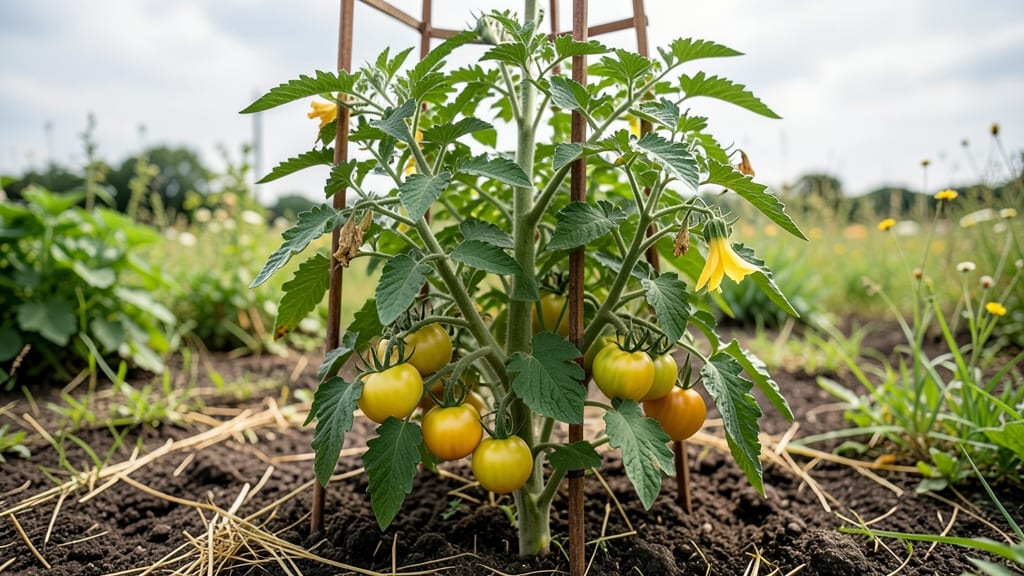
Growing Amish Gold tomatoes means harvesting boldly striped, honey-sweet fruits that outshine most store-bought varieties—and they actually prefer cooler summers. 🌱 I learned the hard way that this heirloom thrives where other tomatoes wilt, like my Pacific Northwest garden where 80°F days are the norm.
The key? Planting early, managing heat stress, and giving them the right balance of sun and shade.
These tomatoes demand rich, well-draining soil packed with compost (think: 50% topsoil, 30% compost, 20% perlite). They’re indeterminate, so stake them early—6-foot cages work best—and prune aggressively to focus energy on fruit, not foliage.
The striped skin isn’t just pretty; it’s a sign of their unique flavor, somewhere between a pear and a classic beefsteak tomato.
Watering is where most gardeners stumble: deep soaks twice a week prevent cracking (a common issue), but avoid wetting leaves to dodge blight. You’ll know you’re doing it right when vines burst with golden-yellow fruit by mid-summer, each one a conversation starter at picnics.
The harvest keeps coming until frost, with some varieties even ripening in containers if your space is limited.
Here’s the secret sauce: harvest early when the stripes first appear—they’ll keep ripening off the vine. Store them at room temp for peak flavor, and save seeds from your best tomatoes for next year.
This isn’t just a tomato; it’s a flavor experience that turns skeptics into converts. Ready to grow yours?
📚 In This Guide
- What you need
- Instructions
- Tips and common mistakes
- Wrapping up and next steps
What you need
- ● Seeds or Seedlings: 10-20 Amish Gold tomato seeds (or 3-5 healthy seedlings from a nursery)
- ● Growing Containers or Garden Space: 5-gallon pots (if container gardening) OR
- ● Well-draining soil in a raised bed or open garden (pH 6.0–6.8)
- ● Soil Amendments: 2–3 cups compost or aged manure per planting hole
- ● 1 tbsp balanced fertilizer (10-10-10) or organic tomato food
- ● Support Structures: 1–2 cages (5–6 ft tall) or trellis per plant (for indeterminate growth)
- ● Watering Supplies: Watering can or drip irrigation system
- ● Basic Gardening Tools: Trowel or hand shovel
- ● Pruning shears (for trimming suckers)
- ○ Optional (But Helpful) Extras: Mulch (straw or black plastic) to retain moisture
- ● Row covers (for early-season frost protection)
- ● pH testing kit (to monitor soil acidity)
Step-by-step instructions for growing Amish Gold tomatoes
Here's the method I trust for growing these striking, cool-climate tomatoes—bold stripes and all.
🌱 Step 1: Start Seeds Indoors 8-10 Weeks Before Last Frost
Amish Gold tomatoes germinate best at 75-85°F, so I use a seedling heat mat to maintain consistent warmth. Fill 2-3 inch deep biodegradable pots with sterile seed-starting mix—never garden soil, which can harbor diseases that weaken seedlings. Plant 2 seeds per pot at a depth of ¼ inch, just below the surface. Cover lightly with additional mix and mist gently until evenly moist.
Place pots in a humidity dome or cover with plastic wrap to retain moisture, but remove it immediately once 50% of seeds sprout to prevent damping-off. You'll see the first true leaves—small, oval, and deep green—emerge within 7-10 days. This is your cue to move seedlings under grow lights for 14-16 hours daily to prevent leggy growth.
☀️ Step 2: Harden Off and Transplant After All Frost Risk Passes
Two weeks before your last frost date, begin hardening off seedlings by placing them outside in a sheltered spot for 1-2 hours the first day. Gradually increase outdoor time by 1 hour daily until they can tolerate a full day outside. Watch for wilting or leaf scorch—this means they're not ready yet. Amish Golds handle cooler temperatures better than most heirlooms, but they still need time to adjust.
Transplant after soil reaches 60°F and nighttime temperatures stay above 50°F. Dig holes twice as wide as the root ball to encourage root spread, and space plants 24-36 inches apart—they produce large, beefsteak-style fruits that need room. Bury stems one-third deeper than they were in pots to promote stronger root systems.
💧 Step 3: Water Deeply and Mulch to Retain Moisture
Water deeply 1-2 times per week, aiming for 1-1.5 inches of water per week—more in extreme heat. Amish Golds are drought-tolerant once established, but consistent moisture prevents blossom-end rot, a common issue with heirlooms. Water at the base of the plant in the morning to reduce fungal risks. You'll know moisture is right when the top inch of soil feels damp but not soggy.
Apply 2-3 inches of mulch (like straw or shredded leaves) around each plant to retain soil moisture and regulate temperature. Keep mulch 2 inches away from stems to prevent rot. Fertilize every 2-3 weeks with a balanced organic fertilizer (10-10-10) once flowers appear—this variety thrives with steady nutrients but resists over-fertilization.
✂️ Step 4: Prune and Support for Maximum Yield
Prune suckers—the small shoots that grow in the leaf axils—weekly to redirect energy to fruit production. Leave 1-2 main stems for better airflow and disease prevention. Install sturdy cages or stakes early, as Amish Golds can grow 4-6 feet tall with heavy fruit loads. Tie stems to supports with soft plant ties to avoid damaging the bark.
Remove yellow or diseased leaves immediately to prevent spread. When fruits reach golf-ball size, pinch off the smallest ones to encourage larger, striped tomatoes. Harvest when fully colored and slightly soft to touch—this variety ripens even in cooler weather, making it ideal for short seasons.
Tips & tricks for perfect Amish Gold tomato growth
These cool-climate secrets will help you coax out the boldest stripes and most robust yields from your Amish Gold plants.
Germination Temperature: The 75-85°F range is non-negotiable for consistent germination. I've seen seeds fail to sprout when temperatures dip below 70°F, even with heat mats. If your home runs cooler, consider using a seedling heat mat set to maintain 80°F—this creates the ideal environment for those first critical sprouts to emerge within 7-10 days.
Transplant Timing: Waiting until soil reaches 60°F and nighttime temps stay above 50°F prevents transplant shock in these cool-loving varieties. I've learned the hard way that rushing transplant can stunt growth—Amish Golds are tough but not frost-proof. Check your local frost dates and plan accordingly, giving yourself that two-week hardening-off period to acclimate seedlings gradually.
Watering Wisdom: The 1-1.5 inches per week guideline is perfect, but timing matters just as much. Morning watering prevents fungal diseases that thrive in damp evening conditions. I check soil moisture by feeling the top inch—it should feel damp like a wrung-out sponge, not bone-dry or soggy. This consistency prevents blossom-end rot while letting the plants develop their signature drought tolerance.
Pruning Strategy: Those weekly sucker removals might seem tedious, but they're what transforms a bushy plant into a high-yielding tomato factory. I leave just 1-2 main stems for maximum airflow and fruit production. When fruits hit golf-ball size, I pinch off the smallest ones—this forces the plant to put all its energy into developing fewer, larger striped tomatoes that'll impress at your farmers' market.
Pro Tips for Amish Gold Tomato
- These cool-climate secrets will help you coax out the boldest stripes and most robust yields from your Amish Gold pla...
- Germination Temperature: The 75-85°F range is non-negotiable for consistent germination. I've seen seeds fail to spro...
- Transplant Timing: Waiting until soil reaches 60°F and nighttime temps stay above 50°F prevents transplant shock in t...
Frequently asked questions
Got questions about growing Amish Gold tomatoes?
You’re not alone! This bold, striped heirloom is a favorite, but it does have its quirks—especially for cooler climates. Below, we’ve rounded up the most common queries to help you grow a bountiful harvest with confidence.
How cold can Amish Gold tomatoes tolerate?
The Amish Gold is one of the most cold-hardy tomato varieties, thriving in USDA Zones 3–10. Seedlings can handle light frosts (down to 28°F/-2°C), while mature plants tolerate brief dips to 32°F/0°C. For best results, start seeds indoors 6–8 weeks before the last frost and transplant after soil warms to 50°F/10°C. Pro tip: Use row covers early in the season to extend the growing window!
How long does it take for Amish Gold tomatoes to mature?
Expect a 75–85 day harvest window from transplanting to ripe fruit, depending on your climate. Early plantings in warm zones may fruit faster, while cooler regions might see a slightly delayed but longer harvest season. Fun fact: These tomatoes ripen all at once, so plan to can, freeze, or share extras!
Why aren’t my Amish Gold tomatoes turning red?
If your tomatoes stay green or yellow, it’s often due to cool temperatures (below 65°F/18°C) or lack of sunlight. This variety needs full sun (6+ hours/day) and warm nights to ripen properly. Try:
- Moving plants to a sunnier spot or using a cold frame.
- Harvesting green tomatoes and ripening them indoors with a paper bag + banana (ethylene trick!).
- Choosing a warmer microclimate (like near a brick wall).
Can I grow Amish Gold in containers?
These tomatoes thrive in 5-gallon containers or larger (at least 18” deep) with a trellis or cage for support. Use a lightweight potting mix with added compost, and water consistently—containers dry out faster. Key tip: Prune suckers aggressively to encourage fruit production in small spaces.
What’s the best way to use Amish Gold tomatoes?
These sweet, tangy, and meaty tomatoes shine in:
- Fresh eating (sliced on sandwiches or in salads—their stripes add flair!).
- Sauces and salsas (their low acidity balances well with herbs).
- Roasting or grilling (caramelized flavors pop when charred!).
- Canning or freezing (their thick walls hold up perfectly).
Wrapping up and next steps
Growing Amish Gold tomatoes is a rewarding experience—especially for gardeners in cooler climates! Their striking stripes, sweet flavor, and resilience make them a standout choice. Whether you're a seasoned gardener or a beginner, these tomatoes bring big rewards with minimal fuss.
Ready to dive in? Start by gathering your supplies, picking the perfect spot, and planting with confidence. Your next step? Mark your calendar, grab those seeds, and let the Amish Gold magic unfold in your garden this season! 🌱✨