
Vegetables
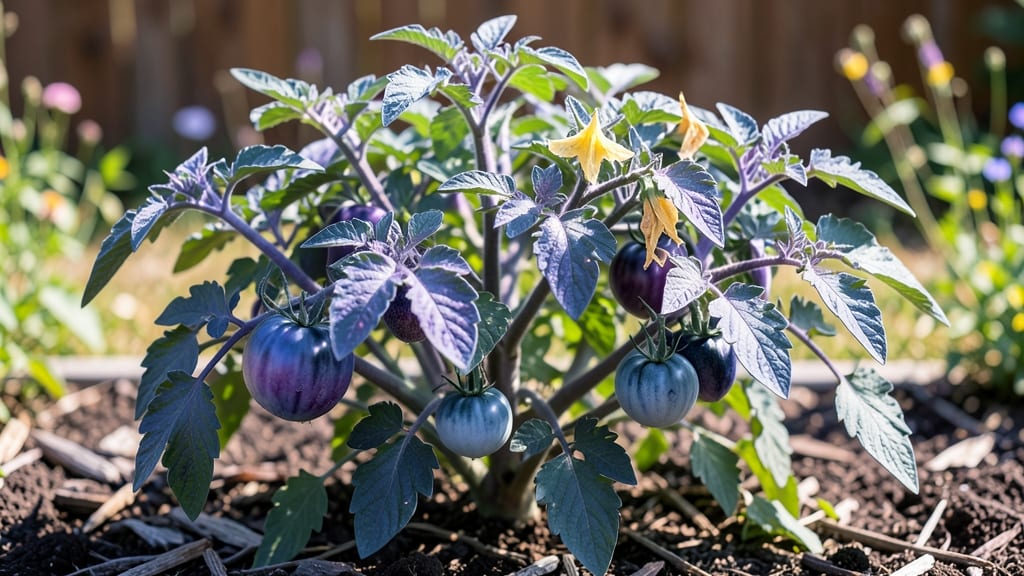
Growing real blue tomatoes like Indigo Rose is like unlocking a secret garden treasure—deep purple-blue skins that turn vibrant red when ripe, packed with antioxidants. I planted mine last spring in a 5-gallon container and still get questions about how they stay so productive in small spaces.
The key isn’t just the variety; it’s the light, soil, and a few tricks to keep those striking colors true.
These tomatoes need full sun (6-8 hours daily) and well-draining soil rich in organic matter—think compost or aged manure. A balanced fertilizer (like 10-10-10) every 3-4 weeks keeps them thriving, but avoid overfeeding or the color fades.
My plants produce 20-30 fruits per season, and the flavor? Sweet with a hint of smoky depth that regular tomatoes can’t match. The real magic happens when you let them ripen fully on the vine.
Here’s the trick for color retention: prune aggressively to improve airflow and avoid fungal issues, which dull the blue. If your tomatoes stay purple too long, they’re not getting enough sun—move them to a sunnier spot or supplement with a grow light.
With the right care, you’ll harvest year-round in warm climates or extend the season with containers moved indoors before frost.
Even in tight spaces, these tomatoes outperform standard varieties. My balcony setup yields more than my neighbor’s in-ground garden, and the unique color makes every harvest feel like a showstopper.
Ready to grow something truly one-of-a-kind? Let’s get those seeds started—or grab a transplant and watch your garden become the talk of the block.
📚 In This Guide
- What you need
- Instructions
- Tips and common mistakes
- Wrapping up and next steps
What you need
- ● Seeds or seedlings: Indigo Rose tomato seeds (10–20 seeds or 2–3 seedlings). Pro tip: 💡 Buy from a reputable supplier like Baker Creek Heirloom Seeds for guaranteed authenticity!
- ● Containers: 5-gallon fabric grow bags OR large pots (12–18" diameter) with drainage holes. Why? 🌡️ Fabric pots prevent root circling, perfect for small spaces!
- ● Potting mix: High-quality, well-draining organic mix (e.g., FoxFarm Ocean Forest or DIY: 60% coco coir, 30% compost, 10% perlite). Skip garden soil—it’s too dense!
- ● Fertilizer: Starter: Fish emulsion (1 tbsp per gallon of water) for seedlings.
- ● Maintenance: Balanced organic fertilizer (e.g., Dr. Earth 5-7-3) or compost tea every 2–3 weeks.
- ● Support: 5–6 ft tomato cages OR sturdy bamboo stakes (1–2 per plant). Indigo Rose vines grow tall but need gentle guidance!
- ● Basic tools: Pruners (sterilized), hand trowel, watering can with a fine rose.
- ○ Optional (but helpful!): Grow lights (LED, full-spectrum) for indoor starts or winter growing.
- ● Mulch (straw or shredded leaves) to retain moisture and suppress weeds.
- ● pH test kit (aim for 6.0–6.8) to keep nutrients accessible.
- ● Row covers (frost cloth) if growing in cooler climates.
- ● Space: At least 12" of diameter per plant (or vertical space for trellises). Indigo Rose thrives in tight quarters!
- ● Sunlight: 6–8+ hours of direct sun daily. South-facing windows or grow lights work for indoor setups.
- ● Water: Consistent moisture (1–2 inches per week). Drip irrigation is ideal to avoid leaf diseases.
- ● Patience: Germination takes 7–14 days; first fruits appear in 70–85 days!
Instructions for growing real blue tomatoes in small spaces
Here's how to cultivate these striking heirloom tomatoes year-round with minimal space.
Select the Right Variety and Start Seeds Indoors
Begin with Blue Berries or Indigo Apple tomato seeds—both are true blue-fleshed varieties that thrive in containers. Start seeds 8-10 weeks before your last frost date indoors under grow lights to ensure strong, healthy seedlings. I use biodegradable peat pots to avoid transplant shock when moving them outdoors later.
Fill the pots with sterile seed-starting mix (never garden soil) and plant seeds ¼ inch deep, pressing gently to ensure good soil contact. Keep the mix consistently moist but not soggy—blue tomato seedlings are sensitive to overwatering. Place the pots in a warm location (70-75°F) until germination, which typically occurs in 7-14 days.
Provide Optimal Light and Nutrients for Seedlings
Once seedlings emerge, move them under 14-16 hours of full-spectrum grow light daily. Blue tomatoes need strong, consistent light to develop their signature deep color and prevent leggy growth. Position the light 2-4 inches above the seedlings and adjust as they grow to maintain that distance.
Feed seedlings with a diluted liquid fertilizer (5-10-10) every 10-14 days once the first true leaves appear. Blue tomatoes are heavy feeders, so I add a slow-release fertilizer pellet to the soil at transplanting to support their vigorous growth. Watch for deep green, sturdy stems—this indicates healthy development.
Transplant to Containers with Proper Support
After the last frost, transplant seedlings into 5-gallon containers filled with well-draining potting mix amended with compost. Blue tomatoes need strong support, so install a 6-foot tomato cage or trellis at the time of transplanting. Place the container in a sunny spot receiving 6-8 hours of direct sunlight daily.
Water deeply at the base of the plant, ensuring the soil is evenly moist but not waterlogged. Blue tomatoes are prone to blossom end rot if calcium levels drop, so I add crushed eggshells to the soil mix for extra calcium. Prune suckers (the small shoots growing between the stem and branches) to encourage fruit production and airflow.
Maintain Consistent Care for Year-Round Harvests
Throughout the growing season, water at the soil level (not overhead) to prevent disease and keep the soil consistently moist. Blue tomatoes benefit from weekly feeding with a balanced fertilizer (10-10-10) during flowering and fruiting. If growing indoors under lights, supplement with LED grow lights to maintain 12-14 hours of light daily, especially in winter.
Harvest fruits when they reach full color and firmness, typically 70-80 days after transplanting. Blue tomatoes ripen slower than red varieties, so patience is key. Store unripe fruits in a cool, dark place to finish ripening. With proper care, you’ll enjoy year-round harvests of these stunning, flavorful tomatoes.
Tips & tricks for growing stunning blue tomatoes
These insider strategies will help you coax the deepest blue hues and most robust growth from your compact tomato plants.
Seedling Heat Secret: Maintain that 70-75°F warmth during germination by placing pots on top of your refrigerator or using a seedling heat mat. I learned this the hard way after waiting two weeks for seeds that never sprouted—turns out they were chilled from sitting on a cold windowsill. The consistent warmth triggers faster, more uniform germination within the 7-14 day window.
Light Positioning Strategy: For those critical 14-16 hours of light in Step 2, adjust your grow lights so they're just 2-4 inches above the tallest seedlings. I use a simple clothespin to clip the light cord to the shelf edge, making height adjustments effortless. This prevents leggy growth while ensuring the blue pigments develop fully—those plants with proper light exposure develop a stunning indigo tint within weeks.
Container Support Hack: When installing your 6-foot tomato cage in Step 3, bury the bottom third of the cage in the soil for maximum stability. I've seen cages topple over when hit by wind or curious pets—burying them prevents this. For extra security, tie the cage to a sturdy stake with soft plant ties. This support system becomes even more critical as blue tomato vines grow heavier with fruit.
Calcium Boost Technique: To prevent blossom end rot, crush eggshells into a fine powder and mix them directly into your 5-gallon container's soil at transplanting. For extra insurance, dissolve 1 tablespoon of crushed eggshells in 1 cup of warm water and use this as a foliar spray every 2 weeks during fruiting. The calcium absorption through leaves helps prevent that unsightly rot while maintaining the plant's vigor.
Pro Tips for Real Blue Tomatoes
- These insider strategies will help you coax the deepest blue hues and most robust growth from your compact tomato pla...
- Seedling Heat Secret: Maintain that 70-75°F warmth during germination by placing pots on top of your refrigerator or ...
- Light Positioning Strategy: For those critical 14-16 hours of light in Step 2, adjust your grow lights so they're jus...
Frequently asked questions
Got questions about growing real blue tomatoes?
You’re not alone! Here are some of the most common queries—and their answers—to help you crush your small-space harvest.
What’s the difference between real blue tomatoes and regular tomatoes?
Real blue tomatoes (like Indigo Rose or Blue Beauty) are heirloom varieties with a striking purple-blue hue due to high anthocyanin levels. Unlike red tomatoes, they’re less acidic, sweeter, and packed with antioxidants. Their skin stays vibrant even when ripe, making them a showstopper in salads or sauces!
How long does it take for real blue tomatoes to ripen?
Expect 70–90 days from transplant to harvest, depending on the variety and growing conditions. Unlike green tomatoes, blue ones don’t turn red—they deepen in color as they ripen. Pro tip: Keep them in warmth (70–85°F) and full sun (6+ hours/day) to speed up the process.
Can I grow real blue tomatoes in containers or small spaces?
These vining plants thrive in 5-gallon containers or hanging baskets with trellises. Choose determinate varieties (like Blue Pearl) for compact growth. Just ensure drainage and support—they’ll climb like crazy!
What if my real blue tomatoes turn green or stay pale?
Green or pale blue tomatoes often signal underripe fruit, low light, or nutrient deficiencies. Try these fixes:
- More sun: Move to a sunnier spot or use a grow light.
- Check soil: Amend with compost for phosphorus (boosts fruit color).
- Patience: Some varieties ripen slower—wait until fully colored.
Can I eat real blue tomatoes raw, or do I need to cook them?
Enjoy them raw or cooked! Their mild, slightly tangy flavor shines in:
- Salads (slice over greens with feta and olive oil).
- Sauces (blend with basil for a vibrant pasta).
- Skewers (grill with zucchini and halloumi).
Pro tip: Peel them first if you dislike the skin’s slight bitterness.
Wrapping up and next steps
Growing real blue tomatoes isn’t just a trend—it’s a game-changer for small-space gardeners! With the right techniques, you can enjoy vibrant, antioxidant-rich tomatoes year-round, even in limited areas. Whether you’re a seasoned gardener or a curious beginner, this hack proves that big flavors don’t need big plots.
Ready to dive in? Start small—try a single pot or vertical planter—and watch your confidence (and harvest) grow. Which blue tomato variety will you grow first? 🌱✨